
Digital Consumer
Strategy
Innovation
Marketing
Technology
July 29, 2025
Humanization resources in the development of creatives for paid traffic
DOI: 10.22167/2675-6528-2025005
E&S 2025, 6: e2025005
Natália Kurebayashi Velloso e Nicole Verci Mostagi
According to Camargo[1] and Lindstrom[2], neuromarketing explores consumer behavior and reveals the essential role of emotions in purchasing decisions. Faced with a dynamic market, companies need to innovate to remain competitive[3]. Neuromarketing constitutes a tool for understanding and influencing consumers, as well as strengthening the connection between brands and people.
Brand positioning goes beyond presence in the consumer’s mind; it’s about influencing perceptions and creating competitive advantages[4,5]. Deep market understanding is essential for adaptation and success[6]. Powerful brands build lasting emotional bonds, go beyond rational benefits, and represent values that create genuine connections with consumers[7].
Humanization in service strengthens loyalty by offering an empathetic and welcoming dialogue, which differentiates from rigid telemarketing scripts[8]. In a competitive market, companies that value the customer experience stand out. According to the Zendesk Report, 73% of consumers switch brands after negative experiences, and 52% feel exhausted after unsatisfactory interactions[8].
In the digital environment, paid traffic has become essential for marketing[9]. Platforms like Google Ads and Facebook Ads direct ads to segmented audiences, which guarantees efficiency and speed in results. In 2022, Google generated R$ 153 billion in Brazil and promoted millions of connections between companies and consumers[10].
Marketing has evolved into a more humanized model, focusing on emotional connections[6]. Robinette and Brand[11] argue that consumers need to feel cared for, which promotes brand loyalty. Roberts[12] reinforces that marketing success depends on effective emotional appeals.
This research investigates the effectiveness of emotional advertisements compared to rational ones on the impact of consumer decisions, loyalty, and engagement. Furthermore, it assesses the perception of marketing professionals regarding paid traffic as an essential strategy for effective and humanized campaigns.
This study will employ a descriptive, quantitative, and qualitative approach. According to Batista et al.[13], descriptive research portrays characteristics of organizations and populations, while exploratory research deepens the understanding of the problem. The authors highlight that qualitative research allows direct interaction with the studied phenomena, while Manzato and Santos[14] explain that the quantitative approach measures patterns, opinions, and practices, which generates statistical data.
The questionnaire was elaborated in alignment with the research objectives, adequate length, and coded questions to facilitate data processing[13]. Made available via Google Forms in March 2024, the questionnaire was disseminated on the author’s LinkedIn and through the internal marketing of an educational company, targeting marketing professionals. Composed of 15 open and closed questions, multiple-choice, and scale-based, it was answered anonymously and without interference.
Non-probabilistic convenience sampling included participants who worked in the marketing sector and could be contacted at the time of the survey. Although not random, this strategy allows for valuable insights from a specific group. The data were analyzed using graphs and tables, with descriptive and comparative methods to identify patterns and trends. Statistical techniques ensured the validity of the results and enabled well-founded conclusions about humanization strategies in paid traffic advertisements.
111 valid responses were collected. The majority of respondents (65.8%) identified as female, while 33.3% identified as male (Figure 1). A small percentage, 0.9%, preferred not to disclose. This data is useful for guiding and personalizing the development of creatives for paid traffic.
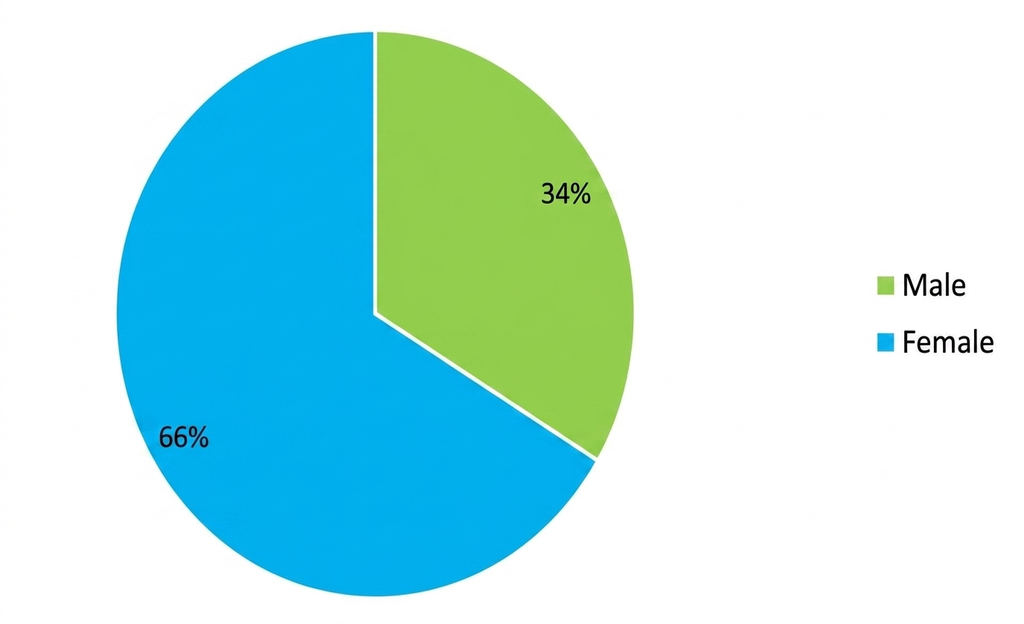
Source: Original survey results.
Figure 2 reveals that the majority of the target audience (50.5%) were between 25 and 34 years old, suggesting that brand humanization campaigns should include current language, memes, digital influencers, and social responsibility for greater engagement. The second largest age group, 35 to 44 years old (22.5%), indicates the need for distinct strategies for millennials (born between 1981 and 1996) and generation Z (born between 1997 and 2012). Although people aged 45 and over represent smaller percentages (6.3% between 45-54 years old, 4.5% between 55-64 years old, and 1.8% over 65 years old), this audience can still be reached through more informative materials, based on trust, tradition, and more formal communication. This data reinforces the importance of adapting online advertising materials to be visually appealing and psychologically aligned with the values and expectations of each age group.
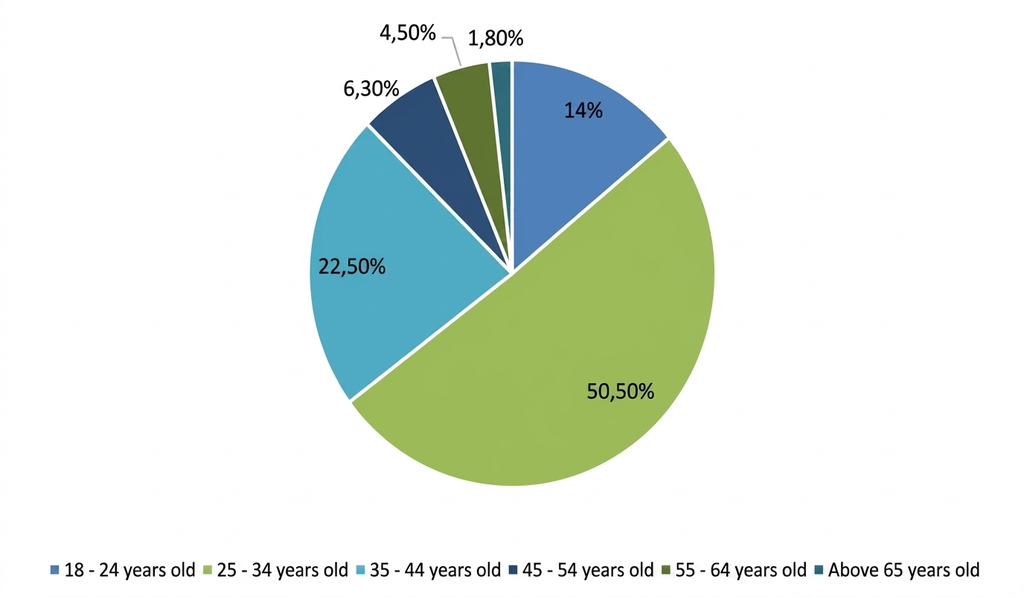
Source: Original research results.
Figure 3 highlights the strong preference for humanization in online advertising materials, with 75.7% of participants giving a top score (5) and 23.4% assigning a high score (4). There is minimal resistance to humanization, with almost no responses between 1 and 3.
This result reinforces the importance of marketing strategies focused on emotional connections and human qualities, in line with the theories of neuromarketing and brand positioning. The appreciation of humanization indicates that advertisements expressing empathy and compassion not only engage more, but also demonstrate the need for brands to adapt to social changes to maintain their competitiveness.
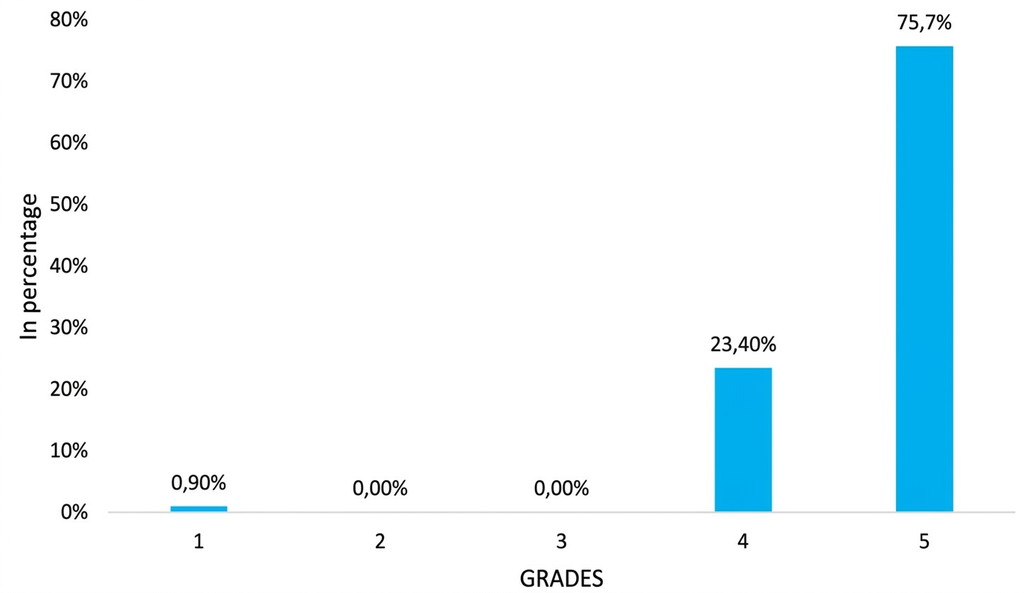
Source: Original research results.
Figure 4 compares the impact of emotional and rational advertisements on consumer decisions. The data reveal that 42.3% of participants considered emotional advertisements more impactful, while 14.4% showed a preference for rational ones. Furthermore, 39.6% evaluated both as equally effective, and only 3.7% perceived little impact from either style.
The predominance of preference for emotional advertisements reinforces the studies by Camargo[1] and Lindstrom[2], who highlight the subconscious influence of emotions on purchasing choices. At the same time, the appreciation of the hybrid approach evidences the importance of combining emotional and rational appeals, which aligns with Ries and Trout’s[4] vision on building innovative connections with the consumer. This scenario confirms the relevance of strategic and humanized marketing, as discussed by Costa and Silva[5] and Kotler[7].
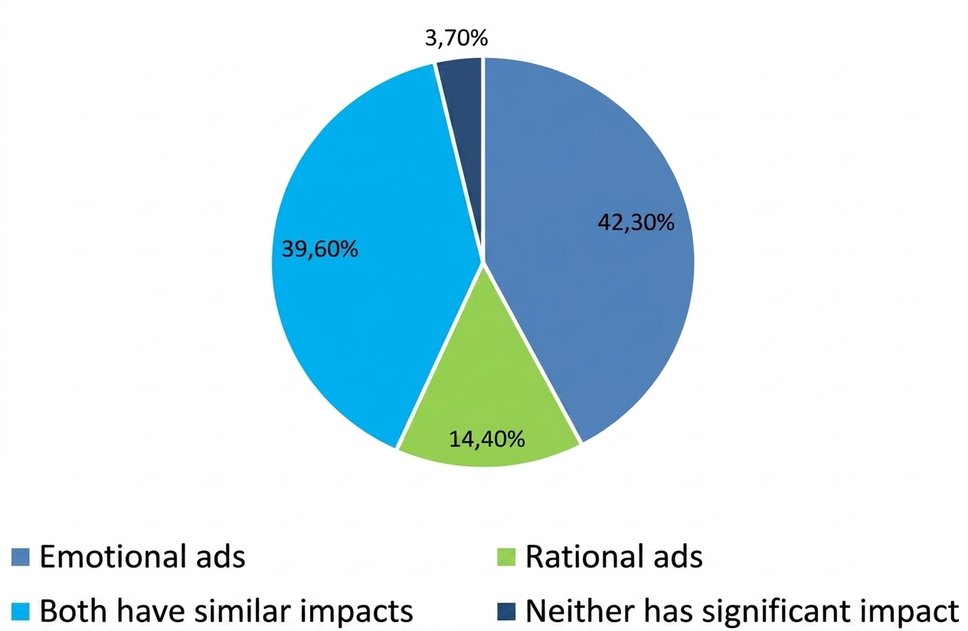
Source: Original research findings.
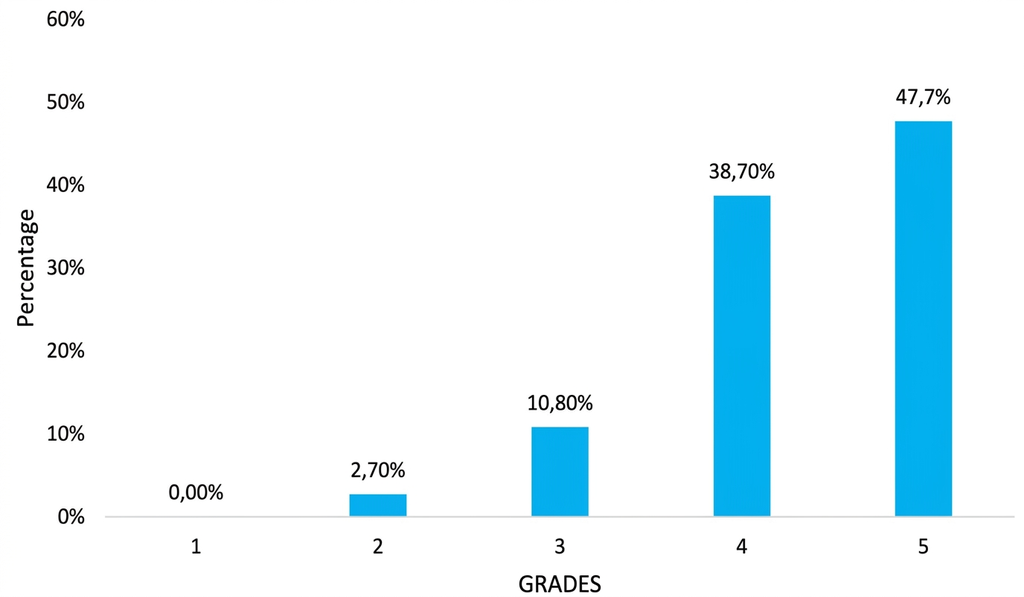
Figure 5 presents the responses regarding the importance of humanization in paid traffic ads on the influence of consumption decisions, evaluated on a scale of 1 (not important) to 5 (very important).
The data show that 47.7% of participants considered humanization very important, while 38.7% attributed high importance. Only 10.8% classified it as moderate, and 2.7% as low, with no records of responses indicating irrelevance. This suggests that humanization is a decisive factor in consumer perception.
Source: Original research results.
These findings reinforce the discussions by Kotler[7], Camargo[1] and Lindstrom[2] on the influence of emotions in consumption, in addition to Zendesk[8]’s observations on the preference for humanized interactions. The trend indicates that advertisements based on empathy and genuine values prove to be more effective in engaging the public.
Figure 6 presents the participants’ responses regarding the importance of differentiated customer treatment in an online environment, characterized by impersonality and competitiveness. The majority (86.5%) considered it fundamental for companies to adopt this practice, while 11.7% also attributed value to the item, albeit with less emphasis.
These results emphasize the importance of personalization in customer service as a strategic differentiator in digital platforms and highlight the need for more human and personalized interactions[8].
According to Camargo[1] and Lindstrom[2], emotions play a fundamental role in purchasing decisions and are often processed at a subconscious level. Lindstrom[2], in particular, explores how neuromarketing can enhance advertising effectiveness by influencing these subconscious processes. He suggests that personalizing the customer experience can positively activate these emotional aspects, contributing to greater effectiveness in saturated marketing environments.
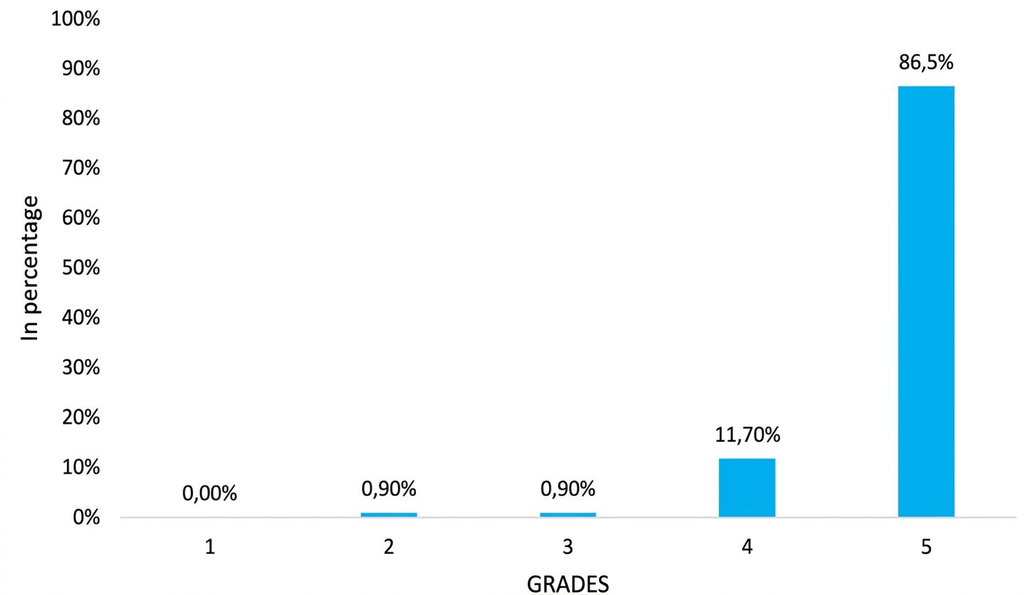
Figure 6. Perception about the importance of differentiated service by companies
Source: Original research results.
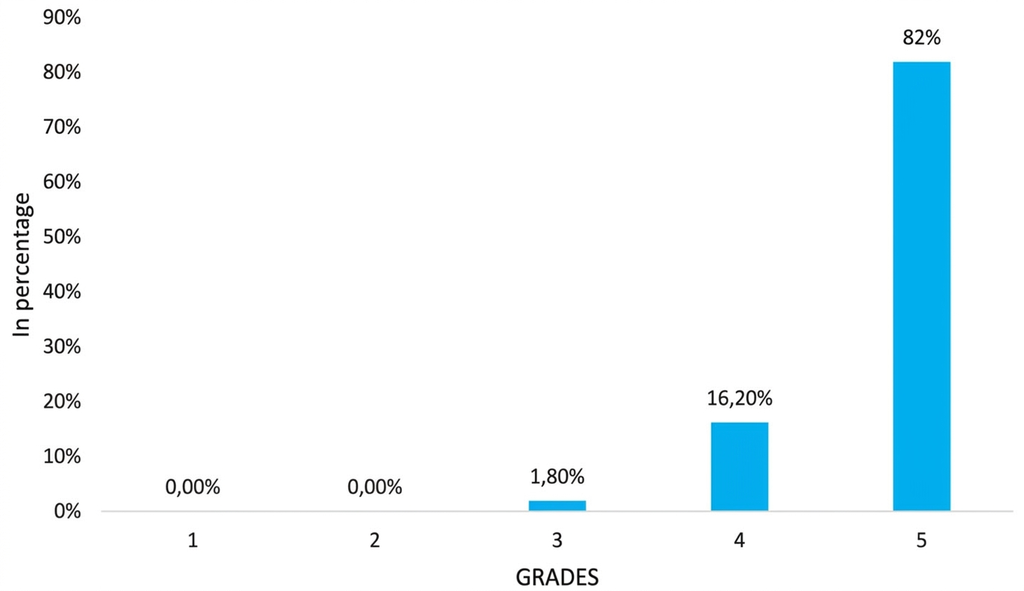
The majority of respondents agreed with the statement that brand positioning has an important impact on the creation of differentials perceived by consumers. On this topic, 82% (91 people) assigned a score of 5, indicating strong agreement with the idea. Another 16.2% (18 people) gave a score of 4, with less emphatic agreement. Only 1.8% (2 people) were neutral (score 3) and no one disagreed (scores 1 and 2).
The results reinforce Ries and Trout[4]‘s view on the impact of positioning on customer perception, as well as Costa and Silva[5]‘s arguments when treating strategy as a competitive advantage. The absence of disagreement among participants corroborates Kotler and Armstrong[6]‘s theory, according to which effective positioning is essential for a brand to stand out in the market.
Source: Original research results.
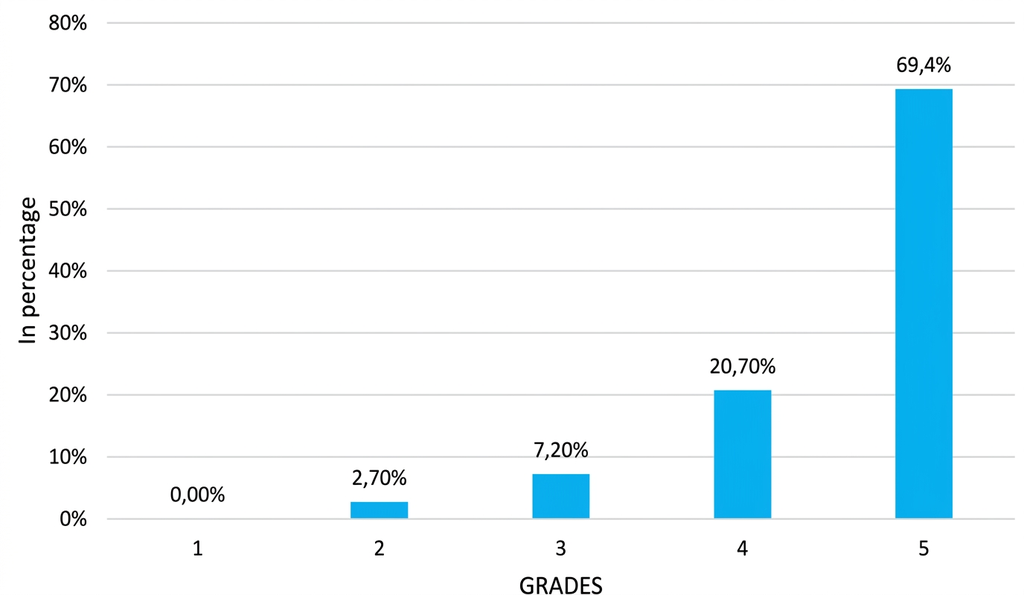
Regarding the assertion that the most powerful brands are those that create lasting emotional bonds with their customers, 69.4% of the sample strongly agreed with this idea; 20.7% also agreed, but with less intensity, and disagreement was minimal, demonstrating broad consensus.
The data strengthen Kotler’s[7] view on the importance of emotional connections for brand success and corroborate the studies by Camargo[1] and Lindstrom[2], which address the impact of emotions on purchasing decisions. The low disagreement confirms the perception that brands that cultivate positive emotions gain a competitive advantage and customer loyalty.
Source: Original research results.
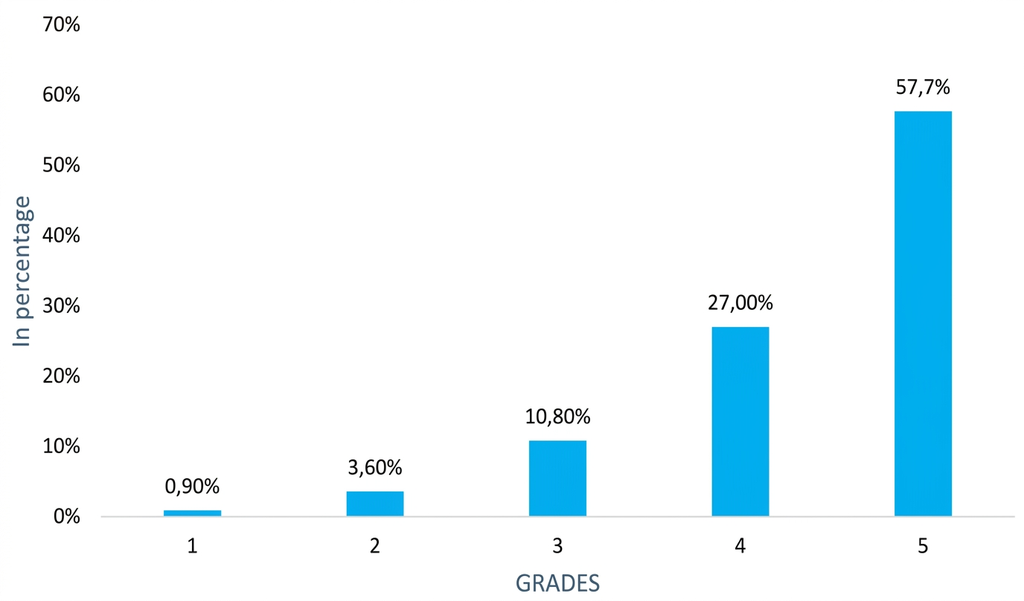
The majority of respondents (57.7%) in this survey strongly believed that the lack of humanization in customer interactions can have negative consequences for companies, and another 27% also agreed with this idea. A small percentage remained neutral (10.8%), while a minority disagreed (3.6%) or strongly disagreed (0.9%).
The participants’ response, largely aligned with the belief that a lack of humanization can harm companies, reiterates the importance highlighted by Kotler[7] in creating emotional connections and is corroborated by Zendesk[8], which links negative interactions to customer loss. This consensus on the need for humanization in interactions reflects the influence of emotions on purchasing decisions, as discussed by Camargo[1] and Lindstrom[2], and emphasizes that empathy and understanding are essential for brand success and loyalty.
Source: Original research results.
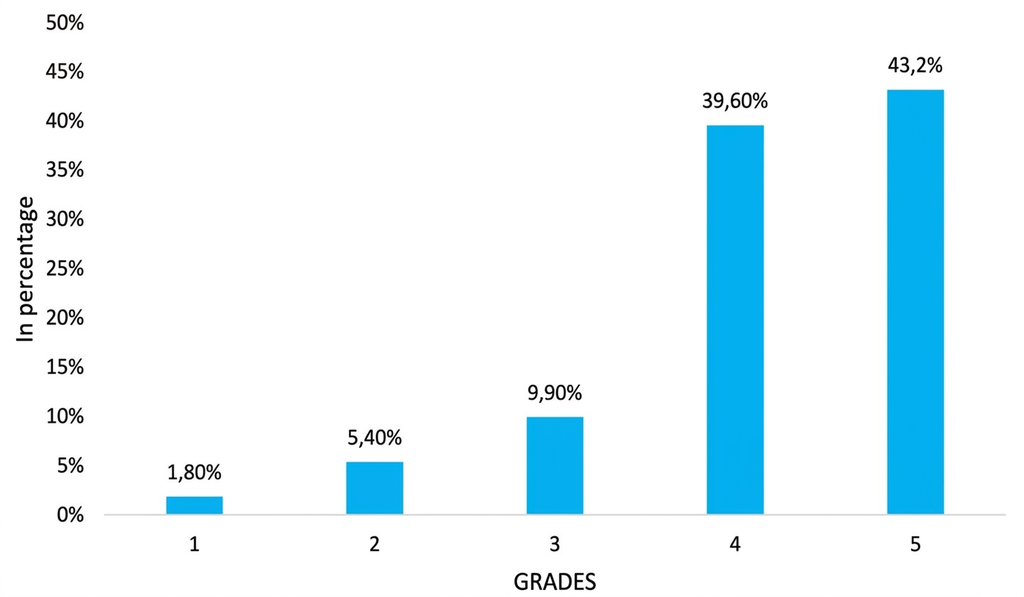
The vast majority of participants considered that humanization in paid traffic ads effectively meets the human need for interpersonal connection. 43.2% gave the maximum score and 39.6% strongly agreed. Few were neutral (9.9%) or disagreed (5.4% gave a score of 2, and 1.8%, a score of 1).
The participants’ positive perception of humanization in paid traffic ads, which highlights their effectiveness in meeting the need for interpersonal connection, echoes Kotler[7]‘s insights on forming emotional bonds with consumers. This reinforces the theories of Camargo[1] and Lindstrom[2] regarding the impact of emotions on purchasing decisions. The preference for ads that incorporate human elements suggests the importance of marketing strategies that genuinely promote emotional connection, as such practices not only improve ad response but also strengthen the brand-consumer relationship[1,2].
Source: Original research results.
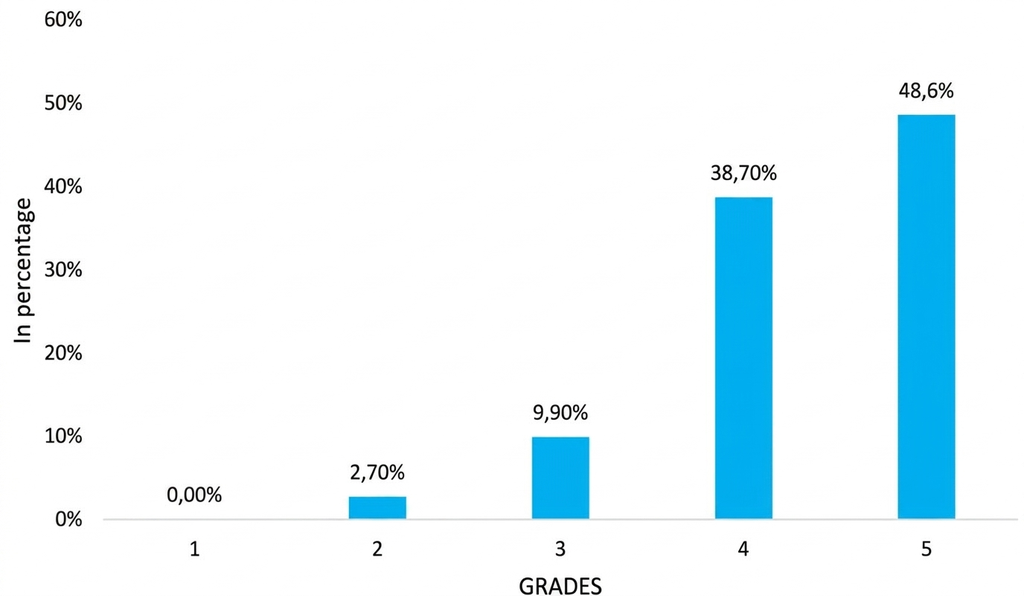
Figure 11, which addresses the creation of emotional connections, shows that 48.6% strongly agreed that paid traffic ads with humanized elements are more effective in establishing emotional bonds with consumers, and 38.7% also agreed, albeit with less intensity. Only a small minority remained neutral or slightly disagreed, and no one completely disagreed. This indicates broad consensus on the effectiveness of humanization in paid ads for emotionally connecting with the audience.
Source: Original research findings.
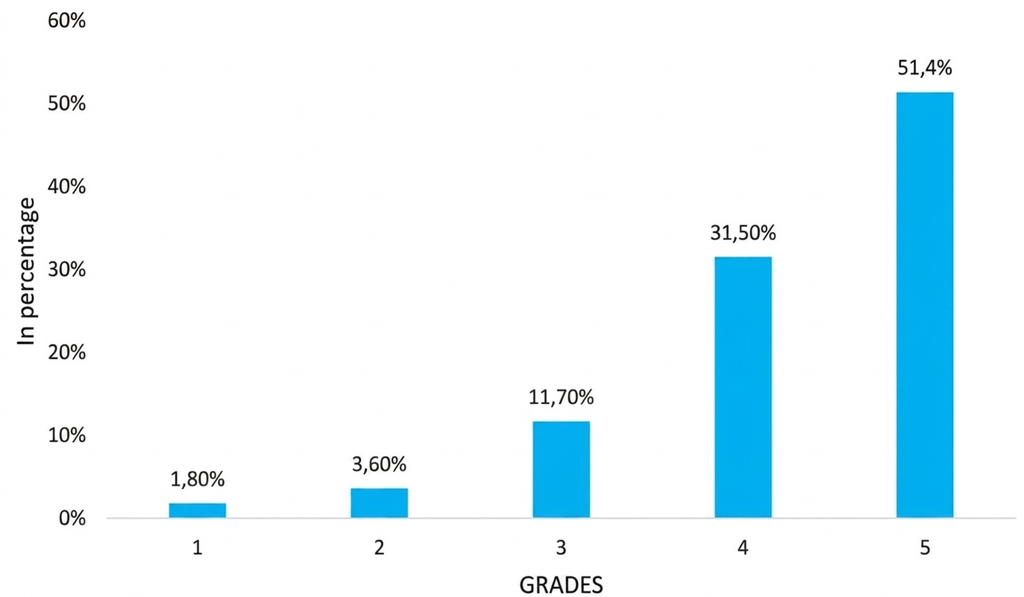
In Figure 12, which relates customer loyalty through advertising, it is observed that the majority of participants (51.4%) strongly believe that humanized paid traffic ads contribute to customer loyalty, and 31.5% also agree. Few are neutral (11.7%) or disagree, with 3.6% and 1.8% giving scores of 2 and 1, respectively. The majority of participants express a strong belief in the ability of humanized paid traffic ads to promote customer loyalty, which confirms Kotler’s theories[7] on building emotional connections to cultivate loyalty.
This vision is based on the neuromarketing principles of Camargo[1] and Lindstrom[2], which emphasize the impact of emotions on purchasing decisions and consumer loyalty. The consensus regarding humanization as a key factor in customer retention reiterates the importance of advertising strategies that prioritize empathy and authenticity to strengthen the brand-consumer relationship.
Source: Original research results.
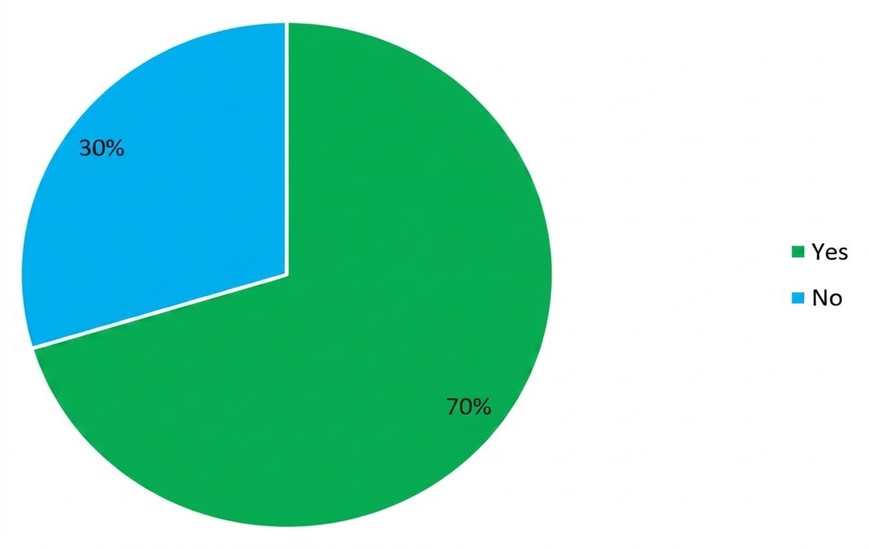
Participants were asked if they had encountered paid traffic ads that seemed humanized to them. Of the total, 70.3% answered yes and considered the ads humanized. Another 29.7% reported not having had this experience.
This result indicates that, although part of the consumers perceive humanization efforts in paid ads, a portion still does not recognize them or does not experience them. This reveals an opportunity for companies to invest more in the humanization of their paid ad strategies, in order to connect more effectively with their audience.
Source: Original research results.
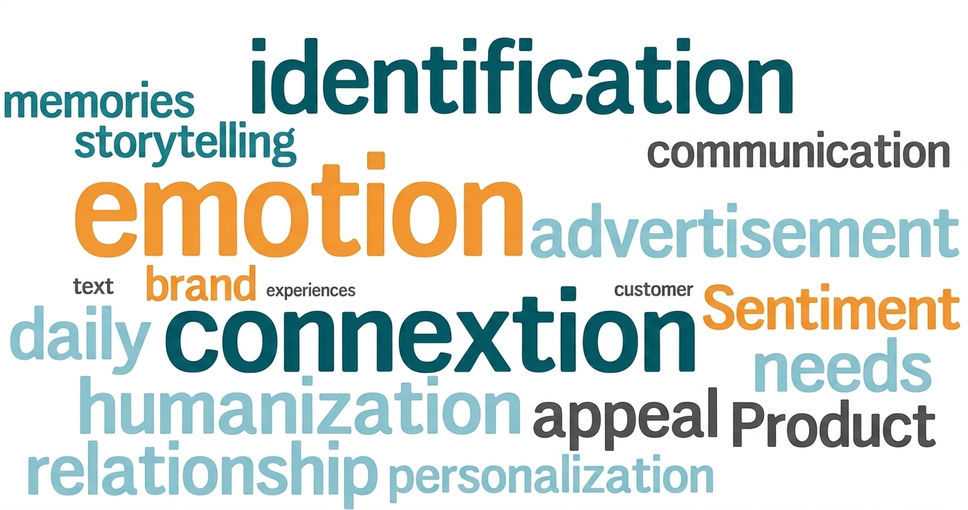
The open-ended question was analyzed based on a qualitative approach, which allowed for the identification of subjective patterns in the participants’ responses. The textual responses were examined through content analysis, a technique that, according to Moreira et al[15], enables the categorization and interpretation of manifest and latent meanings in the respondents’ statements. This process made it possible to understand the individual perceptions of marketing professionals regarding humanization in paid advertisements. After the analysis, the main recurring terms and concepts were visually synthesized through a word cloud, presented in Figure 14.
The responses were categorized into five main themes regarding the impact of advertisements:
- Emotional connection and storytelling (43.2%) – The majority of participants highlighted the importance of advertisements that evoke emotions or tell engaging stories, in line with Kotler’s[7] and Lindstrom’s[2] theories on emotional engagement;
- Authenticity and relatability (39.6%) – Genuine ads connected to the audience’s reality proved more impactful, reinforcing the importance of humanization in marketing;
- Personalization and direct approach (10.8%) – Some participants prefer ads that convey the feeling of speaking directly to them, which highlights the need for personalized connections[7];
- Visual and sensory appeals (5.4%) – Visual elements and sensory stimuli capture attention, as pointed out by Camargo[1] and Lindstrom[2] in the context of neuromarketing;
- Innovation and novelty (1.8%) – A smaller portion valued innovative advertisements, which aligns with the positioning strategies described by Ries and Trout[4].
Some phrases said by the participants who most identified with the humanized ads, which gave rise to the word cloud, such as “Ads that seem to be talking directly to you.”, “Storytelling that resonates on a personal level.” These expressions emphasize the value of emotional, authentic, and personalized marketing approaches, aligning directly with theoretical discussions on the importance of emotional engagement[7,1,2]. Furthermore, they highlight the strategic advantage of authenticity and personalization in building brand loyalty and customer retention, as evidenced by the phrases: “Authenticity that cuts through the noise.” and “Visuals that pull you into the experience.”
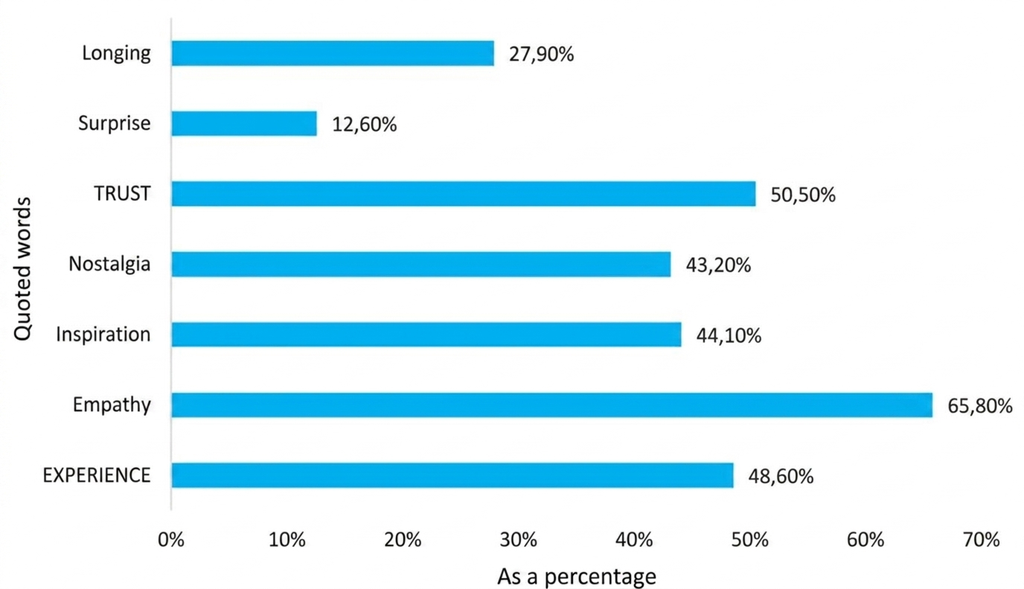
Participants were given a list of words and chose two or three that, in their opinion, best define the concept of an emotional advertisement. The options provided were: “Experience”, “Empathy”, “Inspiration”, “Nostalgia”, “Trust”, “Surprise”, and “Saudade” (Figure 15). These words were selected based on neuromarketing and emotional communication studies, as they represent feelings and triggers widely associated with building emotional bonds between brands and consumers.
“Empathy” and “Trust” were the words most associated with the concept of emotional advertising, as they are essential elements for the audience. “Experience”, “Inspiration”, and “Nostalgia” were also considered important, but to a lesser extent. “Saudade” (longing/nostalgia) was cited with moderate relevance, while “Surprise” appeared as the least associated word with emotional advertising among the options presented. This indicates that the creation of emotional advertising should focus on generating empathy and trust to resonate with consumers.
Source: Original research results.
The present research shows that humanization in marketing is not just a preference of contemporary consumers, but an essential strategy to engage audiences and drive conversions[16]. Marketing professionals show a clear inclination for ads that evoke emotions through authentic narratives and personal connections, which highlights the importance of campaigns that go beyond simple product promotion.
Neuromarketing, as pointed out by Morin[17] and Lindstrom (2010)[2], reinforces the determining role of initial emotional reactions in the purchase decision process. Advertisements that evoke empathy, trust, and nostalgia tend to be more memorable, which favors the construction of brand loyalty. Strategies such as the use of informal language, real images of collaborators, and humanized visual elements strengthen the emotional bond with the audience and contribute to greater loyalty[18].
The data collected in the survey reveal a significant preference for ads with emotional appeal, which not only capture consumer attention but also elevate brand value perception. These results support the central objective of the study, which is to analyze the comparative impacts between emotional and rational ads on consumption decisions, especially in digital environments[19].
Humanization applied to paid traffic thus proves to be a strategic competitive advantage. Brands that adopt this approach tend not only to increase their conversion rates but also to build a more solid and admired image before the public[16]. The integration between humanization practices and paid traffic strategies redefines the relationship between consumers and brands and produces expressive results in the digital environment[21].
The interaction between neuromarketing, humanization, and brand positioning plays a central role in creating lasting emotional bonds, which favors brand differentiation in a saturated and competitive market. This research contributes to the field of marketing by offering practical and theoretical insights into how companies can apply the principles of neuromarketing and humanized communication to optimize their brand strategies. By presenting a detailed analysis of consumer preferences and current market trends, this study serves as a practical guide for brands that wish to create more authentic, relevant, and effective campaigns. The strategies identified throughout the research can be applied to enhance brand communication, broaden the emotional impact of campaigns, and strengthen the connection with the target audience in a highly competitive scenario.
References
[1] Camargo, P. 2009. Neuromarketing: decodificando a mente do consumidor. Porto Portugual: Ipam.
[2] Lindstorm, M. 2018. A lógica do consumo. HarperCollins. Nova Iorque, EUA.
[3] Almeida, C.F.C.; Arruda, D.M.O. 2014. O neuromarketing e a neurociência do comportamento do consumidor: o futuro por meio da convergência de conhecimentos. Ciências & Cognição. 19(2): 278-297. https://pesquisa.bvsalud.org/portal/resource/pt/biblio-1017002
[4] Ries, A.; Triout, J. 2009. Posicionamento: a Batalha por sua mente. São Paulo, SP: M.Books.
[5] Costa e Silva, A. 2002. Branding & Design: Identidade no varejo. Rio de Janeiro, RJ: Rio Books.
[6] Kotler, P.; Armstrong, G. 2015. Princípios de Marketing. 15ed. São Paulo, SP: Pearson Prentice Hall.
[7] Kotler, Philip. 2003. Marketing de A a Z: 80 Conceitos que Todo Professional Precisa Saber. Serra, A.C.C. (Trad.) 11.ed. Rio de Janeiro, RJ: Campus.
[8] Zendesk. 2023. O que é atendimento humanizado: vale a pena abraçar essa estratégia? Disponivel em: https://www.zendesk.com.br/blog/atendimento-humanizado/. Acesso em: 17 out. 2023.
[9] Sebrae. 2023. Saiba investir em tráfego pago na internet para aumentar suas vendas. Disponível em: https://sebrae.com.br/sites/PortalSebrae/artigos/saiba-investir-em-trafego-pago-na-internet-para-aumentar-suas-vendas,2f7516d8d6f28810VgnVCM1000001b00320aRCRD . Acesso em: 17 out. 2023.
[10] Coelho, F. 2022. Relatório impacto econômico google 2022. Disponível em: https://services.google.com/fh/files/misc/relatorio_impacto_economico_google.pdf . Acesso em: 17 out.2023.
[11] Robinette, S.; Brand, C. 2002. Marketing Emocional. São Paulo: Makron Books.
[12] Roberts, K. 2005. Lovemarks: o futuro além das marcas. São Paulo: M. Books.
[13] Batista, E.C., Matos, L.A.C., Nascimento, A.B. A entrevista como técnica de investigação na pesquisa qualitativa. Revista Interdisciplinar Científica Aplicada. (11)3: 23-38. https://portaldeperiodicos.animaeducacao.com.br/index.php/rica/article/view/17910.
[14] Manzato, A.J., Santos, A.B. 2000. A elaboração de questionários na pesquisa quantitativa. Instituto de Biociências, Letras e Ciências Exatas, Câmpus de São José do Rio Preto, Unesp. Disponível em: http://www.inf.ufsc.br/~vera.carmo/Ensino_2012_1/ELABORACAO_QUESTIONARIOS_PESQUISA_QUANTITATIVA.pdf. Acesso em: 25 abr. 2023.
[15] Moreira, B. C. M., Pacheco, A. F. A., & Barbato, A. M. 2011. Neuroeconomia e neuromarketing: imagens cerebrais explicando as decisões humanas de consumo. Ciências & Cognição. 16(1): 099-111. https://www.revista.cienciasecognicao.org/index.php/cec/article/view/425.
[16] Kotler, P.; Kartajaya, H.; Setiawan, I. 2017. Marketing 4.0. Rio de Janeiro, RJ: Sextante.
[17] Morin, C. 2011. Neuromarketing: the new science of consumer behavior. The Society New York. (48)2: 131-135. https://link.springer.com/article/10.1007/s12115-010-9408-1
[18] Pine II, B.J.; Gilmore, J.H. 1999. The Experience Economy: Work is Theatre & Every Business a Stage. Harvard Business School Press.
[19] Kahneman, D. 2012 Rápido e devagar: duas formas de pensar. Leite, C.A. (Trad.). Rio de Janeiro, RJ: Editora Objetiva.
[20] Gladwell, M. 2005. Blink: The power of thinking without thinking. New York, USA: Little, Brown and Company.
[21] Kotler, P.; Kartajaya, H.; Setiawan, I. 2021. Marketing 5.0: Tecnologia para a humanidade. São Paulo, SP: Sextante.
Como citar
Velloso, N.K.; Mostagi, N.V. Recursos de humanização no desenvolvimento de criativos para tráfego pago. Revista E&S. 2025; 6: e2025005
About the authors
Natália Kurebayashi Velloso – Digital Business Specialist. Marketing Assistant. Rua Visconde do Rio Branco, 451, apartment 181, Alto Neighborhood, 13419-110, Piracicaba, São Paulo, Brazil
Nicole Verci Mostagi – Master of Administration. Supervising professor. Rua Cezira Giovanoni Moretti, 580, Santa Rosa, 13414-157, Piracicaba, São Paulo