
Marketing
November 27, 2025
Use of digital marketing tools in the medical environment
Authors: Weverton Nonato and Angela Trimer de Oliveira
DOI: 10.22167/2675-6528-2025037
E&S 2025, 6: e2025037
We are currently living in an era where the digital not only connects people, but redefines relationships, expectations, and decisions. According to Wood[1], the evolution of Web 3.0 has transformed the internet into a space of active collaboration, in which users consume and produce content, which modifies the dynamics of interaction and authority building in the digital environment.
The massive use of the internet and social networks, according to Turban, imposed new demands on marketing, which adapted to a scenario of instant and hyperconnected communication[2,3].
Isolated strategies do not meet current complexity. Kanso and Butscher (2018)[4] reinforce that integrating the internet into strategic planning is essential to maintain competitiveness, especially in the face of an increasingly digitized audience.
The use of social media has gained prominence for bringing together platforms focused on the exchange of opinions, experiences, and knowledge, which allow communication through text, image, audio, and video. These media are classified into six categories: collaborative projects, blogs and microblogs, content communities, social networks, virtual game worlds, and virtual social worlds[5].
According to Kaplan and Haenlein[5], digital platforms allow marketing to integrate consumers across different channels. Thus, companies have the opportunity to enhance interaction and relationships with current and potential customers through social networks, automated instant messaging systems, and applications. Furthermore, understanding market positioning is essential to strategically align this analysis with the central theme[6].
In the healthcare sector, this aspect is fundamental, as the proliferation of clinics and the demand for personalized, high-quality care impose the challenge of building solid brands, with investment in patient experience, technological innovation, and strategic communication[7]. By differentiating themselves from the competition, medical clinics can attract and retain patients, as well as ensure their sustainability in the market[7].
Current competitiveness demands the use of digital strategies that, when applied appropriately, increase business visibility, as the target audience is found in and reached through the digital environment. Among digital marketing strategies are Search Engine Optimization (SEO), content marketing, paid advertising, and influencer marketing[8].
The author also points out that, in the digital environment, the analysis of user data makes it possible to understand their profiles on social networks and develop content targeted to the target audience[8]. Given this scenario, the following research question arises: How to improve the performance of a medical clinic through the use of social media tools? The investigation is justified by the 50% increase in the search for doctors on the internet in the last four years, according to a survey by WE Marketing Médico, a specialist company in the area.
Therefore, this work aims to investigate the perception of patients and doctors about the digital presence of a clinic, focusing on understanding how social networks contribute to strengthening the relationship with patients.
This study adopted the descriptive research typology and applied a mixed approach (quantitative and qualitative) to analyze the effectiveness of digital marketing strategies in a medical clinic, as recommended by Malhotra[9]. The author states that descriptive research with a mixed approach allows for a more in-depth analysis of complex phenomena.
The company object of the study is a Paulista medical clinic with ten employees and five years of operation in the market. The business has a wide variety of specialties, such as cardiology, psychology, psychiatry, endocrinology, sports medicine, neurology, and others.
The data were collected from publications available on the website and social media of the studied clinic, between September 2024 and March 2025. Google Analytics was used as a support tool for analyzing website traffic, which allowed us to identify the main sources of access, user behavior, and the main engagement metrics[10] .
For the collection of primary data, a questionnaire was developed and applied to 70 patients, with the objective of evaluating satisfaction with institutional communication and perception regarding the use of digital marketing tools. The questions addressed topics such as ease of access to information, relevance of published content, and influence of marketing actions on the decision to choose the clinic[11].
The sample was composed mostly of patients from social classes A and B, predominantly elderly men and women, aged between 50 and 80 years, with regular consultation frequency. The total number of respondents corresponds to approximately 10% of the institution’s active patient base.
Additionally, a semi-structured interview guide with 15 questions was developed, applied to eight professionals directly involved in digital marketing actions. This stage aimed to identify the strategies adopted, the challenges faced, and the collaborators’ perceptions of the effectiveness of the digital tools used.
The analysis of quantitative data, obtained through Google Analytics and the questionnaires applied to patients, aimed to identify patterns, trends, and possible correlations between the studied variables. The qualitative data from the interviews were interpreted based on the content analysis technique, according to Bardin[12].
Social media data
At the beginning of this project, a comprehensive survey of all digital accesses and metrics for the previous months was conducted, covering everything from the number of followers to the engagement rates of the clinic’s social platforms. To ensure a consistent analysis, data from one year prior to the start of the research was considered.
Until September 2024, the cutoff used to understand the clinic’s network situation during that period, a low level of engagement was observed. The Instagram profile, the only active platform, registered an average of 23 likes per post, which represented less than 2% engagement. The Facebook page remained inactive and the website lacked data analysis tools.
Starting in September 2024, the clinic adopted a broader digital marketing strategy, focusing on redesigning its visual identity and producing relevant content. By aligning the new graphic elements with the institution’s brand, visual materials were updated to increase engagement levels. Furthermore, the Instagram biography was optimized, and a LinkedIn profile was created to reach a specific audience, composed of men and women aged 30 to 70 from higher social classes.
The actions resulted in a significant increase in social media engagement. Instagram stories began to reach an average of 300 views, with a higher level of interaction. The LinkedIn profile reached 2,500 connections and 50 followers between November 2025 and the current date.
In parallel, the clinic’s website was redesigned with the aim of improving the user experience and facilitating appointment scheduling. The creation of a blog with relevant cardiology content contributed to increasing organic traffic. Since the redesign, the website has registered 57 visitors to the blog and 27 to the main page, demonstrating the potential for attracting new patients between November 2025 and the present.
The results obtained evidenced the importance of a well-structured digital marketing strategy for medical clinics. The adoption of actions such as updating the visual identity, producing relevant content, and optimizing profiles promoted an increase in engagement, visibility, and credibility of the studied clinic.
Research with the clients of the studied clinic
Regarding the quality of published content, 58.6% of patients pointed to interactive content as the most attractive, such as polls, questions in stories, and direct message interactions. This data consolidates Instagram as the main tool for digital engagement and customer relationship.
Despite the prominence of social media in patient contact, the results revealed a low engagement rate with the clinic’s institutional website. Only 50% of respondents reported accessing the website, while 82.9% stated they did not know or did not use it as a channel for information or scheduling. This scenario highlights a significant gap in the patient’s digital journey and indicates that the target audience has not yet incorporated the habit of accessing the institution’s own digital platforms.
The research also assessed patients’ perception of the use of artificial intelligence (AI) in scheduling appointments and exams: 41.43% consider that applications based on this resource assist in this process.
This result is aligned with broader digital marketing trends, such as the use of Google Ads with AI features, which has increased the ability to segment and personalize campaigns[13], and the advancement of tools like ChatGPT and automation solutions, which have transformed how companies relate to their audiences[14,15].
Research with the professionals of the studied clinic
The data collection, obtained through forms applied to eight doctors from the clinical team, revealed that 83.3% of the participating professionals consider that social networks have a positive impact on medical practice. The respondents emphasized that these platforms contribute to increasing professional visibility, disseminating health information, and strengthening the bond with patients.
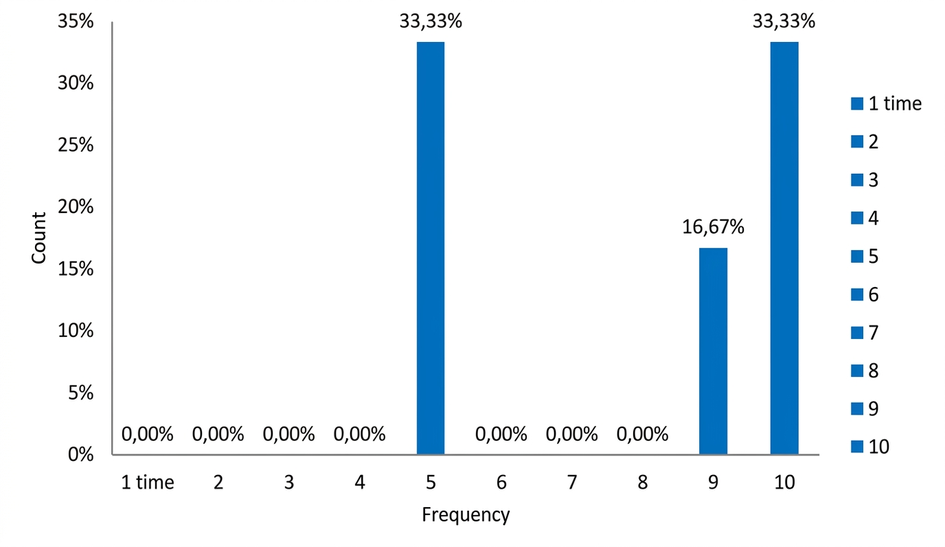
Based on the frequency of social media use for patient acquisition, 33.3% of participating physicians assigned a score of five, on a scale of zero to ten, indicating sporadic use of these platforms for this purpose. It is observed that this acquisition occurs predominantly organically, as there is no financial investment directed towards lead generation.
Source: Original research results.
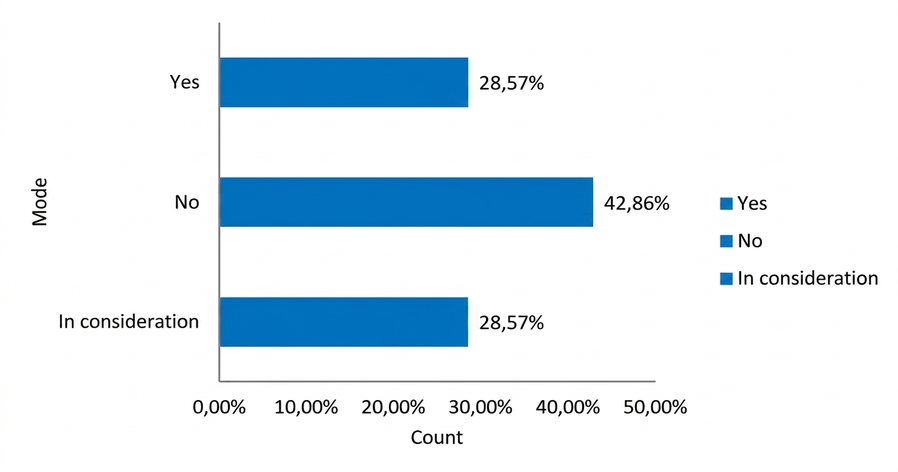
The research showed that 57.14% of doctors do not have a defined visual identity, which compromises their digital presence and hinders positioning on social media. Despite this, respondents recognized the importance of this identity for consolidating a personal brand in the analyzed environment.
It was found that, when questioned about the use of social media in their medical practice, 50% of the team professionals stated they do not invest in their own digital channels, such as websites or blogs. Furthermore, 42.86% declared they do not use paid traffic strategies, mainly through platforms like Instagram and Facebook Ads. This division reveals a significant gap between the knowledge of the importance of medical marketing and its effective adoption.
Even among those who invest in paid media, failures in communication and strategy execution were observed, which compromises the results expected by the clinic.
A lack of integration was observed between campaigns conducted on Google Ads and the use of blogs or websites, a practice that could enhance the reach and visibility of professionals. Furthermore, the limited application of SEO techniques reduces organic engagement and compromises the effectiveness of digital content, highlighting a still restricted and poorly strategic approach to medical marketing[3].
Source: Original research results.
The research identified consensus among physicians regarding the importance of a well-structured website, with attractive design, clear communication, and technological resources, considered strategic for attracting and retaining clients (Rozenbum; Bates, 2013). This result reinforces the need for investment in digital presence, given how patients search for health information online and prioritize reliable and relevant content [16].
Despite recognizing this need, most still do not have an institutional website, which reveals a disconnect between discourse and practice. All participants also highlighted the usefulness of scheduling apps and the importance of an active presence on social media — especially Instagram and TikTok — as means to strengthen professional authority and expand patient acquisition.
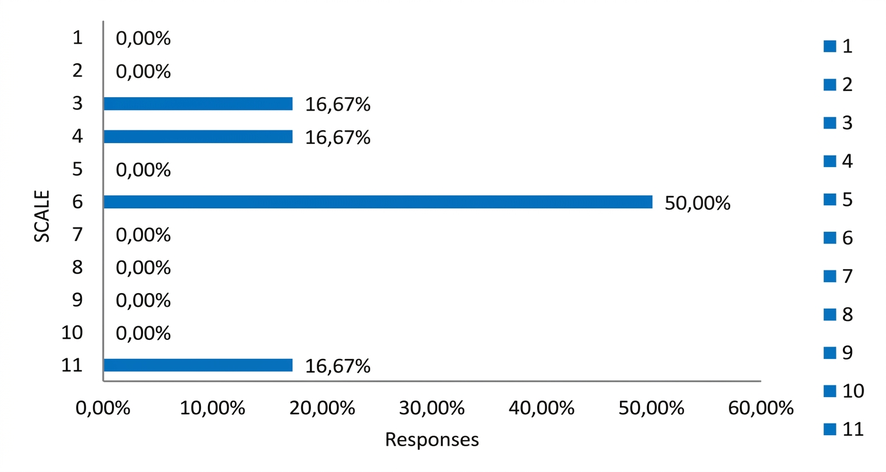
From Figure 3, it is observed that 66.7% of the research participants believe that medical marketing has a positive impact on their careers. This data, although relevant, highlights an important contradiction: digital presence, by itself, does not guarantee the strategic use of communication tools. This reinforces the need for continuous training of health professionals in digital communication, in order to transform online presence into a real competitive advantage, which strengthens their professional authority and expands the relationship with patients.
Source: Original research results.
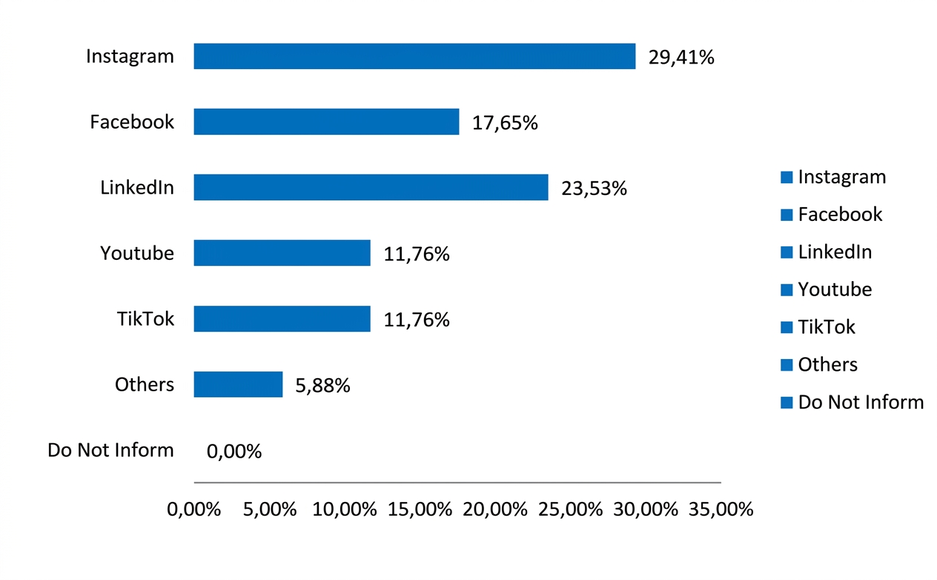
Based on Figure 17, it is observed that Instagram is the most used social network among clinic professionals, with 29.41% adoption. LinkedIn (23.53%) and Facebook (17.65%) follow. This data confirms the trend pointed out in other studies, which identify Instagram as the preferred platform among health professionals seeking to expand their visibility and digital engagement.
However, presence on multiple platforms is still limited, which can reduce the reach and diversification of the target audience. Centralizing usage on a single social network represents an opportunity for the development of more comprehensive and integrated communication strategies, capable of exploring the different user profiles present on other media, such as LinkedIn — aimed at the professional audience — and Facebook, still relevant among more mature audiences.
Source: Original research results.
Regarding the use of applications for scheduling appointments, 83.33% of participants (Figure 1) considered that these applications can improve care. The same proportion of doctors stated that social networks positively impact their professional performance.
This perception reinforces the understanding that digital platforms act as tools for approaching the public, building authority, and expanding visibility. However, 33.3% of respondents gave a score of five, on a scale of zero to ten, for the frequency of social media use with the objective of attracting patients.
This result reveals that, although they recognize the importance of media, most professionals still use them sporadically and not strategically, without content planning or actions aimed at lead generation.
These findings corroborate the study by Backman et al.[17], which demonstrates that social media communication allows for effective interactions in one-to-one, one-to-many, and many-to-many models. In line with KPMG International[18], professionals and institutions have adopted these platforms as means to increase the reach of their services[17].
Currently, being a good professional is not enough; it is also necessary to be perceived as such. In the digital context, this perception depends on an active online presence, consistent with the values of the profession, strategically planned and guided by ethics[19].
Medical marketing, when applied correctly, does not reduce the humanization of care; on the contrary, it strengthens the bond with the patient, expands access to information, promotes welcoming, and reinforces the professional’s authority in their area of expertise.
Elements such as before-and-after photographs, live videos, real testimonials, and content produced directly by professionals, such as blogs and reels, are valued and influence the perception of trust and competence[20] . Despite this, research that accurately assesses the impact of these actions on the patient’s decision-making moment remains scarce.
These factors reinforce the relevance of the study and point to the need for new investigations that deepen the relationship between digital content, professional reputation, and patient behavior in the medical environment.
The competitiveness of the aesthetic health market, combined with patients’ growing expectation for direct, rapid, and humanized contact, imposes challenges on surgeons that transcend the technical domain. Non-adherence to new forms of digital communication can compromise the professional’s visibility and lead them to obsolescence and loss of market relevance[20]
Younger patients, especially those between 21 and 30 years old, show decisions strongly influenced by the doctor’s performance on social media, which increases the chance of following plastic surgeons online by 3.9 times compared to older patients.
In this context, the era when indication between people or academic prestige were enough to guarantee career growth seems to be a thing of the past. Authority is now also measured by visibility, brand coherence, and audience engagement, elements effectively provided by strategic medical marketing [20]
Given the contemporary scenario, in which digital visibility has become a strategic component of medical practice, especially in plastic surgery, it is necessary to highlight that the benefits of social media marketing must be accompanied by critical and ethical analysis. Digital platforms expand reach, increase authority, and strengthen the connection with patients, which consolidates professional presence.
However, its indiscriminate use can compromise the doctor’s image and jeopardize the principles governing the practice of medicine. Devitt and Kenkel [21] warn that the growing appeal for engagement and visibility has led many surgeons to prioritize self-promotion and entertainment, which transforms the doctor into a media figure [21].
The digital presence of doctors and plastic surgeons favors communication with patients and expands the dissemination of health information. However, this advance involves significant risks that cannot be ignored. Devitt and Kenkel [21] highlight that medical marketing, when conducted improperly, transforms the health professional into an influencer, obscures their training, compromises their ethics, and prioritizes entertainment over care.
Although medical marketing on social media represents a powerful tool for visibility, authority building, and patient connection, there is still a long way to go regarding the conscious, ethical, and professional use of these resources.
The literature reveals that a large part of the publications on the subject are based on subjective perceptions, with a scarcity of objective data that quantify the impact of social networks on medical practice. As highlighted by several authors, posts with a high ethical and professional load can go unnoticed in an algorithmic environment that favors entertainment and sensationalism [22, 23].
In this scenario, a paradox arises: although the internet offers transformative potential for medicine and is essential for the continuity of clinical practice growth, it challenges the limits of professionalism, ethics, and responsible communication.
It is urgent to include formal training on social networks in the medical training curriculum, for both residents and practicing professionals, with the aim of aligning marketing actions with medical ethics and social responsibility [22, 23].
Given the rapid pace of platform expansion and the absence of standardized ethical regulations to keep pace with this evolution, it is unlikely that rigid regulations will be effective. Thus, the most viable and promising path lies in the construction of guiding principles by professional entities, national and international, that offer continuous support to physicians, in order to respect the dynamic nature of networks.
Fan et al.[23] state that the sustainable growth of medicine will depend on the ability of healthcare professionals to connect with patients through the communication channels they value most. More than following a trend, it is about understanding that the doctor-patient relationship has reinvented itself, and medical marketing, when ethical, well-planned, and humanized, integrates this new reality[22, 23].
In this sense, the need for medical marketing to be conducted with responsibility, ethical grounding, and a focus on humanization is reinforced. More than gaining likes or followers, the modern doctor’s challenge lies in maintaining relevance and authority without sacrificing essential values of medical practice: ethics, respect, and patient care. The future of digital medicine requires a balance between innovation and professional awareness.
The study, by analyzing the digital presence of a medical clinic based on primary and secondary data, clearly captured the transformation brought about by the adoption of digital marketing strategies. The reformulation of the visual identity, the increased use of social media, and the modernization of communication channels represented significant advances.
However, the presentation of the results focused on engagement and perception indicators, without direct measurement of financial impacts. Future studies may include revenue or profitability variations to understand the economic effectiveness of the implemented actions.
Another point that deserves further exploration is the characterization of the sample. Although the research included a considerable number of patients, the sociodemographic profile of the respondents was described in a summarized manner. Additional information, such as history of relationship with the clinic, frequency of consultations, and digital familiarity, would enrich the analyses and allow for more precise segmentations.
Regarding the analysis of the results, a predominance of the descriptive tone is observed, which, although useful for contextualizing the data, reduced the space for more in-depth critical discussion. Revisiting the theoretical literature in the interpretive phase — especially authors discussed in the foundation — could broaden the analytical density and offer new angles for reading the collected data.
Furthermore, patients did not fully perceive the changes implemented, which suggests a disconnect between internal actions and the communication of transformations to the public. This finding opens room for debates on medical branding, value perception, and the importance of consistency in institutional communication, especially among older age groups.
The present study highlighted the growing importance of digital marketing and artificial intelligence as strategic tools in the contemporary medical environment. The analysis conducted at the clinic demonstrated that, although doctors recognize the positive impact of social media on professional practice, a significant gap still persists between the appreciation of digital presence and the effective application of consistent and planned strategies.
It is concluded, therefore, that investing in ethical medical marketing, aligned with the values of the profession, is no longer a differentiator but a necessity. Marketing conducted appropriately enhances the humanization of care, strengthens professional authority, and consolidates the trust relationship with the patient in the digital environment. Doctors must understand that building a solid, planned, and responsible online presence is an integral part of modern clinical practice.
The results obtained in this study can significantly contribute to the improvement of digital communication practices in medical clinics, in addition to serving as a reference for other professionals in the field who seek more strategic, ethical, and results-oriented performance.
Despite the methodological advancement and the robustness in data collection, some points deserve critical reflection and deepening, both for future investigations and for the improvement of professional practice, such as the possible risk of lack of commitment to medical ethics and the financial impact of this practice for professionals and patients.
REFERENCES
[1] Wood, G. 2014. ĐApps: What Web 3.0 Looks Like. 2014. Disponível em: https://gavwood.com/dappsweb3.html. Acesso em: 25 nov. 2025.
[2] Turban, E. 2010. Comércio eletrônico para gestão. Bookman: São Paulo.
[3] Kotler, P.; Keller, K.L. 2012. Administração de Marketing. 14. ed. Pearson Prentice Hall: São Paulo.
[4] Kanso, A.; Butscher, M. A. 2018. A importância da internet como ferramenta estratégica para o sucesso organizacional. In: Congresso Nacional de Administração e Ciências Contábeis (CONAC).
[5] Kaplan, A.M.; Haenlein, M. 2009. Users of the world, unite! The challenges and opportunities of Social Media. Business Horizons. DOI: https://doi.org/10.1016/j.bushor.2009.09.003.
[6] Keller, K.L. 2016. Administração de marcas. 3ed. São Paulo: Pearson.
[7] Nwosu, O.; Babatunde, T. 2024. Clinic Branding Strategies in Competitive Healthcare Markets. African Health Review. Disponível em: : https://doi.org/10.30574/wjarr.2024.22.3.1810
[8] Faustino, P. 2018. Marketing digital na prática: como criar do zero uma estratégia de marketing digital para promover negócios ou produtos. DVS Editora: São Paulo.
[9] Malhotra, N. 2019. Pesquisa de Marketing: uma orientação aplicada. 7ed. Bookman: Porto Alegre.
[10] Mcguirk, M. 2023. Performing web analytics with Google Analytics 4: a platform review. 2023. Disponível em: https://link.springer.com/article/10.1057/s41270-023-00244-4. Acesso em: 25 nov. 2025.
[11] Churchill, G. A. 2004. Marketing: criando valor para os clientes. Saraiva: São Paulo.
[12] Bardin, L. 2011. Análise de Conteúdo. Edições 70: Lisboa.
[13] Kraham, M. 2023. Inteligência Artificial no Google Ads. Google Press Release.
[14] Smink, V. Las 3 etapas de la Inteligencia Artificial: en cuál estamos y por qué muchos piensan que la tercera puede ser fatal. BBC News Mundo. Disponível em: https://www.bbc.com/mundo/noticias-65617676.
[15] Merodio, J. 2023. Inteligencia Artificial en el Marketing Digital. Blog Juan Merodio. Disponível em: https://www.juanmerodio.com/ventajas-marketing-digital/
[16] Gunter, R.; Szeto, E.; Jeong, S.; Suh, S.; Waters, A.J. 2019.. Cigarette Smoking in South Korea: A Narrative Review. 2019. Disponível em: https://kjfm.or.kr/journal/view.php?doi=10.4082/kjfm.18.0015. Acesso em: 25 nov. 2025.
[17] Backman, C.; Solack, S. Sunyak, D.; Lutz, L. 2011. Social Media and Healthcare. Journal of Healthcare Management.
[18] KPMG Internacional. 2011. KPMG. Disponível em: https://midia.kpmg.com.br/site/2022/11/2011_KPMG-Brasil-Relatorio-Sustentabilidade-completo.pdf
[19] Armstrong, G.; Kotler, P. 2022. Marketing: An Introduction, Global Edition. 15ed. Person: Reino Unido.
[20] Kumar, A., Krishnamurthi, R., Nayyar, A., Sharma, K., Grover, V., & Hossain, E. 2020. A Novel Smart Healthcare Design, Simulation, and Implementation Using Healthcare 4.0 Processes. IEEE Access. Disponível em: https://ieeexplore.ieee.org/stamp/stamp.jsp?arnumber=9125923
[21] Devitt, K.; Kenkel, J. 2021. Social Media: A Necessary Evil?. Aesthetic Plastic Surgery. Disponível em: https://doi.org/10.1093/asj/sjz361
[22] Cho, M. J. et al. 2020 Ethical social media use in plastic surgery residency programs. Aesthetic Plastic Surgery, 44, p. 123–131. Disponível em: https://www.scielo.br/j/bioet/a/
[23] Fan, K. L. et al. 2022. The role of social media in aesthetic surgery education and practice. Aesthetic Plastic Surgery, 46, p. 321–330.
COMO CITAR:
Nonato, W.; Oliveira, A.T. Utilização de ferramentas de marketing digital no ambiente médico. Revista E&S. 2025; 6: e2025037.
ABOUT THE AUTHORS:
Weverton Nonato – Marketing Specialist. Marketing Coordinator. Rua Tapes 67, Cambuci, São Paulo, SP, Brazil.
Angela Trimer de Oliveira – Master in Administration. Supervising professor. Supervising professor. Rua Cezira Giovanoni Moretti, 580, Santa Rosa, 13414-157, Piracicaba, São Paulo, Brazil.