
Strategy
Industries
Innovation
Technology
September 20, 2024
New Industry 4.0 technologies in the corporate environment
DOI: 10.22167/2675-6528-20240024
E&S 2024, 5: e202400024
Rodrigo Augusto da Silva; Dayane Freire Romagnolo
The Fourth Industrial Revolution, known as Industry 4.0 or I 4.0, is a movement initiated in Germany around 2012 that continues to advance to the present day. The initial idea was to unite companies, universities, and government to promote technological advancement and competitiveness in German industry[1].
According to Schumpeter[2], technology alone is not everything; it impacts social structures and generates attitudes, actions, and civilizations. As pointed out by the Digital Brazil Institute [IBD][3], the new technologies of Industry 4.0 are called enabling digital technologies. Among them are: internet, mobility, connectivity, artificial intelligence (AI), data technology or data structure, blockchain, internet of things (IoT), cybersecurity, metaverse, renewable energy, nanotechnology, digital realities, 3D printing/additive manufacturing, biotechnology, and robotics. These technologies are described as enabling because they can drive radical changes in the capacity of a user or a culture.
The Brazilian Agency for Industrial Development (ABDI)[4] also classifies new technologies as enablers, as they are tools that facilitate business digitalization actions. These technologies support digital transformation in organizations and complement good digital practices in companies, as they integrate virtual and physical businesses. Some examples of these technologies are: broadband internet, cloud computing, e-learning, cybersecurity, and data storage, among others.
According to Kotler et al.[5], technologies provide a type of empowerment to companies, as they allow them to do things previously impossible. There are also new technologies that can be considered next techs, or humanoid technologies. These are: open-source software, internet, cloud computing, mobile devices, big data, computational power, teletechnologies, blockchain, robotics, IoT, augmented reality, virtual reality, mixed reality (MR) — which is the junction of augmented and virtual realities —, sensors, Natural Language Processing (NLP), computational power, etc.
Given this scenario, the general objective of the present research was to identify the frequency with which people use the new technologies of Industry 4.0 in their daily work; investigate the main technologies used; and understand the influence of these technologies on employees and their respective organizations.
The research was classified as descriptive and exploratory, following qualitative and quantitative approaches, as the work described the characteristics of a given population through the relationship of variables. The standardized data collection technique used was the questionnaire. Although the study was defined as descriptive, its data, used in an exploratory manner, provided a new perspective on the problem[6].
For data collection, a semi-structured instrument was developed, consisting of 14 questions, 12 of which were closed-ended and 2 open-ended. For the development of the questionnaire and some questions, the enabling digital technologies highlighted by IBD[3] were used. The aim was to present some of the main technologies and their applications in business. The technologies studied include those that are part of digital transformation, such as artificial intelligence, Internet of Things (IoT), blockchain, big data, and automation, which directly impact private business models by optimizing processes, improving customer experience, and creating new market opportunities. Furthermore, these technologies also play a significant role in the public sector, impacting governments and their citizens. Digital governments refer to the application of digital technologies, such as the internet, big data, artificial intelligence, blockchain, and other digital resources, for the modernization and automation of public administration[3]. For the classification of organization size, the Sebrae size classification was used[7].
The questionnaire was created using the Google Forms tool and sent through the digital channels LinkedIn, Messenger, WhatsApp, Instagram, Telegram, Facebook, and email. The responses, voluntary and anonymous, were collected between July and August 2023. The questionnaire was answered by 305 people, of whom one chose not to share their responses, and 21 did not match the profile of the survey respondents (people exposed to the new technologies of Industry 4.0 in their daily work), totaling 283 valid responses.
According to Gil[6], qualitative and quantitative content analyses are important for the development of research projects. Thus, in this study, qualitative analysis — that is, the analysis of factors such as the nature of the data collected through the questionnaire, the research instruments, and the theoretical content that guided the investigation — and quantitative analysis — which consists of the analytical evaluation of the research through numbers, percentages, and sums — were used. The quantitative analysis also included the word count technique, generating a statistical report on the vocabulary found in the text.
For the data analysis, quantitative methodologies were sought through graphs and tables, as well as their cross-tabulations; and qualitative, through content analysis, especially in open-ended questions. For the tables, the research data was organized by categories, in which it was possible to group certain qualities, such as mutual exclusion, homogeneity, relevance, objectivity, and fidelity[8].
According to Gil[6], content analysis can be quantitative or qualitative. In this study, qualitative analysis was used by categorizing the data into tables — for example, the answers to questions 13 and 14 — and their writing and interpretation. The quantitative analysis, on the other hand, involved the quantification of the collected data through the following statistical techniques: percentage, averages, sum, etc.[8] Additionally, documentary research of secondary data available online was considered, such as magazines, articles, published studies, textual production available on specialized websites on the topic, among others.
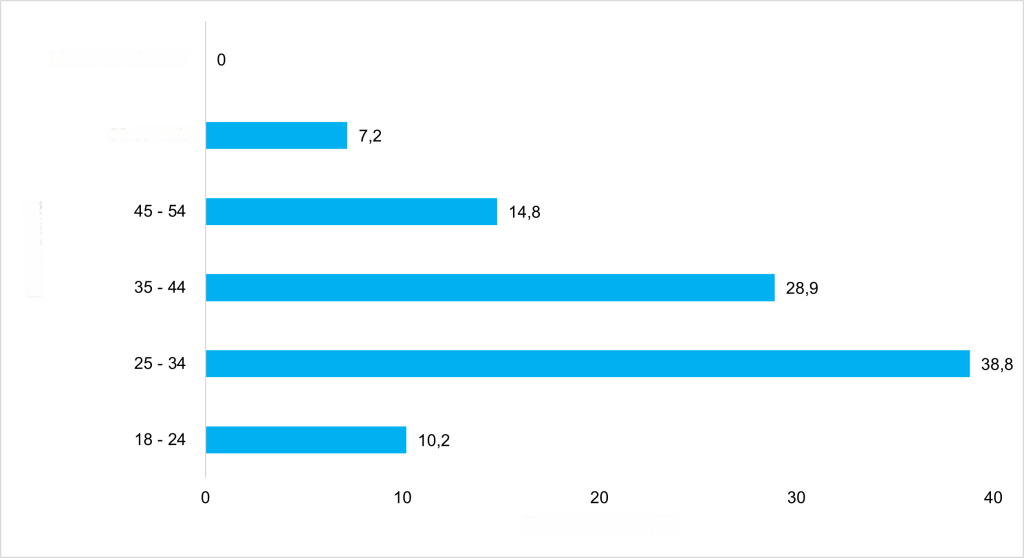
Figure 1 represents the respondents by age group. It is observed that the predominance was of people in the 25 to 34 years age range.
Source: Original survey results.
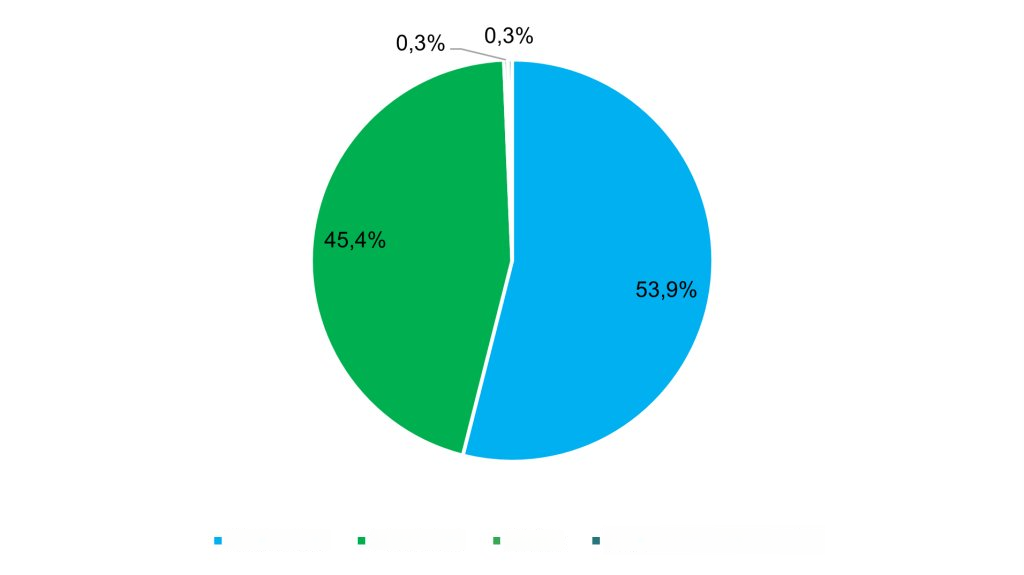
In Figure 2, the predominance of male respondents is evident, representing 53.9% of the total.
Source: Original survey results.
Through these, it was possible to define the profile of the respondents of this research, which mostly includes young adults, male, in the age group of 25 to 34 years (Figures 1 and 2). According to IBGE[9], in the first quarter of 2022, people from two age groups — 25 to 39 years old (29.6% of the IBGE survey) and 40 to 59 years old (31.6% of the IBGE survey) — represented the largest share of people of economically active age in Brazil.
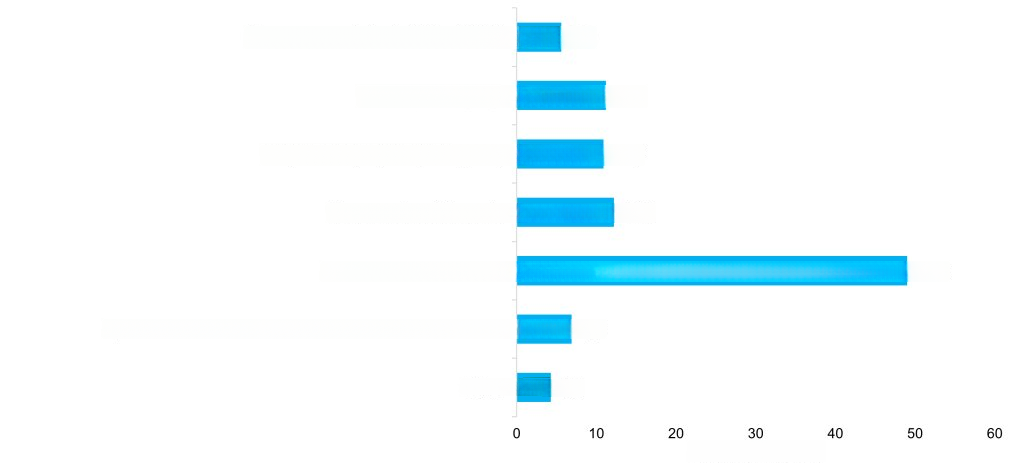
Figure 3 shows information about the classification of company size in which the respondents worked. The definitions of microenterprise (ME), small business enterprise (EPP), medium-sized enterprise, and large enterprise were based on the number of employees of each[7].
Source: Original research results.
The majority of respondents were collaborators in large organizations — 49% answered that they worked in large companies (with 500 or more collaborators). Next were the respondents who indicated “medium-sized company” (between 100 and 499 collaborators), with 12.2%.
In general, it is considered that multinational companies (large ones) have a greater propensity to carry out activities outside their countries of origin, such as investing in research and development (R&D) in countries like Brazil, which helps in current and potential Brazilian technological engagement[8].
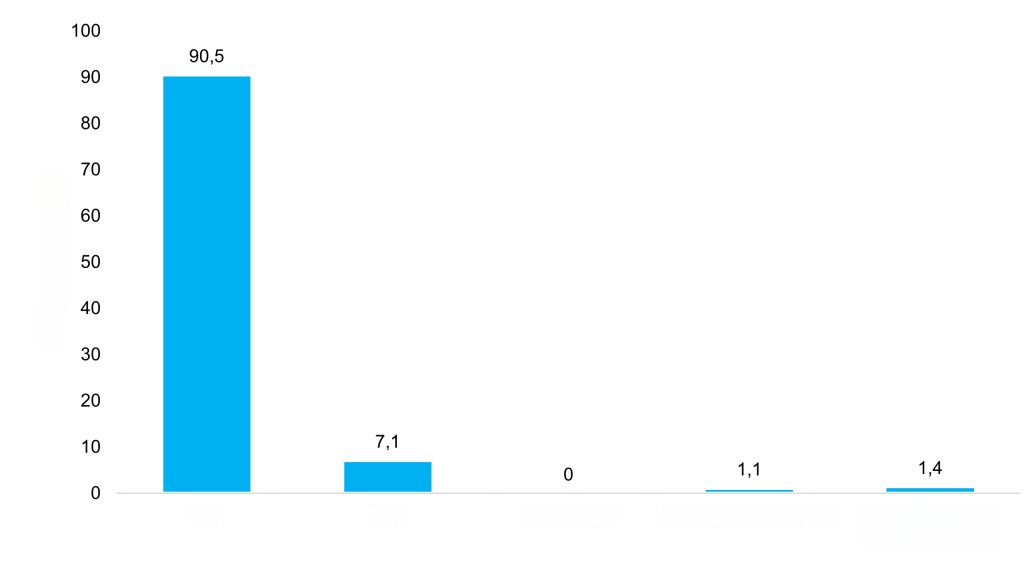
The research showed that more than 90% of respondents used Industry 4.0 technologies applied to their daily work (Figure 4).
Source: Original research results.
Furthermore, a small portion (7.1%) responded that they did not use these technologies. A small fraction (1.1%) could not answer with certainty. Another small portion (1.4%) indicated that, although they were not using them at that moment, the technologies were in the process of implementation. This distribution suggested a very high adoption of Industry 4.0 technologies among the surveyed professionals.
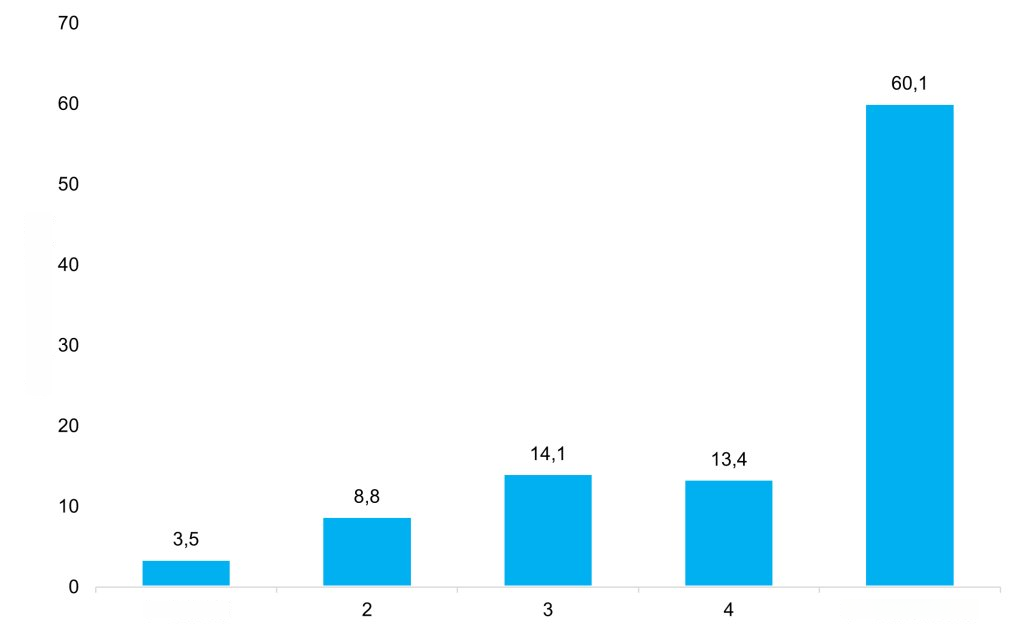
Figure 5 shows the frequency with which respondents used new technologies in their daily work.
Source: Original research results.
The survey showed that the percentage of people who used new Industry 4.0 technologies in their homes was 65% (184 respondents), who indicated “yes, often”, while 24.7% (70 respondents) marked “yes, sometimes”. 7.8% (22 respondents) did not use them, but were interested in trying these technologies, and finally, only 2.5% (7 respondents) said they did not use them and were not interested in using the new technologies. The survey also showed (Figure 6) the frequency with which respondents heard about the new Industry 4.0 technologies in their corporate environment.
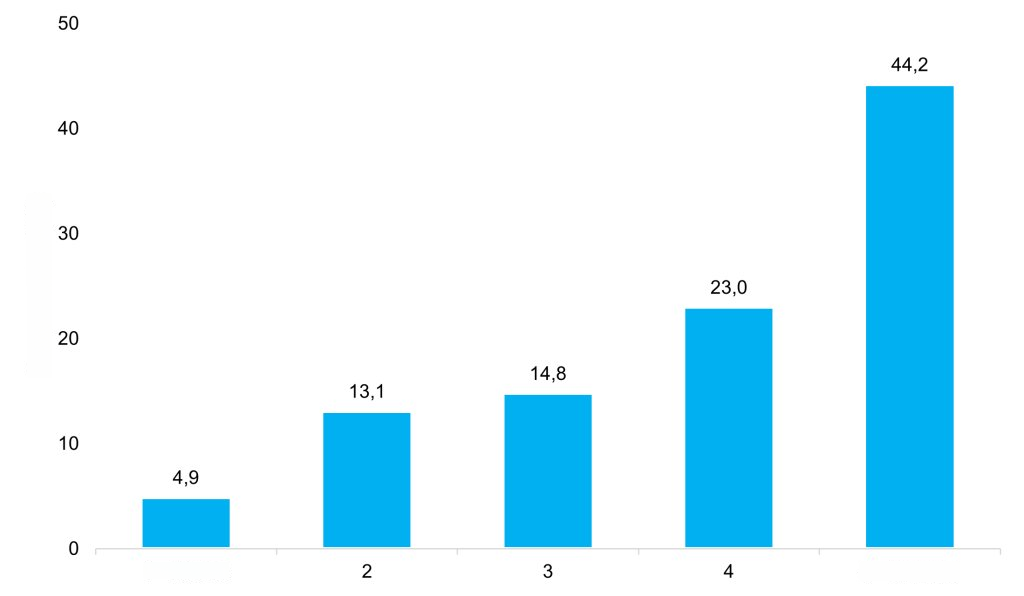
Figure 6. Frequency with which new Industry 4.0 technologies were heard about in the corporate environment (283 respondents)
Source: Original research results.
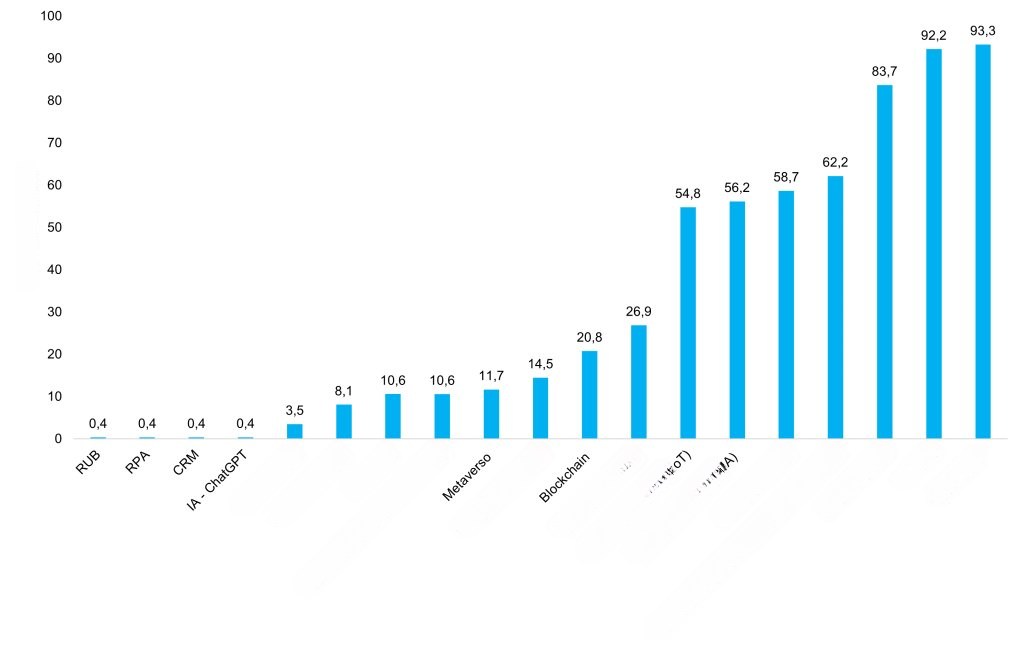
Figure 7 shows the most used technologies among the professionals in the sample; the highlights were mobility (93.3%), internet (92.2%), connectivity (83.7%), data technology or data structure (62.2%), cybersecurity (58.7%), artificial intelligence (56.2%), and internet of things (54.8%).
Source: Original research results.
Note: CRM: Customer Relationship Management; RPA: Robotic Process Automation and RUB: Although it has several meanings, it is commonly associated with a system that automates the store floor and manages product movement (RUB™)
According to the Laboratory of Technological Integrated Systems [LSI-TEC][10], mobile devices, especially smartphones, present a rapid and continuous technological evolution for both people and organizations. These small technologies use several others, such as software, iOS, Android, 5G, 4G, VoLTE, NFC, Wi-Fi, sensors, Bluetooth, GPS, etc.[11]
The 5th generation (5G) of cellular technology is a great example of Industry 4.0 technology. It runs on high bandwidth and causes a true revolution in mobile devices, such as smartphones and tablets. The increase in data transmission speed allows information to be exchanged quickly. Furthermore, latency, or response time, is extremely low, less than 1 millisecond. All of this helps in the coverage of 5G networks. This and other innovations will transform the way mobile devices are used and the quality of internet connections[12].
According to The Register[13], organizational adoption of the metaverse has stagnated. Virtual reality in corporate environments unrelated to virtual games has not met expectations, not even for Generation Z (people born between 1996 and 2010), the only group with more interest in the technology. As the study shows, about 85% of people in this generation are not interested in seeing their brands active within the metaverse.
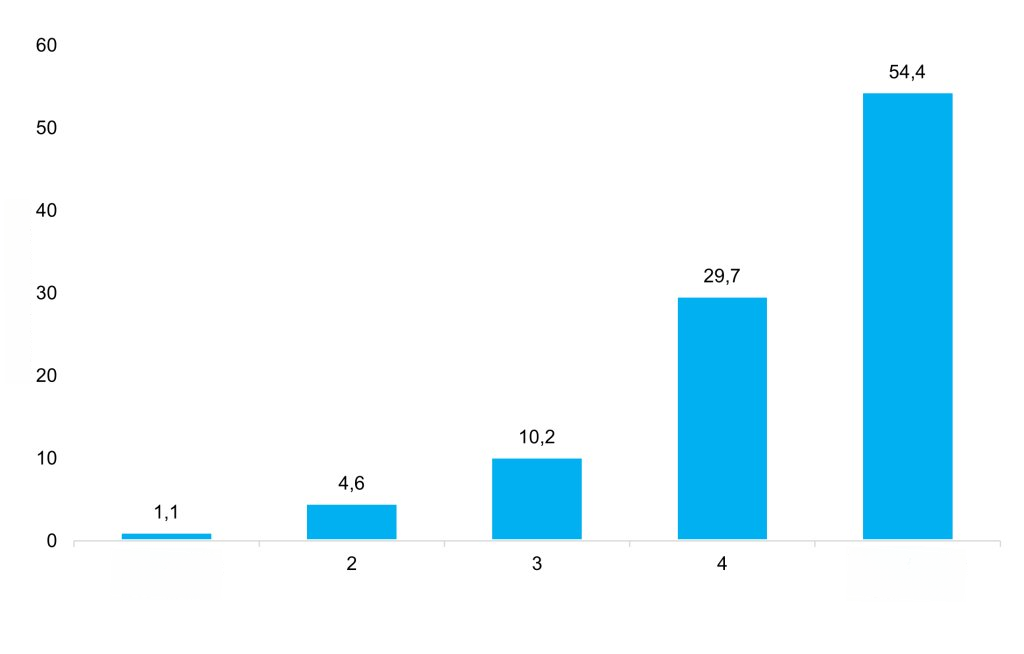
On the other hand, the questionnaire responses from this study showed that 54.4% of the sample members fully agreed with the thesis that there was a relationship between new technologies and an improvement in their corporate performance. Among the respondents, only 29.7% agreed with the stated fact; 10.2% were indifferent and/or neutral; 4.6% disagreed; and only 1.1% fully disagreed with this statement (Figure 8).
Source: Original research results.
The research showed that 54.4% (154) of respondents fully agree that there is a relationship between new technologies and the improvement of their performance; 29.7% (84) only agree with the stated fact; 10.2% (29) are indifferent and/or neutral; 4.6% (13) disagree; and only 1.1% (3) totally disagree with this statement.
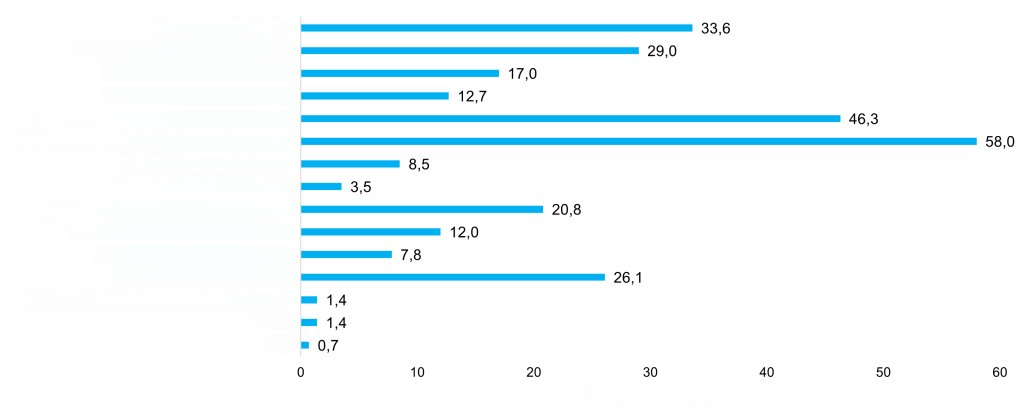
For the Ministry of Science, Technology, Innovations and Communications[14], some technologies, such as 5G networks, play an important and central role in the digital transformation process of the Brazilian economy and society. The present study sought to understand the main reasons that influenced respondents to use new 4.0 technologies on their own in their daily work.
Source: Original research results.
The most chosen answer was “improve productivity and performance” (58%), followed by “flexibility of work execution” (46.3%), “price and gratuity” (33.6%), “personal preference and experience” (29%), “practicality and versatility” (26.1%), “technological advancement” and “future of technology” (20.8).
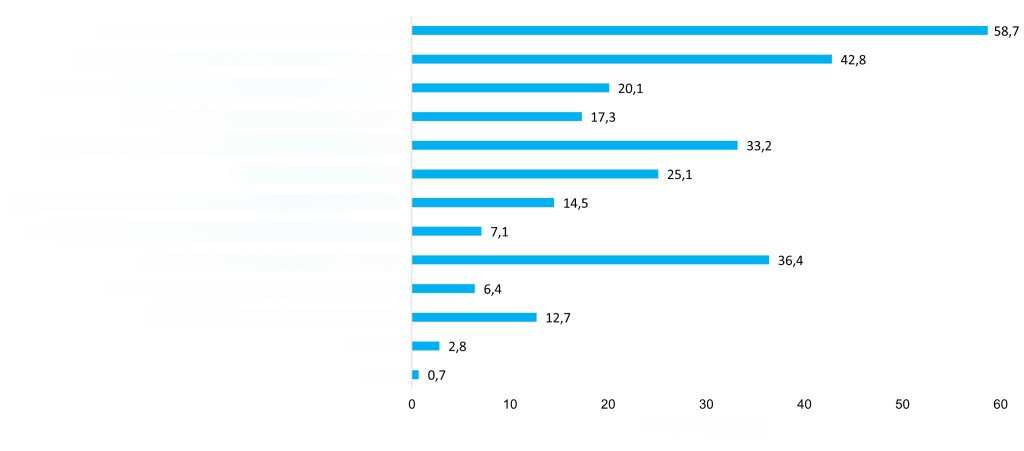
According to Gonçalves[15], new technologies will always provoke changes in the organization’s social environment, as it is not possible to think of technology without imagining some innovation. This work also sought to understand the main reasons that influenced the respondents’ companies, from their perspectives, to use the new 4.0 technologies (Figure 10).
Source: Original research results.
For respondents and collaborators, among the main reasons are: i) profit increase and cost reduction (58.7%); ii) lean production and process improvement (42.8%); and iii) productivity and performance increase (36.4%).
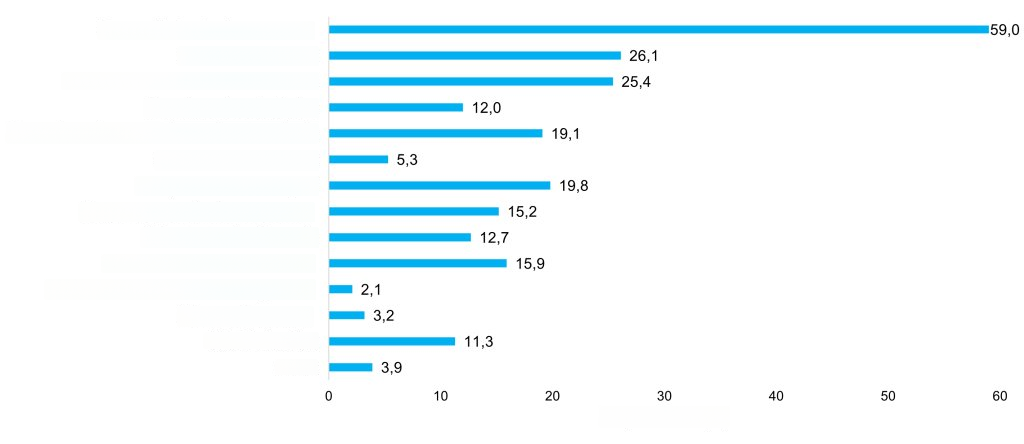
According to IBM[16], Industry 4.0 is synonymous with smart manufacturing. This term represents the digital transformation in the sector, applicable to all types of industries. Based on this, we sought to investigate the main challenges that, according to the respondents, limit their companies from using Industry 4.0 technologies (Figure 11).
Source: Original research results.
The use of new technologies in the corporate environment, according to the survey respondents, generates positive experiences for professionals and companies (Table 1).
Table 1. Positive experiences using Industry 4.0 technologies in the corporate environment (283 respondents)
| Category | Quantity | Corresponding response groups |
| Process automation | 34 | They allow process automation; They facilitate communication and data sharing between areas; Automation tools for sending email marketing and scheduling social media posts; Robot automation in processes; Home automation. |
| Dashboards, Power BI and mind maps | 12 | Assertive decision-making; Automated reports with Power BI; Data management, Power BI and dashboards as essential tools in decision-making. |
| Work Agility | 9 | Work faster, more reliably, and enabling the creation of insights; Technology with greater access to information, which provides more efficiency, agility, and cost reduction for the manufacturing processes of the most varied sizes and segments; Time management and communication tools that help in the execution of activities; Artificial intelligence to facilitate the execution of activities. |
| Collaboration | 2 | They collaborate with startups in Machine Vision, regenerative technologies (especially for waste), machine learning technologies, generative AI, process automation, among others. Examples of these technologies include: Meta glasses, Machine Learning on LMS platforms, cloud applications, applications that automate, Virtual Reality (VR) and Augmented Reality (AR). |
The agility of work was one of the most described categories by the research participants. For the respondents, these technologies mean faster, more reliable work that enables the creation of insights. According to Andrade et al.[17], technologies such as big data, artificial intelligence, and machine learning can contribute to work agility, and are considered a prerequisite for organizations to participate in competitive games and improve their employees’ activities in a digital platform ecosystem. According to Noronha et al.[18], process automation is linked to the development of new business models and the generation of market advantages.
The Power BI — a unified and scalable system developed by Microsoft for “Business Intelligence [BI] [19] ”— was also widely cited by respondents. According to Gartner[20], Power BI includes 12 basic features: automated insights; analytical catalog; data preparation; data source connectivity; data story; data visualization; governance; natural language query; reports; data science integration; metric storage; and collaboration.
The use of new technologies in the corporate environment also results in negative experiences, as described by the survey respondents (Table 2).
Table 2. Negative experiences described by respondents when using Industry 4.0 technologies in the corporate environment (283 responses)
| Category | Quantity | Corresponding response groups |
| Organizational culture | 6 | Digital transformation is not well received by some collaborators, who feel replaceable – difficulty in adopting new technologies and cultural resistance; The dependence on these technologies resulted in submission, that is, when they fail, processes are paralyzed and/or take too long to follow the flow. |
| Cost increase | 6 | New technologies have caused an increase in costs for companies – migration to the cloud is costly and time-consuming; Equipment with a high degree of sophistication and high cost for applications that require less complexity;Complex software and cutting-edge technology; |
| Technological lag | 6 | Dependence on the Information Technology team;Outdated technologies do not keep up with recent advances in the sector;Lack of communication at the time of implementation. |
For the MIT Technology Review[21], a sense of belonging, engagement, turnover, and diversity are crucial factors for improving negative experiences. Therefore, it is seen as necessary for organizations to develop a collaborative and transformation-oriented culture, which enables the development of innovations linked to new technologies[22].
Technological lag can impact the employee experience, besides being a crucial problem for an organization. Some negative examples of the use of Industry 4.0 technologies in the corporate environment are: production bottlenecks (obsolete equipment); employee complaints (dissatisfaction); more expensive energy (old equipment); outdated technologies (employee experience); digital security (outdated security systems); more frequent maintenance (old equipment); slow productivity; among others[23].
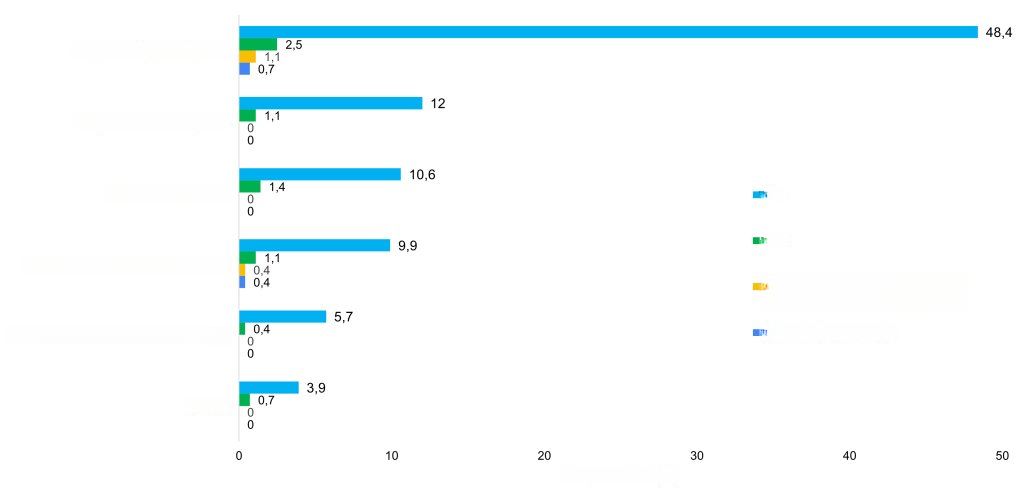
In Figure 12, it is possible to verify the use of new Industry 4.0 technologies by comparing the responses given by professionals from organizations of different sizes.
Source: Original research results.
Regarding the use of Industry 4.0 technologies at work, the following result was obtained from respondents: 48.4% large companies; 12% medium-sized companies; 10.6% micro-enterprises; 9.9% small companies; 5.7% individual micro-entrepreneurs (MEI); and 3.9% other types. On the other hand, 2.5% of respondents from large companies and 1.4% from micro-enterprises stated they had not used new technologies at work. The remainder represents numbers between 1% and zero.
This study had the following specific objectives: to identify the frequency with which people use the new Industry 4.0 technologies in their daily work; to investigate the main technologies used; and to understand the influence of these technologies on employees and their respective organizations.
The main technologies evidenced were: mobility; internet; connectivity; data technology; cybersecurity; AI; and IoT. These technologies, moreover, extrapolate the corporate environment, being used personally in the participants’ homes.
It was concluded that the new technologies of Industry 4.0 significantly improve work performance and the corporate environment itself, ensuring greater agility, process automation, and productivity. However, price, budget limitations, technological support, and employee resistance are the main challenges in their use.
References
[1] Almeida, P.S. 2019. Indústria 4.0: princípios básicos, aplicabilidade e implantação na área industrial. Editora Érica, São Paulo, SP, Brasil.
[2] Schumpeter, J.A. 1961. Capitalismo, socialismo e democracia. Editora Fundo de Cultura, Rio de Janeiro, RJ, Brasil.
[3] Instituto Brasil Digital (IBD). 2023. Experiências em inovação e transformação digital. Disponível em: https://institutobrasildigital.org.br/biblioteca/tecnologias_digitais_habilitadoras_v01. Acesso em: 08 ago. 2023.
[4] Agência Brasileira de Desenvolvimento Industrial (ABDI). 2021. Maturidade digital das MPEs brasileiras. Disponível em: https://api.abdi.com.br/file-manager/upload/files/Mapa_da_Digitaliza%C3%A7%C3%A3o_das_MPEs_Brasileiras__1___1_.pdf. Acesso em: 23 ago. 2023.
[5] Kotler, P.; Kartajaya, H.; Setiawan, I. 2021. Marketing 5.0: Tecnologia para a humanidade. Editora Sextante, Rio de Janeiro, RJ, Brasil.
[6] Gil, A.C. 2002. Como elaborar projetos de pesquisa. 4ed. Editora Atlas, São Paulo, SP, Brasil.
[7] Serviço Brasileiro de Apoio às Micro e Pequenas Empresas (SEBRAE). 2012. Anuário do trabalho na Micro e Pequena Empresa 2013. Disponível em: www.sebrae.com.br/Sebrae/Portal%20Sebrae/Anexos/Anuario%20do%20Trabalho%20Na%20Micro%20e%20Pequena%20Empresa_2013.pdf. Acesso em: 23 ago. 2023.
[8] Carvalho, R.Q.; Queiroz, S. 2005. Empresas multinacionais e inovação tecnológica no Brasil. São Paulo em Perspectiva 19(2). https://doi.org/10.1590/S0102-88392005000200005
[9] IBGE. Indicadores IBGE: Pesquisa nacional por amostra de domicílios contínua. Primeiro trimestre de 2022: jan-mar. 2022. 1-53. Disponível em: https://ftp.ibge.gov.br/Trabalho_e_Rendimento/Pesquisa_Nacional_por_Amostra_de_Domicilios_continua/Trimestral/Fasciculos_Indicadores_IBGE/2022/pnadc_202201_trimestre_caderno.pdf. Acesso em: 11 set. 2023.
[10] Laboratório de Sistemas Integráveis Tecnológico (LSI-TEC). Indústria 4.0. 2023. Disponível em: https://www.lsitec.org.br/areas-de-atuacao/industria-4-0. Acesso em: 09 set. 2023.
[11] Universidade de São Paulo (USP). DNA USP. 2023. Disponível em: https://www.inovacao.usp.br/dnausp. Acesso em: 09 set. 2023.
[12] Storck, C.R.; Sales, E.A.; Zárate, L.E.; Figueiredo, F.L.P. 2017. Proposta de um framework baseado em mineração de dados para redes 5G. Revista Eletrônica de Sistemas de Informação 16(2): 1-16. https://doi.org/10.21529/RESI.2017.1602002
[13] Sharwood, S. 2023. Metaverses are flopping – hard – says Gartner. The Register. Disponível em: https://www.theregister.com/2023/06/28/metaverse_adoption_slow_gartner. Acesso em: 01 set. 2023.
[14] Ministério da Ciência, Tecnologia, Inovações e Comunicações (MCTIC). Estratégia brasileira de redes de quinta geração (5G). Versão: 25 jun. 2019: 1-36. Disponível em: https://antigo.mctic.gov.br/mctic/export/sites/institucional/sessaoPublica/arquivos/estrategia5g/Documento-base-da-Estrategia-Brasileira-de-5G.pdf.
[15] Gonçalves, J.E.L. 1994. Os impactos das novas tecnologias nas empresas prestadoras de serviços. Revista de Administração de Empresas 34(1): 63-81.
[16] IBM. O que é automação de processos robóticos (RPA)? 2023. Disponível em: https://www.ibm.com/br-pt/topics/rpa?mhsrc=ibmsearch_a&mhq=automa%26ccedil%3B%26atilde%3Bo%20de%20processos. Acesso em: 09 set. 2023.
[17] Andrade, C.R.D.; Gonçalo, C.R.; Santos, A.M. 2022. Transformação digital com agilidade: a emergente capacidade dinâmica de serviços complementares. RAM 23(6) 1-48. https://doi.org/10.1590/1678-6971/eRAMD220063.pt
[18] Noronha, M.E.S.; Hayashi, V.T.; Silva, L.O.E.; Lima, M.N. 2022. A vantagem competitiva das empresas cleantechs e o desenvolvimento de capacidades dinâmicas utilizando internet das coisas. Revista Eletrônica de Administração [REAd] 28(2): 455-486.
[19] Microsoft. O que é o Power BI? 2023. Disponível em: https://powerbi.microsoft.com/pt-br/what-is-power-bi. Acesso em: 09 set. 2023.
[20] Gartner. Magic quadrant for analytics and business intelligence platforms. 2023. Disponível em: https://www.gartner.com/doc/reprints?id=1-2CF2LJQ8&ct=230130&st=sb. Acesso em: 09 de set. 2023.
[21] Gomes, T. 2023. Como a tecnologia pode fortalecer a cultura organizacional em empresas de alto crescimento. MIT Technology Review. Disponível em: https://mittechreview.com.br/como-a-tecnologia-pode-fortalecer-a-cultura-organizacional-em-empresas-de-alto-crescimento. Acesso em: 11 set. 2023.
[22] Positivo. Barreiras da inovação: quais são as principais e como vencê-las? 2020. Disponível em: https://www.meupositivo.com.br/panoramapositivo/barreiras-da-inovacao. Acesso em: 11 set. 2023.
[23] Positivo Tecnologia. 2017.Quanto a defasagem tecnológica pode custar para a sua empresa? Disponível em: https://www.meupositivo.com.br/panoramapositivo/defasagem-tecnologica. Acesso em: 11 set. 2023.
How to cite
Silva. R.A.; Romagnolo D.F; New technologies of Industry 4.0 in the corporate environment. E&S Journal. 2024; 5: e20240024.
 Rodrigo Augusto da Silva – Specialist in Marketing and Digital Business. São Caetano do Sul, São Paulo, Brazil.
Dayane Freire Romagnolo – Advisor Professor – Institute of Continuing Education and Research in Business Economics and Management – Pecege. Rua Cezira Giovanoni Moretti, 580 – Santa Rosa – Postal Code: 13414-157 – Piracicaba/SP, Brazil.