
Strategy
People Management
Human Resources
July 22, 2024
Employee Experience and its importance in the area of people management
DOI: 10.22167/2675-6528-20240044
E&S 2024, 5: e202400044
Luis Humberto Cortes Reyes e Adriana Villanova de Almeida
Some time ago, people stopped being considered resources within the organizational environment. New terms emerged and gained relevance, such as human development, talent management, and intellectual capital, and as companies achieved similar levels of production and quality, people became an important asset, capable of promoting competitive advantage.
The definition that people are assets within a company mainly considers that companies become more productive when they focus on the care of their employees, whether in the psychological, social, or professional sphere[1]. For Stewart[2], intellectual capital is the knowledge existing in a company, which can be used to create a competitive advantage.
Reis and Braga[3] define that the new generation of professionals promotes adjustments in people management practices, especially in talent recruitment and retention processes, which continues to collaborate with the emergence of new concepts, such as Employee Experience (EX), or “Collaborator Experience” in Portuguese. The practice is based on Customer Experience (CX), or “customer experience” in Portuguese, originating from the marketing area.
EX is a methodology that aims to provide positive experiences to the employee in all their micro-moments, such as recruitment and selection, onboarding, training, and performance evaluation, for example[4]. For Mayleet and Wride[5], EX is the set of all employee interactions with the organizations they work for. The methodology is not limited to the act of creating an environment where people need to work, but aims to give this environment a climate where they want and like to be, where they have adequate tools and in which they can develop[6]. For Reis and Braga[3], concepts originating from marketing, such as EX or Employer Branding (EB) — “Employer Brand” in Portuguese —, emerge due to high competitiveness in the search for talent and help in the reputation and valorization of organizations’ brands in the market.
An EX strategy implemented goes far beyond the concept of generating a positive experience for its employees. For Morgan[7], it also influences the final customer experience and the company’s profit. According to the author’s research, conducted with more than 250 companies, organizations that invest in the EX process have four times more profit than those that do not promote this strategy.
According to a 2021 study by The Josh Bersin Company of 982 companies, companies that use EX correctly are 2.2 times more likely to exceed financial targets; 2.4 times more likely to delight consumers; 4.3 times more likely to innovate efficiently; and 5.1 times more likely to create a sense of belonging and engage and retain talent[8].
In this context, leadership plays an important role in supporting and endorsing the EX strategy. A survey conducted by Deloitte in 2017[9] with more than 10,000 Human Resources (HR) leaders worldwide showed that 80% of executives considered EX practices important or very important. Despite this, 59% of them also responded that they did not feel ready or were poorly equipped to face the challenge of employee experience.
Latin America is at the top of the regions that consider EX important or very important within HR strategies worldwide, with Brazil leading the same ranking among more than 62 countries surveyed. Despite this, national market initiatives or local case studies are little known. Morgan[7] reinforces that only 10% of global companies put EX strategies into practice.
Within this context, the objective of this research was to map the importance of EX actions from the perspective of HR professionals, also capturing possible barriers to their implementation. The method defined for data collection was a survey conducted using a questionnaire with 22 multiple-choice and Likert Scale questions, a format widely used in research to measure respondents’ attitudes, opinions, or perceptions on a given subject. In this case, the method was adopted to understand the participants’ agreement or disagreement with the practices of different EX initiatives.
The questionnaire was developed with a quantitative approach, of a descriptive and exploratory nature, with primary data, to understand which initiatives were most adopted in the Brazilian market. Descriptive studies seek to identify social representations and the profile of individuals and groups, in addition to identifying structures, forms, functions, and contents. Exploratory studies can help in familiarizing with the topic addressed, providing new perceptions and ideas[11].
The participants in this study were human resources and communication professionals, leaders or not, from different sectors and segments, with prior knowledge of the topic addressed. The form used for data collection had four sessions, namely: (1) respondent profile and mapping; (2) questions about the physical environment; (3) questions about the cultural environment; and (4) questions about the tools of the technological environment.
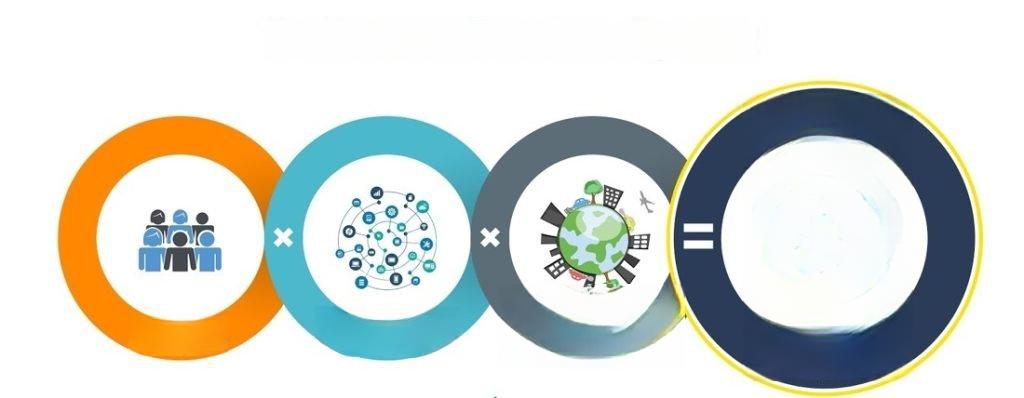
The questions from sessions 2, 3, and 4 were created based on the Employee Experience Equation, by Morgan[7] (Figure 1).
Figure 1. The Employee Experience equation
Source: Jacob Morgan[7].
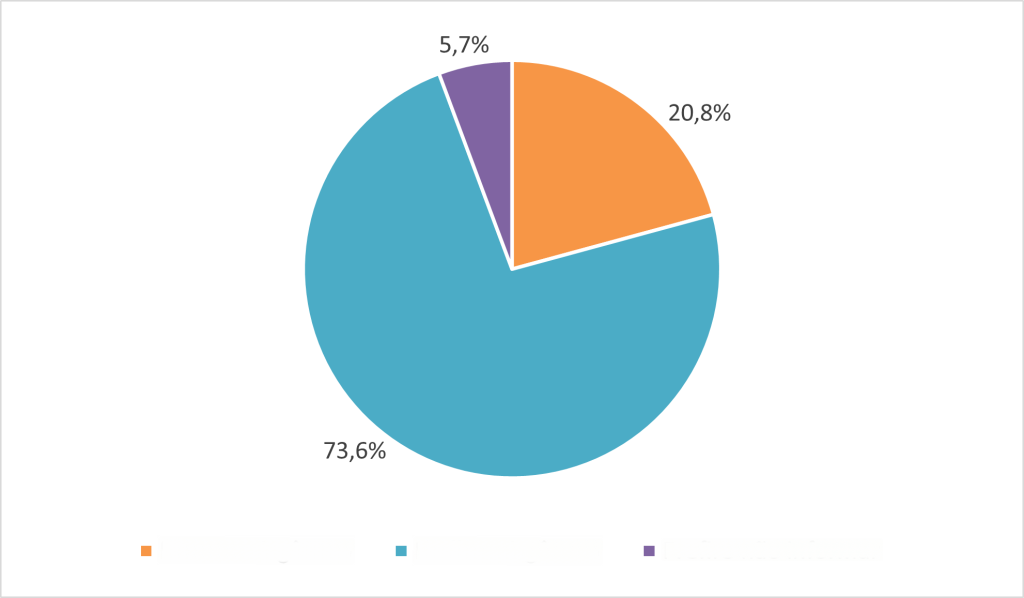
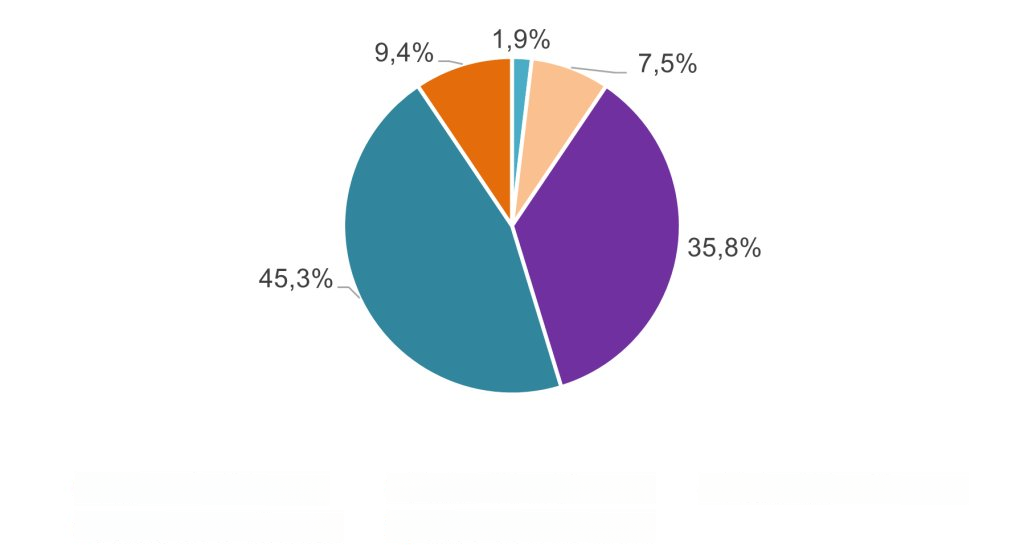
In section 1, “Profile and mapping”, it was found that more than 73% of respondents were women (Figure 2) and that just over 45% were between 36 and 45 years old (Figure 3). According to a 2017 survey published by the Brazilian Association of Human Resources[12], Brazil had about 111,000 professionals working in the field that year, with just over 75% of them being women.
Figure 2. Gender of respondents
Source: Original research results.
Figure 3. Age of respondents
Source: Original research results.
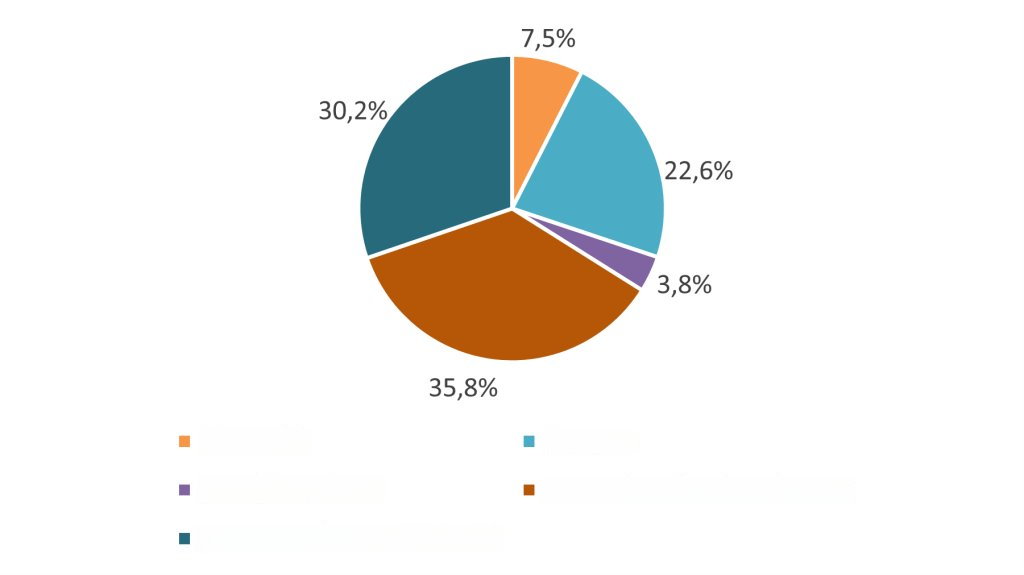
The majority of the participants in this questionnaire (64%) occupied leadership levels, distributed across presidency, executive board, management, coordination, and supervision (Figure 4). It was, therefore, an important sample, since a company’s culture depends mainly on the performance of leadership[4].
According to a survey conducted by the IBM Smarter Workforce Institute[13], it is leaders who can effectively direct efforts to generate a more positive employee experience.
Figure 4. Hierarchical level of respondents
Source: Original research results.
More than 20 market sectors were represented in this collection; of these, technology and civil construction were the most present segments, with 18.8% and 9.4% respectively (Table 1).
Table 1. All research participants segments
| Segments | Quantity per sector | Percentage (%) |
| Third sector – non-governmental organizations | 1 | 1,8% |
| Agribusiness | 3 | 5,6% |
| Food | 1 | 1,8% |
| Automotive | 1 | 1,8% |
| Aviation | 1 | 1,8% |
| Beauty and aesthetics | 1 | 1,8% |
| Customer service center with 100% women and mothers | 1 | 1,8% |
| Civil construction | 5 | 9,4% |
| Accounting | 1 | 1,8% |
| Education | 1 | 1,8% |
| Energy | 3 | 5,6% |
| Pharmacist | 1 | 1,8% |
| Hospital | 2 | 3,7% |
| Hospitality | 1 | 1,8% |
| Logistics | 2 | 3,7% |
| Financial market | 4 | 7,5% |
| Paper, cell., publisher | 1 | 1,8% |
| Chemistry | 1 | 1,8% |
| Health | 3 | 5,6% |
| Insurance | 3 | 5,6% |
| Public service | 1 | 1,8% |
| Services | 1 | 1,8% |
| Technology | 10 | 18,8% |
| Telecommunications | 1 | 1,8% |
| Transport | 1 | 1,8% |
| Retail | 2 | 3,7% |
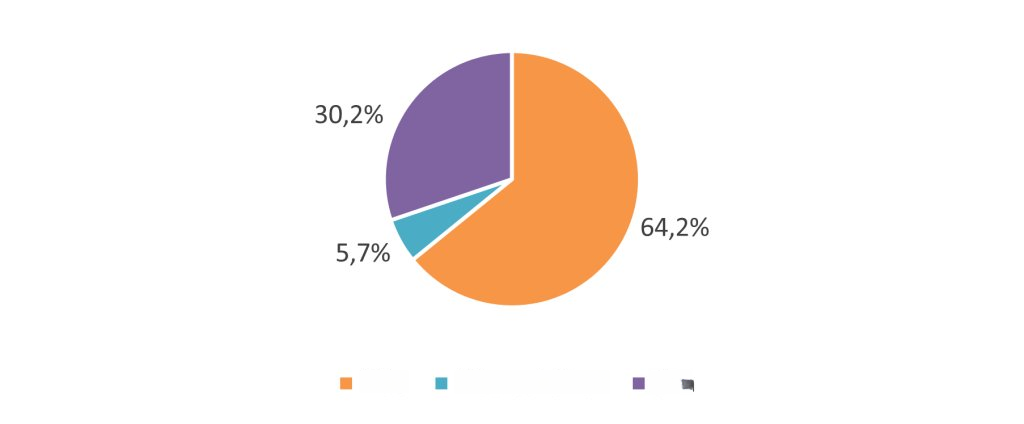
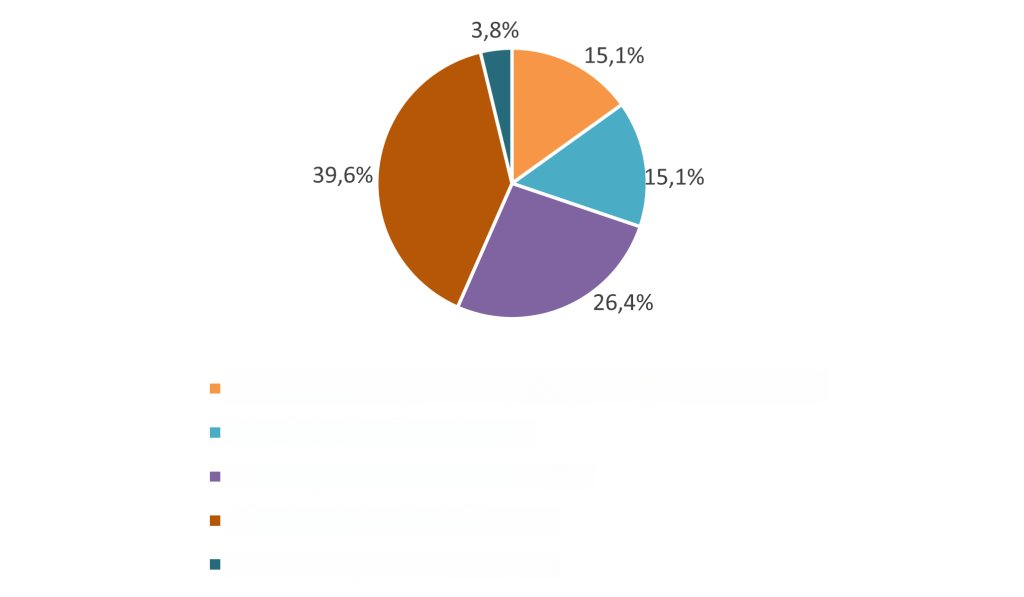
Still in section 1, more than 64% of respondents stated that their companies did not yet have the EX process implemented (Figure 5), citing “lack of leadership prioritization” (39.6%) and “lack of dedicated personnel for the topic” (26.4%) as the main barriers to the implementation or improvement of this strategy (Figure 6). Such data reinforced the information from Deloitte’s “Global Human Capital Trends” survey[9], conducted with over 10,000 leaders in 140 countries in 2017, in which 59% of respondents said they did not feel ready for the challenge of employee experience.
Figure 5. Does your company have the Employee Experience process implemented?
Source: Original research results.
Figure 6. In your opinion, what is the main barrier to improving and/or implementing Employee Experience in companies?
Source: Original research results.
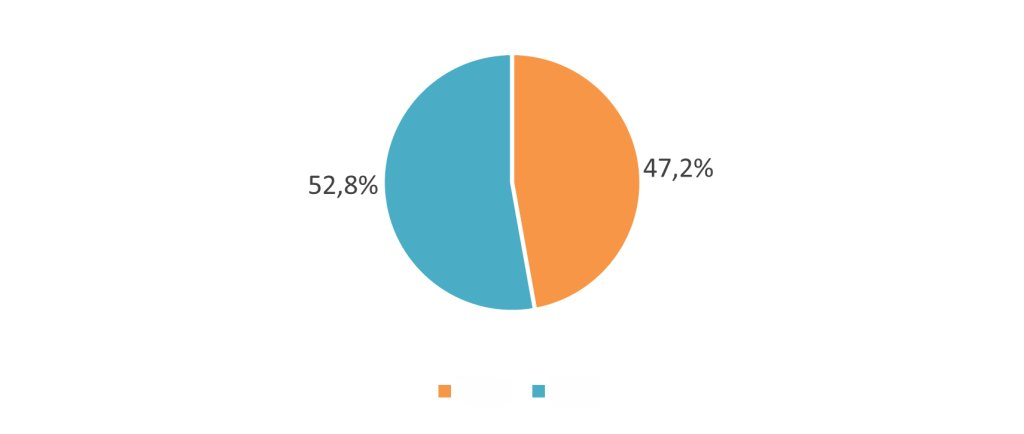
However, through the research it was possible to perceive indications that companies were seeking a better understanding and/or evaluation of the employee journey, since more than 52% of participants said that the organizations to which they belonged carried out some type of mapping between recruitment and termination through satisfaction and climate surveys, among others (Figure 7).
Figure 7. Does your company map the employee journey?
Source: Original research results.
According to Morgan[7], evaluating the satisfaction and performance of processes from the employee’s point of view is fundamental to the success of any EX strategy. For the author, this evaluation is a relevant moment with many nuances, which shows the importance of studies in partnership with other areas, such as People Analytics, an area that collects, analyzes, and interprets data to improve employee management, positively raising the quality of decisions made.
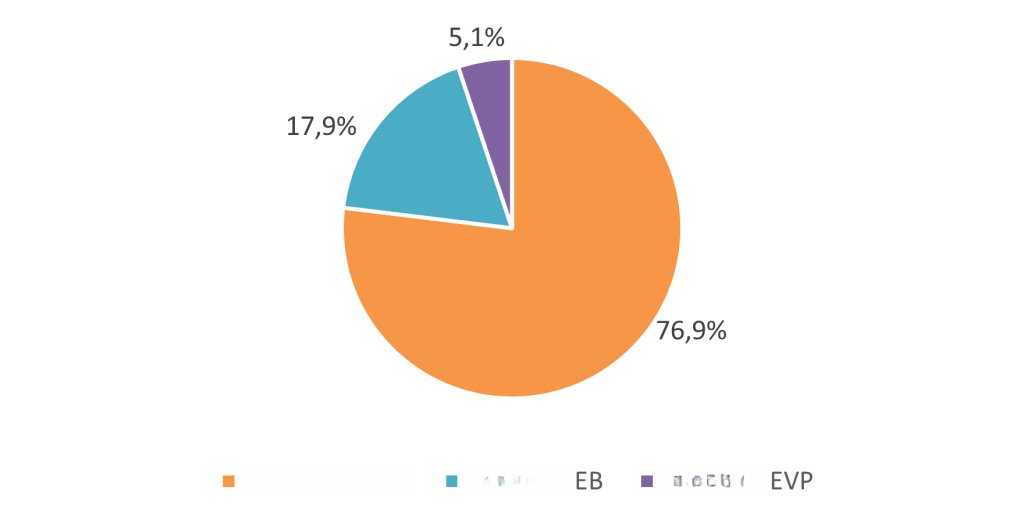
This study showed opportunities for implementing branding strategies focused on talent attraction and retention. Around 77% of respondents commented that no work involving EB and Employee Value Proposition (EVP) processes was being done in their companies (Figure 8). This scenario can directly affect the company’s reputation, since, for Morgan[7], EX strategies can increase brand perception value by up to seven times through EB.
Figure 8. Does your company also work with Employee Value Proposition (EVP) and Employer Branding (EB) processes?
Source: Original research results.
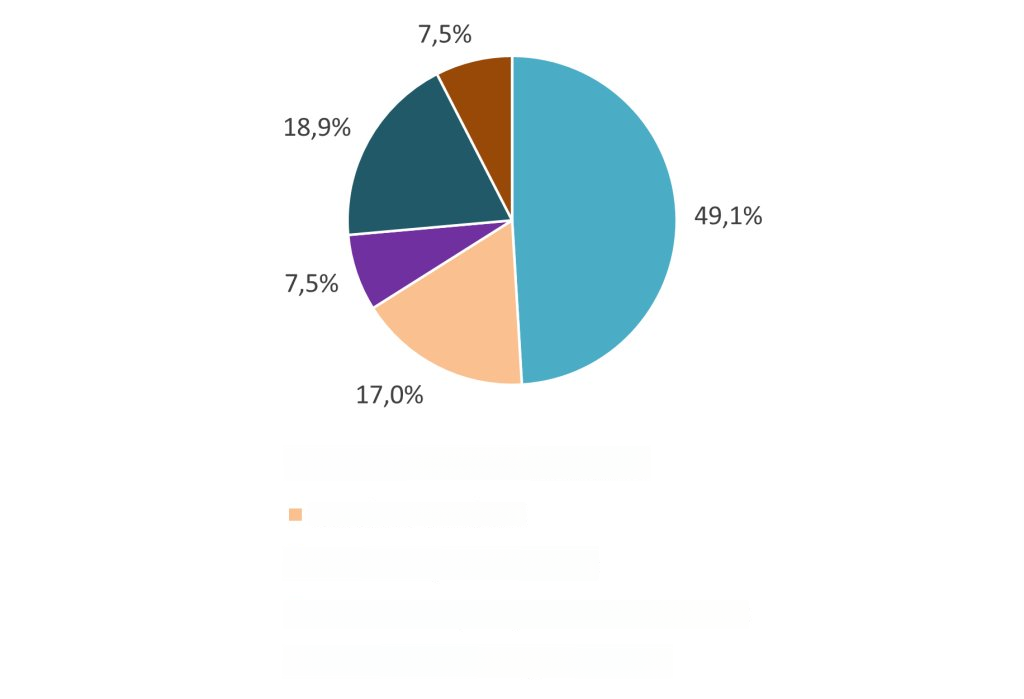
In the opinion of 49.1% of participants, investing in EX mainly impacts talent attraction and retention; for almost 19% of respondents, the gain is focused on “reputation and brand” (Figure 9). This data was aligned with a survey conducted by LinkedIn with over 70,000 leaders in 35 countries, in which 77% of respondents stated that they focused their efforts on EX with a clear expectation of mainly improving their talent retention[14].
Figure 9. In your opinion, investing in EX mainly impacts…
Source: Original research results.
Among sections 2, 3, and 4, the pillar perceived most positively by respondents was the cultural environment (section 3), with the highest highlights being initiatives focused on health and well-being (agree: 26%; strongly agree: 34%), as shown in Table 2. Equal treatment and appreciation of professionals also had a positive perception (agree: 36%; strongly agree: 25%), according to Table 3. Finally, another positive point was observed in the diversity and inclusion aspect, with 28% of “agree” and 26% of “strongly agree” (Table 4).
Table 2. Does the company you work for invest in well-being (physical and mental health)?
| Response options | Respondents | Percentage (%) |
| I totally disagree | 5 | 9% |
| I disagree | 6 | 11% |
| Neutral | 10 | 19% |
| I agree | 14 | 26% |
| I totally agree | 18 | 34% |
Table 3. Are all employees treated fairly and valued?
| Response options | Respondents | Percentage (%) |
| I totally disagree | 3 | 6% |
| I disagree | 9 | 17% |
| Neutral | 9 | 17% |
| I agree | 19 | 36% |
| I totally agree | 13 | 25% |
Table 4. Do you feel that the company you work for is diverse and inclusive?
| Response options | Respondents | Percentage (%) |
| I totally disagree | 6 | 11% |
| I disagree | 7 | 13% |
| Neutral | 11 | 21% |
| I agree | 15 | 28% |
| I totally agree | 14 | 26% |
This scenario connects with the expectations of the more than 14,000 professionals surveyed in nine countries during the COVID-19 pandemic, through the IBM “What Employees Expect” survey[15], whose participants defined “work-life balance” as the main attribute needed to engage employees, with 51% (aligned with health and well-being), “career and opportunities” and “continuous learning”, with 43% and 36% respectively, both aligned with the professional’s appreciation. Concern for the quality of life of employees inside and outside the company is one of the trends that should shape business sustainability policies from now on, gaining increasing relevance in companies’ strategies[16].
For Morgan[7], the so-called cultural environment represents 40% of the overall employee experience in the EX strategy, being the most important within the Employee Experience Equation (Figure 1); this environment will determine how the professional’s entire journey within a company will be oriented, potentially energizing or draining them, engaging or exhausting them. Nevertheless, the research also showed the cultural environment as one of the highest neutral points (Table 5), with 34% of respondents not knowing whether their company’s purposes were understood by everyone.
Table 5. Do you believe that the purpose of the company you work for is understood by all employees?
| Response options | Respondents | Percentage (%) |
| I totally disagree | 3 | 6% |
| I disagree | 3 | 6% |
| Neutral | 18 | 34% |
| I agree | 13 | 25% |
| I totally agree | 16 | 30% |
The purpose of a company is one of the most important foundations for the success of the EX strategy. A clear and well-defined purpose can provide several essential benefits for the creation of high-performance teams and, consequently, for the company’s productivity.[4].
In turn, the physical environment (section 2) presented the highest negative perceptions in two questions. The first regarding inviting friends and family to visit their workplace (disagree 21% and totally disagree 32%), according to Table 6. Next, regarding flexible or remote work (disagree 19% and totally disagree 26%), according to Table 7. Inviting friends and/or family to the company is a strategy that impacts pride and belonging, generating employee engagement[7].
Table 6. In your company, can you invite friends and/or family members to visit your workplace?
| Response options | Respondents | Percentage (%) |
| I totally disagree | 17 | 32% |
| I disagree | 11 | 21% |
| Neutral | 11 | 21% |
| I agree | 5 | 9% |
| I totally agree | 9 | 17% |
Table 7. Does your company allow flexible work for all employees? Consider working on your own schedule and wherever you want, for example at home, restaurants, cafes, etc.
| Response options | Respondents | Percentage (%) |
| I totally disagree | 10 | 19% |
| I disagree | 14 | 26% |
| Neutral | 10 | 19% |
| I agree | 9 | 17% |
| I totally agree | 10 | 19% |
The physical environment, which represents 30% of the employee experience in the EX[7] equation, is responsible for workplace pride. Performing the role remotely falls within this context, as the more flexibility and trust the company generates, the greater the productivity and satisfaction of collaborators will be, and consequently, the lower the cost; employee happiness also tends to increase[6].
When discussing organizational change management, the technological environment is one of the most important topics, capable not only of driving and enabling transformations but also of informing, predicting, and directing. In section 4, for example, a positive viewpoint was observed regarding the availability and usability of the tools offered by companies to their employees. However, when the subject is technology, the focus should not be solely on systems, but primarily on people — which is emphasized by the fact that this environment represents 30% of the overall employee experience in the EX equation[7].
There are countless possibilities in the technological aspect. According to the report “Digital HR: Platforms, People and Work”, from 2017[10], HR leaders who use new technologies to their advantage will be positioned to ensure a positive impact on business results and employee experience.
The professionals participating in this research evaluated EX as an important process within HR, revealing the perception that the use of this strategy not only impacts the employee experience but also generates business results and considerably improves brand perception and reputation, demonstrating itself to be a powerful and valuable talent attraction and retention strategy.
However, challenges were found for its implementation, such as the lack of leadership support, which is one of the critical points for the evolution of EX strategies. This scenario, still with many barriers, may be induced by the scarcity of dissemination of success cases in the national market. New
studies, containing a larger number of respondents and primarily exploring tangible results on the connection between EVP, EB, and EX, can generate more robust perspectives to further add value to brand perception and reputation processes and collaborate in future EX implementation decisions.
References
[1] Kaufman B.E. The Development of HRM in Historical and International Perspective. In: Boxall P.; Purcell J.; Wright P.M. (eds.). The Oxford Handbook of Human Resource Management. Oxford: Oxford University Press. 2007. p. 19-47.
[2] Stewart T.A. Capital intelectual: a nova vantagem competitiva das empresas. Rio de Janeiro (RJ): Elsevier; 1998.
[3] Reis G.G.; Braga B.M. Employer attractiveness from a generational perspective: Implications for employer branding. RAUSP Management Journal. 2016; (51)1: 103-116. Disponível em: http://www.spell.org.br/documentos/ver/40137. Acesso em: 04 ago. 2022.
[4] Madruga R. Employee Experience, Gestão de Pessoas e Cultura Organizacional. São Paulo: Atlas; 2021.
[5] Maylett T.; Wride M. The Employee Experience: How to Attract Talent, Retain Top Performers, and Drive Results. Nova York: Wiley; 2017.
[6] Morgan J. The Future of Work: Attract New Talent, Build Better Leaders, and Create a Competitive Organization. Nova York: Wiley; 2014.
[7] Morgan J. Employee Experience Advantage. Nova York: Wiley; 2017.
[8] The Josh Bersin Company. Secrets To Employee Experience: The Definitive Guide Launches Today. 2021. Disponível em: https://joshbersin.com/2021/07/secrets-to-employee-experience-the-definitive-guide-launches-today/. Acesso em: 8 mai. 2022.
[9] Deloitte University Press. Deloitte Global Human Capital Trends – Rewriting the rules for the digital age. 2017. Disponível em: https://www2.deloitte.com/content/dam/Deloitte/global/Documents/HumanCapital/hc-2017-global-human-capital-trends- gx.pdf. Acesso em: 07 maio 2022.
[10] Deloitte Global Human Capital Trends – Digital HR: Platforms, people, and work. 2017. Disponível em: https://www.deloitte. com/global/en/our-thinking/insights/topics/talent/human-capital-trends/digital-transformation-in-hr.html. Acesso em: 27 maio 2024.
[11] Manzato A.J.; Santos A.B. Elaboração de Questionários na Pesquisa Quantitativa. Departamento de Ciência de Computação e Estatística da Universidade Estadual Paulista “Júlio de Mesquita Filho” (Unesp), Ribeirão Preto, Brasil. Disponível em:
<http://www.inf.ufsc.br/~vera.carmo/Ensino_2012_1/ELABORACAO_QUESTIONARIOS_PESQUISA_QUANTITATIVA.pdf>. Acesso em: 04 ago. 2022.
[12] Associação Brasileira de Recursos Humanos. Mulheres são maioria na área de RH e ocupam cada vez mais espaço no mercado. 2017. Disponível em: https://www.abrhrs.org.br/noticia/mulheres-sao-maioria-na-area-de-rh-e-ocupam-cada- vez-mais-espaco-no-mercado. Acesso em: 05 out. 2022.
[13] IBM Smarter Workforce Institute – Workhuman Analytics & Research Institute.The Financial Impact of a Positive Employee Experience. 2018. Disponível em: https://www.ibm.com/downloads/cas/XEY1K26O. Acesso em: 07 abr. 2022.
[14] Linkedin Talent Solutions. Global Recruiting Trends 2017. 2016. Disponível em: https://business.linkedin.com/content/dam/ me/business/en-us/talent-solutions/resources/pdfs/linkedin-global-recruiting-trends-report.pdf. Acesso em: 7 abr. 2022.
[15] IBM Institute for Business Value. What employees expect in 2021: Engaging talent in the shadow of COVID. 2021. Disponível em: https://www.ibm.com/downloads/cas/5BWJYEKZ. Acesso em: 26 set. 2022.
[16] Você RH. 5 tendências do mundo do trabalho. 2022. Disponível em: https://vocerh.abril.com.br/futurodotrabalho/5-tendencias-do-mundo-do-trabalho/. Acesso em: 26 set. 2022.
How to cite
Reyes L.H.C.; Almeida A.V.; Employee Experience and its importance in the area of people management. E&S Journal. 2024; 5: e20230044.
About the authors
Luis Humberto Cortes Reyes  – EX People Consultancy – Internal Communications and Employee Experience Manager – 20 Margaret Drive – 149312 – Singapore
Adriana Villanova de Almeida – Supervising Professor – Institute of Research and Continuing Education in Economics and Business Management – Pecege – Rua Cezira Giovanoni Moretti, 580 – Santa Rosa – Postal Code: 13414-157 – Piracicaba/SP, Brazil