
Employer Branding
Strategy
People Management
Talent Retention
September 18, 2024
The employer branding as a tool for attracting and retaining talent.
DOI: 10.22167/2675-6528-20240026
E&S 2024, 5: e202400026
Samara Moreira Miguel Cardoso Rocha; Murilo Henrique Tank Fortunato
The employer branding, or employer brand, involves the construction and management of a company’s image and reputation regarding its values and purposes as an employer, with the objective of positively influencing the perception of candidates and current employees, as cited by Clavery[1]. This reputation is built over time, through various strategies and the perception of current and former employees, who create a positive image of the organization. According to Brum[2], employer branding also encompasses how the company wants to be recognized by its future employees and what experiences they will have within the organization; this concept, therefore, moves away from the marketing view that looks outward to its customers and shifts to an internal view. Thus, the effective implementation of employer branding can directly impact the talent attraction process, as the candidate has the option to choose the place with which they most identify to work.
In today’s increasingly competitive business landscape, the search for qualified and engaged talent is more intense than ever, requiring companies to adopt innovative strategies to differentiate themselves in the market. In this context, employer branding has become a crucial element of human resources strategies, aiming not only to attract talent but also to create a strong emotional and cultural connection between the company and its employees. Clavery[1] highlights that it is essential to consider the complete employee journey within the company, from attraction to retention, encompassing all processes, from onboarding, development, and even departure.
The term employer branding was first used in the 1990s, in an article published by Ambler and Barrow[3]. Since then, organizations have increasingly shown interest in developing strategies to establish their employer brand[4].
Several tools can be used to apply employer branding strategies, including the EVP (Employee Value Proposition), or Employee Value Proposition, which seeks alignment between the institutional profile and the employees’ own characteristics. According to Clavery[1], the EVP was created to understand what motivates a candidate to identify with a company and decide to stay in it, and refers to a unique set of benefits, rewards, and opportunities that an organization offers its employees. To develop a robust employee value proposition, it is essential to identify and communicate the factors that make the company unique and attractive to employees. This includes both tangible elements, such as competitive compensation, an attractive benefits package, and professional growth opportunities, as well as intangible aspects, such as organizational culture, values, company mission, and work environment[4].The main points about EVP in the context of employer branding are: identification of key elements, understanding what differentiates the company as an employer and the attributes that make it more attractive than others; authenticity and consistency, reflecting the company’s true values and culture, the consistency of what is communicated and the experience lived in the company; effective communication, clearly and attractively, through campaigns, internal messages, social media presence; talent attraction and retention, attracting employees with cultural fit, and retaining employees who feel valued and have growth opportunities[5].
The overall objective of this work was to develop and promote the employer brand of a luxury resort and, to achieve it, the following specific objectives were defined: (1) identify the best practices already applied by the company, which contributed to employee engagement; (2) create an employee value proposition (EVP) detailing the areas that needed improvement to attract and retain qualified candidates for all levels in the organization. The research primarily aimed to understand the perceptions of the resort’s employees about the elements that comprised its employer brand. This understanding was fundamental to adjust the value proposition and ensure it was aligned with the expectations and needs of the employees, thus promoting a more attractive and effective employer brand.
According to Gil[6], the main objective of a research is to find answers to a specific problem, which requires careful planning of all actions and steps of the research project. For the present study, the quantitative method was used, which is characterized by obtaining data through the application of questionnaires, allowing the collection of objective information and statistical data that can be easily tabulated[7].
The research was conducted at a luxury resort located in the interior of São Paulo. Data collection was authorized under the condition of anonymization of information, including the names of the company and its employees. The target population for the study consisted of all resort employees, totaling approximately 250 people. The choice of this approach aimed to reach the largest possible number of participants.
The data collection instrument was a structured, unvalidated questionnaire, composed of 18 closed-ended questions, 2 open-ended questions, and 1 multiple-choice question. The questionnaire was sent via a Google Forms link in the company’s WhatsApp groups.
Data collection occurred in January 2023. The questionnaire was answered by 20% of the collaborators, totaling 50 valid responses. The confidentiality of the participants’ identity was widely disseminated so that there would be no embarrassment and the research would be as faithful as possible to the company’s reality.
Regarding the profile of the research participants, among the 50 respondents, a relatively young audience was noted, with 48% under 30 years old; 30% between 31 and 40 years old; 18% between 41 and 50 years old; and only 4% between 51 and 60 years old. In relation to the participants’ level of education and training, great diversity was observed, although the majority were concentrated in complete high school education, representing 42% of respondents. This was followed by 20% with complete higher education; 16% with incomplete high school education; 10% with postgraduate studies; 6% with incomplete higher education; 4% with incomplete elementary education and 2% with complete elementary education. In general, the collaborators had been working at the company for a short time, with 46% working for less than 1 year; 30% from 1 to 2 years; 14% from 3 to 4 years and only 10% for 5 years. It is worth reinforcing that the unit surveyed has been operating in the market for a little over 5 years.
As the objective was to reach collaborators from all company departments, it was noted that participation was quite diverse in relation to sectors. With 24% of respondents, the governance sector led the survey. Followed by food and beverage with 22%; administrative and maintenance with 10% each; reception 8%; kitchen and pool with 6% each; events and SPA with 4%; adventure, monitoring, and management with 2% each. Regarding monthly family income, 28% reported having an income of up to R$ 2,000.00; 52% from R$ 2,001.00 to R$ 4,000.00; 6% from R$ 6,001.00 to R$ 8,000.00 and 14% above R$ 8,001.00.
The data analysis methodologies adopted were the creation of graphs and tables after compiling the data obtained from each participant’s responses. The data analysis aimed to understand the information collected in the survey and, regardless of how the indicators are presented, the researcher’s interpretation is also necessary[8].
In order to more clearly highlight the results obtained with the research, the theme was distributed into subtitles addressed in the research, according to the practices used by the company and the employees’ points of satisfaction.
Compensation and benefits
From the data obtained, it was observed that 82% of collaborators understand that their salary is compatible with the job market and the functions they perform (Figure 1). Although the majority are satisfied, it is important to remember that after the 1980s, salary is no longer considered the primary factor sought by collaborators, as pointed out by Clavery[1]. Therefore, it is noted that the company applies a salary in accordance with market trends.
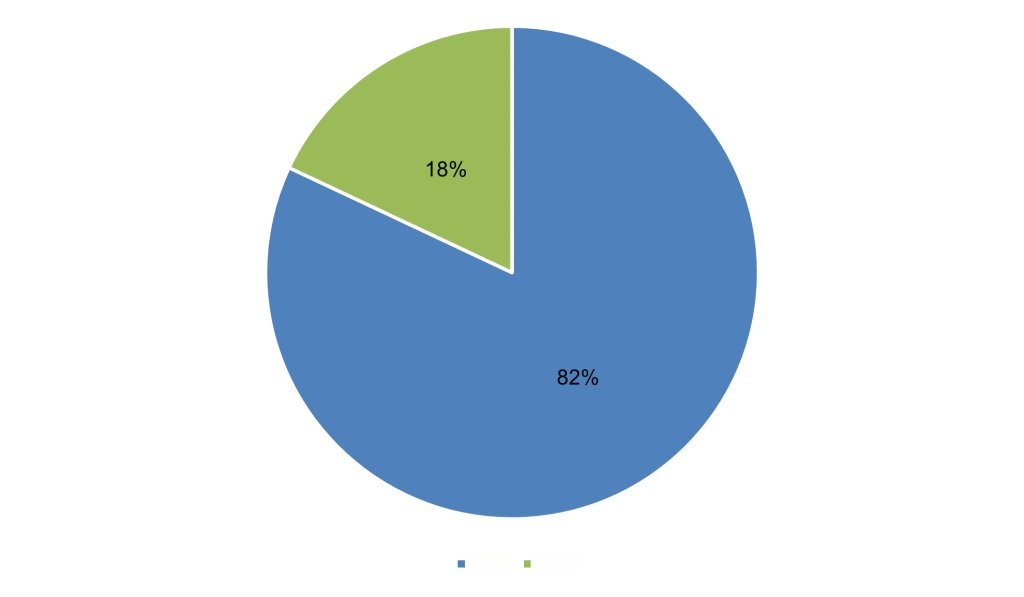
Figure 1. The salary is compatible with the job market and the functions performed
Source: Original research results.
It was also observed that 60% of the collaborators believe that the benefits offered by the company are excellent (Figure 2) — here, it is worth noting that there were unbiased questions, such as poor or terrible. It is important to note that although they are satisfied with their salary, the collaborators expect the benefits offered to be more attractive, considering that the final remuneration is composed of salary plus benefits. Brum[2] states that variable remuneration is a way to retain and recognize the company’s talents. Therefore, rewarding collaborators when goals are achieved, for example, is a great differentiator for the organization.
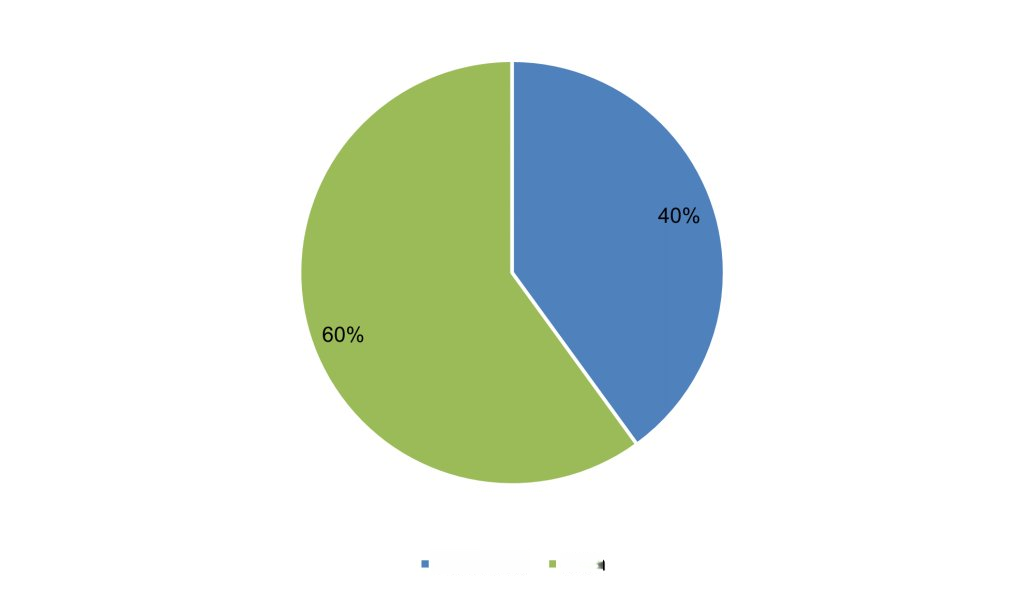
Figure 2. Benefits offered by the company
Source: Original research results.
Growth opportunity
According to the data obtained, 58% of collaborators, the career plan is not clear and well-defined (Figure 3). Therefore, it is necessary not only to develop but also to disseminate this career plan to all company collaborators so that they know which paths to follow and where they can reach, for their personal and professional growth.
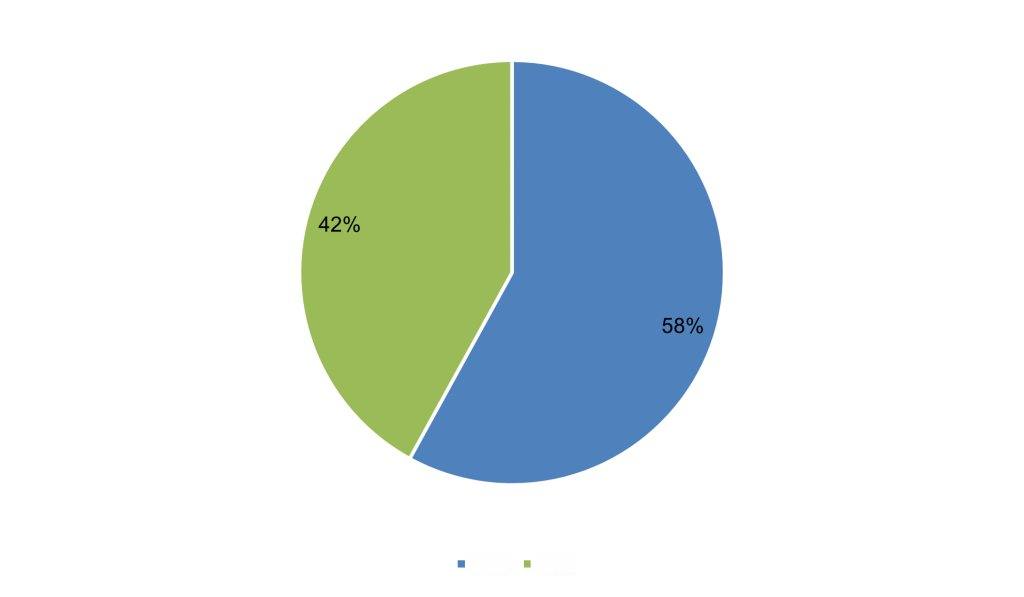
Figure 3. Clear and well-defined career path
Source: Original research results.
Although a good part of the collaborators understand that there is no clear and defined career plan, it was observed that 82% of the collaborators recognize that there is an opportunity for growth and development within the area they work in or within the organization (Figure 4). It is therefore emphasized the importance of recognizing and valuing the team, which leads collaborators to greater engagement and performance beyond expectations. This appreciation can be given through praise, promotions, bonuses, awards and certificates, trips, bonuses, or cash prizes, as mentioned by Brum[2].
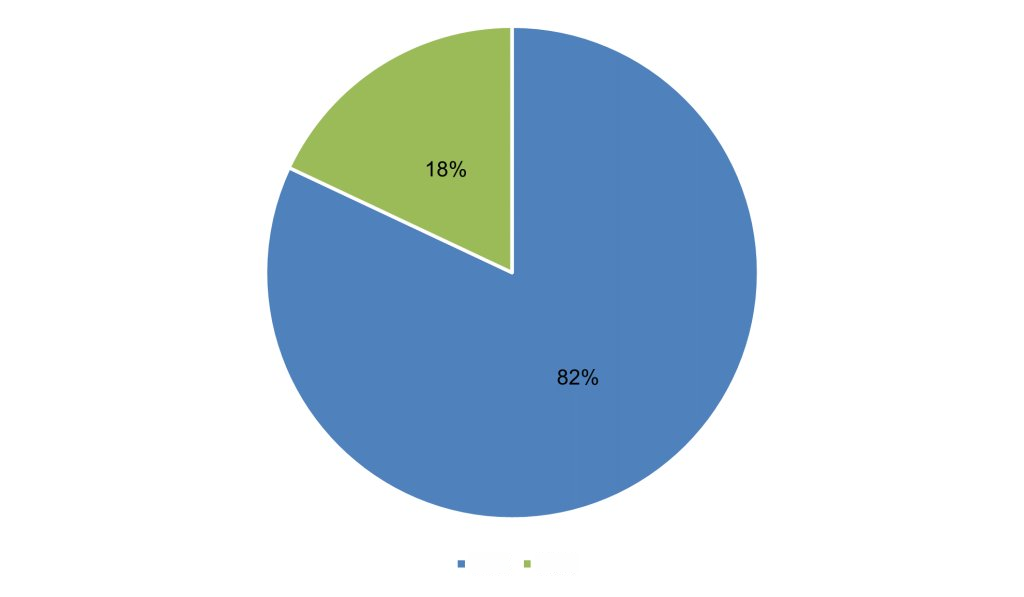
Figure 4. Opportunity for growth and development within the area and the company
Source: Original research results.
Clear and objective communication
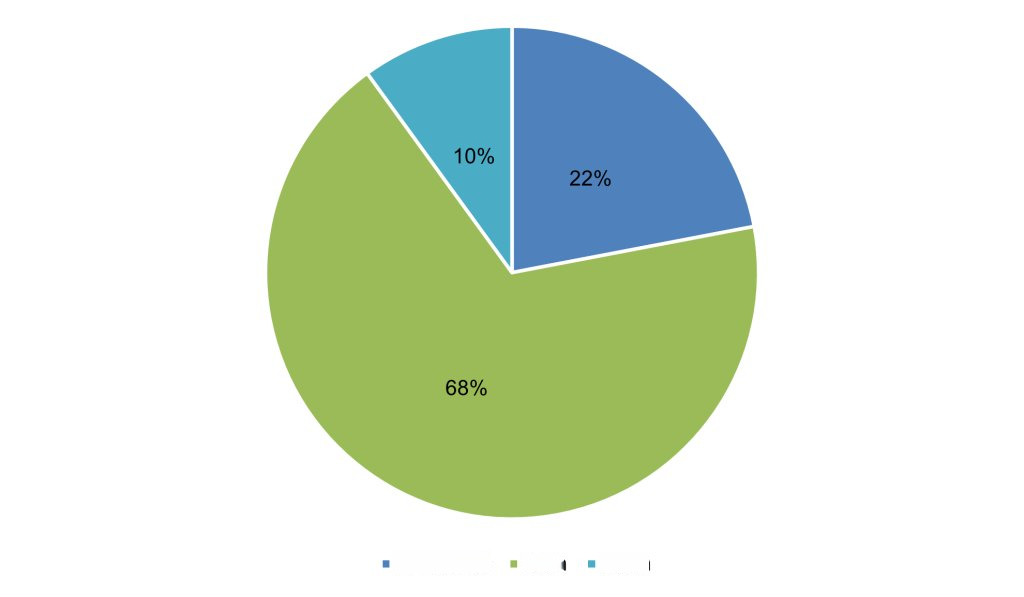
Regarding communication with managers, it was observed that 68% of employees consider it excellent, while 10% responded it is poor (Figure 5). Clear and efficient communication is fundamental to achieving high levels of productivity and performance. It ensures that employees understand their assignments and the expectations regarding their work. In the study conducted, it was observed that 68% of employees consider communication with managers as excellent, while 10% classified it as poor (Figure 5). This feedback highlights the importance of maintaining effective communication so that everyone knows exactly what is expected of them and can perform their activities efficiently.
According to Maxwell[9], communication is affected by a series of factors that determine the quality of the connection between the speakers. Among the signals that indicate a good connection are mutual appreciation, openness to share thoughts and feelings, positive experiences in previous interactions, growing synergy between the parties involved, and the presence of positive energy during communication. These signals are essential for communication to be effective, as they indicate that the speakers are understanding each other and connecting productively. In summary, successful communication depends on the presence of these factors that facilitate a harmonious and productive interaction.
Therefore, for communication to be assertive, it is not enough for the manager to have technical knowledge, experience, and training in their area; it is also necessary for them to be an excellent communicator[10].
Source: Original research results.
Teamwork and cooperation
The collected data demonstrate that there is a collaborative environment in the company, as 76% of employees stated that there is teamwork (Figure 6). According to Housel[11], each individual possesses their own knowledge, opinions, and instincts, and in a team, they share these experiences, learning from each other. When these intellectual capacities are combined, tasks become simpler and results positive.
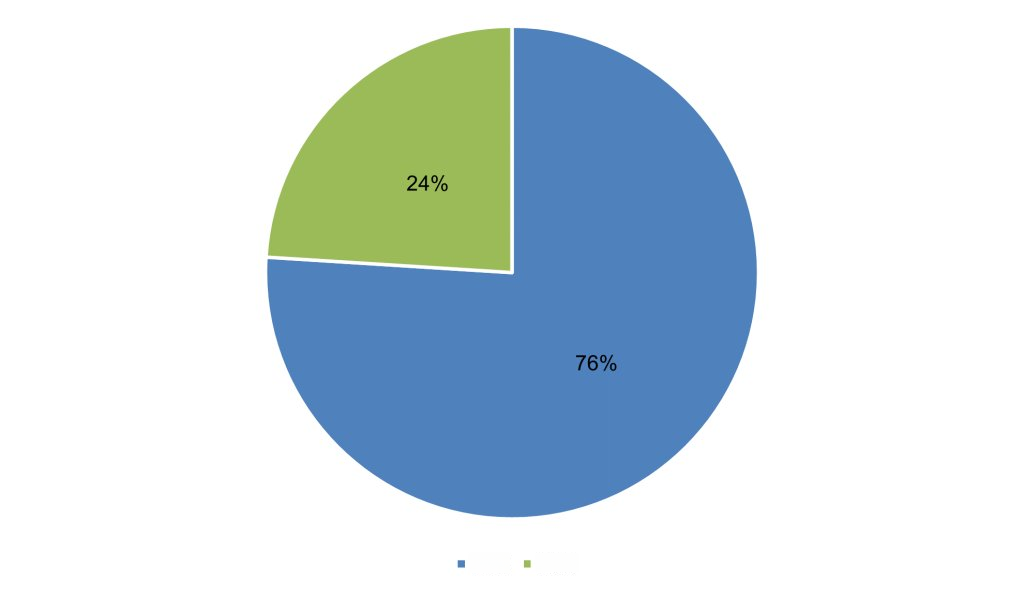
Figure 6. Teamwork environment and cooperation among collaborators
Source: Original research results.
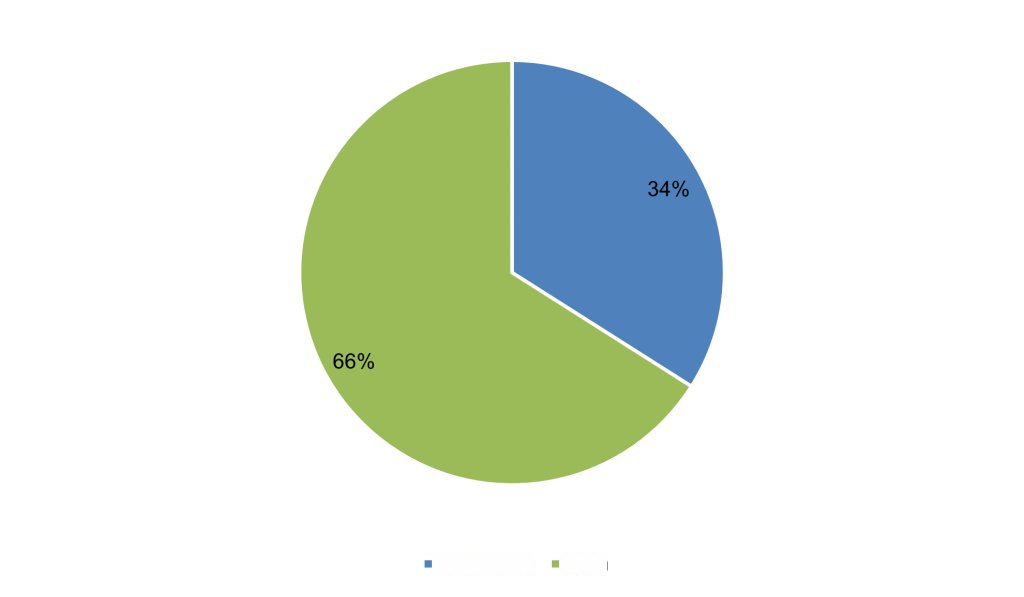
Regarding the relationship with work colleagues, 66% of employees stated it was good (Figure 7) — it should be noted that there were unbiased questions such as bad or terrible. As Housel[11] cites, teamwork promotes the exchange of ideas and people recognize the contributions they make to each other’s lives, generating an environment that provides security and trust, decreasing competitiveness and strengthening the team.
Source: Original research findings.
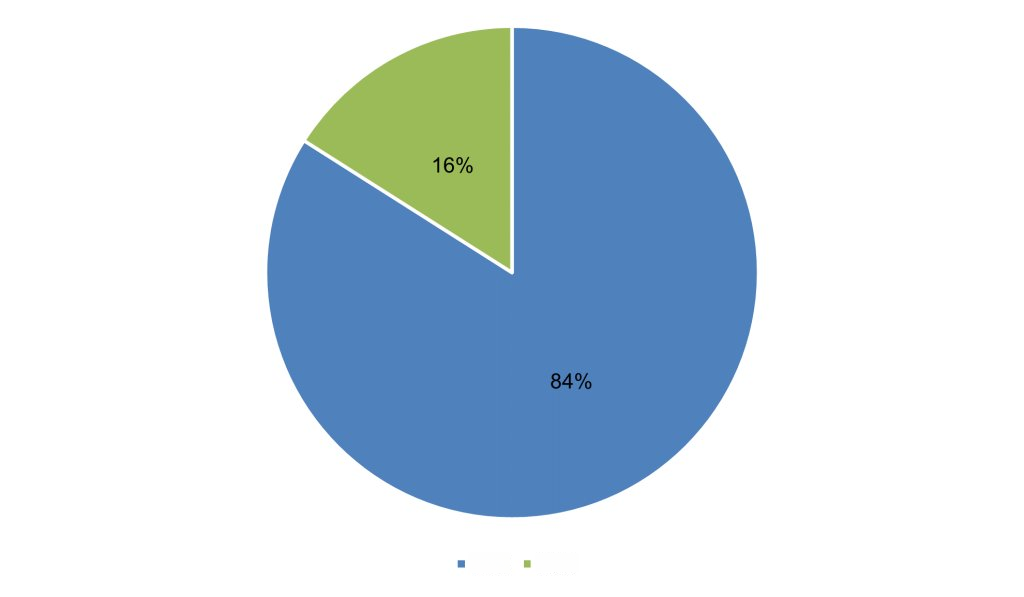
It was evidenced that 84% of collaborators understand that the work environment allows freedom and autonomy to perform their functions (Figure 8). Companies have sought to develop an environment with psychological safety, where there is no fear of making mistakes, with a culture in which each collaborator’s contribution is valued, creating more commitment and performance [12].
Source: Original research results.
Workplace safety
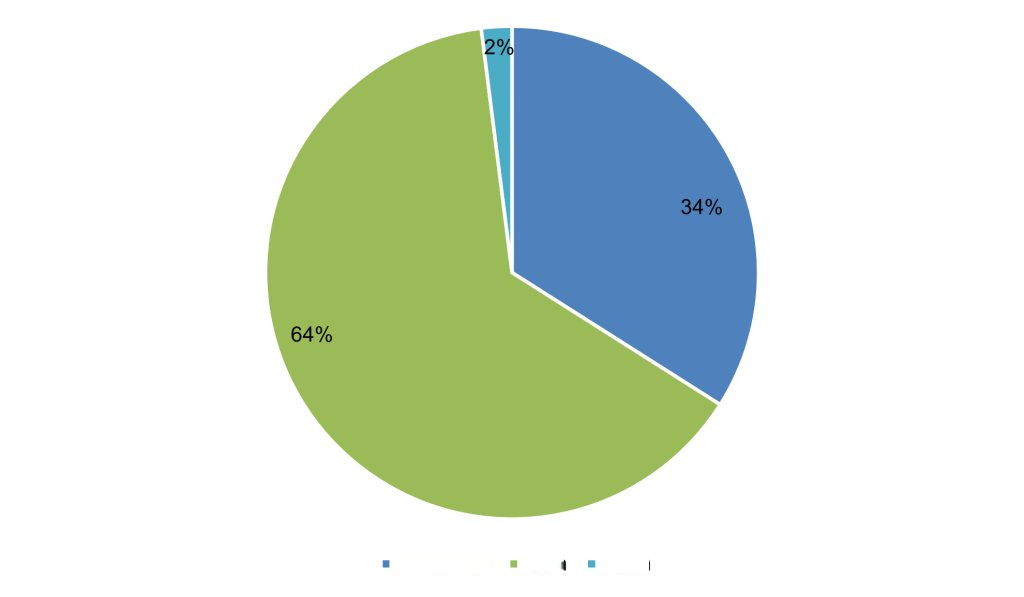
It is noted that 64% of collaborators classified the physical work environment as good (Figure 9). According to Mueller[13], an adequate physical work environment provides safety to collaborators, thus leading to higher productivity and a reduction in accidents and labor lawsuits.
Source: Original research findings.
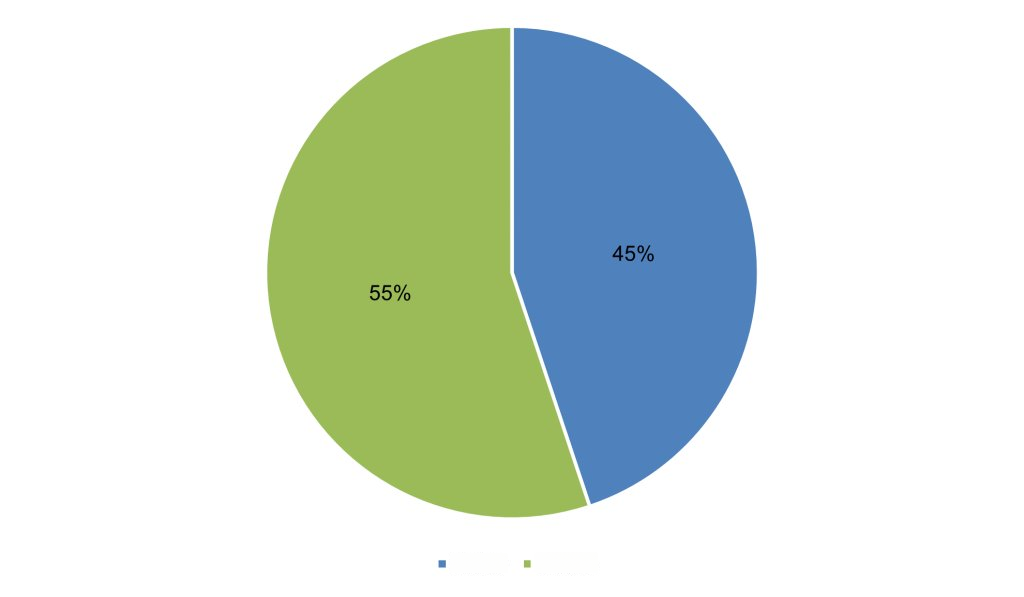
It was observed that 54% of collaborators stated there was a medium risk in performing their tasks (Figure 10). As Mueller[13] mentions, a management system for health and safety at work proves effective in the work environment for accident reduction. To achieve this, it is necessary to adopt norms and instructions and disseminate a safety culture, in which collaborators themselves assume commitment to safety, becoming aware of the risks of their activities and the ways to prevent them.
Source: Original research results.
Organizational culture and values
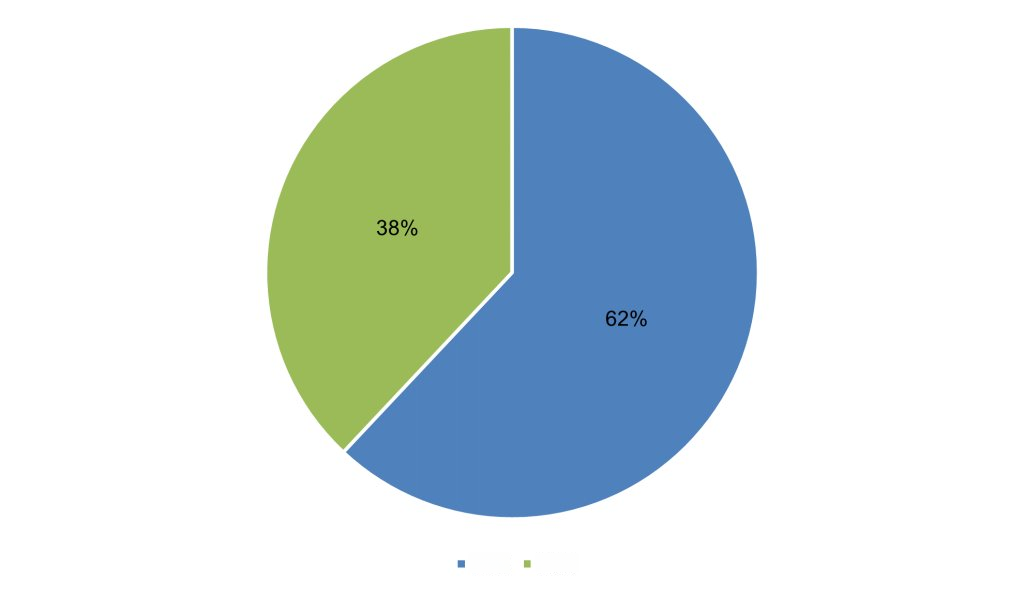
The majority of employees, equivalent to 62%, state that the organizational culture and values are well-defined and clearly communicated (Figure 11). The importance of making organizational values clear to employees is that it can be verified whether there is a connection between the company’s culture and the employee’s culture. It is worth noting that the company’s culture is more tied to the behaviors of its leaders and followers than to the mission, vision, and values disseminated in an onboarding or on the wall board. It is the attitudes and the way of thinking and acting that are the company’s DNA[1] and condition how employees perceive it.
Source: Original research findings.
Leadership
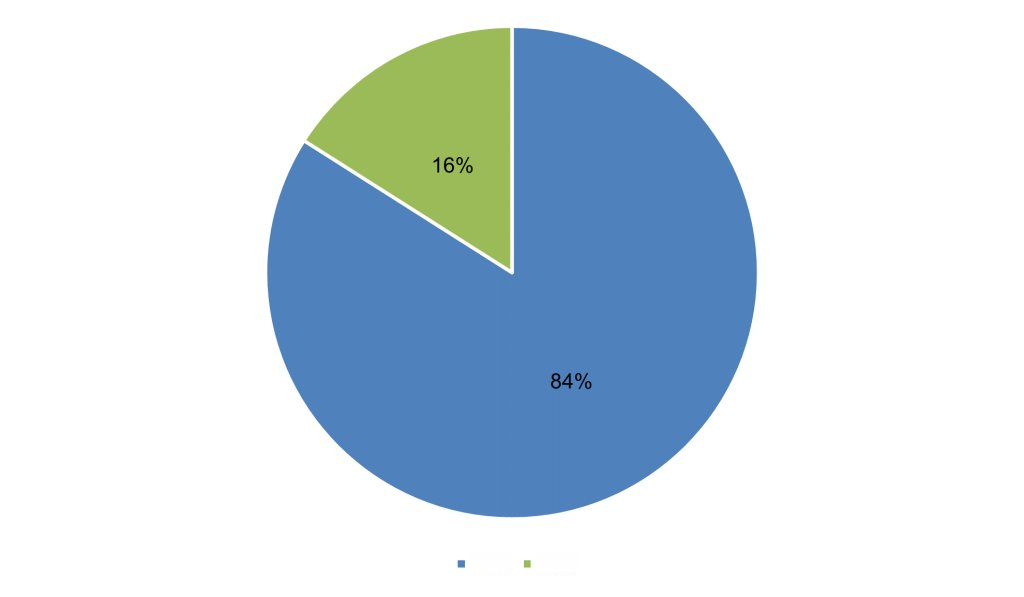
Leadership plays an extremely important role within organizations and, for this, it needs to be well prepared with technical and behavioral skills. In the analyzed company, it was observed that 84% of collaborators understand that their direct management has sufficient technical knowledge to support them in their day-to-day (Figure 12). According to Jung and Kyrillos[14], what employees currently seek most is the figure of the educator leader, capable not only of resolving technical doubts but also of assertively directing collaborators’ activities.
Source: Original research results.
Although 84% of collaborators responded that their managers master technical skills, only 40% rate their leadership as excellent. It is understood, then, that behavioral skills need to be better developed. Leaders need to know how to conduct themselves and their teams, awakening motivation to achieve results through a people-oriented culture. Mindfulness, altruism, and compassion are fundamental skills for a leader. By understanding themselves, they will be able to lead others effectively[15].
It is important to highlight that, according to Brum[2], the leader is the true retention agent within the organization. Many collaborators resign not because they wish to leave the company, but rather their leaders. What they seek is to work with someone they admire and who can contribute to their development and growth within the organization.
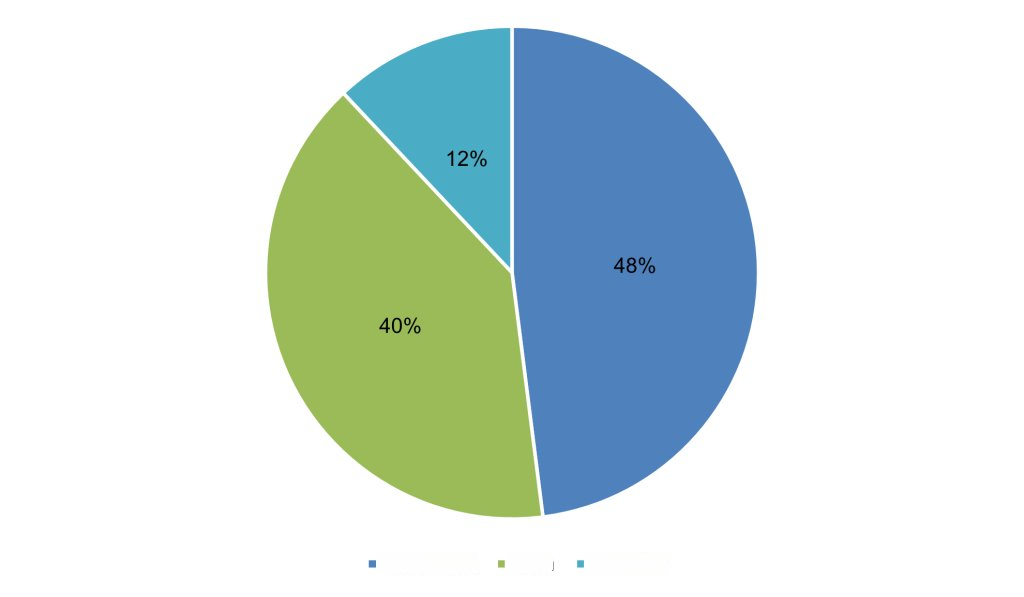
Source: Original survey results.
It was also observed that 40% of employees state that they do not receive feedback regarding their professional performance from their managers (Figure 14). According to Brum[2], feedback is an important tool for retaining talent and needs to be used more, as many employees are dismissed without even having received at least one feedback throughout their journey.
As Jung and Kyrillos cite[14], feedback should be provided in order to develop the employee. It is a challenging task for the leader, but carrying it out assertively is transformative, as it significantly improves interpersonal relationships and processes within organizations. According to Jung and Kyrillos as well[14], feedback should be constructive and directed, done individually. Points to be addressed should be identified beforehand, remembering that the discussion is about the event that occurred and not about the people. It is also necessary for the leader to be prepared to receive objections and resistance regarding the feedback, because, although employees want to receive feedback on their performance, they are not always prepared to accept it when this feedback is negative.
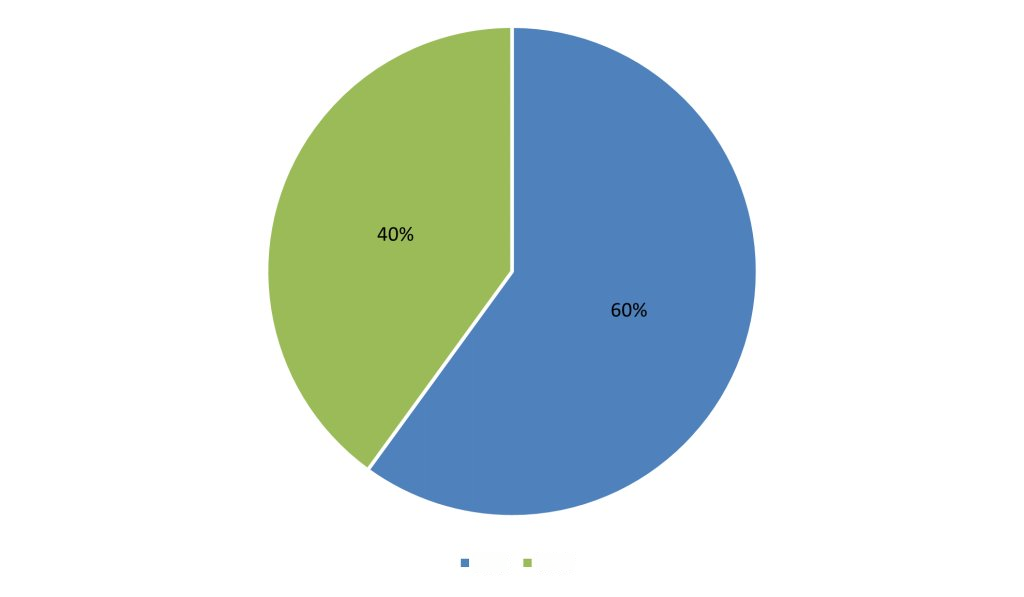
Source: Original research results.
In order to identify the best practices carried out by the company, employees were able to select 5 actions that they consider to be well performed by the company.
Table 1. Company best practices
| # | Company best practices | Mentions | (%) |
| 1 | Internal celebrations and events | 34 | 16 |
| 2 | Benefits | 32 | 15 |
| 3 | Professional development | 30 | 14 |
| 4 | Remuneration | 26 | 12 |
| 5 | Motivation | 23 | 11 |
| 6 | Process improvement | 18 | 8 |
| 7 | Recognition | 15 | 7 |
| 8 | Personal alignment with the company | 13 | 6 |
| 9 | Clear communication between areas | 12 | 6 |
| 10 | Conflict resolution | 10 | 5 |
It can be observed that among the practices that stood out the most are: internal celebrations and events; benefits and remuneration; professional development and motivation (Table 1). It is noted that internal marketing practices are well developed by the company, especially in moments of celebration. According to Brum[2], one of the most important stages of the employee journey is the celebration of achievements, which generates feelings of deserving and belonging to the company. These stages are interconnected and essential for employee engagement and motivation.
Furthermore, clear communication and conflict resolution are practices that require greater attention and development. Although the importance of communication has already been highlighted, it is crucial to reiterate that well-structured information within the organization is fundamental for the effective dissemination of varied content [2]. Without adequate communication, the transmission of information becomes compromised. Regarding conflict resolution, the leader’s role is essential. Assertive communication not only increases influence and persuasive power but also positively impacts the behavioral attitudes of team members. It is imperative that conflicts are addressed clearly, focusing on facts and not on people[10].
To mitigate the negative effects identified in topics 6 and 10, it is recommended to implement regular communication training, develop internal communication protocols, train leaders in conflict resolution techniques, create an anonymous feedback system, and review existing conflict policies. The adoption of these strategies can significantly improve communication and conflict resolution within the organization, fostering a more harmonious and efficient work environment. The improvement practices implemented by the company are detailed in Table 1. All responding employees reported that they would recommend the company to a friend to work for, as it is a place where there are opportunities for development and growth, in addition to the excellent structure and pursuit of continuous improvement.
The survey of best practices that keep employees engaged indicated that the employer brand’s strengths lie in remuneration and benefits, opportunities for growth, and professional development. Areas for improvement to attract and retain talent include process enhancement, as well as clear and objective communication and problem-solving. Therefore, a solution to attract and retain talent, in addition to building the EVP, is to disseminate the company culture through onboarding, the intranet, and social media, so that employees and candidates can learn about the employer brand and its entire organizational culture. In the future, the company can conduct a climate and satisfaction survey, thus obtaining new data on its good practices for talent engagement and retention.
This study provided insights into the employee experience, highlighting that the majority consider compensation compatible with the market but expect more attractive benefits. The research evidenced the importance of clear and effective communication, in addition to the crucial role of leaders in conflict resolution and team motivation. Although employees recognize growth opportunities, the lack of clarity in the career plan is an area to be addressed. The study, however, has limitations, such as the restricted sample. It is suggested that future research include qualitative methods and expand the sample for a more comprehensive and precise analysis, in addition to implementing longitudinal studies to track the evolution of practices and perceptions over time.
References
[1] Clavery, S. 2020. Is this Employer Branding?. 1st ed. Leader Publishing House, São Paulo, SP, Brazil.
[2] Brum, A.M. 2020. The employee experience. 2nd ed. Integrare Publishing House, São Paulo, SP, Brazil.
[3] Ambler, T., & Barrow, S. (1996). The employer brand. Journal of brand management, 4, 185-206.
[4] Aguiar, C.; Martins, E. 2021. Benefits of performance management its impact on modern organizations, p.141. In: Martinho, D.; Martinho, F. Proceedings of the VII Scientific Meeting of UI&D (ecUI&D 21). Isla Santarém, Santarém, Portugal.
[5] Pezzi, M.R.A.M. 2020. Employer Branding: Impact on Talent retention. Master’s Dissertation in Human Resources Management. University of Lisbon, Lisbon, Portugal.
[6] Gil, A.C. 2022. How to develop research projects. 7th ed. Atlas Publishing House, São Paulo, SP, Brazil.
[7] Sordi, J. 2017. Development of Research Project. Saraiva Publishing House, São Paulo, SP, Brazil.
[8] Almeida, M.S. 2014. Development of Project, TCC, Master’s Dissertation and Thesis: a simple, practical and objective approach. 2nd ed. Atlas Publishing House, São Paulo, SP, Brazil.
[9] Maxwell, J.O. 2010. Everyone communicates, few connect. Thomas Nelson Brasil Publishing House, Rio de Janeiro, RJ, Brazil.
[10] Brum, D. 2021. Assertive communication. Literare Books International Publishing House, São Paulo, SP, Brazil.
[11] Housel, D.J. 2017. Teams: managing for success. Cengage Learning Brasil Publishing House, São Paulo, SP, Brazil.
[12] Edmondson, A.C. 2020. The fearless organization: creating psychological safety in the workplace for learning, innovation, and growth. Alta Books Publishing House, Rio de Janeiro, RJ, Brazil.
[13] Mueller, M. L., Cole, J. B., Connors, N. K., Johnston, D. J., Randhawa, I. A., & Van Eenennaam, A. L. (2021). Comparison of gene editing versus conventional breeding to introgress the POLLED allele into the tropically adapted Australian beef cattle population. Frontiers in Genetics, 12, 593154.
[14] Jung, M.; Kyrillos, L. 2015. Communicating to lead. Contexto Publishing House, São Paulo, SP, Brazil.
[15] Carter, J.; Hougaard, R. 2020. The extraordinary leader’s mindset. Universo dos Livros Publishing House, São Paulo, SP, Brazil.
How to cite
Rocha S.M.M.C; Fortunato M.H.T.; O employer branding as a tool for attracting and retaining talent. E&S Journal. 2024; 5: e20240026.
About the authors
Samara Moreira Miguel Cardoso Rocha – Senior Human Resources Analyst. Olavo Bilac Street, 132 – Nova Mairinque – Postal Code: 18120-000 – Mairinque, SP, Brazil.
Murilo Henrique Tank Fortunato  – Pecege – MBA People Management Advisor. Rua Cezira Giovanoni Moretti, 580 – Santa Rosa – Postal Code: 13414-157 – Piracicaba/SP, Brazil.