
September 15, 2026
Artificial Intelligence as a Transformation Agent in the Labor Market
Maria Izabel Cardoso da Costa; Lidiane Mendes Barbosa
DOI: 10.22167/2675-6528-202602270
Article derived from a Final Course Work (TCC), with content based on the student’s original work and adapted to the editorial format of the E&S Magazine with the support of the ResumeAI tool, an artificial intelligence solution developed by the Pecege Institute for textual synthesis and organization.
Abstract
The rise of the Fourth Industrial Revolution, driven by generative Artificial Intelligence (AI), has profoundly altered the relationship between capital and labor by automating non-routine cognitive tasks. The general objective was to analyze the perceptions of operational professionals from different sectors on the impact of AI in the labor market, identifying trends and challenges. The methodology employed exploratory and descriptive research, with a quantitative approach through a survey. The data collection instrument was a structured questionnaire, administered to 124 respondents, using Likert and multiple-choice scales. The results showed an advanced stage of technological adoption (74.2%), characterizing the sample as “early adopters”. It was identified that the gain in efficiency freed up between one and eight hours per week for most, although critical barriers such as lack of training and ethical concerns persist. Significant resistance was noted towards algorithmic management and the replacement of human judgment in critical decisions, as in the concept of “Agent Hospital”. Despite optimism regarding productivity, the sustainability of the workforce depends on urgent “reskilling” policies and the preservation of human agency. Human supervision remained indispensable in areas requiring empathy and moral responsibility.
Keywords: Automation; Digital Skills; Technological Ethics; Labor Market.
1. Introduction
The history of humanity is marked by great technological advances that, since the Industrial Revolution, raise concerns about the future of employment and the impact of automation. However, these advances have not only driven economic growth but also generated new tasks and job opportunities, as pointed out by Acemoglu and Restrepo (2018) and Brynjolfsson et al. (2018). Each new technological wave intensifies these debates, as observed by Gmyrek et al. (2023).
While 20th-century technologies predominantly affected manual laborers, advances since 2010, especially in Machine Learning, have focused on computers’ ability to perform non-routine cognitive tasks. This profound shift is reshaping the relationship between capital and labor, as discussed by Acemoglu and Restrepo (2018), Agarwal et al. (2018), Acemoglu et al. (2022), and Gmyrek et al. (2023).
The trajectory of industrial revolutions, from the steam engine (First Industrial Revolution) to Fordist work (Second Industrial Revolution) and the digital age (Third Industrial Revolution), culminated in the current Fourth Industrial Revolution, or Industry 4.0 (Marx, 1996; Carvalho and Pinho, 2009; Pereira et al., 2023). This era is characterized by technologies such as Artificial Intelligence, robotics, and the Internet (Schwab, 2016; Pereira et al., 2023), which break down barriers between the physical and virtual worlds, impacting the labor market and presenting risks for repetitive or low-skilled jobs (Quintela, 2018).
At the core of this new era, Artificial Intelligence (AI) emerges as a paradigm-shifting agent of transformation. Driven by machine learning techniques and vast datasets (Acemoglu et al., 2022; Patil et al., 2024), AI establishes itself as a new factor of production that amplifies both labor and capital (Acemoglu et al., 2022). Technically, AI is conceptualized as a system that perceives its environment and acts upon it to achieve specific goals (Russell et al., 2019; Felten et al., 2018; Felten et al., 2019). This scenario generates contrasting views: while some foresee a future with fewer jobs, others see it as a means to increase productivity and enhance the work experience (Agarwal et al., 2018; Acemoglu et al., 2022; Patil et al., 2024).
Although the automation of repetitive tasks already raised concerns about job displacement (Patil et al., 2024; Virgílio e López, 2021), the rise of generative AI expands automation to non-routine cognitive tasks, creating previously unattainable efficiencies (Gmyrek et al., 2023; Patil et al., 2024). This innovation, however, raises serious concerns about the potential for labor displacement, economic stability, and social equity (Russell et al., 2019; Occhipinti et al., 2025). The impacts on employability remain uncertain (Zhang et al., 2021), and the increasing accessibility of technology has generated anxiety regarding AI (Agarwal et al., 2018; Gmyrek et al., 2023; Lund et al., 2024; Patil et al., 2024).
Beyond the direct impacts on the labor market, technological advancement intensifies concerns about the increase in income inequality (Zhang et al., 2021; Lohr, 2022; Patil et al., 2024). It is estimated that by 2030, professional retraining will be necessary for a significant portion of workers to meet new market demands (Manika et al., 2017; Russell et al., 2019; Zhang et al., 2021; Lohr, 2022; Patil et al., 2024). The impacts of AI on employment and wages at the industry or occupation level are still too small to be conclusively detected (Felten et al., 2018; Felten et al., 2019), and socioeconomic consequences, such as the deepening of income inequality and the emergence of a “digital divide” between nations, remain open and critical issues (Schwab, 2016; Lohr, 2022).
Given this scenario of rapid transformations and uncertainties, it becomes fundamental to understand how professionals perceive the impact of Artificial Intelligence in their routines and careers. This research aims to analyze the perceptions of operational professionals from different sectors on the impact of Artificial Intelligence in the job market, identifying the main trends, challenges, and transformations in professional qualification requirements.
2. Material and Methods
The study adopted a quantitative approach, characterized as an exploratory and descriptive survey. The exploratory dimension sought to familiarize itself with the phenomenon under investigation, while the descriptive one aimed to identify patterns, trends, and professionals’ perceptions regarding the use of Artificial Intelligence (AI) in the job market (Sampieri; Collado; Lucio, 2013; Marconi; Lakatos, 2017; Veiga et al., 2021; Gil, 2019; Mattar, 2022; Fink, 2003; Vergara, 2021).
The data collection instrument was a structured questionnaire (Appendix I), composed of 21 questions and developed from the adaptation of scales and indicators validated in previous studies (Malhotra, 2012; Creswell, 2014; Schultz, 1961; Becker, 1965; Bandura, 1977; Frey and Osborne, 2013; Davenport, 2019; WEF, 2020). The questionnaire was divided into three thematic axes: Block 1 (Respondent Profile), with 5 multiple-choice questions for sociodemographic and professional characterization; Block 2 (Perceptions on the Impacts of AI), with 9 questions about transformations in routine and the job market; and Block 3 (Preparation and Adaptation), with 7 questions about individual adjustment and organizational readiness.
The target population comprised operational professionals from strategic sectors, such as health, education, technology, and business. The sampling strategy was non-probabilistic convenience sampling, using the snowball technique (Babbie, 1999; Duarte, 2010; Malhotra, 2012). The questionnaire was disseminated on the social network LinkedIn and supplemented by direct contacts via email with schools and business associations (Freitas et al., 2000). For variable measurement, a five-point Likert Scale, multiple-choice questions, and numerical range questions were used (Likert, 1932; Dalmoro and Andrade, 2013).
Before the final application, the questionnaire was submitted to a pre-test with a small group of 10 professionals to verify clarity, objectivity, coherence, and adequacy of the scales, as well as to estimate response time. The pre-test data were used exclusively for fine-tuning the instrument.
The questionnaire was anonymous and voluntary, ensuring the privacy and integrity of the participants’ information. The research was exempted from submission to the Research Ethics Committee (CEP), according to CNS Resolution No. 510, of April 2016 (Sole Paragraph, Article 1, Item I), as it was classified as public opinion research with unidentified participants.
The data obtained were organized and processed using Google Sheets and Microsoft Excel. The analysis consisted of tabulating the responses for the presentation of results in percentage terms, identifying the distribution of participants’ opinions and perceptions in each block of the questionnaire. Due to the non-probabilistic sampling, the results reflect the responses of the surveyed group, providing a preliminary understanding of the impact of AI in the investigated context.
3. Results and Discussion
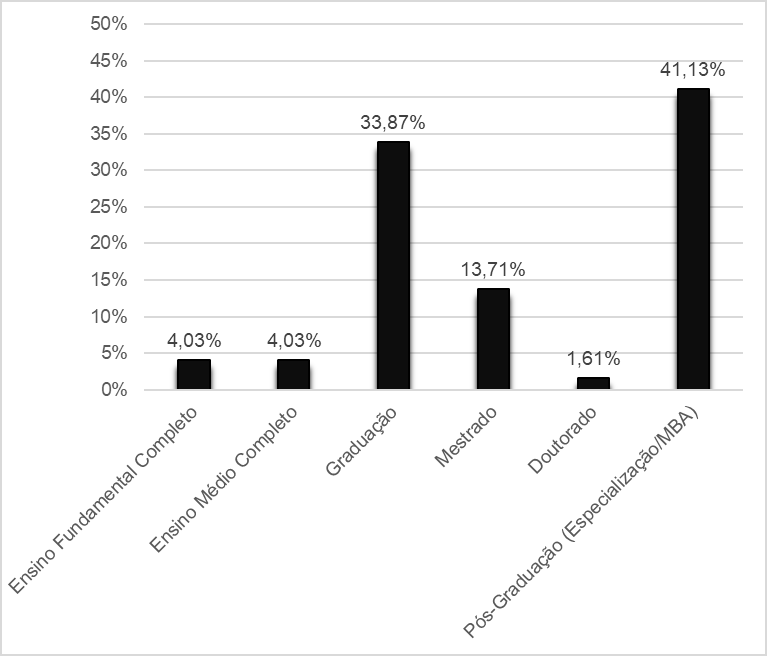
124 responses were collected, with 100% adherence of respondents to the survey terms. Data from Block 1 revealed a profile of high education, with 41.13% of participants holding postgraduate degrees (lato sensu or MBA), 33.87% undergraduate degrees, and 13.71% master’s degrees.
Figure 1. Educational level of respondents
Source: Original research results
According to Figure 1, the majority (56.45%) of respondents have postgraduate or higher education, which is a predictor of lower anxiety regarding AI and greater technological reception (Lund et al., 2024; Patil, 2024). These professionals, often “knowledge workers”, see AI as an opportunity for innovation, demanding digital literacy and critical thinking (Pereira et al., 2023; Patil, 2024; WEF, 2025).
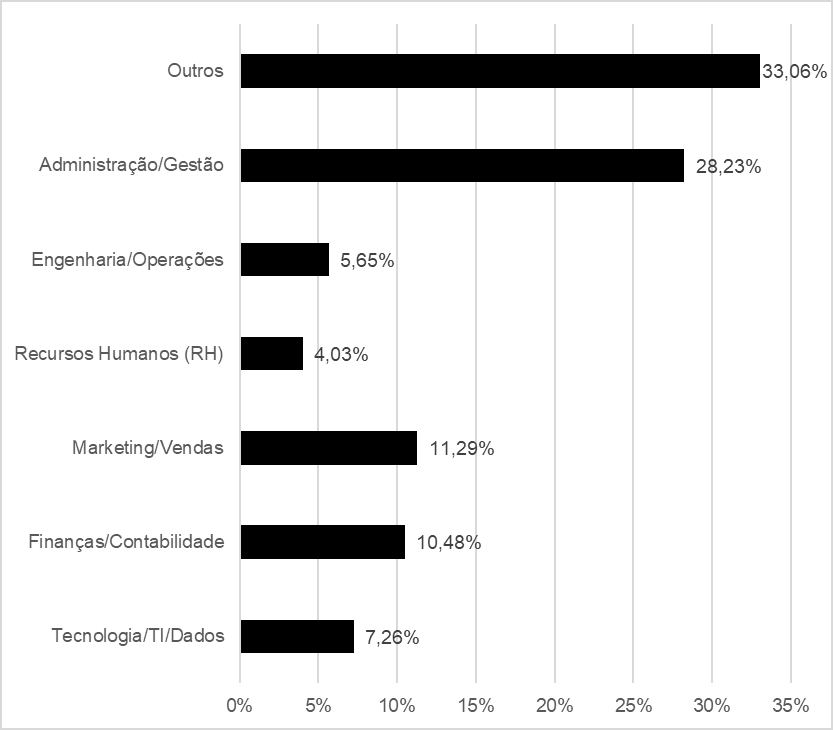
Figure 2 shows a heterogeneous distribution of respondents by area of activity, with a predominance of Administration/Management (28.23%), followed by Marketing/Sales (11.29%) and Technology/IT/Data (7.26%), in addition to 33.06% in other categories. This pattern reinforces the cross-cutting nature of Artificial Intelligence as a general-purpose technology.
Figure 2. Main area of activity of the respondents.
Source: Original research results
The advancement of generative AI shifts automation towards non-routine cognitive activities (Occhipinti, 2025), expanding the exposure of areas such as business, finance, and marketing (Gmyrek et al., 2023; Mainardi et al., 2024; Occhipinti, 2025; WEF, 2025). Professionals in knowledge-intensive roles, such as financiers and programmers, show greater susceptibility to AI integration due to the analytical and repetitive nature of their activities (PIE, 2024; WEF, 2025). The main impact of AI, however, lies in the expansion of productivity and operational efficiency, in a complementarity model between humans and machines (Gmyrek et al., 2023; McKinsey, 2023).
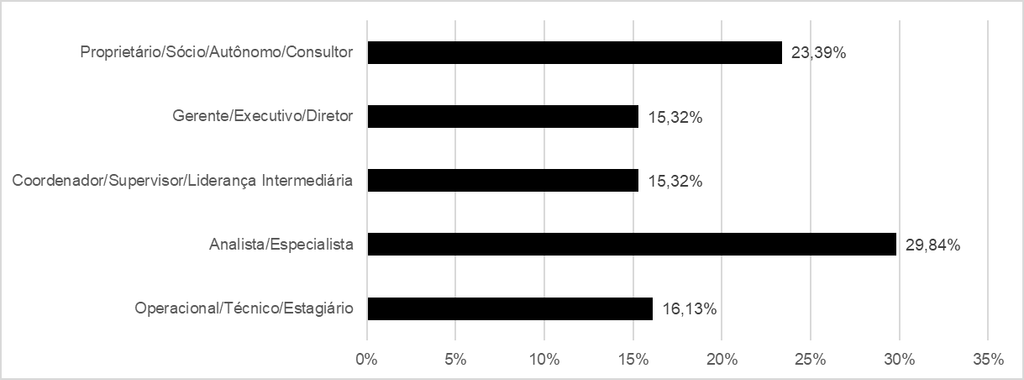
In hierarchical terms, the sample focuses on Analysts/Specialists (29.84%) and Owners/Partners/Self-employed (23.39%), with management positions accounting for 30.64%.
Figure 3. Current hierarchical level of respondents.
Source: Original research results
This composition, according to Figure 3, indicates a strategic and technical audience directly involved in automation decisions (Occhipinti, 2025; WEF, 2025). Technological evolution tends to replace repetitive tasks, not entire occupations (Mainardi et al., 2024), requiring professionals to focus on highly specialized activities that demand human competencies such as leadership and critical thinking (Gmyrek et al., 2023). The predominance of leaders and specialists in the sample suggests that AI governance is a strategic priority in the analyzed organizations (Occhipinti, 2025; WEF, 2025).
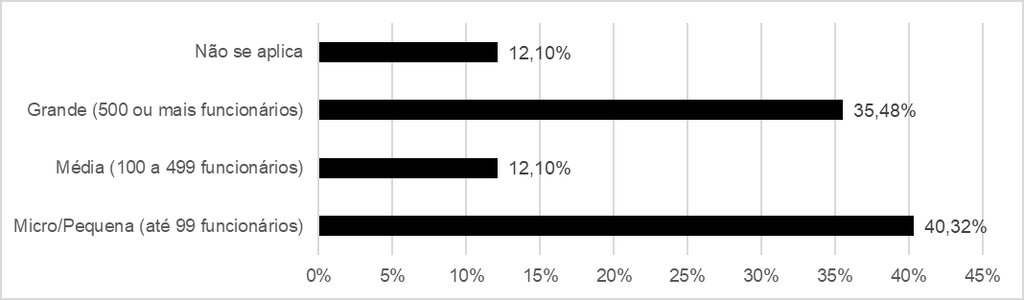
Regarding organizational size, the sample shows a balance between professionals from Micro/Small companies (40.32%) and Large companies (35.48%).
Figure 4. Size of the organization where respondents work.
Source: Original research results
The data from Figure 4 challenge the paradigm that cutting-edge technologies are exclusive to large corporations (IOE, 2024). Generative AI, with its high accessibility and low cost (Patil, 2024), has become vital for SMEs to optimize processes and innovate (IOE, 2024; Occhipinti, 2025; WEF, 2025), enabling small businesses to adopt it in proportions equivalent to large organizations (Agarwal et al., 2018; Gmyrek et al., 2023; Lund et al., 2024).
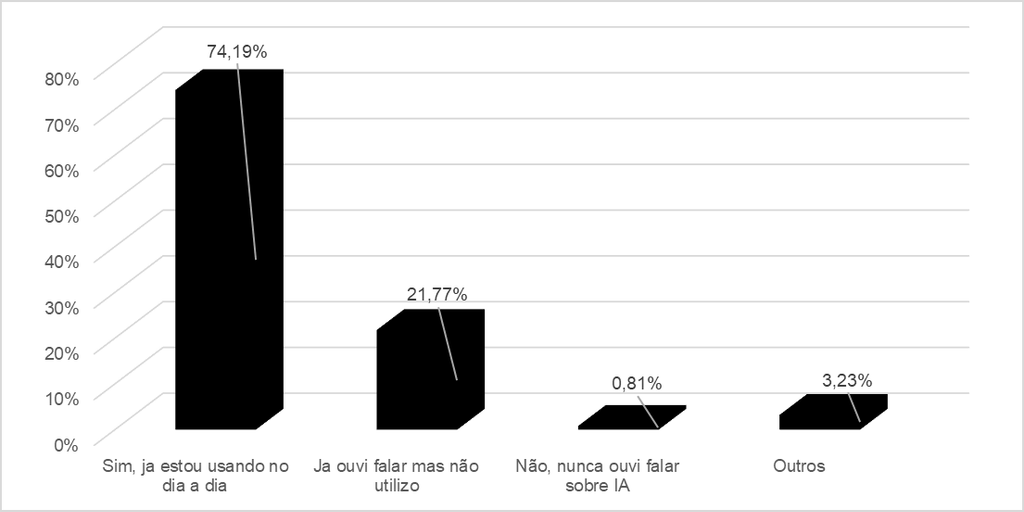
The analysis of familiarity with Artificial Intelligence reveals high adoption: 74.19% of respondents already use it in their routines, while 21.77% still have no practical contact with the technology.
Figure 5. Familiarity with AI
Source: Original research results
According to Figure 5, the data corroborate the rapid penetration of language models in corporate activities (Gmyrek et al., 2023; IOE, 2024). However, unequal adoption may widen productivity gaps, making digital literacy indispensable to avoid skill obsolescence (Patil, 2024). Reskilling and upskilling programs are essential for workforce sustainability (Patil, 2024; IOE, 2024; Mainardi et al., 2024; Occhipinti, 2025).
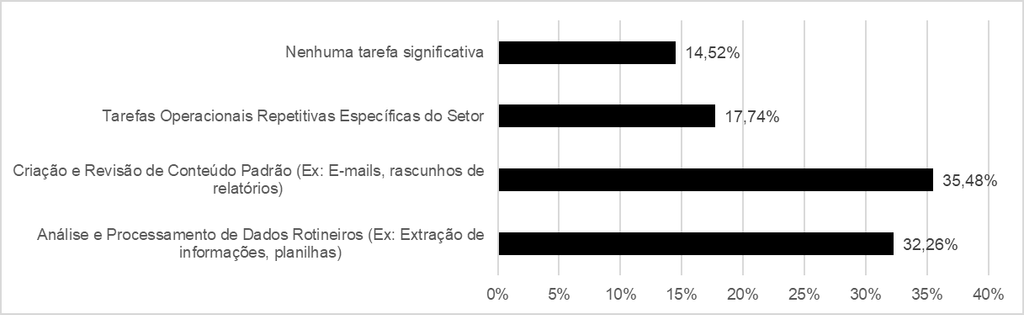
The analysis of activities with the highest automation potential highlights content creation (35.48%) and data processing (32.26%), as detailed in Figure 6.
Figure 6. Function and automation
Source: Original research results
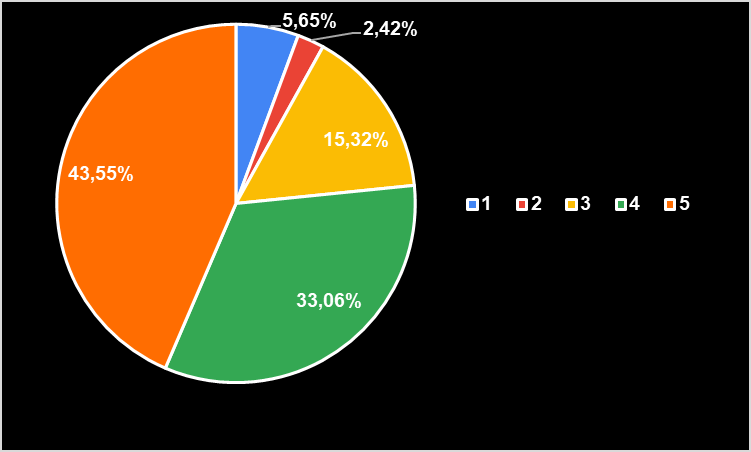
Figure 6 highlights the expansion of generative AI beyond operational tasks, reaching cognitive and creative dimensions of work (IOE, 2024; Occhipinti, 2025). This transformation is associated with an optimistic perception of the professional future, in which 76.6% of respondents believe that AI will act as a catalyst for new roles.
Figure 7. AI as a promoter of new functions
Source: Original research results
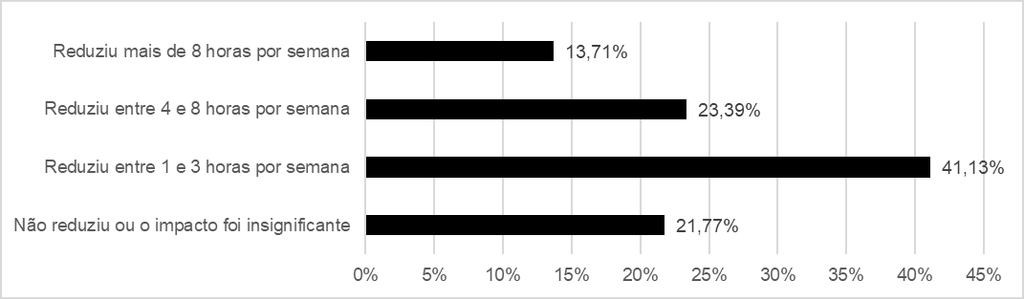
The data from Figure 7 reveal a predominantly optimistic audience, aligned with the literature that predicts new demands and emerging occupations, especially in supervision, development, and governance of intelligent systems (Gmyrek et al., 2023; IOE, 2024; McKinsey, 2023). Regarding efficiency gains, 41.13% of respondents report saving 1 to 3 hours per week and 23.39% save between 4 and 8 hours.
Figure 8. Reduction of time spent on routine tasks.
Source: Original research results
The results of Figure 8 evidence the phenomenon of “augmentation” of work, where AI complements human capabilities, automating routine tasks and freeing up time for strategic activities (Davenport and Kirby, 2016; IOE, 2024), consolidating itself as a vector of productivity and economic growth (McKinsey, 2023; Goldman Sachs, 2023).
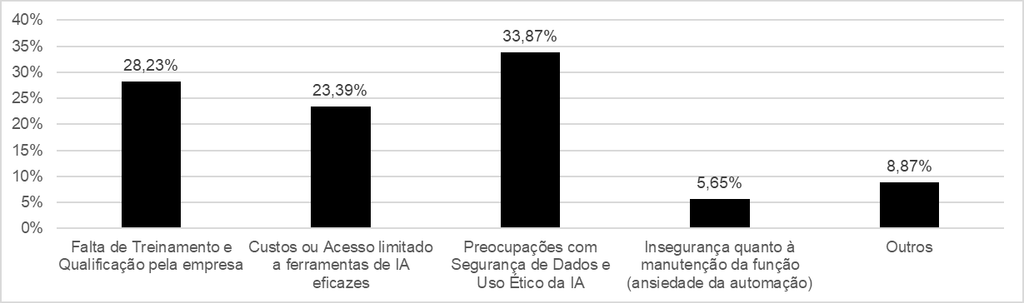
However, the materialization of these benefits requires overcoming structural barriers, with the main concerns being Security and Ethics Concerns (33.87%) and Lack of Training (28.23%).
Figure 9. Barriers to adapting AI
Source: Original research results
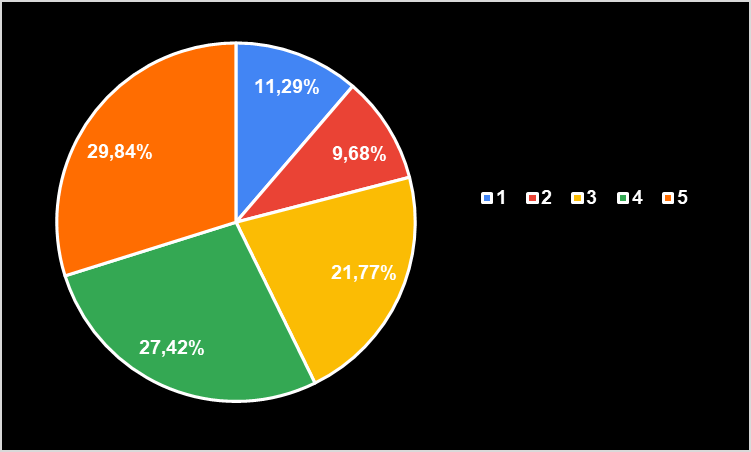
According to Figure 9, the skills gap is the biggest obstacle to business transformation (IOE, 2024), while the corporate use of technology imposes critical dilemmas regarding privacy and algorithmic biases. The transformative potential of AI depends on the organizational capacity to promote “responsible AI”, based on governance and transparency (Gmyrek et al., 2023; Mainardi et al., 2024). The perception of these challenges is reflected in the pursuit of competitiveness, with 29.84% of respondents considering AI proficiency essential for professional relevance.
Figure 10. Knowledge and competitiveness
Source: Original research results
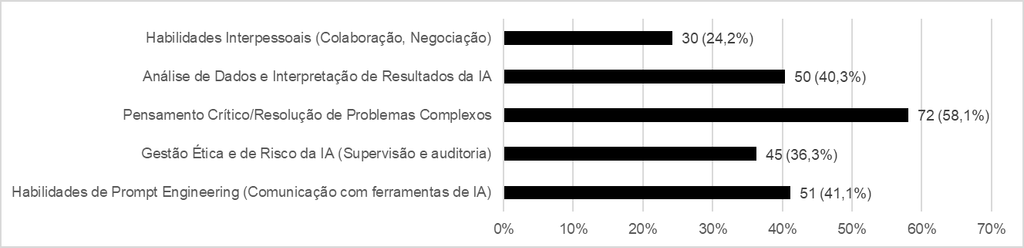
According to Figure 10, the demand for new skills is central, with Critical Thinking (58.1%) and Prompt Engineering (41.1%) standing out as vital abilities.
Figure 11. Critical Skills
Source: Original research results
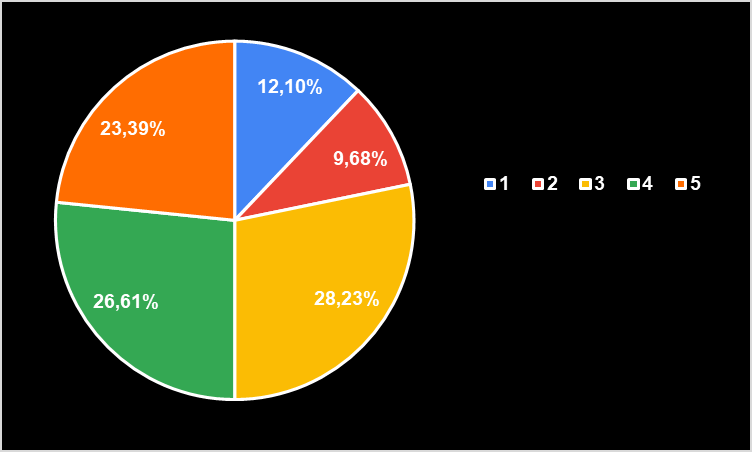
The data from Figure 11 align with the guidelines of the World Economic Forum (WEF, 2025), which positions analytical thinking as a core competence for overseeing automated decisions. Prompt Engineering reflects the urgency of AI literacy, although the competitive advantage lies in the combination of technical skills with social skills and emotional intelligence (Davenport, 2020; IOE, 2024; WEF, 2025). Regarding future perspectives, the largest concentration of respondents remains neutral (28.23%), while 23.39% believe that AI will bring more opportunities than risks.
Figure 12. Future perspectives
Source: Original research results
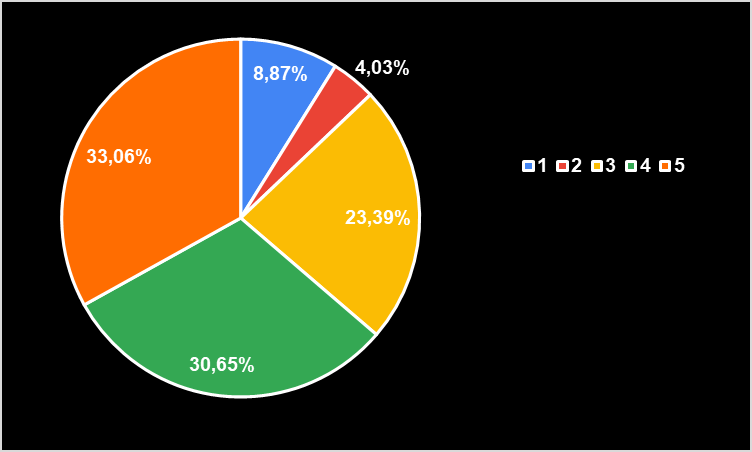
Although Figure 12 points to moderate optimism, this perception of technology as an ally aligns with the projection of new positions in governance and data analysis (Acemoglu and Restrepo, 2019). This ambivalence is grounded in the identification of tasks most susceptible to automation, such as report generation and data analysis (33.06%).
Figure 13. Routine Tasks and their automations
Source: Original research results
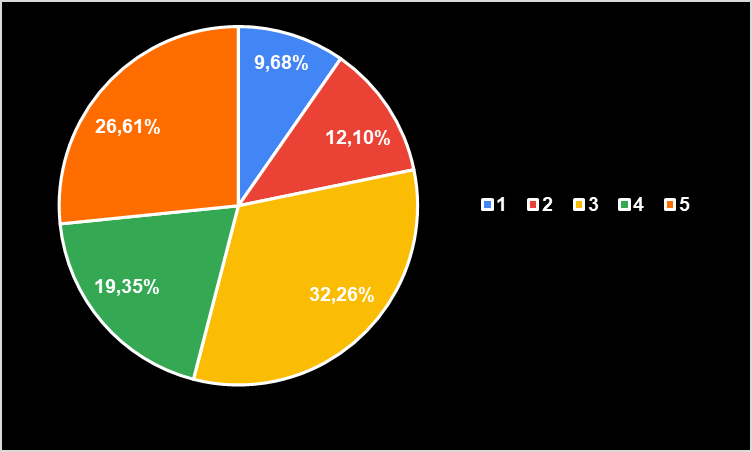
According to Figure 13, these technical tasks are the immediate focus of automation. However, the perception of risks reveals a relevant concern with the amplification of social inequalities (26.61%).
Figure 14. AI and social inequality
Source: Original research results
The data from Figure 14 dialogue with the classic literature, which argues that technological productivity gains are rarely distributed equitably (Frey and Osborne, 2013; Acemoglu and Restrepo, 2019). To mitigate this “digital divide”, continuous retraining policies for the workforce become indispensable (Gmyrek et al., 2023; Mainardi et al., 2024; Occhipinti, 2025).
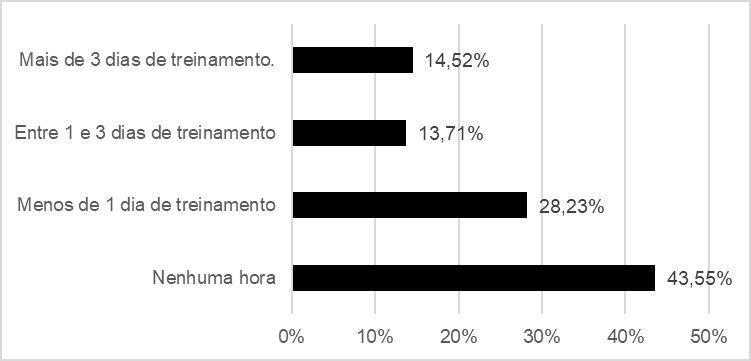
In Block 3, focused on institutional support and skills development, a critical gap is observed: 43.5% of respondents did not dedicate time to AI training in the last 12 months, while only 14.5% invested more than three days in training.
Figure 15. Individual investment in formal AI training
Source: Original research results
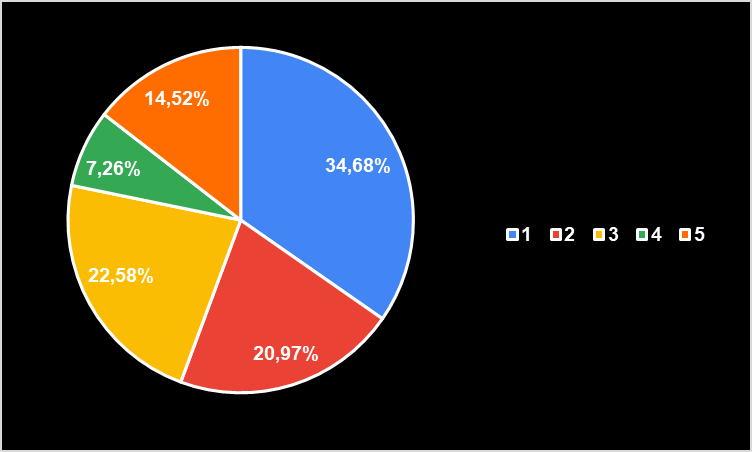
This low individual engagement directly correlates with a lack in the corporate environment, where 34.68% of professionals feel totally unsupported by their organizations regarding the provision of resources and training.
Figure 16. Resources and training provided by the organization
Source: Original research results
According to Figures 15 and 16, the scenario illustrates the skills gap, pointed out globally as the main barrier to business transformation (Drucker, 1954; IOE, 2024; WEF, 2025). Lack of skills is cited by 63% of employers as the biggest hurdle for the coming years (WEF, 2025), and less than half of global workers receive adequate guidance (IOE, 2024). Thus, the data confirm the pressing need for reskilling and upskilling strategies, at risk of technological obsolescence (Brynjolfsson and McAfee, 2014; Patil, 2024; Mainardi et al., 2024).
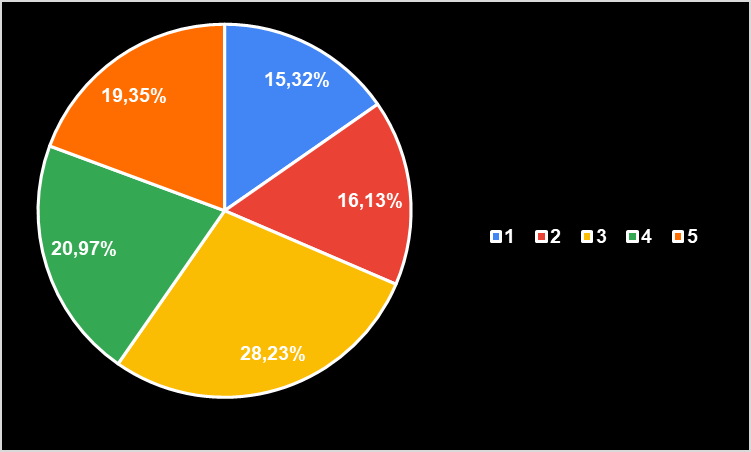
Regarding risks, 28.23% of professionals identify failures in change management — such as lack of communication and training — as the main institutional obstacle.
Figure 17. Risks in AI adoption
Source: Original research results
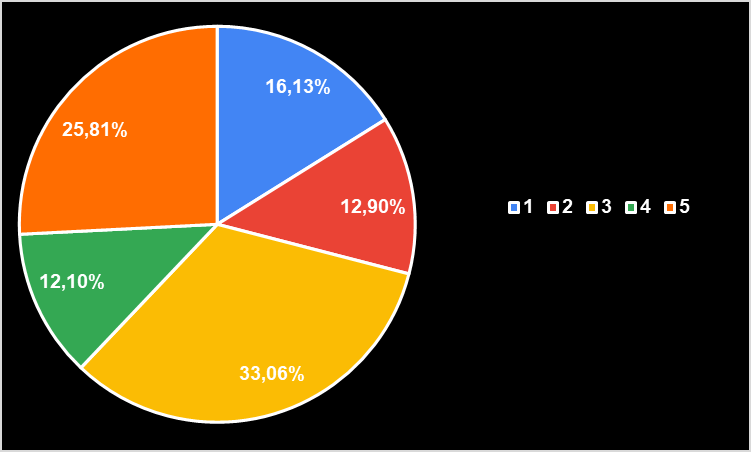
On the other hand, a moderate trend towards innovation is observed: 33.06% of respondents perceive a neutral incentive and 25.81% feel that the organizational culture actively stimulates experimentation.
Figure 18. Incentive for AI tools
Source: Original research results
According to Figures 17 and 18, the identification of change management as a bottleneck reflects a global barrier, where cultural and structural resistance is one of the biggest obstacles, as AI requires reconfiguration of processes and mindsets (Schein, 1992; Kotter, 1996; Patil, 2024). The still-transitioning incentive reinforces the urgency of promoting a “culture of innovation” to ensure competitiveness in the age of artificial intelligence (WEF, 2025).
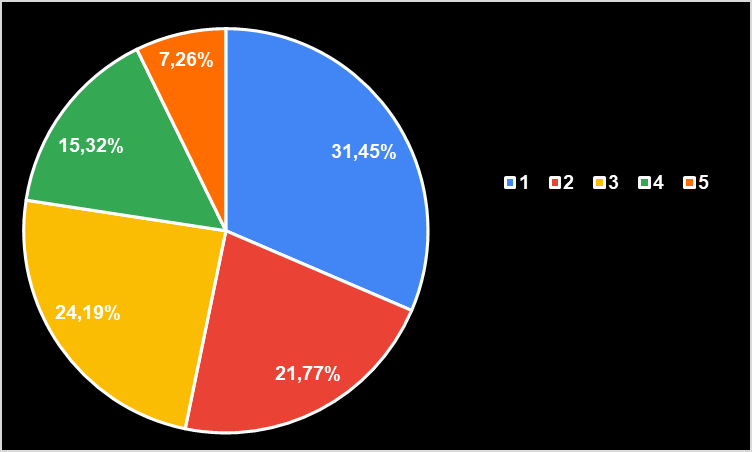
Regarding the disposition towards new work models, significant resistance to the loss of autonomy is observed: 31.5% of respondents categorically reject full AI supervision, while only 7.3% show full acceptance.
Figure 19. AI supervision acceptance
Source: Original research results
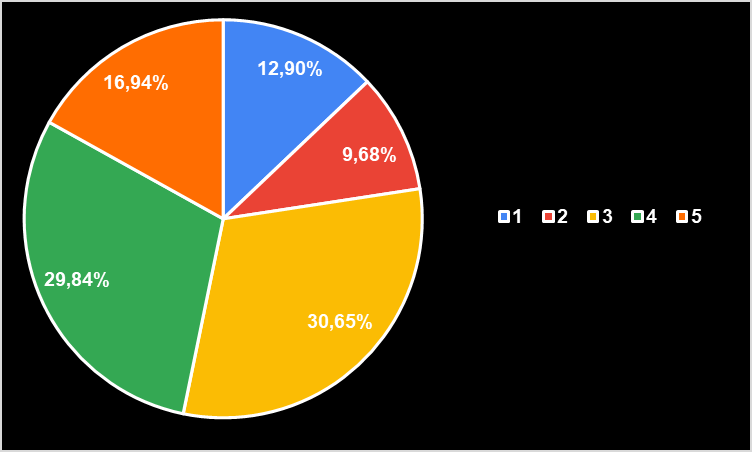
In contrast, the perception of individual preparation for career transformations is more positive: 30.6% are at an intermediate level and 29.8% feel considerably prepared.
Figure 20. Preparation for the future
Source: Original research results
The analysis of Figures 19 and 20 evokes the debate on “algorithmic management”, in which algorithms assume the assignment of human tasks (Davenport and Kirby, 2016; Gmyrek et al., 2023). The evidenced rejection corroborates that productivity gains are not acceptable when they compromise human agency (IOE, 2024; WEF, 2025).
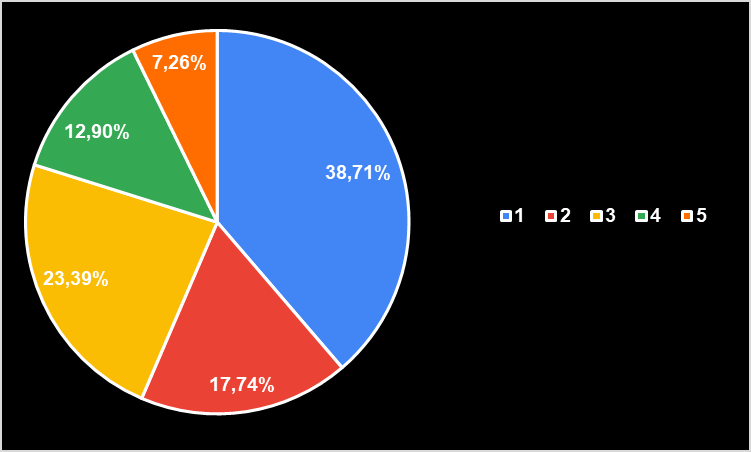
The concept of “Agent Hospital” — AI systems for clinical decisions without human intervention — revealed an ethical barrier: 38.71% of participants totally disagree with this autonomy, while only 7.26% express full confidence.
Figure 21. Level of confidence in AI diagnostics and medical decisions
Source: Original research results
According to Figure 21, although the sample views technology as an opportunity for innovation (Lund et al., 2024), rejection of this model establishes the final boundary of adoption: professionals accept AI for efficiency but reject it when it replaces human judgment in critical decisions. This skepticism is explored by the “black box” phenomenon, which generates distrust due to the opacity of algorithms. For the WEF (2025), human oversight remains indispensable in areas requiring empathy and nuanced judgment, reaffirming that technology should serve as support, not as a substitute for ethical responsibility.
Table 1 summarizes the analytical correlation of the obtained data, revealing a scenario of resilient self-development. While Blocks 1 and 2 demonstrate that professionals are extracting productivity gains and mastering skills, Block 3 exposes the fragility of organizations, where the lack of support and formal training creates a strategic risk. In summary, the advancement of AI in the sample is led by the individual, not the institution, which generates the ethical concern and resistance to fully automated supervision identified in the final questions.
Table 1. Analytical Correlation (N=124)
| Dimension of Analysis | Predominant Profile (N=124) | Strategic Indicator Related |
|---|---|---|
| Education | High (56.45% with postgraduate degree or higher) | Less technological anxiety / Better AI reception. |
| Job Hierarchy | Strategic and Technical (30.64% management; 29.84% Analysts/Specialists) | Audience with high decision-making power and direct exposure to automation. |
| Company Size | Balanced (40.32% SMEs vs. 35.48% Large Companies) | Technological democratization: AI is viable and vital for the survival of SMEs. |
| Familiarity with AI | High Adoption (74.2% actively use) | Rapid corporate penetration. Literacy is essential to avoid obsolescence. |
| Areas of Greatest Risk of Automation | Content Creation (35.48%) and Data Processing (32.26%) | Expansion of AI into cognitive and creative dimensions. Structural change of intellectual work. |
| Perception of Efficiency Gains | Evident (41.13% save 1-3h/week) | Phenomenon of work “Augmentation”: AI as a complement to human capabilities. |
| Vital Skills (Skills Gap) | Critical Thinking (58.1%) and Prompt Engineering (41.1%) | Urgency of AI literacy. Competitive advantage is the union of technical and human. |
| Training Engagement | Low (43.5% did not train in the last 12 months) | It correlates with the feeling of institutional helplessness (skills gap). |
| Institutional Risk Perception | Failures in Change Management (28.23% – communication/training) | Cultural resistance is the biggest bottleneck. Need for an ‘innovation culture’. |
| Disposition to the Work Model | Rejection of full automated supervision (31.5% disagree) | Concern about the loss of human agency and “algorithmic management”. |
| Ethical Boundary | Insurmountable barrier: Autonomy for critical decisions (Ex: Agent Hospital – 38.71% refuse) | Professionals accept AI for efficiency, but reject it as a substitute for human moral judgment. |
Source: Original research results
4. Conclusion
The present research aimed to analyze the perceptions of operational professionals from different sectors on the impact of Artificial Intelligence in the labor market, identifying the main trends and challenges. It was found that Artificial Intelligence is already widely integrated into the daily lives of these professionals, with a high adoption rate that characterizes them as “early adopters”. It was observed that automation has advanced significantly in cognitive tasks, such as content creation and data processing, generating productivity gains that freed up between one and eight hours per week for most respondents. However, this transition revealed critical barriers, such as lack of training and ethical concerns, highlighting a mismatch between the speed of technological evolution and the qualification capacity of the workforce. The main contribution of the study lies in the reconfiguration of the professional qualification paradigm, which shifts from technical execution to strategic curation, supervision, and decision-making, requiring the integration of machine efficiency with intrinsically non-automatable human competencies.
Despite optimism about productivity, significant resistance was noted towards algorithmic management and the replacement of human judgment in critical decisions, as exemplified by the concept of the “Agent Hospital,” establishing an ethical boundary for the full adoption of AI. Career sustainability depends on preserving human agency and moral responsibility, with human oversight remaining indispensable in areas requiring empathy and nuanced discernment. As a limitation, this research was restricted to the analysis of a non-probabilistic and cross-sectional sample, which prevents the generalization of results to the entire Brazilian labor market and does not allow for tracking the evolution of perceptions over time. It is suggested that future research explore specific sectoral segments to identify regional or area-specific disparities, as well as conduct longitudinal studies that track how the advancement of AI autonomy will impact the remuneration and stability of operational roles in the long term.
Bibliographic References
Acemoglu D; Restrepo P. 2018. The Race between Man and Machine: Implications of Technology for Growth, Factor Shares, and Employment. American Economic Review, Vol. 108, No. 6.
Acemoglu, D.; Autor, D.; Hazell, J.; Restrepo, P.. 2022. “Artificial Intelligence and Jobs: Evidence from Online Vacancies.” Journal of Labor Economics 40 (S1): S293–340. https://doi.org/10.1086/718327.
Agarwal, A.; Gans, J.S.; Goldfarb, A. 2018. Prediction machines: The simple economics of artificial intelligence. Cambridge, MA: Harvard Business Review Press.
Brynjolfsson, E.; Mitchell, T.; Rock, D. 2018. “What can machines learn, and what does it mean for occupations and the economy?” AEA Papers and Proceedings 108:43–47.
Gmyrek, P., Berg, J., Bescond, D. (2023). Generative Al and jobs: A global analysis of potential effects on job quantity and quality. ILO Working Paper 96. Geneva: International Labour Office.
Marx, K. 1996. Maquinaria e grande indústria. In K. Marx. O Capital: crítica da economia política, Vol. 2, p. 7-133, São
Article originating from the Course Conclusion Work of the Specialization in Business Management of the MBA USP/Esalq
To learn more about the course, click here and access the MBX Academy platform