
October 22, 2026
Psychosocial Risks and Mental Health at Work in a Banking Institution
Ari Oliveira Carvalho; Adriana Telk
DOI: 10.22167/2675-6528-202603760
Article derived from a Term Paper (TCC), with content based on the student’s original work and adapted to the editorial format of the E&S Magazine with the support of the ResumeAI tool, an artificial intelligence solution developed by the Pecege Institute for textual synthesis and organization.
Summary
Mental health in the workplace is a topic of growing relevance, impacting professional development and employee well-being. A study was conducted to identify aspects and situations that can influence absenteeism levels in a banking institution. The research involved 108 participants and used a structured questionnaire, based on the short version of COPSOQ II by Gonçalves (2021), which contained 45 closed-ended Likert scale questions and two open-ended questions. Data were collected via an online platform and analyzed with a descriptive and quantitative approach. The results revealed a scenario that indicated the need for adjustments in the distribution of activities and in managers’ perception of behaviors and signs of disorders. Important evidence was identified in the participants’ open-ended responses. It was concluded that the study contributed to promoting the perception of a safe environment for mental health in the organization.
Keywords: Absences due to disorders; Professional development; Operational leadership; Medical leave; Mental health.
1. Introduction
Mental health in the workplace has been consolidated as a topic of growing relevance in the Brazilian organizational and social context. There has been a significant increase in work absences due to mental disorders, reflecting significant changes in organizational conditions. Candioto and Sttica (2025) highlight that the rates of absences due to mental disorders in Brazil reached almost half a million cases in 2024. Additionally, data from the Ministry of Social Security (MPS, 2026) indicate that, of the approximately 3.5 million medical leave requests, more than ten percent were related to mental disorders.
This reality is corroborated by the high numbers of medical leaves due to temporary disability and the increase in occupational diseases, as pointed out by the National Confederation of Workers in Credit Companies (CONTEC, 2026). These factors can be detrimental to professional development and psychological health, affecting self-esteem and generating insecurities. Added to these aspects are the presence of unempathetic leadership practices and the imbalance between personal and professional life, elements that can result in chronic stress, anxiety, and a drop in performance.
Regarding mental health, Araújo et al. (2017) highlight the relationship between the activities performed and the psychological illness of collaborators. In this sense, psychological safety in the workplace is not restricted solely to the absence of mental disorders, but involves the recognition of individual capabilities, the ability to cope with daily tensions, and the productive and satisfactory execution of functions. However, the individual is not exempt from developing future psychological illnesses.
The concern with excessive workload and pressure for results is a critical factor. Leite (2020) points out that long working hours and excessive pressure are the main causes of psychological illnesses and absences. Distinct and poorly defined activities, which do not correspond to the position, can also generate anguish and demotivation. For Gonçalves and Gonçalves (2023), leadership capacity, focused on communication and mutual understanding, is essential to face situations that negatively impact the work environment.
In view of this scenario, the performance of a conscious operational leadership, capable of promoting a healthy environment based on dialogue, respect, and psychological safety, is fundamental for the well-being of employees and the sustainability of organizational results. The early identification of psychosocial risks allows organizations to act preventively, reducing costs related to absenteeism and turnover, in addition to meeting the legal requirements for risk management provided for in Regulatory Standard 1 (NR-1). Thus, the relevance of mental health in the workplace transcends individual well-being, becoming a strategic factor for sustainable economic development and the promotion of collective health.
The motivation for this research arose from the need to assess psychosocial risks and mental health in a banking institution, a context in which such issues are observed in practice and where record rates of absenteeism are registered. Thus, the present study is justified as a strategic tool for valuing human capital and aims to address psychosocial risks and the mental health status of an organization’s employees, in order to propose people management strategies focused on promoting well-being and preventing occupational illness.
2. Material and Methods
The present study adopted a descriptive and quantitative approach, based on the methodology proposed by Gil (2017). The descriptive research focused on the perception of collaborators and leadership regarding the organizational climate, seeking suggestions for improvements. The quantitative approach employed the survey research method, using a questionnaire.
The research was applied to 108 collaborators, including own and outsourced employees, from an institution. The structured questionnaire was developed on the Google Forms platform and sent via link through the WhatsApp application. Before responding, participants had access to the Consent agreement and a brief presentation on the topic. The research was conducted anonymously and optionally, without researcher intervention.
The questionnaire consisted of nine sections, totaling 47 questions (45 closed-ended and 2 open-ended), as detailed in Appendix 1 of the original TCC. The 45 closed-ended questions were predominantly measured using a five-point Likert Scale, ranging from 1 (Never/almost never or Nothing/almost nothing) to 5 (Always or Extremely). The instrument used was the COPSOQ II – short version, developed by Kristensen and Borg and adapted for Brazil by Gonçalves (2021).
The questionnaire sections addressed: sociodemographic and professional information (Section 1); work demands (Section 2); leadership and social relations at work (Section 3); work-individual interface (Section 4); perceived general health (Section 5); work-family conflict (Section 6); mental health and well-being (Section 7); and offensive behaviors at work (Section 8). Section 9 contained the two open-ended questions, which allowed respondents to describe stress, dissatisfaction, and suggest improvements.
Before the definitive application, the instrument underwent a pre-test with 5 laypeople and 5 institutional collaborators (not included in the final sample). The pre-test evaluated the clarity, comprehension, language adequacy, response time, and coherence of the instrument, following Gil (2010) guidelines. Minor adjustments were made to open-ended questions 46 and 47 of Section 9, resulting in the final version of the questionnaire.
Data collection occurred over 30 days, from December 06, 2025 to January 06, 2026, with participant selection based on convenience.
For the data analysis, the Excel software was used for structuring graphs and tables. The quantitative analysis was based on percentages to evaluate the collaborators’ perceptions in each section. The qualitative open-ended questions were analyzed by identifying recurring responses to understand the perception of the environment and suggestions for improvements. For the scenario analysis, comparing literature, results, and discussions, the SWOT analysis method was employed.
3. Results and Discussion
The analysis of the results was organized into sections, initially addressing the sociodemographic and professional profile of the participants. Subsequently, employees’ perceptions of work demands, work organization, leadership, social relations, work-individual interface, general perceived health, work-family conflict, mental health and well-being, and offensive behaviors were explored. The final section integrated the qualitative responses, offering an analytical understanding of the quality of mental health in the workplace.
Section 1 – Sociodemographic and professional profile
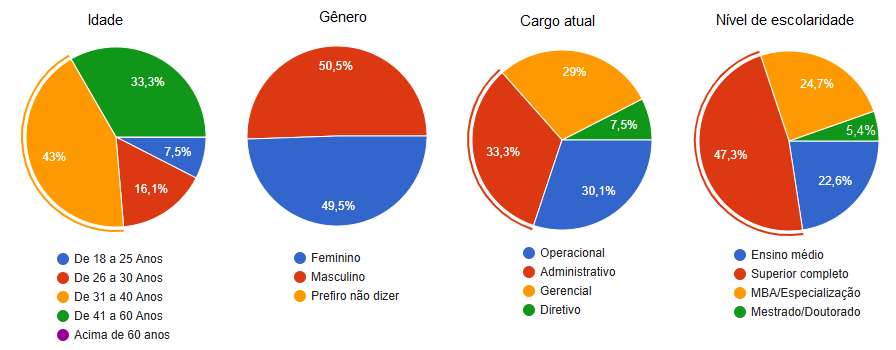
The sample analysis of 108 responses revealed a gender balance, with 50.5% men and 49.5% women, and professional maturity, where 43% of participants were between 41 and 60 years old. The group proved to be qualified, with 72% holding a bachelor’s degree or postgraduate education. The job position structure showed a balanced distribution between administrative (33.3%), operational (30.1%), and managerial (29%), indicating diverse perspectives to be considered.
Figure 1. Research participants’ outcome
Source: Original research results
Section 2 – Labor Requirements, Work Organization and Task Content
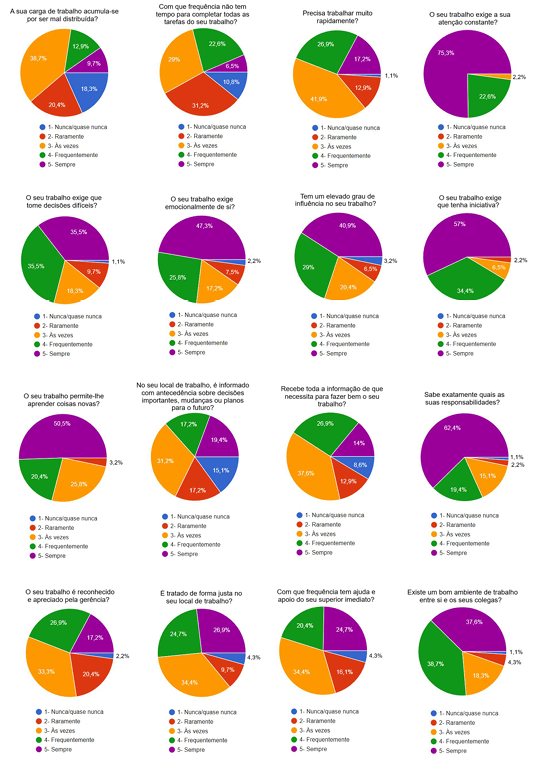
Critical points were identified in the labor demands. Although 62.4% of employees knew their responsibilities, 41.9% reported a fast-paced work rhythm. Mental effort had the greatest impact, with 75.3% requiring constant maximum-level attention. Emotional pressure was intense for 47.3% of the sample. These data suggest that the organization operates under high mental and emotional tension, which may have implications for employee prospects. According to Leite (2020), clarity of responsibility loses value if activities are marked by a fast pace and lack of support. Worker mental health requires the organization to respect the limits of human capacity and assign meaning to the functions performed.
Figure 2. Result of requirements, organization, and tasks
Source: Original research results
Section 3 – Leadership and Social Relations at Work
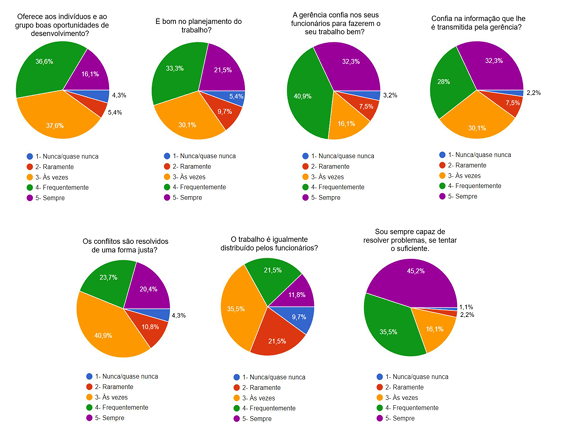
The results indicated good internal communication, with 32.3% of collaborators trusting the management’s information. Activity planning was considered a strong point by 33.3%, but development opportunities were moderate, reaching 36.6% of the sample recurrently. The data suggest an organizational structure where responsibilities are known, but task distribution by management is not always equitable, and conflicts are not always resolved fairly, with 40.9%. Leite (2020) points out that uncommunicated advance decisions cause discomfort, affecting the collaborator’s sense of importance. The author suggests that leaders use direct dialogue channels so that collaborators feel part of the solution.
Figure 3. Result of leadership and social relations
Source: Original research results
Section 4 – Work-Individual Interface
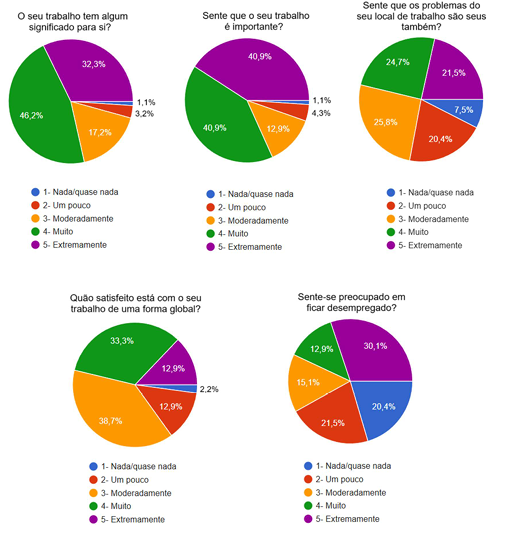
The collaborators demonstrated knowledge of the meaning and importance of their activities. Job satisfaction was positive, with 46.2% of the sample declaring themselves very or extremely satisfied. However, job insecurity emerged as a warning factor, with 21.5% expressing some discomfort with unemployment. These findings indicate an engaged group, but one that is emotionally vulnerable to market instability. Araújo et al. (2017) explain that collaborators may feel vulnerable due to the daily pressure to prove their capabilities, fearing replacement, and that a lack of balance in this interface can compromise their mental health.
Figure 4. Work interface result
Source: Original research results
Section 5 – General Perceived Health
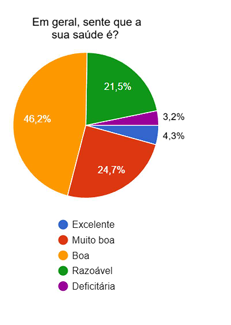
The perception of employees’ general health status indicated stable conditions for the majority, with 46.2% rating their health as good and 24.7% as very good. Only 4.3% described it as excellent, while 21.5% considered it fair, highlighting an opportunity for well-being promotion actions. Araújo et al. (2017) observe that productivity is often confused with health, leading employees to exhaust themselves under excessive demands and to normalize a mediocre health status to remain in the market.
Figure 5. General health outcome
Source: Original research results
Section 6 – Work-Family Conflict
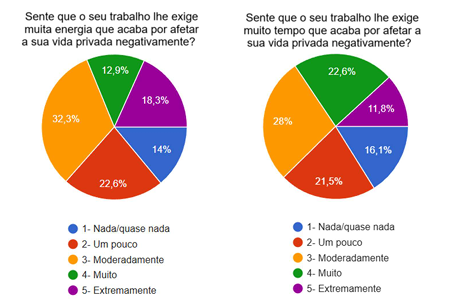
This section revealed an instability in the relationship between professional and personal life. A total of 65.6% of collaborators reported that work demands more energy and time, negatively affecting their private life (summing the very and extremely levels). This data suggests that work activities frequently exceed the limits of the official workday, impacting rest and family life. Gonçalves and Gonçalves (2023) emphasize the need for activity flows to be well-planned by leadership to avoid excessive overtime and contact with the collaborator outside working hours, preserving their rest time.
Figure 6. Sample of work and family
Source: Original research results
Section 7 – Mental Health and Well-being
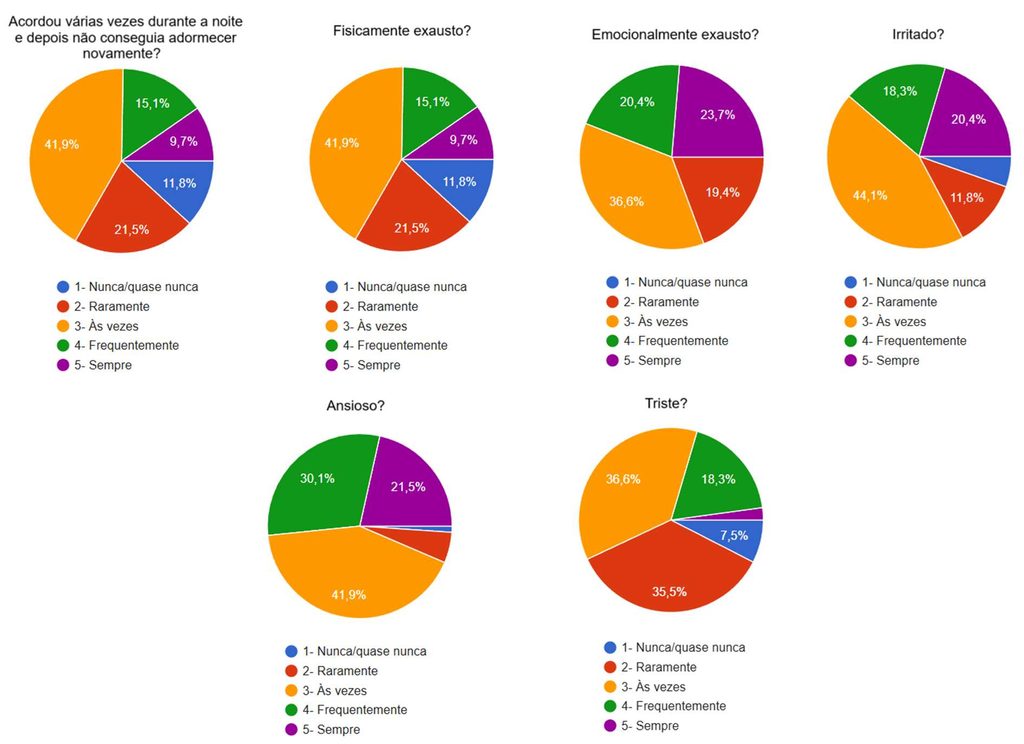
Mental health indicators showed warning signs. Anxiety was reported by 51.6% of respondents (frequently and always), and 44.1% declared emotional exhaustion recurrently. Furthermore, 24.8% suffer from insomnia, with difficulties sleeping and resuming rest. Physical fatigue was also relevant for 24.8% of employees, indicating weariness from the professional routine. According to Gonçalves and Gonçalves (2023), an emotionally exhausted worker tends to limit their initiatives and perform only the minimum of their activities to avoid dismissals, which suggests a concern in maintaining minimum productivity, even aware of their responsibilities and potential to go beyond.
Figure 7. Health and well-being outcome
Source: Original research results
Section 8 – Offensive Workplace Behaviors
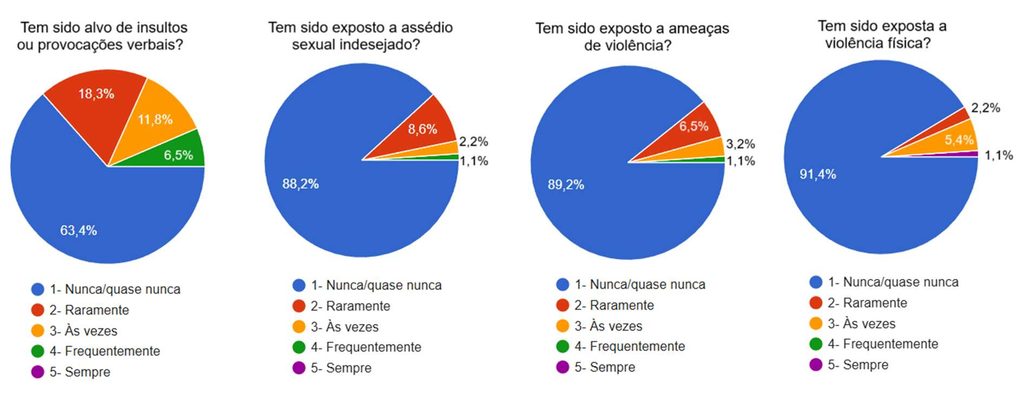
Data on exposure to interpersonal risks indicated low rates of physical violence (91.4% never exposed) and sexual harassment (88.2% never exposed). However, points of friction in dialogues were observed, with 11.8% of collaborators reporting having been targets of verbal offenses or provocations in the workplace. Leite (2020) argues that minor provocations and discussions can make the environment psychologically disturbed, and the absence of support from management can lead to an environment of emotional exhaustion, perpetuating this scenario through the omission or complicity of management.
Figure 8. Result of offensive behaviors
Source: Original research results
Section 9 – Open questions
The 14 responses extracted from the 72 open-ended questions reinforced the quantitative data, identifying communication failures between departments, workload overload, and management disorganization as the main generators of stress and dissatisfaction. Araújo et al. (2017) point out that management rarely perceives employees’ mental effort, and disorganized infrastructure demands results even with a sense of stagnation. Suggestions for improvement focused on career plans, process flow optimization, and specialized psychological support. Gonçalves and Gonçalves (2023) highlight that the perception of those who experience the operation daily is valuable for the efficiency and improvement of activities, being considered “gold” by modern management.
Table 1. Stress or dissatisfaction generator
| Position | Respondents |
|---|---|
| Administrative | Service and responsibility overload, disproportionate division of activities. Because I end up stressed and having to work more than the others on the team |
| Administrative | Perform activities that are not part of the position |
| Administrative | Overwork and no financial recognition |
| Administrative | Lack of organization and lack of command from managers and directors of the areas |
| Operational | I believe that the 12×36 scale, by not allowing commitments or overtime, |
| Directive | Overwork |
| Administrative | Goals inconsistent with the complexity of activities |
Source: Original research results
Table 2. Suggestion for improving well-being and environment
| Position | Respondents |
|---|---|
| Operational | As a suggestion for improving well-being and the quality of the work environment, I consider essential the strengthening of internal communication, respect for each collaborator’s responsibilities, and the valuing of mental health. An organized environment, with well-defined roles and space for dialogue, contributes directly to productivity, engagement, and employee satisfaction. |
| Managerial | Change how you treat those below you, have a career plan for everyone, and have a healthy work environment. |
| Managerial | A work environment that prioritizes well-being not only attracts and retains talent but also reduces absenteeism and significantly increases overall team satisfaction and engagement. Investing in people is the most strategic investment for the organization’s long-term success. |
| Operational | I asked for more dialogue, and to know more about people’s opinions |
| Administrative | Improve communication, and review internal procedures, is still not clear to everyone. |
| Managerial | Improve the physical and emotional structure of everyone, make the work environment a light and productive place |
| Administrative | Place each one in their respective areas of expertise, fulfilling the workload stipulated in each professional’s contract |
Source: Original research results
Questionnaire Results Assessment
The research revealed a profile of predominantly adult participants, with the majority between 31 and 60 years old, and a balanced gender distribution. The sample is qualified, with most holding a complete higher education or postgraduate degree, and a diversity of positions concentrated in administrative and operational levels. These profile characteristics may influence the perception of the analyzed data.
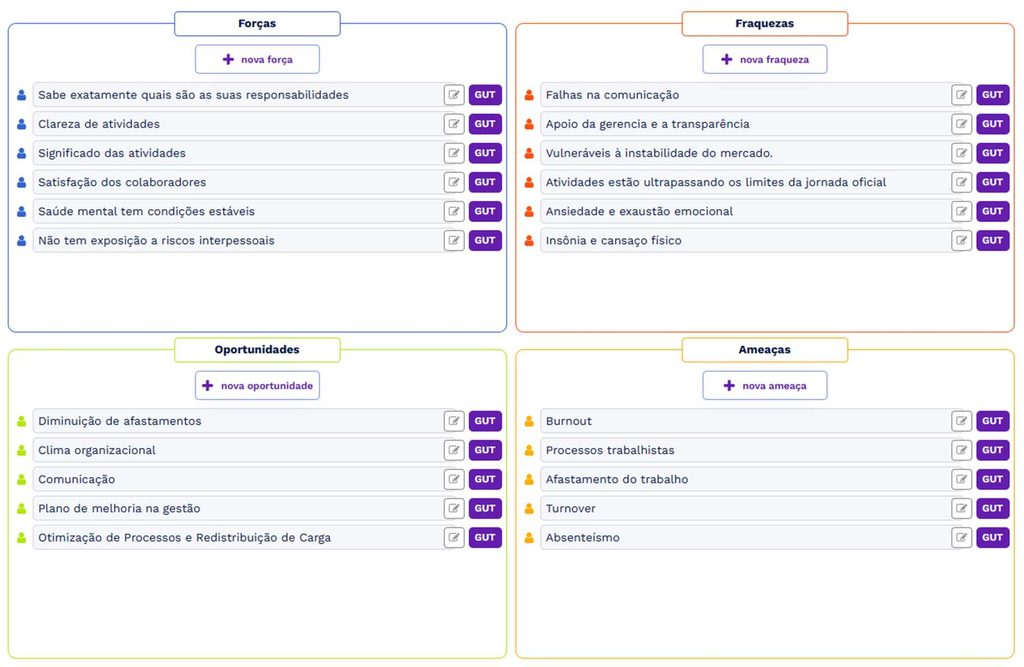
For the evaluation and discussion of the questionnaire results, SWOT analysis was used, which outlined the institution’s scenario.
Figure 9. SWOT Analysis
Source: Original research results
The analysis of the data, from the perspective of strengths, indicated that employees understand the purpose of their responsibilities, with 62.4% reporting constant clarity. Work is perceived as significant and important, with the majority of respondents assigning top scores (4-Very and 5-Extremely) to questions about the meaning and importance of work (questions 28 and 29). This perception of meaning in work promotes resilience, according to Steger (2016), and acts as protection for mental health in the face of moderate pressures (Camalionte and Boccalandro, 2017).
Among the weaknesses, the lack of transparency in the communication of decisions and future plans stood out, with 15.1% of respondents indicating they are never or almost never informed and 17.2% rarely. This failure contributes to dissatisfaction and the manifestation of physical and mental symptoms, such as emotional exhaustion and sleep problems, a scenario of exhaustion when demands exceed resources (Carneiro et al., 2022). The absence of clear communication also negatively affects psychological safety, generating a sense of exclusion (Edmondson, 2020).
The opportunities identified, based on the suggestions in the open-ended questions, point to the need for management review, including the automation and speed of processes, reorganization of tasks to avoid overload, and strengthening communication. Akgun et al. (2025) emphasize the importance of management that alleviates overload and invests in humanized interactions to improve collaboration and reduce absenteeism. The distribution of activities was perceived as irregular, with 35.5% of participants indicating that the work is “sometimes” equally distributed among employees, suggesting room for optimization.
Among the threats, the risk of burnout stands out, driven by emotional exhaustion. Irritability was reported by 44.1% of participants, associated with demanding and exhaustive routines. Maslach (2023) explains that professional exhaustion arises from the inequality between workload and reward. The perception that work demands too much time and negatively affects private life was moderate for 28% of participants, a scenario that can contribute to turnover.
In general, the results of the SWOT analysis and the evidence from the literature indicate the need for improvements in various aspects of the organization. With adequate initiatives, there is potential for collaborators to actively contribute to improvements and to the development of a work environment that promotes mental health.
4. Conclusion
The study sought to address the psychosocial risks and the mental health status of employees in a banking institution, with the aim of informing people management strategies focused on promoting well-being and preventing work-related illness. It was found that a significant portion of the workforce experienced an accelerated work pace and high demand for mental effort, accompanied by intense emotional pressure. It was observed that the distribution of activities was not always equitable and that communication about important decisions was flawed, generating dissatisfaction. Additionally, it was identified that the work demanded excessive energy and time, negatively impacting the personal lives of employees. The findings revealed warning signs for mental health, with frequent reports of anxiety, emotional exhaustion, and sleep difficulties, indicating significant wear and tear from the professional routine.
The main contribution of this study lies in transforming employees’ individual perceptions into practical data, which can support leadership in creating a healthier work environment and reducing absences due to psychological issues. The analysis allowed for the early identification of psychosocial risks, providing subsidies for the organization to act preventively and value human capital. However, the research was limited by the convenience selection of participants and the specificity of the banking institution, which restricts the generalization of the results. For future studies, it is suggested to investigate the implementation of career plans, the optimization of process flows, and the effectiveness of specialized psychological support, according to the needs expressed by employees, aiming to improve management and promote an environment of lasting psychological safety.
Bibliographic References
Akgün, A.; Keskin, H.; Başaran, H. 2025. Compaixão organizacional: uma extensão conceitual e desenvolvimento de escala .Disponível em: . Acesso em: 12 abr. 2026.
Araújo, T.M.; Palma, T.F.; Araújo, N.C. 2017. Vigilância em saúde mental e trabalho no Brasil: características, dificuldades e desafios. Disponível em: . Acesso em: 28 out. 2025.
Camalionte, L.G.; Boccalandro, M.P.R. 2017. Felicidade e bem-estar na visão da psicologia positiva. Disponível em: . Acesso em: 11 abr. 2026.
Candioto, A.; Sticca, M. 2025. Afastamento do trabalho por transtornos mentais cresce 68% no Brasil. Disponível em:. Acesso em: 08 fev. 2026.
Carneiro, L.L.; Medeirosa, G.T.; Araújo, I.S.; Abbas, M.A.A. 2022. Demandas e Recursos no Trabalho Mediado por Plataformas Digitais: Uma Revisão de Escopo da Literatura. Disponível em: . Acesso em: 12 abr. 2026.
Confederação Nacional dos Trabalhadores nas Empresas de Crédito [CONTEC]. 2026. Brasil tem mais de 546 mil afastamentos por saúde mental em 2025 e bate recorde pela segunda vez em 10 anos. Disponível em: . Acesso em: 4 abr. 2026.
Edmondson, A. 2020. O Impacto do silêncio nas organizações. Disponível em: Acesso em: 12 abr. 2026.
Gil, A.C. 2010. Como elaborar projetos de pesquisa. Disponível em: . Acesso em: 01 fev. 2026.
Gil, A.C. 2017. Como elaborar projetos de pesquisa. 6ed. Atlas, São Paulo, SP, Brasil. Disponível em: . Acesso em: 01 fev. 2026.
Gonçalves, H.G.; Gonçalves Jr.; H.G. 2023. Liderança operacional de alto impacto. 1ed. Alta Books, São Paulo, SP, Brasil. Disponível em:. Acesso em: 25 out. 2025.
Gonçalves, J.S. 2021. Adaptação intercultural e propriedades psicométricas da versão curta do COPSOQ II-Brasil. Disponível em: . Acesso em: 01 jan. 2026.
Leite, L.S. 2020. Saúde mental no trabalho e atitude empreendedora. 1ed. Érica, São Paulo, SP, Brasil. Disponível em: . Acesso em: 12 dez. 2025.
Maslach, C. 2023. O esgotamento profissional é uma crise de sobrevivência. Disponível em: . Acesso em: 12 abr. 2026.
Ministério da Previdência Social [MPS]. 2026. Previdência Social concede 546.254 benefícios por incapacidade temporária por transtornos mentais e comportamentais. . Acesso em: 29 jan. 2026.
Steger, M. 2016. Criando significado e propósito no trabalho . Acesso em: 02 fev. 2026.
Article originating from the Final Course Work of the Specialization in People Management of the MBA USP/Esalq
To learn more about the course, click here and access the MBX Academy platform