
August 10, 2026
Bitcoin as a diversification instrument for the Brazilian investor
Lucas Pessini Silvestre; Lucineide Bispo Dos Reis Luz
DOI: 10.22167/2675-6528-202601104
Article prepared by the ResumeAI tool, an artificial intelligence solution developed by the Pecege Institute focused on synthesis and writing.
Abstract
The rapid rise of Bitcoin as an investment alternative, coupled with the growth of the financial market in Brazil and the high interest in cryptocurrencies, has intensified the debate about including this asset in investment portfolios. The study aimed to measure the impact of Bitcoin allocation on the performance of different portfolios, evaluating its effectiveness as a diversification tool in portfolios composed of Brazilian financial market assets. To this end, an exploratory quantitative approach was adopted, using historical market data from 2020 to 2024. Five portfolios were structured: a base portfolio, composed of Ibovespa and CDI, and four additional portfolios with Bitcoin allocations in proportions of 1%, 3%, 5%, and 10%, with quarterly rebalancing. The analysis was performed by calculating performance and risk metrics, such as return, volatility, and Sharpe ratio, and through scenario simulations using multiple linear regression. The results indicated that Bitcoin exposure promoted a progressive improvement in the risk-adjusted performance of the analyzed portfolios, increasing returns and the Sharpe ratio. Allocations of up to 5% of Bitcoin contributed to reducing the total portfolio volatility, while a 10% allocation increased it, highlighting Bitcoin’s low correlation with traditional assets as a crucial factor for diversification. It was concluded that Bitcoin can act as a relevant diversification tool for Brazilian investors, provided its inclusion is moderate and aligned with their risk profile, with proportions between 3% and 5% presenting the most efficient risk-return relationship.
Keywords: Asset allocation; Cryptoassets; Portfolio performance; Risk-return; Volatility.
1. Introduction
Bitcoin, introduced by Nakamoto (2008) as a peer-to-peer electronic cash system, has rapidly transcended its original conception. Its scarce, divisible, and portable nature, according to Ulrich (2014), has positioned it as an asset with robust financial characteristics. The meteoric rise and global acceptance have solidified its interpretation as a new asset class, uncorrelated with traditional assets (Mukherji, 2022), crucial for diversification. Additionally, Bitcoin shares similarities with gold, such as decentralized governance, inflation independence, and limited supply, leading it to be nicknamed “digital gold” (Shahzad et al., 2019; Dyhrberg, 2016). Studies by Baur et al. (2018) and Corbet et al. (2018) reinforce that Bitcoin exhibits distinct behavior from conventional assets, offering diversification benefits in both stable and uncertain market periods, contributing to increased returns and reduced portfolio risk.
In parallel with the evolution of Bitcoin, the investment landscape in Brazil has undergone significant transformations. Traditionally, the market offered attractive returns in fixed income, driven by high interest rates, such as the Selic and CDI, benchmarks for low-risk investments (Assaf Neto, 2018). However, from 2016 onwards, successive cuts in the basic interest rate reduced the attractiveness of fixed income, encouraging investors to seek alternatives with greater return potential (ANBIMA, 2022). This shift resulted in exponential growth in the number of investors in the Brazilian stock exchange, jumping from 564,000 people in 2016 to over five million in 2022 (B3, 2024). In this context, interest in cryptocurrencies in Brazil has grown exponentially. A survey by Datafolha and Paradigma Education (2025) revealed that cryptocurrencies are among the five most popular investment forms in the country. The study indicated that fifty-four percent of Brazilians know Bitcoin and sixteen percent have owned some cryptoasset, positioning Brazil as the seventh largest global market, with eighteen point three percent considering it a good option for diversification.
Modern Portfolio Theory (MPT), formulated by Markowitz (1952), constitutes the fundamental pillar for the construction of efficient investment portfolios, postulating that diversification among assets with low correlation optimizes the risk-return relationship. In the Brazilian scenario, asset allocation strategies, such as the classic sixty/forty portfolio (60% in equities, such as Ibovespa, and 40% in fixed income, such as CDI), have gained prominence. This strategy is recognized for its ability to reduce volatility and promote efficient long-term returns, due to the low historical correlation between stocks and fixed-income securities (Pham et al., 2025). In Brazil, the sixty/forty strategy has proven effective, accumulating returns superior to Ibovespa and CDI between 2013 and 2023 (Economatica, 2023). The inclusion of new assets, especially those with distinct characteristics and low correlation, such as Bitcoin, presents the potential to enhance portfolio efficiency, aligning with the principles of MPT and offering new avenues for risk-return optimization.
Given the transformation of the Brazilian financial market and the growing interest in cryptoassets, it becomes imperative to understand the impact of Bitcoin’s inclusion on the construction and performance of investment portfolios. The relevance of this study lies in providing empirical evidence on the effectiveness of Bitcoin as a diversification instrument for Brazilian investors, a topic still under development in national literature. Thus, the present work seeks to answer the question: does the inclusion of Bitcoin contribute to the improvement of the efficiency of investment portfolios in the Brazilian market? To this end, the study aims to measure the impact of Bitcoin allocation on the performance of different portfolios, evaluating its effectiveness as a diversification instrument in portfolios composed of assets from the Brazilian financial market, through the analysis of performance and risk metrics and scenario simulations.
2. Material and Methods
The present study adopted an exploratory quantitative approach, seeking to evaluate the impact of Bitcoin’s inclusion on the performance of investment portfolios. The research focused on measuring how the allocation of this cryptoasset influences risk and return metrics in portfolios composed of assets from the Brazilian financial market. To this end, historical data and statistical modeling were used, allowing for a robust analysis based on Modern Portfolio Theory, as proposed by Markowitz (1952).
The investigation was contextualized within the Brazilian financial market, an environment that has undergone significant transformations in recent years, with growing interest in investment alternatives. The study analyzed a five-year period, from January 1, 2020, to December 31, 2024. The main unit of analysis consisted of different investment portfolios, structured to simulate asset allocation strategies with and without the presence of Bitcoin.
The population of assets considered for portfolio composition included the Ibovespa index, which represents Brazilian market variable income, the Interbank Deposit Certificate (CDI), as a benchmark for fixed income, and Bitcoin, as the cryptocurrency of interest. The data sample consisted of daily closing prices of Ibovespa and daily returns of CDI, obtained from B3, and daily Bitcoin quotes in reais, collected from the CoinMarketCap platform.
To ensure data consistency and comparability, rigorous selection criteria were established. Only dates with simultaneous trading of all three analyzed assets were considered. Dates without Ibovespa and CDI trading, which occur on weekends and holidays, were excluded from the sample, thus avoiding distortions in calculations and ensuring that all assets had available data for each evaluated time point.
Initially, five distinct portfolios were structured for the analysis. A base portfolio, named PB, was established following the classic 60/40 allocation strategy, composed of sixty percent in variable income assets, represented by Ibovespa, and forty percent in fixed income assets, represented by CDI. This portfolio served as a reference for subsequent comparisons.
Starting from the base portfolio, four additional portfolios were composed, incorporating Bitcoin in different proportions. These portfolios were named PBTC1, PBTC3, PBTC5, and PBTC10, with Bitcoin allocations of one percent, three percent, five percent, and ten percent, respectively. The inclusion of Bitcoin was carried out by proportionally reducing the share of variable income, while keeping the allocation of forty percent in fixed income constant, as detailed in Table 1.
Table 1. Portfolio composition
|
Asset |
GDP |
Real GDP |
PBTC3 |
PBTC5 |
PBTC10 |
|
Ibovespa |
60% |
59% |
57% |
55% |
50% |
|
CDI |
40% |
40% |
40% |
40% |
40% |
|
Bitcoin |
0% |
1% |
3% |
5% |
10% |
Source: Original survey data
To preserve the asset allocation and risk profile originally defined for each portfolio, a quarterly rebalancing practice was adopted. This rebalancing frequency, according to Bessler and Wolff (2015), tends to present superior performance compared to monthly or annual rebalancing for most allocation strategies. Daily asset returns were calculated as simple percentage returns, based on the relative variation between consecutive day closing prices.
The evaluation and comparison of the portfolios were carried out through various performance and risk metrics. Cumulative return was calculated to indicate the total variation in the invested value over the analyzed period, while annualized return expressed the investment yield per year, considering compound interest. These metrics allowed for a comprehensive view of the gross performance of each portfolio over time.
For risk measurement, volatility was used, defined as the standard deviation of investment returns, reflecting the dispersion of returns around the average and indicating the uncertainty of expected returns (Assaf Neto, 2018). Additionally, the Sharpe Ratio was employed as a risk-return evaluation measure, relating the risk-free rate to the asset’s return and volatility, indicating the portfolio’s excess return over the risk-free rate (Assaf Neto, 2018).
To complement the performance analysis, an assessment of Bitcoin’s diversification potential was carried out through the correlation analysis between asset returns. The correlation matrix between the daily returns of Ibovespa, CDI, and Bitcoin was calculated. Correlation, a statistical measure indicating the degree of linear association between two variables, ranging from -1 to 1, allowed for the identification of the relationship between assets and the diversification benefit.
In order to complement the historical analysis and project performance in hypothetical scenarios, simulations were performed using the multiple linear regression method. This mathematical method, according to Fávero and Belfiore (2017) and Wooldridge (2016), allows investigating how explanatory variables influence the behavior of a dependent variable, being particularly useful in finance for modeling asset returns and identifying relevant risk factors in investment portfolios.
The execution of the regressions was carried out using the Stats Studio platform, which enabled the modeling of linear regressions from a database. A database was built with the monthly returns of each asset and each portfolio, serving as the foundation for supervised modeling. Five distinct linear regressions were simulated, one for each portfolio, using the portfolio’s monthly return as the dependent variable and the assets’ monthly returns as explanatory variables.
After modeling, the Adjusted Coefficient of Determination (R²) and P-value indicators were observed to verify the model’s explanatory power and the statistical relevance of each independent variable. According to Fávero and Belfiore (2017), an R² close to one indicates greater predictive power, and a P-value below 0.05 indicates statistical significance. Nine distinct monthly asset oscillation scenarios were defined to evaluate portfolio behavior under different market conditions, including situations of joint and divergent movement between Ibovespa and Bitcoin, with the CDI kept constant.
It should be noted that the study presents some methodological limitations inherent to its nature. The use of historical data does not guarantee the repetition of performance in future scenarios, especially considering the volatility of the cryptoasset market. Furthermore, the analysis did not incorporate transaction costs, taxation, or other operational expenses, which may influence net returns. The analyzed period was marked by a significant appreciation of Bitcoin, which may not be replicated in other market contexts.
3. Results and Discussion
To analyze the impact of including Bitcoin in an investment portfolio, the portfolios PB, PBTC1, PBTC3, PBTC5, and PBTC10 were compared using performance and risk metrics. From the daily returns of the Ibovespa index, the CDI, and Bitcoin, the portfolio returns were calculated over a five-year period, considering only business days and applying quarterly rebalancing. Table 2 presents the portfolio metrics for the analyzed period. Transaction, taxation, and operational costs were not considered, so the returns presented represent the gross performance of the portfolios.
Table 2. Performance and risk metrics of the portfolios in the period from Jan. 01, 2020 to Dec. 31, 2024
|
Portfolio |
Accumulated return |
Annualized return |
Volatility |
Sharpe Ratio |
|
GNP |
28,20% |
5,09% |
14,71% |
-0,15 |
|
PBTC1 |
34,68% |
6,14% |
14,57% |
-0,08 |
|
PBTC3 |
48,39% |
8,21% |
14,43% |
0,05 |
|
PBTC5 |
63,12% |
10,28% |
14,45% |
0,18 |
|
PBTC10 |
104,73% |
15,41% |
15,20% |
0,49 |
Source: Original research results
It was found that both the accumulated return and the annualized return increased progressively as the participation of Bitcoin was expanded. The base portfolio (BP), without exposure to the cryptoasset, presented an accumulated return of 28.20% and an annualized return of 5.09%. In contrast, the BPBC10 portfolio, with the largest allocation of Bitcoin (10%), achieved an accumulated return of 104.73% and an annualized return of 15.41% in the same period. This substantial difference, which represents an increase of more than 76 percentage points in the accumulated return and more than 10 percentage points in the annualized return between the portfolio without Bitcoin and the portfolio with 10% Bitcoin, highlights the high return potential that Bitcoin can add to an investment portfolio in the long term. Such behavior is aligned with the observations of Brière et al. (2015), who pointed out that even marginal allocations of Bitcoin are capable of substantially shifting the efficient frontier of diversified portfolios. The inclusion of Bitcoin, even in small proportions such as 1% (BPBC1), already raised the accumulated return to 34.68% and the annualized return to 6.14%, demonstrating that the positive effect is not restricted only to more aggressive allocations.
This same occurrence of progressive appreciation was observed in Figure 1, which shows the temporal evolution of the value of an initial investment of R$ 1,000.00 applied in each portfolio over the analyzed period.
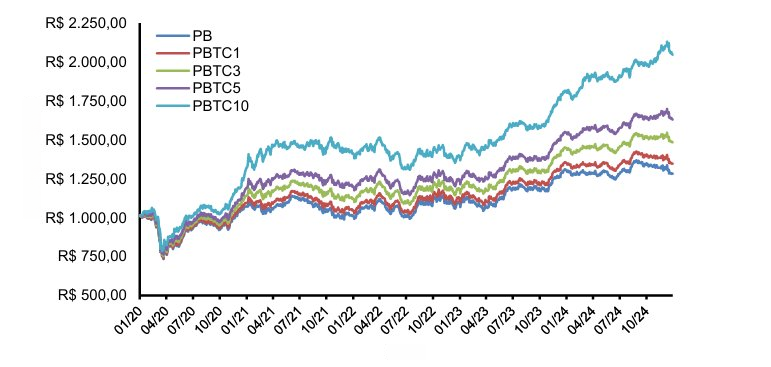
Figure 1. Evolution of the value of an initial investment of BRL 1,000.00
Source: Original research results
Figure 1 clearly illustrates the upward trajectory of portfolios with a higher Bitcoin allocation, with PBTC10 standing out significantly at the end of the period. The growth curve of PBTC10 diverges from the others, especially from mid-2023 onwards, reflecting Bitcoin’s ability to boost overall portfolio performance. This phenomenon can be attributed to Bitcoin’s inherent volatility and potential for explosive appreciation, which, when included in a diversified portfolio, can act as a growth engine. Markowitz’s Modern Portfolio Theory (1952) suggests that combining assets with different risk and return profiles can optimize portfolio performance, and the results presented here indicate that Bitcoin, despite its volatile nature, contributes to this optimization by increasing total returns. The practical implication for Brazilian investors is that the strategic inclusion of Bitcoin, even in modest percentages, can be an effective tool for seeking higher returns than those obtained in traditional portfolios, especially in a scenario of lower interest rates that reduces the attractiveness of fixed income.
Similar results were observed across different time horizons within the analyzed period, reinforcing the consistency of the findings. The analysis of returns over shorter time horizons, such as one, two, and three years, revealed that portfolios incorporating Bitcoin presented superior returns to the base portfolio. This finding is crucial, as it suggests that the benefits of including the cryptoasset in an investment portfolio are not limited to the long term but can also be observed over shorter periods. This observation is particularly relevant for investors with varied investment horizons, indicating that diversification with Bitcoin can be beneficial across different time windows. Similar evidence is presented by Sahu et al. (2024), who highlight that periodic rebalancing of portfolios with cryptocurrencies contributes to maximizing returns and mitigating risks in short-term investments. The quarterly rebalancing practice adopted in this study, as per Bessler and Wolff (2015), likely contributed to maintaining portfolio efficiency, adjusting exposure to Bitcoin and other assets to preserve the desired risk-return profile. This is fundamental for managing Bitcoin’s high volatility and ensuring its contribution to the portfolio is optimized over time.
Regarding annual returns, the detailed data analysis revealed important nuances about portfolio behavior under different market conditions. In 2022, for example, despite the significant devaluation of Bitcoin, it was observed that only PBTC10, the portfolio with the highest exposure to the asset (10%), showed a negative return. The other portfolios with more moderate Bitcoin allocations (PBTC1, PBTC3, PBTC5) maintained positive performance. This result indicates that moderate Bitcoin allocations can offer a balance between return potential and resilience to market shocks, without significantly compromising portfolio performance during periods of cryptocurrency downturn. On the other hand, in 2021 and 2024, periods when the Ibovespa index, which represents traditional Brazilian equities, showed negative performance, it was observed that Bitcoin exposure contributed to mitigating portfolio losses. This behavior is consistent with Corbet et al. (2018), who identified low dynamic correlations between Bitcoin and traditional assets, indicating that the inclusion of cryptocurrency can act as a diversification and risk mitigation tool in investment portfolios. Bitcoin’s ability to decorrelate from traditional assets, especially during stock market stress, is a significant benefit for constructing more robust portfolios. For the investor, this means that Bitcoin is not just a high-return asset, but also a potential “safe haven” in certain market conditions, offering a layer of protection against the volatility of the Brazilian stock market.
Regarding risk, a careful analysis of portfolio volatility revealed an interesting behavior. It was found that portfolios PBTC1, PBTC3, and PBTC5, which incorporated Bitcoin allocations of up to 5%, exhibited lower volatility than the base portfolio (PB), which had no exposure to the cryptoasset.
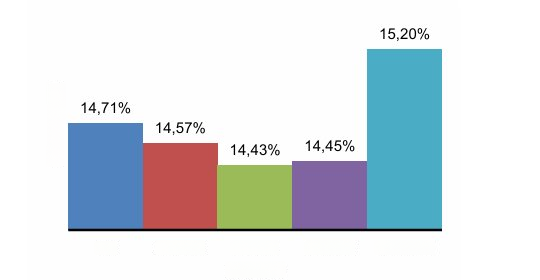
Figure 2. Portfolio Volatility
Source: Original research results
As illustrated in Figure 2, the PB portfolio presented a volatility of 14.71%, while PBTC1 registered 14.57%, PBTC3, 14.43%, and PBTC5, 14.45%. This finding is counter-intuitive at first glance, given that Bitcoin individually has significantly higher volatility (65.60%, according to Table 2). However, its inclusion in moderate proportions contributed to the reduction of the portfolio’s total risk, which can be explained by the low correlation between Bitcoin and traditional assets. This evidence aligns with Modern Portfolio Theory, proposed by Markowitz (1952), according to which diversification among poorly correlated assets can reduce the overall portfolio volatility. Bitcoin’s low correlation with Ibovespa and CDI allows that, even with its high intrinsic volatility, it smooths out the fluctuations of the portfolio as a whole, acting as a buffer in times of decline in traditional assets and vice versa.
In contrast, the PBTC10 portfolio, with a 10% Bitcoin allocation, showed a volatility of 15.20%, higher than the base portfolio and other portfolios with Bitcoin. This indicates that higher Bitcoin allocations tend to amplify portfolio risk. This result reinforces the existence of an optimal diversification point, beyond which increasing exposure to the cryptoasset starts to negatively impact portfolio risk. This finding is consistent with Trimborn et al. (2019), who identified that allocations greater than 5% in cryptocurrencies tend to increase the tail risk of portfolios, i.e., the risk of extreme losses. For the investor, this implies that, although Bitcoin offers high return potential, it is crucial to find a balance in allocation to avoid compromising portfolio stability. Allocations between 1% and 5% appear to be the equilibrium point where diversification benefits outweigh the increase in the asset’s individual volatility.
In general, it was found that the inclusion of Bitcoin continuously improved the risk-adjusted performance of the analyzed portfolios, as illustrated by Figure 3, which presents the Sharpe Ratio of the portfolios.
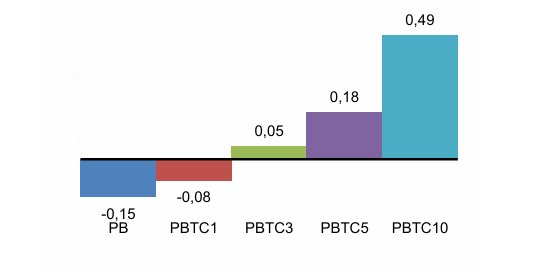
Figure 3. Sharpe ratio of the portfolios
Source: Original research results
The PB portfolio presented a negative Sharpe Ratio (-0.15), indicating that, in the analyzed period, the return obtained was not sufficient to compensate for the risk assumed in relation to the risk-free rate. This result underscores the inefficiency of a traditional 60/40 portfolio in the Brazilian market during the studied period, especially when compared to alternatives that include cryptoassets. From the introduction of Bitcoin, a progressive improvement in the Sharpe Ratio was observed: PBTC1 (-0.08), PBTC3 (0.05), PBTC5 (0.18), and PBTC10 (0.49). This increase in risk-adjusted return, as the allocation in the cryptoasset was expanded, indicates that greater exposures to Bitcoin contributed to the improvement of portfolio performance. This behavior is corroborated by Neto and Colombo (2021), who also observed in their studies that different portfolio models including Bitcoin presented a higher Sharpe Ratio than portfolios composed solely of traditional Brazilian assets. The practical implication is that Bitcoin not only increases returns but does so more efficiently in terms of risk, becoming a valuable component for investors seeking to optimize the risk-return relationship of their portfolios.
Additionally, the correlation matrix analysis showed a low correlation between Bitcoin returns and traditional assets. A slightly positive association was found with Ibovespa (0.17) and close to zero with CDI (-0.06), as presented in Table 3.
Table 3. Correlation matrix of assets
|
Asset |
Ibovespa |
CDI |
Bitcoin |
|
Ibovespa |
1,00 |
-0,01 |
0,17 |
|
CDI |
-0,01 |
1,00 |
-0,06 |
|
Bitcoin |
0,17 |
-0,06 |
1,00 |
Source: Original research results
These results are fundamental to understanding Bitcoin’s diversification potential. A correlation of 0.17 with the Ibovespa is considered low, indicating that Bitcoin’s movements do not closely follow the movements of the Brazilian stock market. Most notably, the correlation of -0.06 with the CDI is practically null, suggesting that Bitcoin moves independently of fixed income. These results reinforce Bitcoin’s potential as a diversification instrument, as its behavior is not strongly associated with the variations of other assets in the analyzed portfolios. As highlighted by Elton et al. (2014), assets with low correlation tend to provide greater diversification benefits when combined in a portfolio, contributing to volatility reduction and improved risk-adjusted performance. An asset’s ability to move independently of others is the cornerstone of effective diversification, and Bitcoin demonstrates this characteristic. This low correlation is one of the main reasons why Bitcoin can be considered a “digital gold”, as suggested by Dyhrberg (2016) and Shahzad et al. (2019), offering an alternative for portfolio protection that was traditionally attributed to commodities like gold. For portfolio managers, this characteristic allows for the construction of more resilient portfolios to sectoral or market shocks, distributing risk more efficiently and potentially increasing expected returns.
Regarding scenario simulations, the application of the multiple linear regression model to the nine previously defined scenarios allowed for projecting portfolio behavior under different market conditions, complementing the historical analysis. The regression results indicated a high explanatory power of the models (R² above 0.97) and the statistical significance of the explanatory variables (P-value below 0.05), conferring robustness to the projections. The scenarios were designed to simulate both joint and divergent movements between Ibovespa and Bitcoin, with the CDI kept constant.
In the most adverse scenarios, where the Ibovespa and Bitcoin showed sharp drops (Scenario 1, for example, with -10% for Ibovespa and -30% for Bitcoin), it was observed that the increase in exposure to the cryptoasset intensified portfolio losses. In Scenario 1, the return of PB was -5.63%, while the PBTC10 portfolio presented a loss of -7.70%. This result is crucial, as it demonstrates that, under extremely unfavorable market conditions and with positive correlation between risk assets, Bitcoin’s high volatility can amplify losses, rather than mitigate them. This highlights the importance of active risk management and the need to consider the nature of market movements when allocating to cryptoassets.
On the other hand, in a more favorable market context, represented by Scenarios 4 and 5, it was found that the presence of Bitcoin contributed significantly to the elevation of returns. In Scenario 5, for example, where Ibovespa and Bitcoin experienced significant appreciation, the monthly return of PB was 6.13%, while PBTC10 reached 8.31%, evidencing a relevant gain as the participation of the crypto-asset increases. This result suggests that, in periods of joint market appreciation, Bitcoin acts as an asset with high return potential, substantially increasing portfolio performance. For the investor, this means that Bitcoin can be an excellent driver of returns in bull markets, capitalizing on its rapid appreciation capacity.
In situations where the Ibovespa and Bitcoin moved in opposite directions, the results were particularly elucidating about Bitcoin’s diversification role. In Scenarios 6 and 7, where the Ibovespa rose (10% and 5%, respectively), but Bitcoin fell (-30% and -15%, respectively), it was observed that portfolios with higher allocation of the cryptoasset showed lower returns than the base portfolio. In Scenario 6, the BP returned 6.13%, while the PBTC10 returned only 2.01%. This finding highlights that, while diversification with Bitcoin can protect the portfolio in adverse scenarios, it can also reduce gains in scenarios of traditional market upturns, acting as a “brake” on performance when traditional assets are rising and Bitcoin is falling.
In Scenarios 8 and 9, where an event opposite to the previous one was observed, with stock market devaluation (Ibovespa falling -5% and -10%) and Bitcoin appreciation (rising 15% and 30%), the presence of the cryptocurrency gradually reduced portfolio losses. In Scenario 9, the PB devaluation was -5.63%, while PBTC10 registered a drop of only -1.40%, demonstrating that Bitcoin can act as an effective hedge in times of stock market downturn. This ability to mitigate losses in traditional market stress scenarios, when Bitcoin appreciates, reinforces the thesis that the cryptoasset can be a valuable capital protection instrument. The practical implication is that Bitcoin offers a risk-return asymmetry in divergence scenarios, protecting capital during traditional market downturns, even if this may cost part of the gains in upturn scenarios.
In general, the simulation results indicated that allocations between 1% and 5% of Bitcoin tend to offer a more balanced profile, combining additional gains in favorable scenarios with reasonable protection in adverse scenarios. Higher allocations, such as 10%, showed greater return potential, but were accompanied by greater risk exposure, especially in joint downturn scenarios. This suggests that optimizing Bitcoin allocation in a portfolio requires a deep understanding of market scenarios and the investor’s risk profile.
The results showed that exposure to Bitcoin significantly alters portfolio performance. The cryptoasset contributed positively to portfolio efficiency, promoting increased returns and progressive improvement of the Sharpe Ratio, without a proportional increase in volatility for moderate allocations. These findings indicate that, despite its high individual volatility, Bitcoin can contribute to reducing total portfolio risk when combined with traditional assets, due to its low correlation with the stock market and fixed income. Scenario simulations indicated that the impact of Bitcoin on portfolio performance depends on the relationship between the movements of the cryptoasset and the stock market. In scenarios of joint appreciation, Bitcoin tends to amplify portfolio gains. On the other hand, in divergence scenarios, the asset can act as a protective element, reducing the magnitude of losses. This behavior shows that diversification benefits are not constant, but conditioned by the market environment.
In general, the results suggest that Brazilian investors can benefit from the inclusion of Bitcoin as a complement to traditional allocation strategies between fixed income and variable income. In this sense, allocations between 3% and 5% have proven capable of providing a more efficient balance between return and risk, representing a suitable alternative for investors seeking to capture part of the crypto asset’s performance without excessively increasing portfolio volatility. The recommendation of a moderate allocation, between 3% and 5%, emerges as an ideal equilibrium point, where investors can reap the benefits of high returns and risk diversification without excessive exposure to Bitcoin’s inherent volatility.
It should be noted that the study presents some methodological limitations inherent to its nature. The use of historical data, although essential for the analysis, does not guarantee the repetition of performance in future scenarios, especially considering the volatility and the still emerging nature of the cryptoasset market. The behavior of Bitcoin and its correlation with other assets can change drastically in different market cycles or due to regulatory changes. Furthermore, the analysis did not incorporate transaction costs, taxation, or other operational expenses, which can influence net returns and, consequently, the real attractiveness of including Bitcoin in portfolios. The analyzed period (2020-2024) was marked by significant appreciation of Bitcoin, which may introduce an optimism bias in the results, and it is not possible to ensure the replication of this performance in other market contexts, such as a prolonged bear market.
For future research, it is recommended to broaden the temporal horizon of the analysis, incorporate different rebalancing frequencies, include alternative cryptocurrencies such as Ethereum and Solana, and utilize other portfolio optimization models to deepen the understanding of the role of cryptocurrencies in portfolio optimization in the Brazilian market. Investigating how transaction costs and taxation impact the net profitability of portfolios with Bitcoin would also be a valuable contribution. Finally, it is concluded that Bitcoin can act as a relevant diversification instrument in the construction of more efficient portfolios in the Brazilian context, provided that its inclusion is carried out moderately and aligned with the investor’s risk profile. This result stems not only from the crypto-asset’s high return potential but mainly from its low correlation with traditional assets, offering a unique opportunity to improve the risk-return relationship of investment portfolios.
4. Conclusion
It is concluded that the objective was achieved, demonstrating that the inclusion of Bitcoin contributes significantly to the improvement of the efficiency of investment portfolios in the Brazilian market. The study measured the impact of allocating Bitcoin in different proportions, evaluating its effectiveness as a diversification instrument in portfolios composed of traditional assets. The results showed that the cryptoasset promoted an increase in returns and a progressive improvement in the Sharpe Ratio, without a proportional increase in volatility for moderate allocations. This is mainly due to its low correlation with the stock market and fixed income, which allows for the reduction of the portfolio’s total risk. Allocations between 3% and 5% of Bitcoin proved capable of providing a more efficient balance between return and risk, representing a suitable alternative for Brazilian investors seeking to optimize their portfolios.
However, the present study has limitations inherent to the use of historical data, which do not guarantee the repetition of future performance, given the volatility and emerging nature of the cryptoasset market. The analysis also did not consider transaction costs, taxation, or other operational expenses, which may influence actual net returns. Furthermore, the analyzed period (2020-2024) was marked by a significant appreciation of Bitcoin, introducing a possible optimism bias. For future research, it is suggested to extend the time horizon, incorporate different rebalancing frequencies, and include other cryptocurrencies, such as Ethereum and Solana. It is also recommended to investigate the impact of transaction costs and taxation on the net profitability of Bitcoin portfolios, deepening the understanding of the role of cryptocurrencies in portfolio optimization in the Brazilian market.
Bibliographic References
Assaf Neto, A. 2018. Mercado Financeiro. 14ed. Atlas, São Paulo, SP, Brasil.
Associação Brasileira das Entidades dos Mercados Financeiro e de Capitais [ANBIMA]. 2022. Raio X do Investidor Brasileiro. Disponível em: <https://www.anbima.com.br/data/files/D2/53/F2/3D/A5AB0810B5890B086B2BA2A8/Relatorio_5_edicao_do_Raio_X_do_Investidor_Brasileiro.pdf>. Acesso em: 11 nov. 2025.
B3 – Brasil, Bolsa, Balcão [B3]. 2024. Uma análise da evolução dos investidores na B3. Disponível em: <https://www.b3.com.br/data/files/13/92/D5/D7/562179106B8BCB69AC094EA8/Book%20Pessoa%20Fisica%20-%204TRI%202024.pdf>. Acesso em: 15 set. 2025.
Baur, D. G.; Hong, K.; Lee, A. D. 2018. Bitcoin: Medium of exchange or speculative assets? Journal of International Financial Markets, Institutions and Money 54: 177-189.
Bessler, W.; Wolff, D. 2015. Do commodities add value in multi-asset portfolios? An out-of-sample analysis for different investment strategies. Journal of Banking & Finance 60: 1-20.
Brière, M.; Oosterlinck, K.; Szafarz, A. 2015. Virtual currency, tangible return: portfolio diversification with Bitcoin. Journal of Asset Management 16(6): 365-373.
Corbet, S.; Meegan, A.; Larkin, C.; Lucey, B.; Yarovaya, L. 2018. Exploring the dynamic relationships between cryptocurrencies and other financial assets. Economics Letters 165: 28-34.
Datafolha; Paradigma Education. 2025. Primeira Pesquisa Nacional das Criptomoedas. Disponível em: <https://criptopelobrasil.com.br/>. Acesso em: 11 nov. 2025.
Dyhrberg, A. H. 2016. Hedging capabilities of Bitcoin: Is it the virtual gold? Finance Research Letters 16: 139-144.
Economatica. 2023. O famoso portifólio 60/40 ainda é uma estratégia vencedora? Disponível em: <https://insight.economatica.com/o-famoso-portifolio-60-40-ainda-e-uma-estrategia-vencedora/>. Acesso em: 11 nov. 2025.
Elton, E. J.; Gruber, M. J.; Brown, S. J.; Goetzmann, W. N. 2014. Modern Portfolio Theory and Investment Analysis. 9ed. Wiley, Hoboken, NJ, USA.
Fávero, L. P.; Belfiore, P. 2017. Manual de Análise de Dados: Estatística e Modelagem Multivariada com Excel®, SPSS® e Stata®. Elsevier, Rio de Janeiro, RJ, Brasil.
Markowitz, H. 1952. Portfolio Selection. Journal of Finance 7(1): 77-91.
Mukherji, S. 2022. The asset class of Bitcoin and its contributions to investment portfolios. Journal of Business and Accounting 15(1): 3-19.
Nakamoto, S. 2008. Bitcoin: A peer-to-peer electronic cash system. Disponível em: <https://bitcoin.org/bitcoin.pdf>. Acesso em: 12 set. 2025.
Neto, O.; Colombo, J. 2021. O impacto de criptomoedas na performance de carteiras multiativos: Evidências para o Brasil. Brazilian Review of Finance 19: 86-129.
Pham, N.; Cui, B.; Ruthbah, U. 2025. The performance of the 60/40 portfolio: A historical perspective. Disponível em: <https://rpc.cfainstitute.org/sites/default/files/docs/research-reports/monash-report-1_performance-of-the-6040_online.pdf/>. Acesso em: 11 nov. 2025.
Sahu, S.; Vázquez, J. H. O.; Ramírez, A. F.; Kim, J. M. 2024. Analyzing portfolio optimization in cryptocurrency markets: A comparative study of short-term investment strategies using hourly data approach. Journal of Risk and Financial Management 17(3): 125.
Shahzad, S. J. H.; Bouri, E.; Roubaud, D.; Kristoufek, L.; Lucey, B. 2019. Is Bitcoin a better safe-haven investment than gold and commodities? International Review of Financial Analysis 63(1): 322-330.
Trimborn, S.; Li, M.; Härdle, W. K. 2019. Investing with cryptocurrencies: A liquidity constrained investment approach. Journal of Financial Econometrics 17(2): 172-217.
Ulrich, F. 2014. Bitcoin: A Moeda na Era Digital. LVM Editora, São Paulo, SP, Brasil.
Wooldridge, J. M. 2016. Introdução à Econometria: Uma Abordagem Moderna. 5ed. Cengage Learning, São Paulo, SP, Brasil.
Article originating from the Course Conclusion Work of the Specialization in Economics, Investments and Banking of the MBA USP/Esalq
To learn more about the course, click here and access the MBX Academy platform