
Development
Industries
Human Resources
Training
June 19, 2024
Analysis of training practices in some industries in the interior of São Paulo
DOI: 10.22167/2675-6528-20230097
E&S 2024, 5: e20230097
Jéssica dos Santos Cruz Braz; Bruno Gomes Pereira
The contemporary organizational scenario presents a world in transformation, in which everything changes rapidly, and it is necessary for organizations to continuously invest in their human capital. It is essential that strategic plans are aligned with training practices, as a way to prepare the organization and empower its employees for the new challenges of this current reality, which becomes more competitive, technological, and innovative every day.
Every individual possesses a baggage of knowledge, skills, and attitudes (CHA), which are acquired according to each person’s particular experience. This baggage must be adequate according to the position and responsibilities within the organization. If there are deficiencies in CHA regarding the needs of the occupied position, these can be supplied through training — short-term processes, lasting a few hours or days, whose objective is to show how to perform, recycle, or improve certain activities of a role[1].
To achieve objectives in a constantly transforming scenario of people and companies, it is necessary to know and apply the phases of the training process, such as identifying needs, planning, and evaluating results, resulting in more effective and productive organizations[2].
Discussing training practices is justified by the need to use stages and tools appropriately, considering that problems such as structural limitations and inadequacies may exist in training processes. Therefore, it is relevant to suggest interventions that can improve such practices. Given this context, the objective of the present study was to identify and analyze the training practices of the researched industries and suggest possible intervention proposals.
Thus, this study consisted of an applied research of an exploratory nature in which the survey research methodology was used. The survey targeted ten industries in the interior of São Paulo with up to 500 employees, which had a human resources department with training programs.
The research was conducted through direct interrogation, applied online via a Google Forms tool questionnaire, with closed questions about training practices. Data collection occurred between February 23, 2023, and March 07, 2023, through the application of the questionnaire in the ten industries.
Immediately after, the analysis of the collected data began. To understand the structure of the industries and the formation of the training team, three questions were applied to investigate the first phase of the research (Figures 1 and 2). Figure 1 confirms the requirement stipulated in the pre-selection of participating industries; as already expected, all industries had up to 500 employees, meaning they were classified as medium-sized companies[3].
A relevant factor analyzed was the composition of the team responsible for the training actions. It is noted, in Figure 1, that 100% of the training team in the surveyed industries was composed of only one professional. This professional mostly occupied – 40% – the position of human resources analyst, and, in the minority, the position of generalist – 10%. The position of training and development analyst was also pointed out, corresponding to 10%, while about 40% of participants chose not to report their position (Figure 2).

Figure 1. Number of industry collaborators and composition of the training team
Source: Original research results.

Figure 2: Training team staff
Source: Original research results.
Note: T&D: training and development.
In the initial phase, the research revealed that the surveyed industries had a smaller R&D team when compared to the Brazilian average, which is two professionals for companies with up to 500 employees[4]. It is therefore perceived that there is a need for an interventional suggestion to analyze the structure of this team, since the training area is in prominence and since 2021 has become more strategic with the need for the implementation of hybrid and remote work motivated by the pandemic and, therefore, is more overloaded[5].
It is therefore suggested to have a metric of which tasks the professional responsible for training performs, and to evaluate whether they are not overloaded, poorly trained, or not receiving the necessary assistance to deliver their results. Often, human resources collaborators are the last on the investment list, so it is necessary to offer subsidies for them to also develop their responsibilities, whether through training or other learning methods[6].
It is also noteworthy the need for greater appreciation of this professional, as, according to the research, only one professional held the position of training and development analyst, with the salary floor for this position[7] being better remunerated when compared to positions of human resources analysts or generalists[8].
The second phase of the research aimed to identify the structure and tools offered in the employee journey and to understand if there was a relationship with training practices. When asked about the tools offered in the employee journey, only 10% of the industries offered school incentives through reimbursement (Figure 3), demonstrating it to be an underutilized practice, which confirms the concept that investing in external training was not a reality for most companies[9].
However, it is evident in Figure 3 that most industries — 60% — performed performance appraisals, an instrument widely used to monitor and measure the level of knowledge, skills, and attitudes in the employee’s journey, and to direct training programs[1]. Although the practice is still used by some organizations, it has undergone modifications and has been widely improved to encompass other needs in people management. That said, it is a tool that can guide training, but it is not the main one, as was clarified in the next stage of the research.

Figure 3: Tools offered in the employee journey
Source: Original research results.
The third phase of the research aimed to identify the means and tools used for needs assessment, which relates to the first stage of the training process, seeking to identify the current level and the desired level of employee competencies, with the objective of training to minimize or eliminate this difference[2]. This concept is consistent with Figure 4, which highlights specific needs present in all industries as necessary requirements for training needs assessment, and can range from hiring, job change, or an update in work routines. However, needs assessment is a unique tool that should not be confused with other people management processes, such as performance appraisal[10], which was used by 40% of industries as a means for training needs assessment (Figure 4).
It is also noted that only 10% of the industries mentioned the needs assessment through the manager’s initiative, a worrying factor, considering that they are present in daily life and should identify if their team requires any training. In this context, the leader and the led have main roles in the needs assessment, while the training professional acts as a facilitator and supporter of the demands raised by them[11].

Figure 4. Means and tools used for training needs assessment
Source: Original research results.
Still in the third phase, the research revealed that the practice used for identifying training needs had deficiencies. This fact is understandable, as the first step is not always easy to grasp due to the surveys and research that become necessary[12]. As an intervention suggestion, firstly, these industries must have a clear understanding of the leader’s role as the protagonist in identifying their team’s needs[11] — a fact about which 90% of the surveyed industries showed ignorance —, and then pass on the demand and have interaction and support from the training team.
Subsequently, they should pay attention to, before submitting the collaborator to training, diagnosing to adapt the content, method, and structure. It is also emphasized that conducting a complete needs assessment makes the chance of success in training reach 100%[10].
Already in the fourth phase of the research, the planning[2] actually began, based on the data obtained from the training needs survey. In this regard, it was questioned whether the industries had an annual training plan.
Figure 5 shows that 100% of the industries had annual planning only for mandatory training by labor legislation.

Figure 5. Annual planning for which types of training is carried out?
Source: Original research results.
Therefore, an intervention is suggested for the elaboration of an annual plan that encompasses all types of training and not just those required by labor legislation, i.e., those related to integration and occupational health and safety (OHS). The annual plan is an indispensable tool that allows flexibility to structure and project the necessary resources throughout the year, as well as better financial organization for the institution, adapting to periods of lower demand in the employee’s workday, and maintaining the cadence and constancy of training[2].
The fifth phase of the research aimed to identify how training was delivered by the industries. As shown in Figure 6, training through multiplier collaborators stands out, as it was present in 100% of the industries. This practice was used in conjunction with third parties, who attended the company or educational institutions in person.
In this context, a preference was observed for in-company face-to-face training, practiced by 70% of industries, demonstrating that courses taught within the company, through external consultants, were common[11]. Meanwhile, training carried out by third parties in educational institutions was little practiced, with only 30% adherence. This is a reality for most industries, which prefer not to opt for training outside their physical space, and when they do, they require it to occur outside of working hours[9].

Figure 6. How the trainings were administered
Source: Original research results.
Still in the fifth phase of the research, the use of multiplier collaborators to deliver training was identified as a highlight in the practices of all surveyed industries. However, it would be necessary to verify whether they received training to give instructions or if they were just collaborators teaching their routine to others. Thus, it is suggested that these professionals be trained for the role of multipliers. To this end, it is first necessary to elect which collaborators will be chosen and train them as instructors, making them capable of dealing with different learning styles, classroom conflicts, posture, and the use of didactic resources[13].
The penultimate phase of the research aimed to identify which training evaluations were used. This is an essential practice for evaluating training programs, highlighting, demonstrating the importance and value of training for the company, as well as proving that investments are successful, since, during crises, investment cuts normally start with training, based on this Kirkpatrick (2006) created the four levels of evaluation: reaction, learning, behavior, and results [14].
In Figure 7, it is noted that only 10% of the industries did not conduct training evaluation. It is considered by Borges et al. (2006) an inadequate practice, as it is not possible to gather any information to judge value, nor to make any decisions about the training applied[15].
It is also highlighted, in Figure 7, that most industries used evaluation by participant reaction, with 50%; and by learning, with 30%, which is consistent with Kirkpatrick’s (2016) concept that evaluation by reaction and learning are the most used and simplest to apply[14]. Meanwhile, applicability evaluation was mentioned by only 10%, demonstrating that it was a little-used practice by companies[4].

Figure 7: Types of effectiveness evaluations applied to the employee who received training
Source: Original research results.
In the penultimate phase, the research revealed that the surveyed industries showed concern with training evaluation and, for the most part, used reaction and test evaluation instruments. This confirmed that, normally, evaluation is limited only to these two initial levels, reaction and learning, not advancing to the final levels of behavioral and results evaluation, which are important both to demonstrate and measure value to the employee who received training, as well as to the leader who raised the need and to the organization that invested financial resources[16].
Thus, an intervention proposal is suggested both to implement the evaluation in industries that did not carry it out and to include the next steps (behavioral and results) in industries that already adopted the evaluation by reaction and tests, enabling them a differential compared to other industries that did not have this practice.
The last phase of the research was relevant to identify and measure the training practices of the researched industries. In this context, the question was raised about what types of training were carried out by hierarchical level. The most practiced trainings — including those covering all hierarchical levels (Figure 8) — were occupational health and safety and integration trainings, which stood out. This confirmed the concept that most trainings focus on transmitting information about the organization, rules, and procedures[12].
Subsequently, the most practiced trainings for management and supervision were leadership trainings, with 70%. For non-leaders, technical training stood out, with 70%, confirming it as the most common and most practiced approach in Brazil for this hierarchical level[4]. It is also worth noting a critical point in Figure 8, which indicates that only 30% of industries conducted training in updating work routines, a practice little used given the concept that employees need to acquire skills periodically, that is, they need continuous training[17].
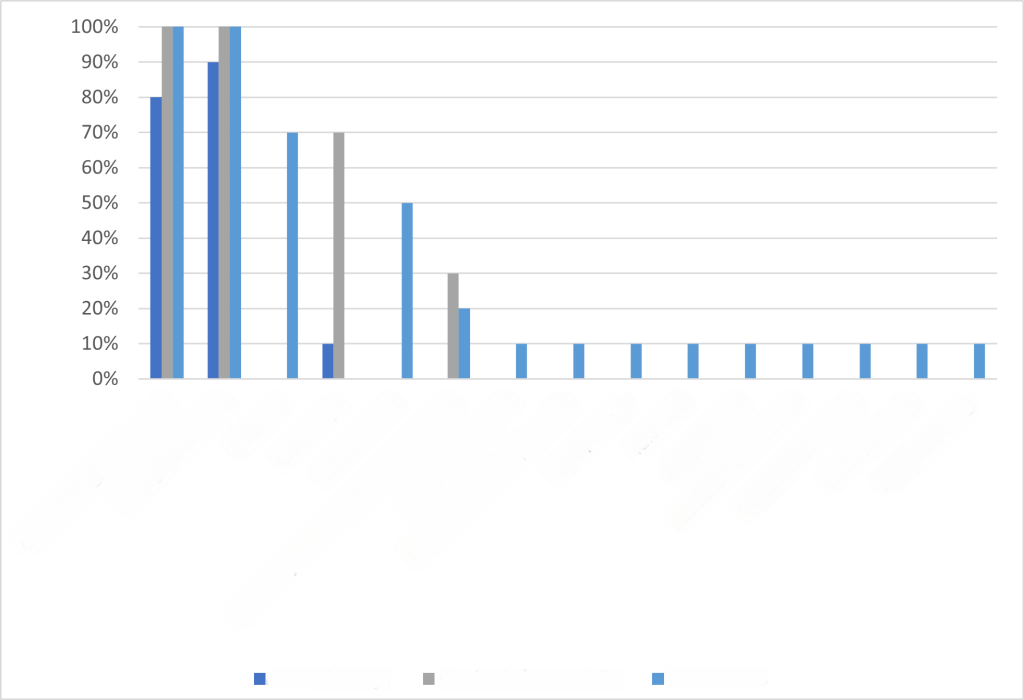
Figure 8: What types of training are provided to employees?
Source: Original research results
Note: OSH: occupational health and safety.
The last phase of the research revealed that, excluding the integration and occupational health and safety trainings, which are mandatory by law, the trainings practiced by the surveyed industries were technical, leadership, job rotation, and, in a minority, work routine updates, confirming a scarcity in the types of trainings applied.
The data from this phase confirm that the surveyed industries were investing in their employees, but not enough. Furthermore, the research also corroborated the results from PWC (2022), which identified that investment in training through “upskilling”, i.e., retraining to eliminate the skills gap, was still low, being a practice of only 27% of Brazilian companies[18]. Thus, an intervention action is suggested to improve investment in other types of training, which vary according to the company’s objectives and plans, increasing applications, improving employee competence, and thus making them more capable and productive[19].
Trainings can be classified into specific segments: people and asset security; productivity; skill enhancement; technological update; organization reputation protection and executive preparation. Furthermore, they can be classified as: internal training; external training; onboarding; formation; or improvement[19]. Additionally, training can be distinguished by two types of objectives: specific and generic, which can be applied according to the needs of the industries.
- The most important specific objectives are:
- professional training, whose goal is to achieve a degree of ideal work capacity, thus acquiring all the necessary practices and knowledge to perform a function;
- specialization, which, within an area, grants specific practice or knowledge field necessary to the trainee to optimize results;
- recycling, whose basic purpose is to review work practices and concepts, updating or renewing them as needed[1].
- The most important generic objectives are:
- direct increase in productivity and quality;
- emotional incentive;
- personal and organizational optimization;
- meeting requirements for changes[1].
Thus, it becomes evident that the focus on continuous training is an indispensable reality, as requalification will be necessary in half of the teams by 2025[20]. To keep pace with technological advancement, employees constantly need to develop their skills in order to keep up with growth[20]. Furthermore, a more critical look is suggested at technical skills, which are the ability to master and know the methodologies and procedures of specific professional areas, which over time lose relevance twice as fast as others, as is the case with soft skills.[21].
Finally, after a general analysis of all stages of the questionnaire and a comparative discussion between the practices of the surveyed industries and the approaches of the published literature on the study topic, the general diagnosis was reached that the two main reasons for the training practices and tools to present inadequacies are:
- lack of a training culture;
- insufficient training team structure.
In addition to the suggestions already presented individually in the questionnaire results stage, the implementation of an organizational culture of learning/training is suggested as the main intervention action.
As a first step to insert this culture, the involvement of senior management, managers, and the training team is necessary, in order to obtain a clear vision of the objectives and results they desire for the company, with the purpose of defining the strategies that can be implemented through formal, informal, and knowledge multiplication training actions within the organization, creating in employees the stimulus for learning. Through continuous actions, the training culture[18] can be promoted and the employees’ capacity building reinforced, which are one of the five main drivers of an organizational culture[5].
The training culture has the potential to promote advantages for industries, such as reduced expenses and rework, as well as improved productivity. For leaders, for example, there may be recognition for promoting and encouraging learning, generating satisfaction and engagement, while for employees it can allow professional growth through new knowledge acquired, adding more mastery and consequently better performance in their tasks, in addition to more recognition[19]. Successful companies constantly train their employees, who, by being continuously improved and prepared, will better meet the company’s necessary demands, making them increasingly competitive[19].
It is concluded that the research was successful in its objective of identifying and analyzing the training practices of the ten industries surveyed and that it was possible to present an overall panorama of these practices. The data analysis also allowed for the presentation of intervention proposals that may have a significant impact when applied to the training practices of the surveyed industries. As suggestions for future research, an individual analysis by the collaborator on the training culture of these industries is suggested, as a complement to this study.
References
[1] Marras J.P. Administração de recursos humanos. 15ed. São Paulo: Saraiva; 2016.
[2] Boog G.G; Boog M. Manual de treinamento e desenvolvimento: processos e operações. 6ed. São Paulo: Pearson; 2013.
[3] Sebrae (org.). Anuário do trabalho na micro e pequena empresa: 2013. 6ed. Brasília: DIEESE; 2013. Disponível em: <https://sebrae.com.br/Sebrae/Portal%20Sebrae/Anexos/Anuario%20do%20Trabalho%20Na%20Micro%20e%20Pequena%20Empresa_2013.pdf>. Acesso em: 11 mar. 2023.
[4] Associação Brasileira de Treinamento e Desenvolvimento e Integração Escola de Negócios (ABTD). Pesquisa Panorama do treinamento no Brasil 2022/2023. 17ed. São Paulo: Carvalho Mello; 2022. Disponível em: <www.pesquisatd.com.br>. Acesso em: 10 jan. 2023.
[5] LinkedIn Learning. Relatório de aprendizagem no local de trabalho. 2022. Disponível em: <2022-LinkedIn-Learning-Workplace-Learning-Report-Portuguese.pdf>. Acesso em: 25 mar. 2023.
[6} Ulrich D; Younger J; Brockbank W; Ulrich M. RH de Dentro para Fora. São Paulo: Grupo A; 2013.
[7] Glassdoor. 2023. Disponível em: <https://www.glassdoor.com.br/Sal%C3%A1rios/analista-de-treinamento-e-desenvolvimento-s%C3%AAnior-sal%C3%A1rio-SRCH_KO0,48.htm> Acesso em: 04 mar. 2023.
[8] Glassdoor. 2023. Disponível em: <https://www.glassdoor.com.br/Sal%C3%A1rios/analista-de-recursos-humanos-sal%C3%A1rio-SRCH_KO0,28.htm>. Acesso em: 04 mar. 2023.
[9] Holmes H. Departamento pessoal da rotina a gestão estratégica. Maringá: Viseu; 2019.
[10] Madruga R. Treinamento e desenvolvimento com foco em educação corporativa. São Paulo: Saraiva; 2017.
[11] Mascarenhas A. Gestão estratégica de pessoas: evolução, teoria e critica. São Paulo: Cengage Learing; 2020.
[12] Paes K.D. Gestão de pessoas. Natal: UnP; 2011.
[13] Arellano E. Gestão de pessoas. São Paulo: Grupo Gen; 2017.
[14] Kirkpatrick J.D; Kirkpatrick W.K. 2016. Four levels of training evaluation. Alexandria: ATD Press; 2016.
[15] Borges-Andrade J.E.; Abbad G.S.; Mourão L. Treinamento, desenvolvimento e educação em organizações e trabalho: fundamentos para a gestão de pessoas. São Paulo: Grupo A; 2006.
[16] Kanaane R; Ortigoso S.A.F. Manual de Treinamento. São Paulo: Grupo Gen; 2018.
[17] Carvalho A.V.; Nascimento L.P.; Serafim O.C.G. Administração de recursos humanos – volume 1. 2ed. São Paulo: Cengage Learning Brasil; 2016.
[18] PricewaterhouseCoopers Brasil (PwC). Pesquisa Global Hopes and Fears – A voz da força de trabalho. 2022. Disponível em: <https://www.pwc.com.br/pt/estudos/servicos/consultoria-negocios/2022/pesquisa-hopes-and-fears-2022.html>. Acesso em 19 jan. 2023.
[19] Ribeiro A.L. Gestão de treinamento de pessoas. São Paulo: Saraiva; 2018.
[20] Rosensweig D. 3 ways to improve education for working adults and fix the skills gap. Word Economic Forum (WEFORUM). 2022. Disponível em <https://www.weforum.org/agenda/2022/05/education-working-adults>. 25 mar. 2023.
[21] Udemy Business. 2023 Relatório de aprendizagem no local de trabalho. 2023. Disponível em: <https://business.udemy.com/pt-br/2023-workplace-learning-trends-report/?utm_source=direct&utm_medium=direct>. 24 mar. 2023.
How to cite
Braz J.S.C.; Pereira B.G.; Analysis of training practices in some industries in the interior of São Paulo. E&S Journal. 2024; 5: e20230097.
About the authors
Jéssica dos Santos Cruz Braz – Specialist in People Management from the MBA USP/Esalq – Avenida Nicola Acierri, 750 – Jardim Celeste; CEP: 13214-800 – Jundiaí, São Paulo, Brazil
Bruno Gomes Pereira – PhD in Letters (Linguistic Studies). Federal University of Tocantins. Avenida do Guacá, 76, apt. 84 – Lauzane Paulista; Postal Code: 02435-000 – São Paulo/SP, Brazil