Education
Strategy
People Management
May 23, 2024
Emotional intelligence as a corporate strategy
Large companies have already incorporated the development of employees’ emotional skills into their training culture
Emotional intelligence is one of the most important human skills. If developed from childhood, it can positively direct a person’s personal and professional evolution. Even if this skill has not been exercised throughout growth, however, it is still possible to make up for lost time in adulthood, through various types of training.
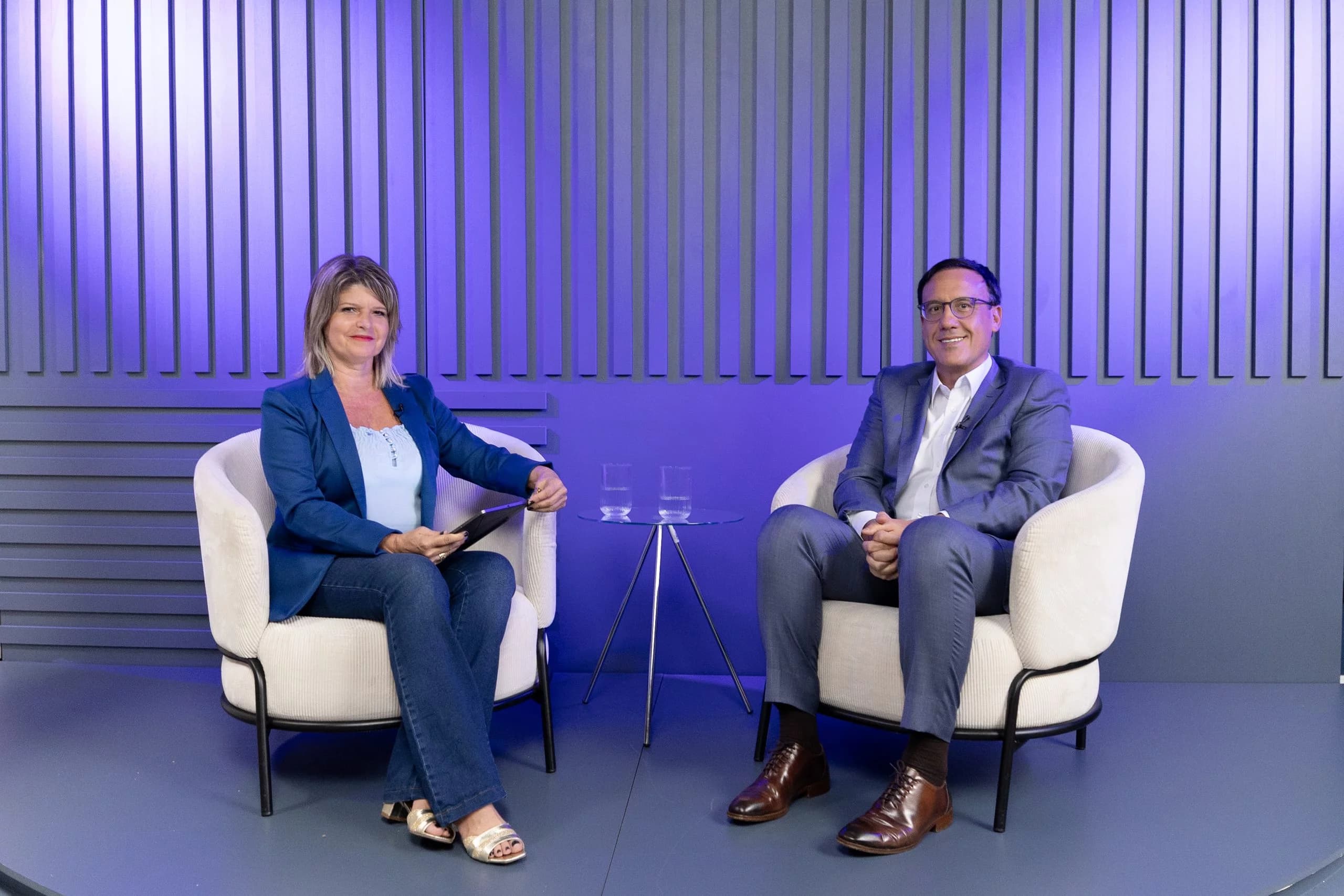
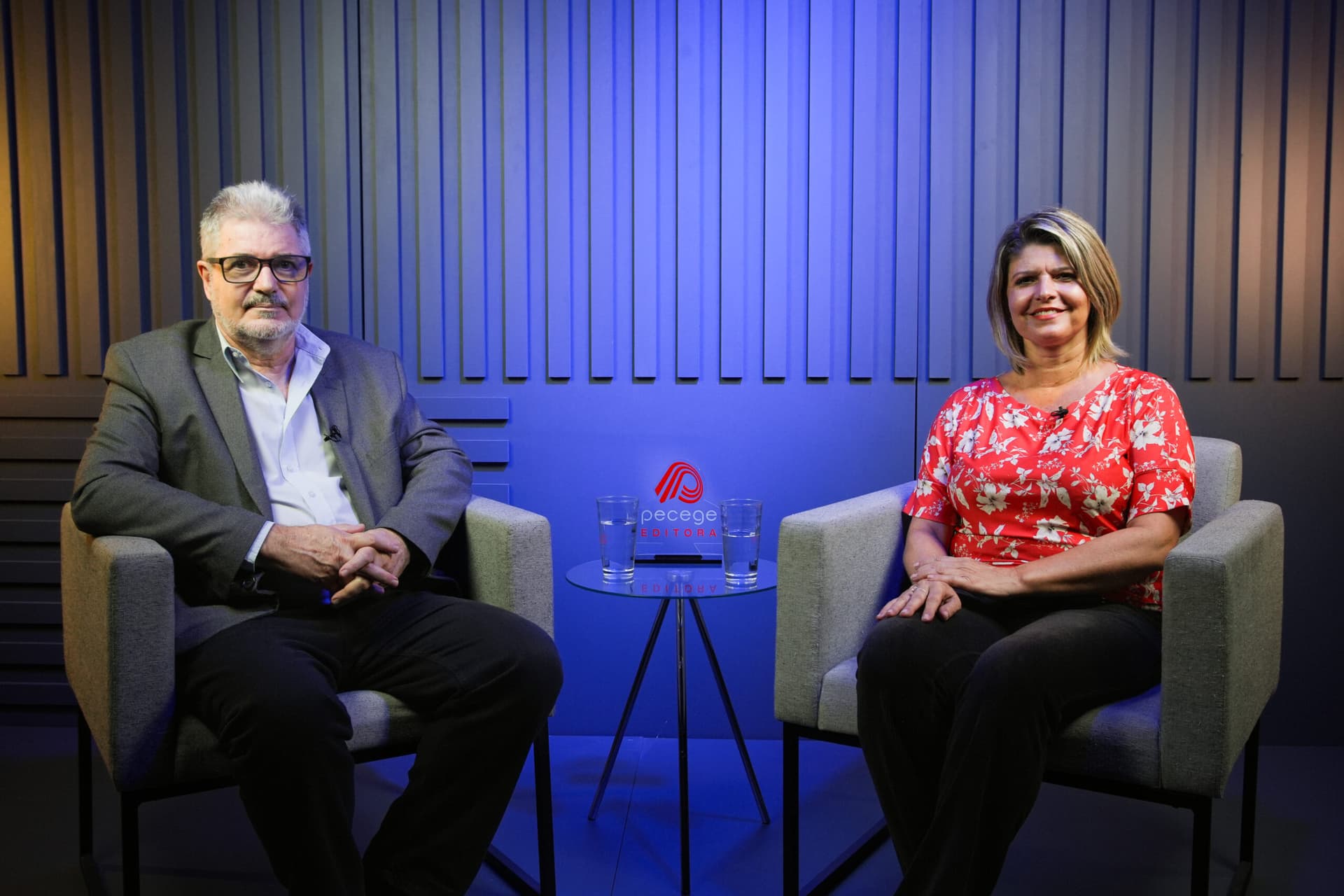
Large companies have already incorporated the development of employees’ emotional intelligence into the organizational culture of training. In Spain, inclusive, some companies have created the position of “hapiness manager” – happiness manager – as told by Armando Terribili Filho, professor of the Project Management and School Management courses of the MBAs USP/ESALQ and a specialist in the area. Follow below the interview he gave to Revista Estratégias e Soluções (E&S), from Editora Pecege, with presentation by Soraia Fessel, on this subject.
The importance of emotional intelligence – a skill that the market has baptized and become accustomed to calling soft skill – in the professional sphere is undeniable, in any area. “For example, for a doctor, the need to know the technical knowledge of their role is evident, but a professional who is capable of understanding their patient’s feelings, seeing them as a human being, and having empathy will be more efficient in their objective,” explains professor Armando Terribili Filho, who is also a business consultant in project management.
According to him, investing in the training of this skill in collaborators is strategic for companies, but it is worth professionals also thinking about complementing their education and making this investment on their own. “In any area the professional enters, emotional intelligence goes along,” he teaches. “[It] is not perishable, it has no expiration date, while in the technical area much becomes obsolete,” he says.
Technical skills (hard skills) are not less important in the professional field, however, alone they do not guarantee the delivery of excellent work. The two complement each other, as Terribili describes in the interview.
Skills
These skills were broken down by psychologist Daniel Goleman – considered the main theorist of the concept – into 12 competencies within 4 domains:
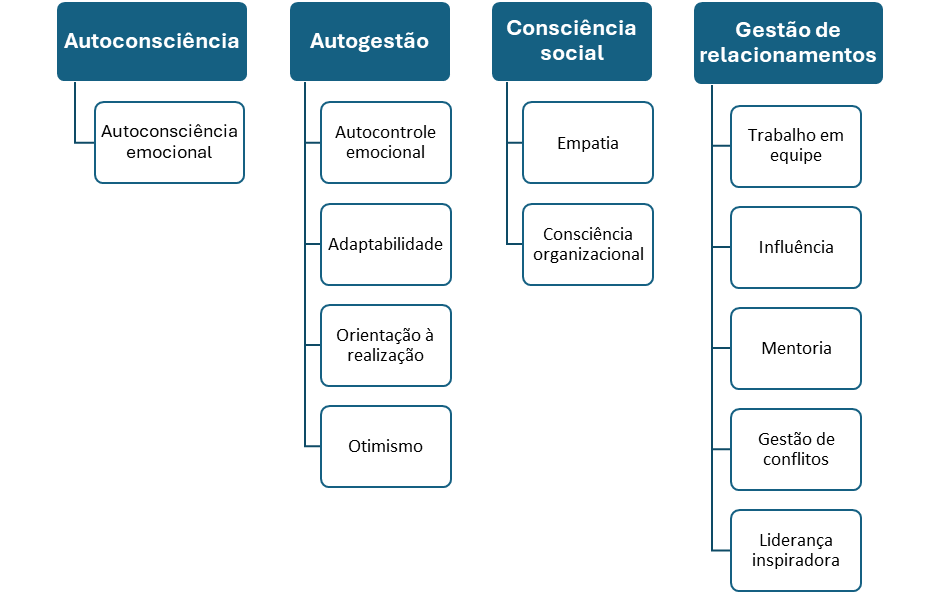
With all this training, the idea is that there will be an improvement in the work environment and, consequently, bad jokes and insinuations will no longer be tolerated. “Companies have to instill in professionals the responsibility of each one,” says Terribili. “But we all have our role.”
If there is friction, highlight it, conflict management should come into play. “Many people see conflict as something negative, and it is not necessarily so; conflicts bring growth”, he states. However, an excess of conflicts can cause loss of productivity, therefore, it is healthy and desirable for companies to be concerned with training leaders to manage this type of situation. “Unfortunately, in Brazil, if I have a professional discussion with you, I won’t have lunch with you,” he says. “In the United States, it’s not like that professionally”.
About the interviewee
Armando Terribili Filho is the founder and director of Impariamo, has a post-doctorate in project management methodologies, a doctorate in education from UNESP, a master’s degree in business administration, and a bachelor’s degree in mathematics. He also has complementary training in emotional intelligence in Naples and Emotional Leadership in Madrid. He is a professor in postgraduate courses at various institutions in Curitiba, Campinas, Santa Catarina, and Rio Grande do Sul and works in the USP/ESALQ MBAs in São Paulo.
Who published this videocast
Renata de Gaspari Valdejão Almeida