
Digital
Strategy
Innovation
July 31, 2024
Predictive analysis helps anticipate dissatisfaction and correct course
The professional of the future will not be able to do without analytical thinking
The World Economic Forum predicts that by 2027, the most sought-after skills by human resources recruiters in companies will be analytical thinking, creative thinking, and knowledge in artificial intelligence (AI) and big data.
The current corporate scenario – complex and highly technological – demands professionals with the ability to analyze large amounts of information, break down data into smaller parts, recognize patterns, and establish comparisons. Furthermore, technology is advancing more rapidly than companies’ capacity to reformulate their training programs.
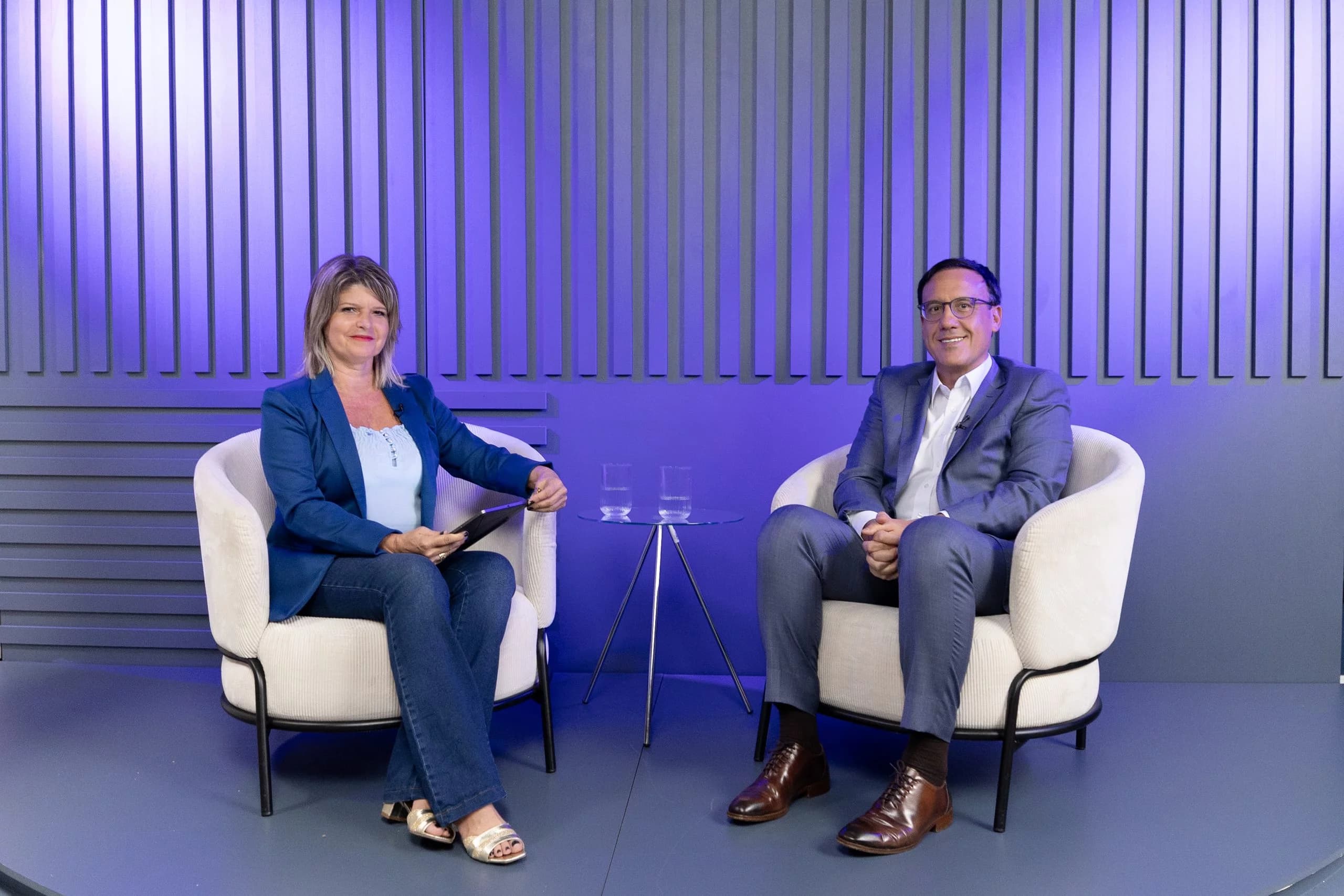
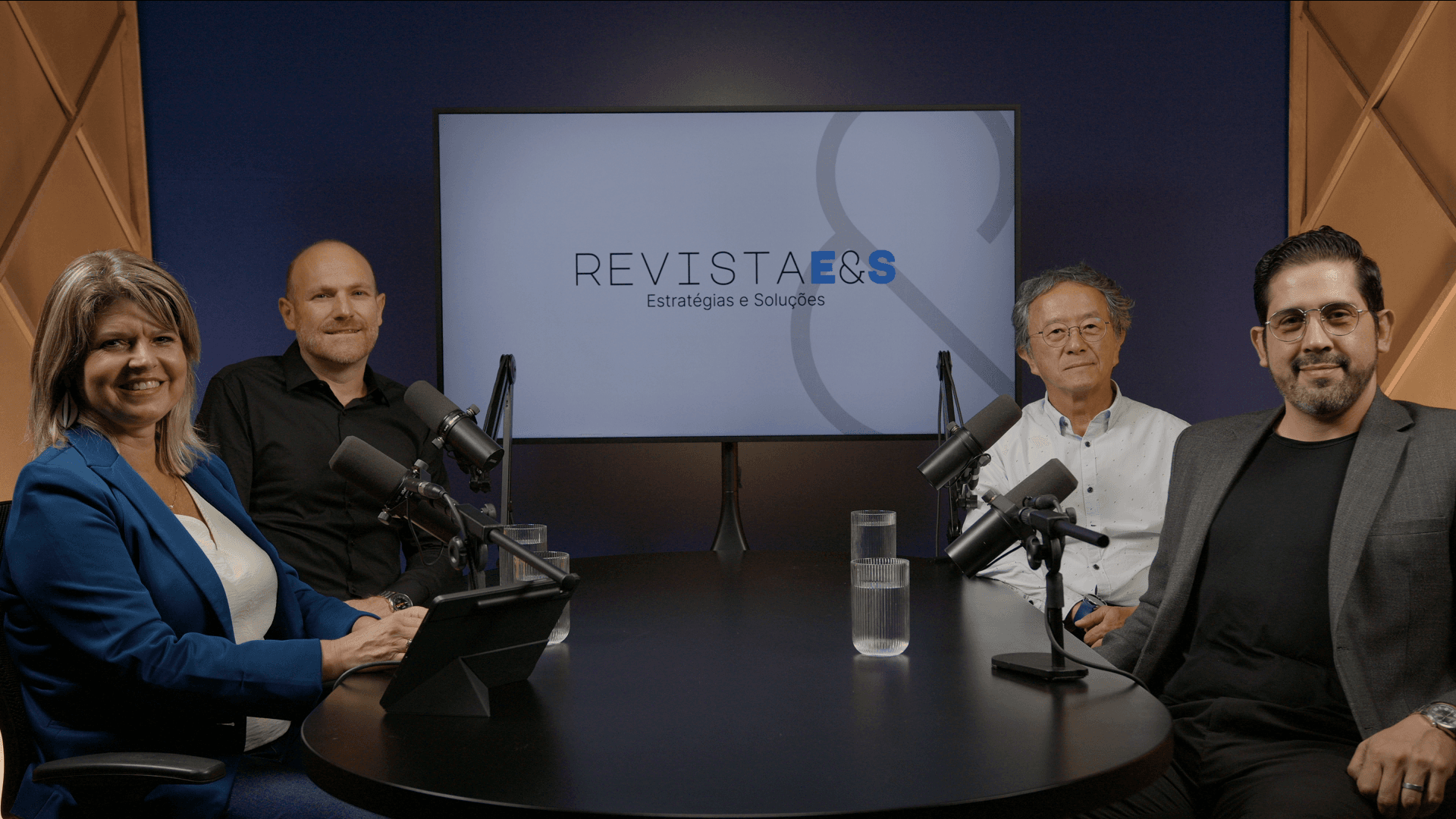
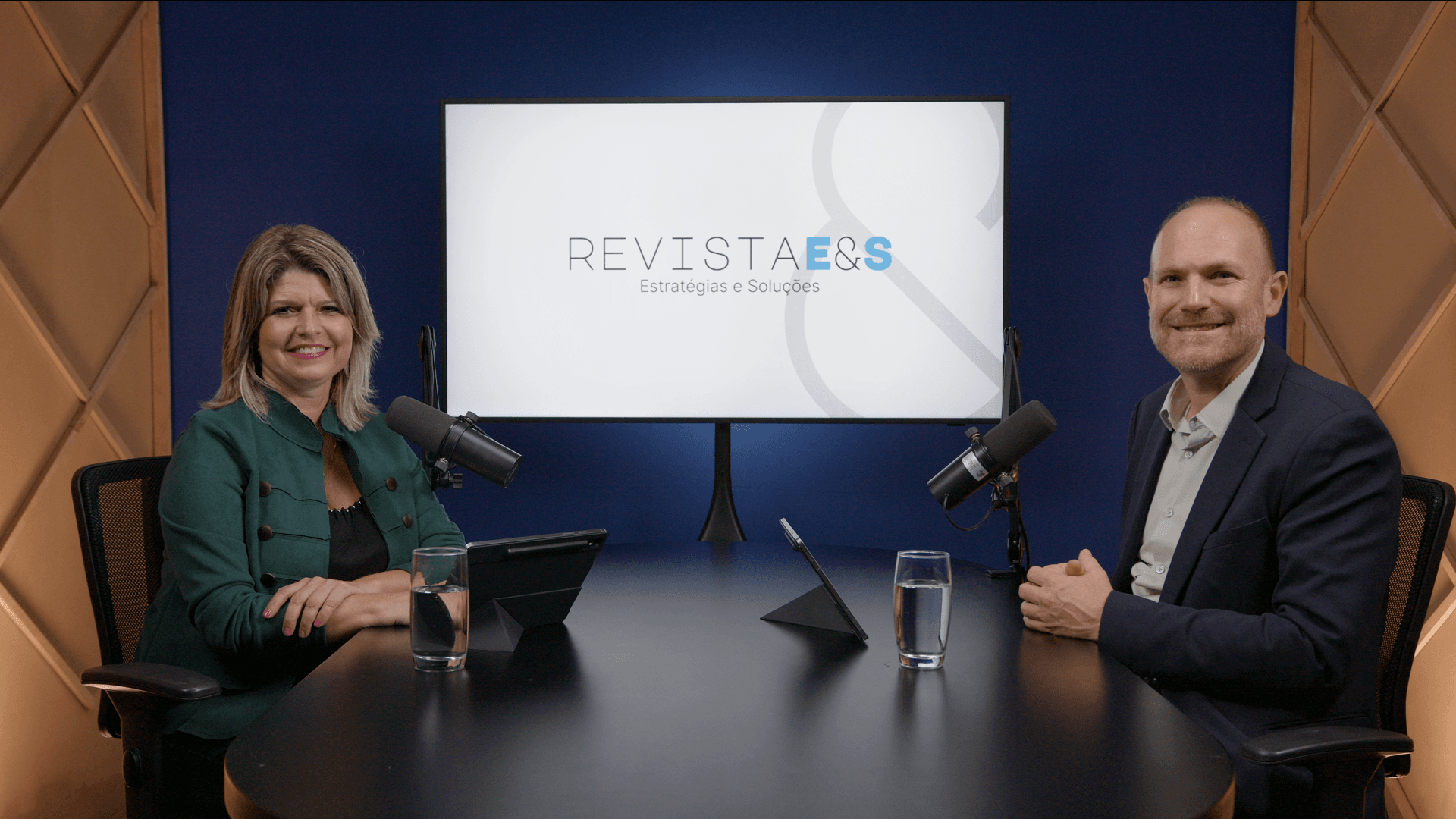
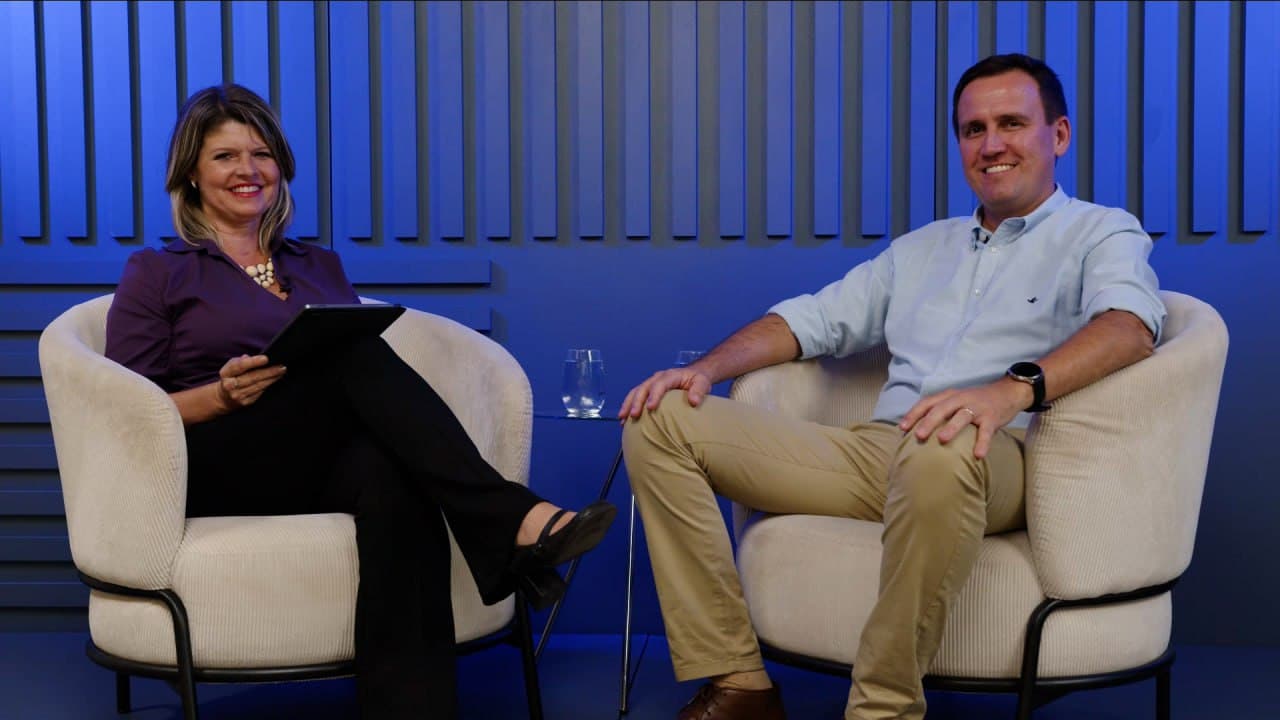
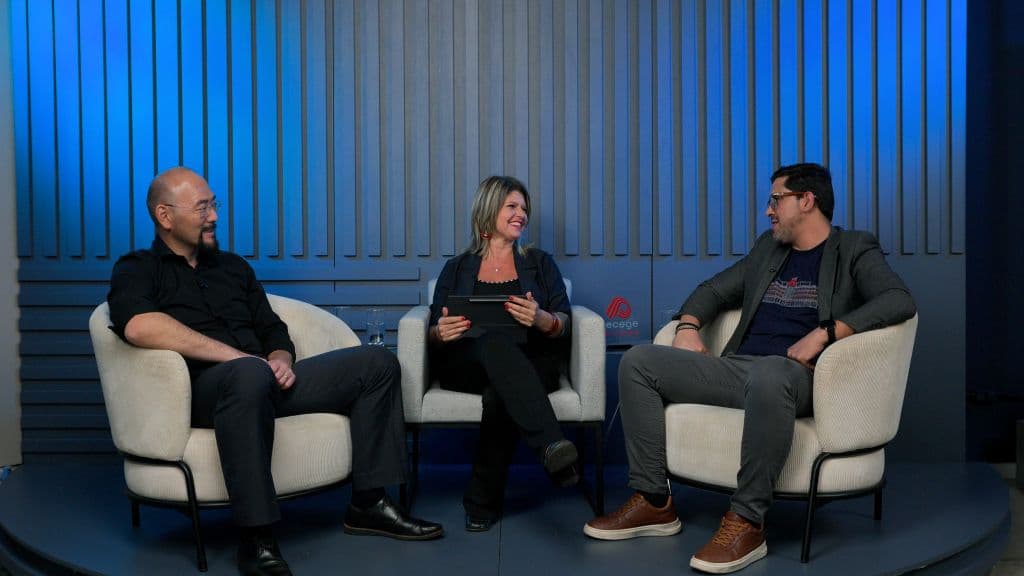
Our interviewees this month, Denise de Moura, an HR consultant and guest professor at USP/Esalq MBA, and Ladmir Carvalho, founder of Alterdata Tecnologia, highlighted one of these competencies in particular, which, for them, every professional of the future will need to develop: analytical thinking. Through this skill, professionals acquire expertise in an important technique: predictive analysis, which uses statistical data and machine learning to identify the probability of occurrence of future events. Check out below in the interview granted to Revista Estratégias e Soluções (E&S), from Editora Pecege, and conducted by presenter Soraia Fessel.
In Professor Denise de Moura’s opinion, analytical thinking involves knowing how to deal with the most complex corporate problems, those that have never happened or been mapped by companies. And, according to her, this skill is the main ally when it comes to anticipating customer demands.
Ladmir Carvalho highlights the importance of analytical thinking to enhance the assertiveness of business decisions. “The ‘feeling’, the instinct, the perception have a weight, [which] for me does not exceed 10%,” said Carvalho. “90% of decisions must be made based on data,” he stated.
And how to train the collaborators that the company already has to develop this competence? At Alterdata, from the very first moment within the company, the employee undergoes training that Carvalho calls a “blood transfusion”. According to him, some stay two months in training. “That person has to structure themselves and understand that they cannot suggest something without it being based on some information,” he explained.
Using the data, the company developed a predictive happiness analysis algorithm that examines its customer base daily, checking 22 behavioral characteristics and discovering patterns that may suggest the onset of dissatisfaction. “We discover customer dissatisfaction before the customer themselves knows they are dissatisfied,” celebrates Carvalho. Thanks to this mathematical model, the company has seen a reduction in customer churn.
Carvalho highlighted, finally, that it is important to recycle the leadership’s mindset in corporations, so that leaders understand that “past success does not guarantee future success”.
About the interviewees
Ladmir Carvalho is the founder of Alterdata Tecnologia.
Denise de Moura is a human resources consultant and guest professor of the MBA USP/Esalq.
Who published this videocast
Renata de Gaspari Valdejão Almeida