Diversity
People Management
Inclusion
August 16, 2024
Inclusion in the corporate environment and “tokenism”
For specialists, although some companies have good intentions regarding diversity, isolated actions still exist
According to studies conducted by McKinsey & Company, companies with ethnic and racial diversity in leadership show superior financial returns. Coincidence or not, inclusion and diversity are topics that are always trending in the corporate world. Because of this, companies with this positioning have a good reputation in the market, which brings a competitive advantage and impacts talent attraction and retention. In the case of people with disabilities, besides being considered a good practice, in Brazil their hiring is provided for by law – between 2% and 5% of the positions in companies with more than 99 employees must be allocated to people with disabilities (PWDs).
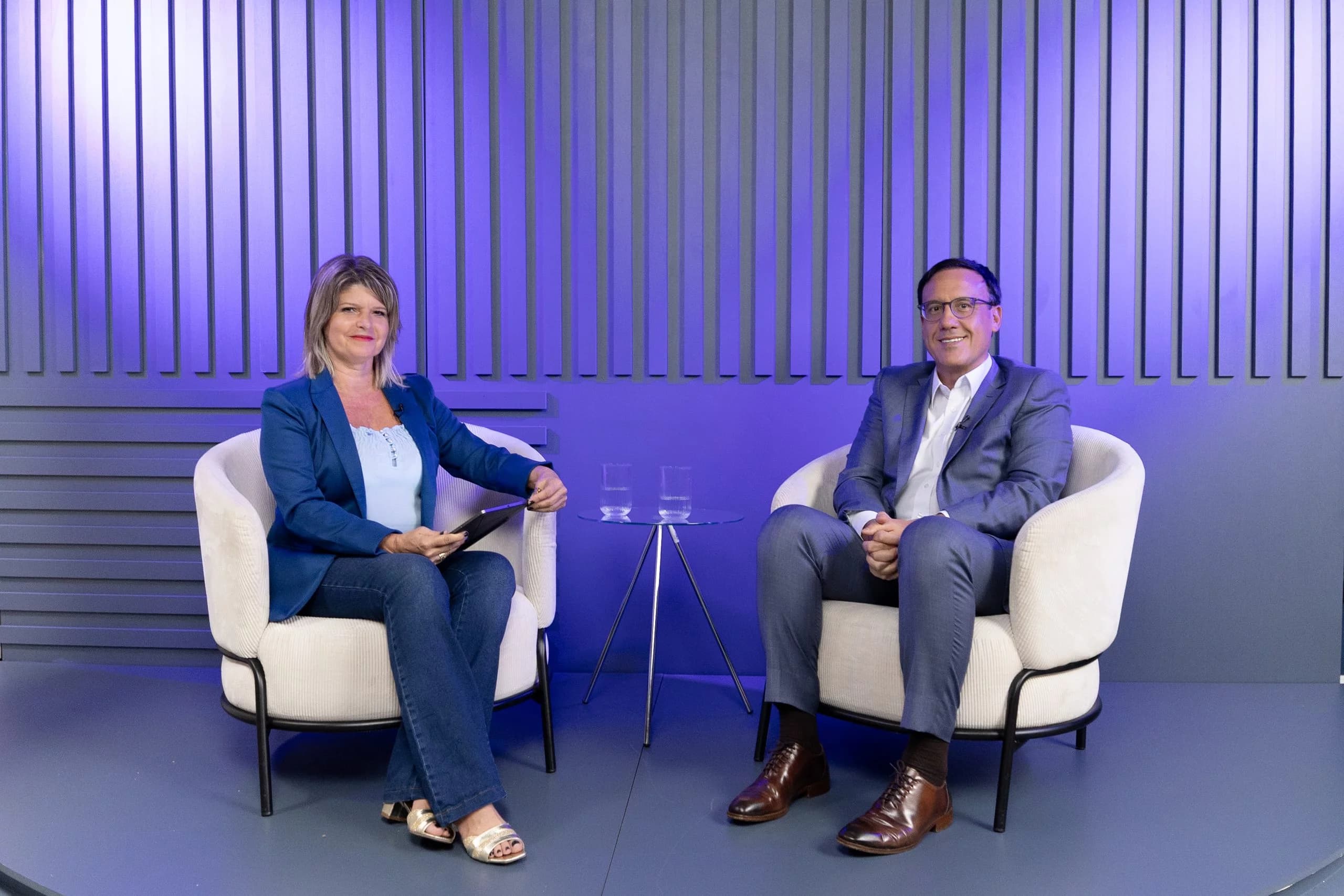
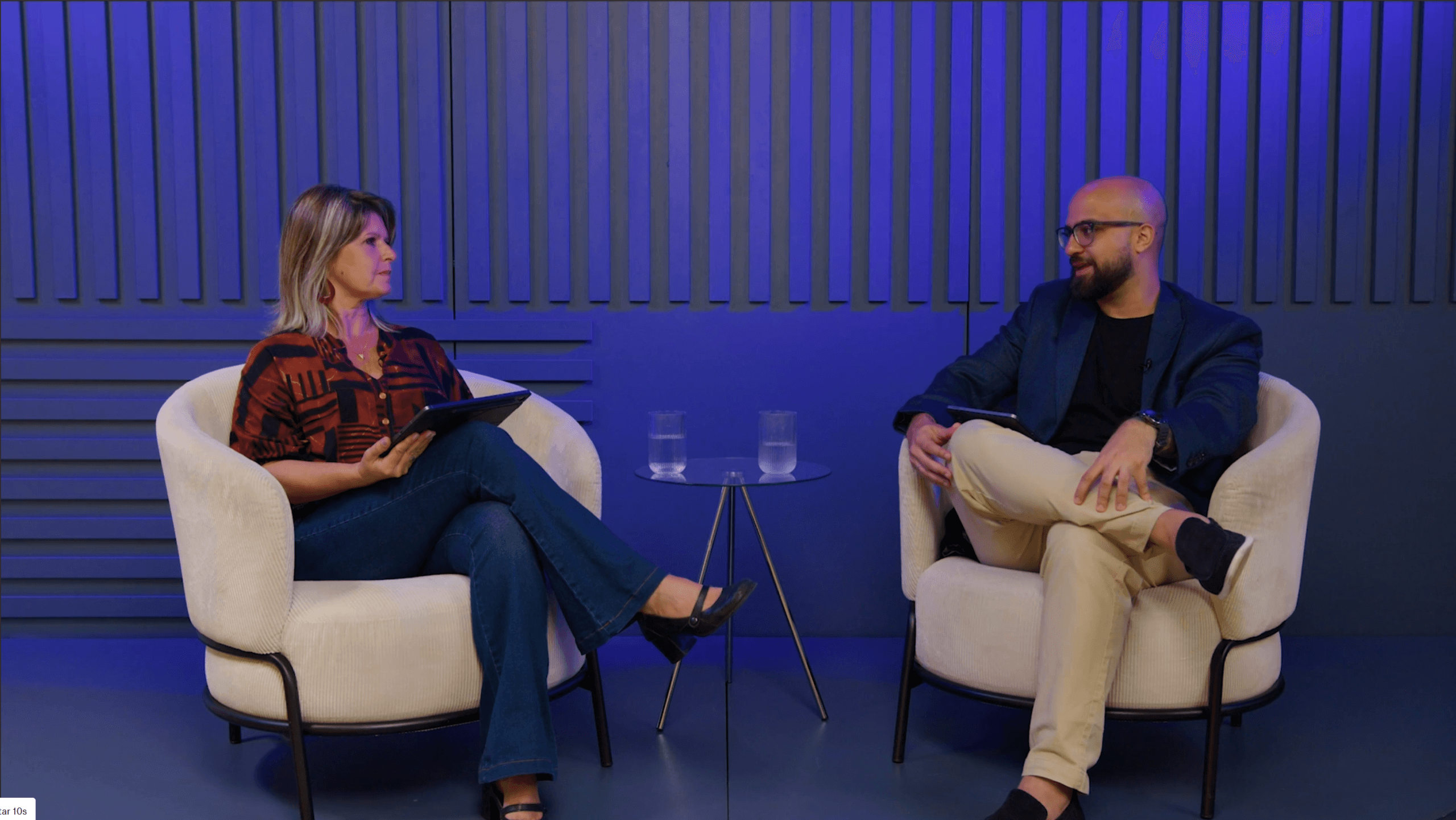
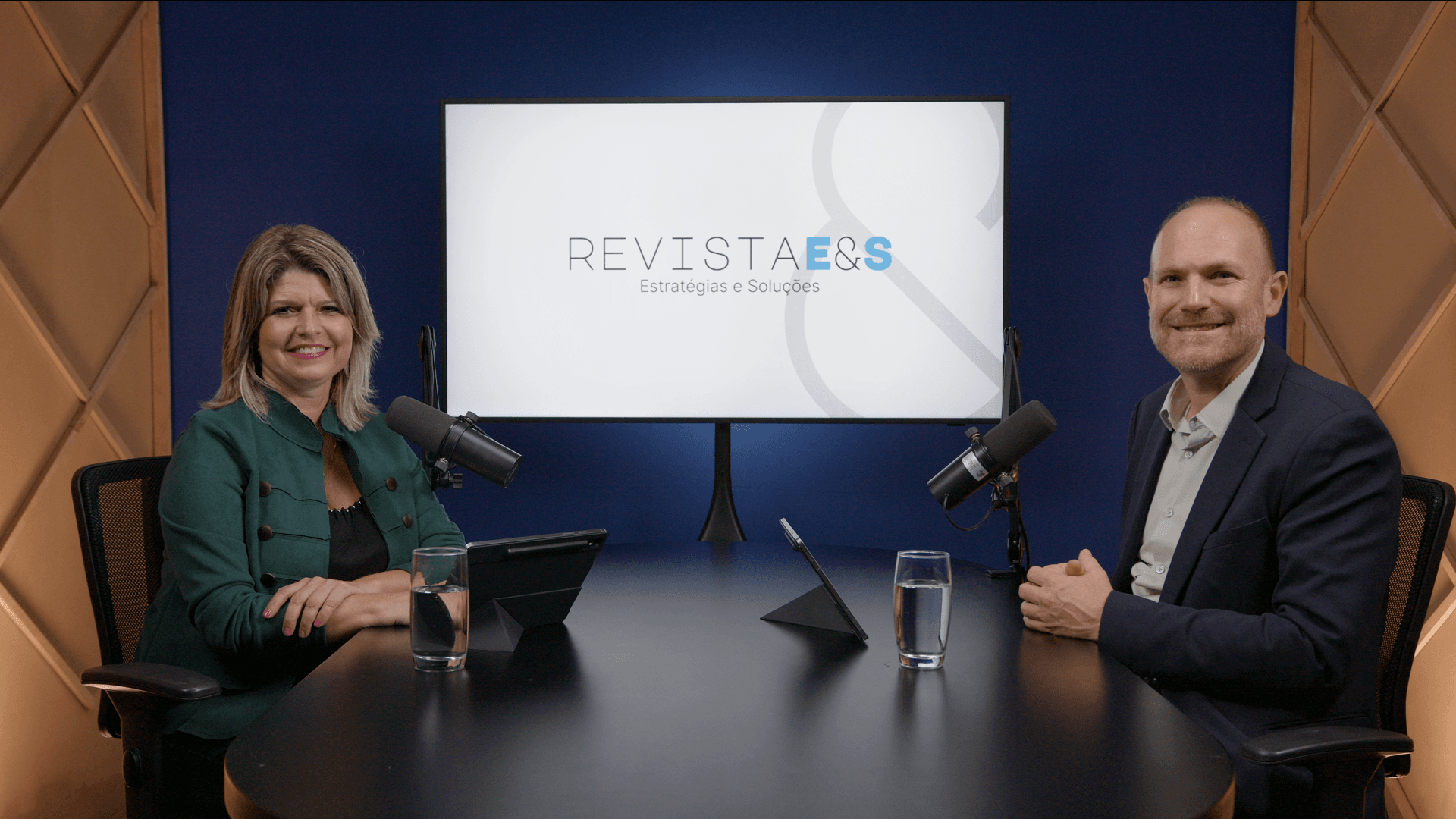
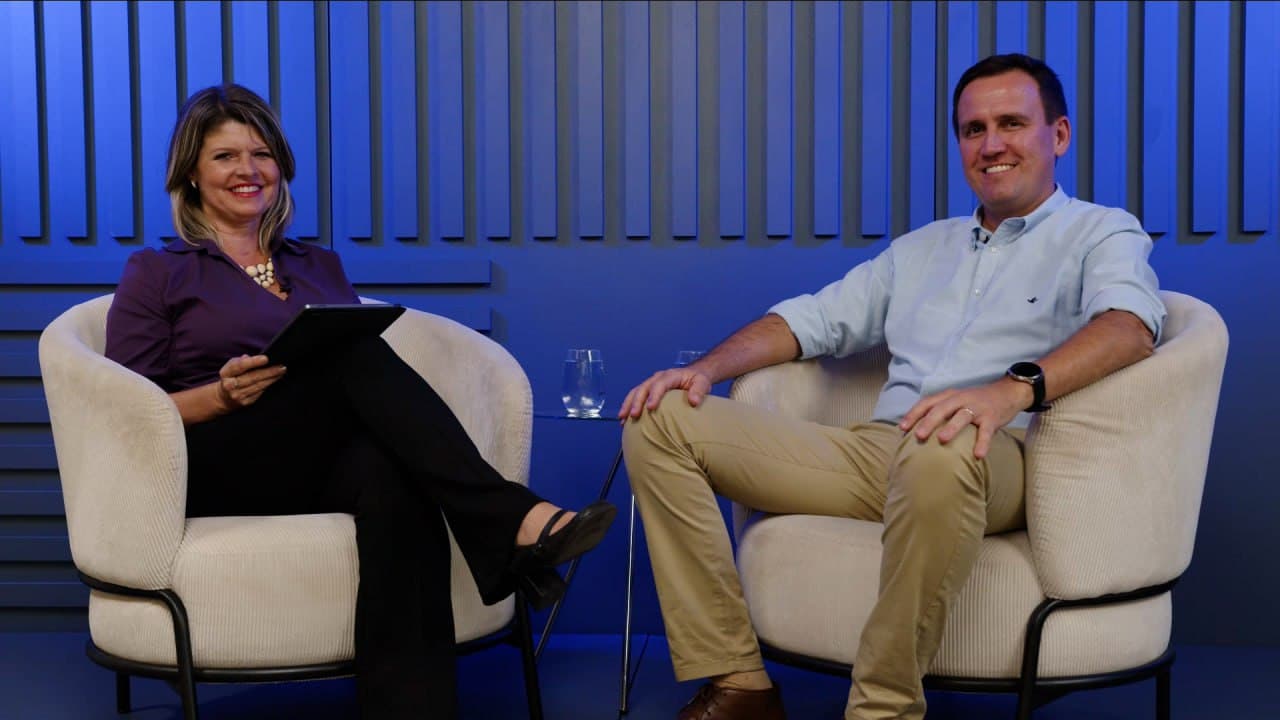
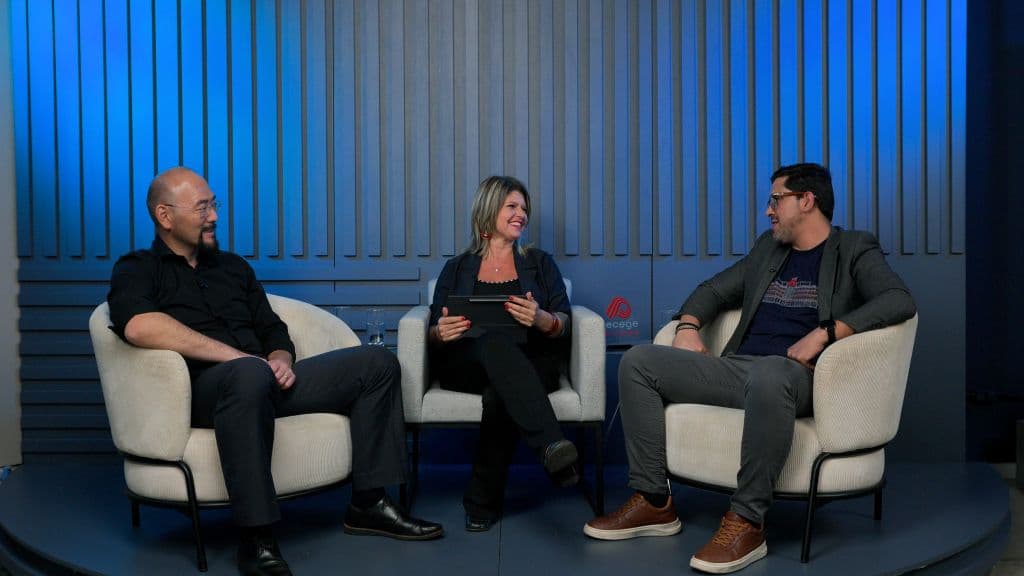
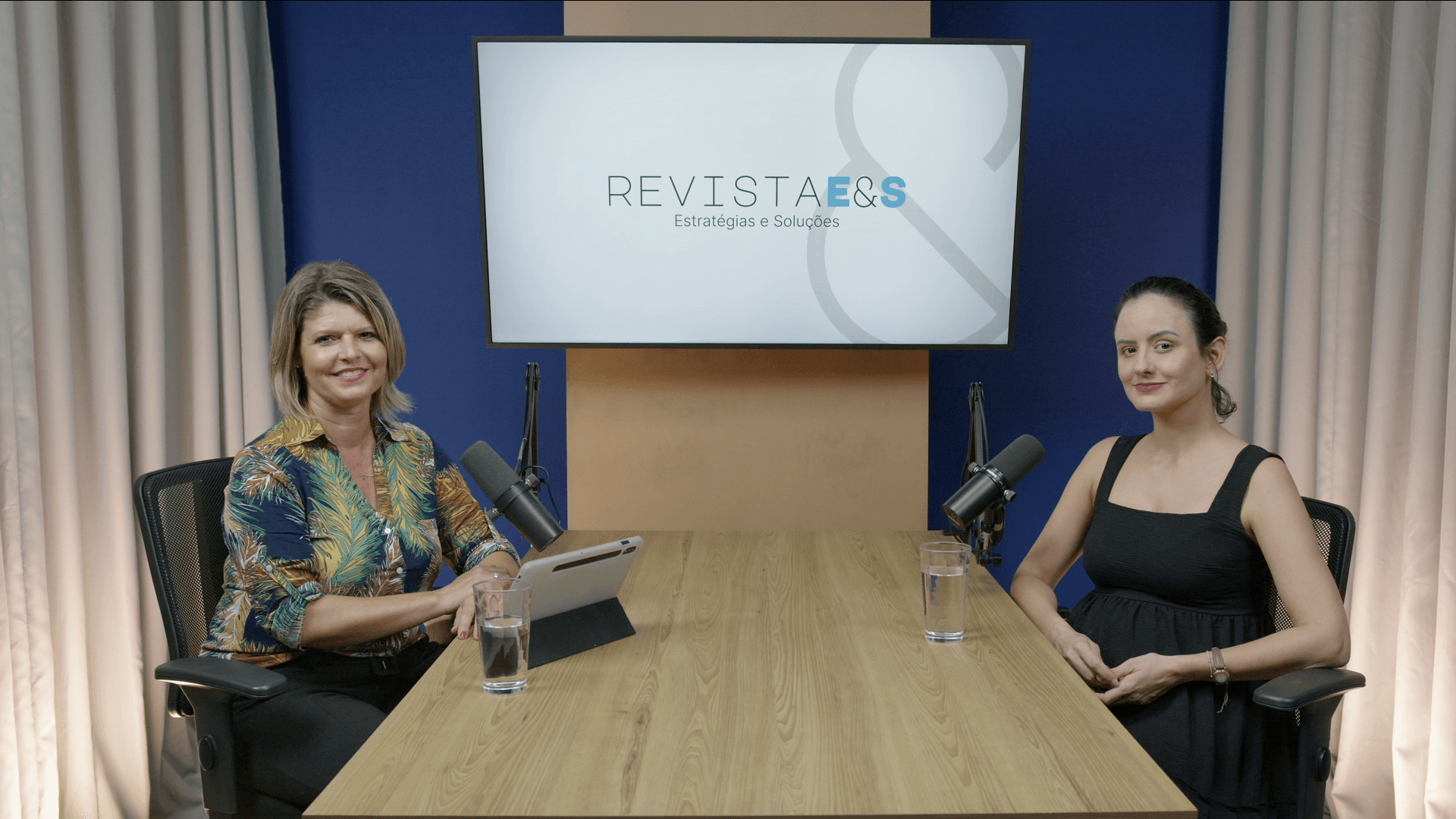
But from the employees’ point of view, what is the experience of people with disabilities in companies? Our interview this month on the videocast of Revista Estratégias e Soluções (E&S), from Editora Pecege, is with psychologist Ana Marques, who talked a little about her day-to-day life as a diversity and inclusion specialist in a multinational company. The interviewee’s perspective was doubly interesting because, in addition to dealing with the topic professionally, she herself is a person with a disability. Ana, who is bilaterally deaf and oralized (has hearing loss, but uses speech to communicate) and an expert in lip-reading, participated in an interesting conversation with presenter Soraia Fessel. Watch below.
*Video subtitled by Skylar
Psychologist Ana Marques says that her development process was challenging from an early age, because she grew up without references, in an environment exclusively with hearing people, and studied in regular schools without inclusion programs.
In the professional sphere, today she conducts training sessions that she describes as “therapeutic groups,” because during the events people end up realizing the preconceived ideas they often hold about the topic of diversity. “Sometimes they even call me privately afterwards, they want to talk,” she says. According to Ana, many state that “they are not bad people, but they grew up with this [prejudiced] idea.”
For her, the Brazilian corporate environment is not yet prepared to welcome PWDs, although several institutions have good intentions. “We know that there are companies that practice ‘tokenism’ [isolated inclusion actions].”
“In the corporate world, if you speak English or Spanish, you have a higher salary, you get good jobs, but if you speak Libras, you don’t have that,” she says. “If you are not prepared to receive a deaf person who uses Libras in your space, how are you going to sell to them?” she provokes. “There is a need for [there to be a] cultural transformation to achieve inclusion,” she affirms.
About the interviewee
Ana Marques is a psychologist, a specialist in people management, and an expert consultant in diversity and inclusion. She is part of the Alumni of the MBA in People Management from USP/Esalq.
Who published this videocast
Renata de Gaspari Valdejão Almeida