Education
April 25, 2025
The inclusion of the deaf in the workplace: a bilingual and bicultural challenge
DOI: 10.22167/2675-6528-2024037
E&S 2025, 6: e2024037
Paolla Lima Miranda e Cristiana Lara Cunha
Brazil is composed of innumerable cultures and languages that constitute the nation’s diversity. Despite this plurality, multilingualism and multiculturalism are still in a slow process of recognition and inclusion, as the Portuguese language is the only one recognized as official in the country. This work addresses the importance of legitimizing deaf people and users of Libras (Brazilian Sign Language) as a linguistic minority, as well as the impact of this understanding on the inclusion of deaf people in the workplace.
Usually, perceptions about people diagnosed with deafness in early childhood, regardless of the cause, are predominantly negative, due to linguistic and sociocultural factors. Regarding social representations of deafness, Brito Júnior et al.[1] express that, culturally, hearing is valued as essential for an individual, resulting in disbelief regarding the developmental potential of deaf people. The authors emphasize that, for a long time, deaf people were understood as different, incapable, and incompetent to fulfill social roles.
According to Mottez[2], the expression linguistic minority denotes the use of a language unknown to most of the population and learned in social groups. Law no. 10.436/2002[3] recognized Libras as a legitimate means of national expression and communication for the deaf, which was regulated by decree no. 5.626/2005[4]. However, its legitimation is still recent and raises questions about the real advances for the Brazilian deaf community regarding accessibility and inclusion.
The last census by the Brazilian Institute of Geography and Statistics (IBGE), from 2010, indicated that Brazil has about 5% of deaf people in its population, a statistic that highlights the importance of inclusive measures — legally supported — and the need for social awareness of the visuospatial experiences of deaf people[5]. Therefore, in labor terms, Law of Quotas no. 8213/1991[6] is an affirmative action that mandates the hiring of people with disabilities (PWD), with percentages ranging from 2% to 5% in proportion to the total number of employees in companies with more than 100 employees. Its purpose is to redress the historical segregation suffered by these individuals. Over the more than three decades of this action, many organizations have filled vacancies merely to comply with governmental requirements, which has led to opting for types of disabilities without structuring diversity policies and inclusive and equitable development programs[7].
Therefore, the hypothesis of this study is that the language, culture, and identity of deaf collaborators are disregarded by people management, which negatively affects the inclusion of this linguistic minority. The general objective of this work is to evaluate the perception and satisfaction of the deaf community regarding employability and inclusion actions in Brazil.
Additionally, the study has as specific objectives to survey the current panorama of deaf employability and identify linguistic and cultural barriers. The research is descriptive and was divided into a quantitative and a qualitative moment, with questioning of the public to be known and quantitative analysis of the obtained data[8].
In the first phase, the method used was quantitative, in order to raise sociodemographic data, employability, professional development, satisfaction and motivation levels, as well as the deaf community’s assessment of employability and diversity and inclusion actions in the job market, on a percentage basis.
The information collection tool used was a structured questionnaire from Google Forms, including a link on Youtube, in unlisted format, containing the translation of the questions and alternatives in Libras, with emojis in the sentences to make them more visual. The dissemination occurred in WhatsApp groups related to the deaf community and on social media.
The questionnaire applied was divided into four categories: 1 – Data on hearing loss (identity and language used); 2 – Sociodemographic data (age group, gender, schooling and race/ethnicity); 3 – Employability data (current situation and position); 4 – Questions about job satisfaction and perception (inclusion, diversity, accessibility, ableism, relationships and development).
The research was conducted from July 25 to August 14, 2023, with 108 respondents, 90 of whom met the inclusion requirements for the sample of this study (people with hearing impairments, users of Libras, integrated into the deaf community, and who identify with the deaf identity). The responses provided were counted as percentages and entered into tables in the Excel tool. For the analysis, graphs with the average frequency of responses were used.
In the second phase, the qualitative methodology was applied, in order to collect experiences, perceptions, obstacles, advances, and expectations of deaf people in relation to work. Semi-structured interviews in Libras were conducted with a sample of five deaf sign language users, via the Zoom videoconferencing tool, from August 8 to 17, 2023.
Currently, discrimination and prejudice regarding people’s ability to perform social roles due to disability is called ableism; anti-ableism is the movement to combat this prejudice. Strobel[9] clarifies that the deaf community is constituted by a group of people who share the same purposes and organize themselves to achieve them, which includes deaf and hearing individuals, such as family, friends, activists, interpreters, and anyone else who works for the rights of deaf people. The author states that deaf culture is the way deaf people understand the world and modify it to transform it into an accessible and habitable place according to their perceptions.
The present research initially involved the participation of 107 people. However, 94.39% (n=101) identified as deaf individuals, and 91.18% (n=93) stated they use Libras as their primary or one of their primary means of communication. The target audience selection containing the inclusion criteria (identity and use of sign language) resulted in a final sample of 90 deaf individuals.
Tabela 1. Características do perfil dos participantes
| Identification as a deaf person | Frequency | In percentage (%) |
| No | 6 | 5,61% |
| Yes | 101 | 94,39% |
| Main means of communication | Frequency | In percentage (%) |
| Libras | 37 | 41,18% |
| Libras and oral Portuguese | 56 | 50,00% |
| Oral Portuguese | 14 | 8,82% |
The legitimation of Libras as a natural language, with internal parameters and morphology, is the result of several linguistic studies, mainly those by William Stokoe, in the 1960s. Considered the father of Sign Languages, the scholar managed to scientifically prove the sophistication of signs.
Deaf culture considers the language, beliefs, customs, and habits of deaf people, contributing to the characterization of deaf identities and the foundation of their communities. The self-affirmation of deaf people as complete subjects and of their experiences is deafness, a cultural aspect of the deaf community propagated among its members.
Historically, the attitudinal, social, and communication barriers faced by deaf people in their constitution as subjects negatively impact their sociocognitive, academic, and professional development, hindering the full progress of their potential and access to decent work. Thus, deafness, self-esteem, and self-confidence within the deaf community are the tools for transforming historically unfavorable social contexts, through the dissemination of knowledge and the affirmation of the linguistic and cultural characteristics of the deaf community to society, highlighting the person beyond the disability. Among the respondents of the present research, 91.18% (n=72) stated they knew their rights as PWD in the workplace.
The period from 1970 onwards was characterized by global actions by historically minoritized groups, such as women, people with disabilities, Black populations, diverse sexualities and identities, among others, who manifested and fought to guarantee their human rights in social spheres. From this perspective, Kymlicka[10] states that the concept of equity related to social inclusion has been expanded through social movements that aimed for legitimation and justice. The author reports the establishment of numerous universal initiatives, such as treaties, laws, actions, and demonstrations by the United Nations (UN) and the International Labour Organization, which initiated the fight for diversity, equity, and inclusion[11].
Despite the fact that the people management sector has a vast academic and professional field of action, the agendas on DEI (Diversity, Equity, and Inclusion) are still in the phase of theoretical maturation and practical application. Schein[12] summarizes organizational culture as a collection of essential principles practiced by employees, which serve as behavioral and operational guides. The author presents three points of culture perception: visible artifacts, shared values, and basic assumptions, classifying culture and leadership as inseparable and company actions as a consequence of these two factors.
Historically, the exclusion, denial, and social invisibility of linguistic-cultural minorities, such as the deaf community, occur implicitly by public and private institutions, as well as in the fields of knowledge, due to ignorance. Organizational culture is a reflection of the culture of the society in which it is inserted, therefore, it is crossed by prejudices and discriminations directed at minoritized groups, including the deaf.
The Ethos Institute’s Guide to the Inclusion of People with Disabilities[13] cites the change in organizational culture in the inclusion of PWDs as a challenge in promoting diversity, since the transformation of employees’ mindset is crossed by unconscious biases and prejudices to be deconstructed. In line with the evaluation on employability, diversity and inclusion of the interviewees in this research, aspects of a capacitist and exclusionary organizational culture formed their main points.
Among the responses provided by the sample members, the following topics were pointed out: “communication difficulty”, encompassing the lack of knowledge about Libras; “exclusion and prejudice”, highlighting negative perceptions and ableism; “difficulty in professional development”, due to the non-recognition of their skills and placement in entry-level positions; “challenges in seeking opportunities”, regarding companies’ difficulties in recruiting candidates with disabilities and ineffective communication in the processes; “imperfect inclusion”, highlighting the need for knowledge, empathy, and behavioral changes.
In terms of profile, the sample of this research had 90 respondents and was balanced in terms of gender, with 50.00% men and 50.00% women. Age was concentrated in the 30 to 49 year range, with 63.33% (n=57); regarding ethnic-racial identity, 52.22% declared themselves as white (n=47); 67.78% (n=61) had higher education; 68.89% (n=62) were employed; and 70.73% (n=58) held the position of assistant/associate (Table 2).
Tabela 2. Características sociodemográficas
| Gender | Frequency | In percentage (%) |
| Female | 45 | 50,00 |
| Male | 45 | 50,00 |
| Age range | Frequency | In percentage (%) |
| 18 to 29 years | 9 | 10,00 |
| 30 to 49 years | 57 | 63,30 |
| 50 years or more | 24 | 26,60 |
| Schooling | Frequency | In percentage (%) |
| Elementary Education | 1 | 1,10 |
| High School | 28 | 21,10 |
| Higher Education | 34 | 37,70 |
| Higher Education – Postgraduate/Master’s/ Doctorate | 27 | 30,00 |
| Ethnic-racial identity | Frequency | In percentage (%) |
| Yellow | 5 | 5,50 |
| White | 47 | 52,20 |
| Brown | 31 | 34,40 |
| Black | 7 | 7,70 |
| Current employment situation | Frequency | In percentage (%) |
| Retired/Pensioner | 6 | 6,60 |
| Autonomous | 10 | 11,10 |
| Unemployed | 12 | 13,30 |
| Employee | 62 | 68,80 |
| Current position/last job | Frequency | In percentage (%) |
| Analyst | 12 | 15,00 |
| Assistant/Associate | 58 | 71,00 |
| Partner/Owner | 4 | 5,00 |
| Supervisor/Coordinator/ Manager | 8 | 10,00 |
The sample of the five interviewees (n=5) in the second part of the research, the qualitative one (Table 3), is predominantly female (n=4), with an age range between 39 and 45 years (n=4). All had at least completed High School and were employed. The majority held the positions of administrative assistant (n=3).
Tabela 3. Características sociodemográficas dos entrevistados
| Interviewees | Gender | Race | Age | Schooling | Work situation | Position |
| E1 | Male | Brown | 45 | IN | Employee | Adm. Assistant |
| E2 | Female | Brown | 43 | IN | Employee | Adm. Assistant |
| E3 | Female | Black | 39 | IN | Employee | Adm. Assistant |
| E4 | Female | Black | 24 | ES | Employee | Young apprentice |
| E5 | Female | White | 42 | ES | Employee | DP Analyst |
Note: EM: High School; ES: Higher Education; adm.: administrative; DP: Human Resources
The sociodemographic and employability data of the participants in this research confirmed that, even with higher education, deaf people face challenges in developing professionally, given that the majority hold entry-level positions.
Tables 3 and 4 present, respectively, 68.89% (n=62) and 100% (n=5) of deaf people as employed. However, the Annual Social Information Report (RAIS)[14] presented people with disabilities as being 1.32% of the total active employment in the country. Among the active ones, only 17.7% were people with hearing impairment.
Inclusion represents the process of welcoming and contemplating diversity. However, two concepts become significant and decisive when addressing inclusive actions: equity and equality. Equality refers to equal opportunities for different people, and equity means providing conditions according to the particularities of each minoritized group, as clarified by Escorel[15]. Equity considers the socio-historical context of these people by enabling access to opportunities and development in a fair and ethical manner, thus promoting inclusion.
In agreement with this idea, the interviewed people stated that they consider themselves to be at a disadvantage regarding equal work opportunities. Below are two statements from the interviewees on this topic: E2 – “generally, people think that deaf people have difficulties, that they are not as capable as hearing people, they do not believe in equal potential”; and E4: “deaf people really face difficulties in developing professionally, as there is no equality of growth opportunities at work compared to hearing people”.
Bahia[16] affirms that the predominant availability of entry-level and less complex positions for people with disabilities evidences the prejudice present in the job market, in addition to devaluing the skills, abilities, and potential of these professionals. The interviewees in this research shared dissatisfaction with curriculum analysis, interviews, allocation to entry-level positions, and execution of simple tasks, with no alignment between the deaf candidate’s profile and the vacancy, which, according to them, generates frustration, demotivation, and illness.
The Great Place To Work[17] research on People management Trends for the year 2023 indicated that 45.1% of organizations were in a low maturity state regarding inclusion and diversity themes. Furthermore, the research presented five challenges related to diversity that negatively impacted results. They are: leadership engagement, inclusive recruitment and selection processes, identification of qualified professionals from minority groups, internal diversity and inclusion training, and professional development for managing professionals from minority groups.
To make the questionnaire alternatives more visual, intuitive, and accessible, emojis were included in the options, facilitating respondents’ understanding and expression. The results of this research regarding employability actions for deaf people were satisfactory (Table 4).
Tabela 4. Sobre as ações de empregabilidade para pessoas surdas
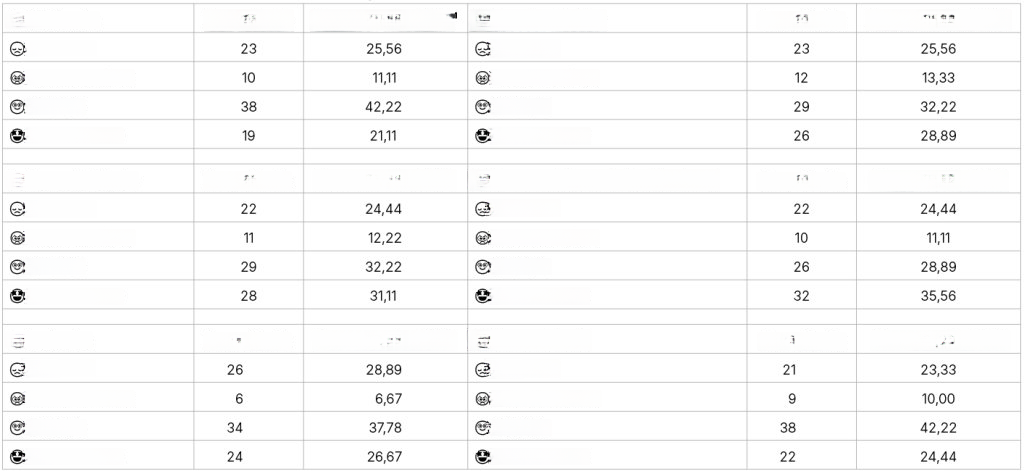
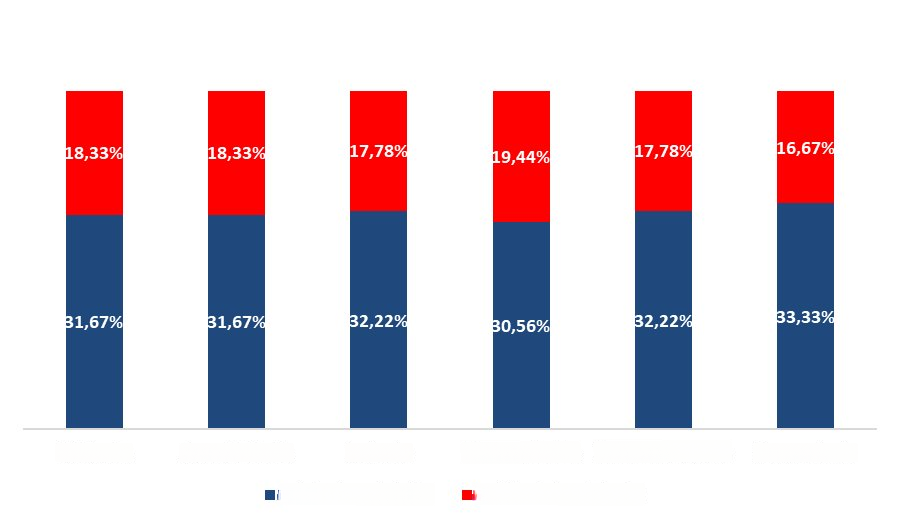
Figure 1 presents the average satisfaction of deaf individuals in employability and DEI actions across the six axes:
Source: Original survey results.
Participants were asked about their perceptions of diversity and inclusion of deaf people at work. The responses shared a lack of accessibility, equal development and opportunities, inclusion, and empathy. Furthermore, the contributions reinforced the discrepancy between the discourse and practice of companies, as well as the existing barriers and difficulties, especially in accessing information and technical and routine knowledge in the workplace. According to Baker et al.[18], the inconsistency between discourse, image, and practice regarding diversity mentioned in the interviews is termed “Diversity Washing”.
Statements related to the use of Libras and deaf culture in the workplace were presented in the applied questionnaire. The responses are depicted in Table 5.
Tabela 5. Avaliação das afirmativas sobre Libras e cultura surda no ambiente de trabalho
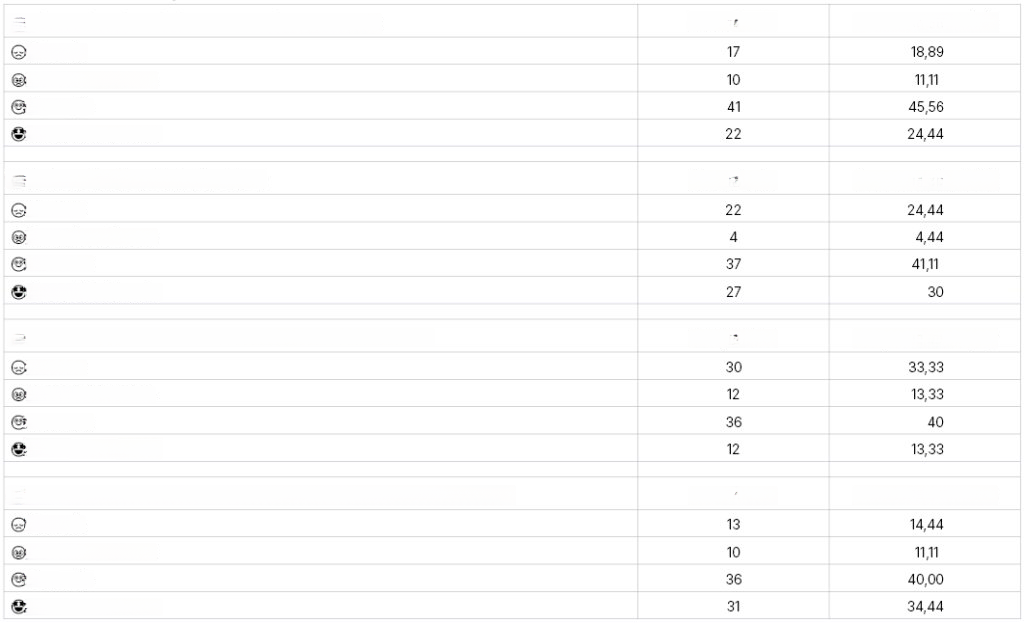
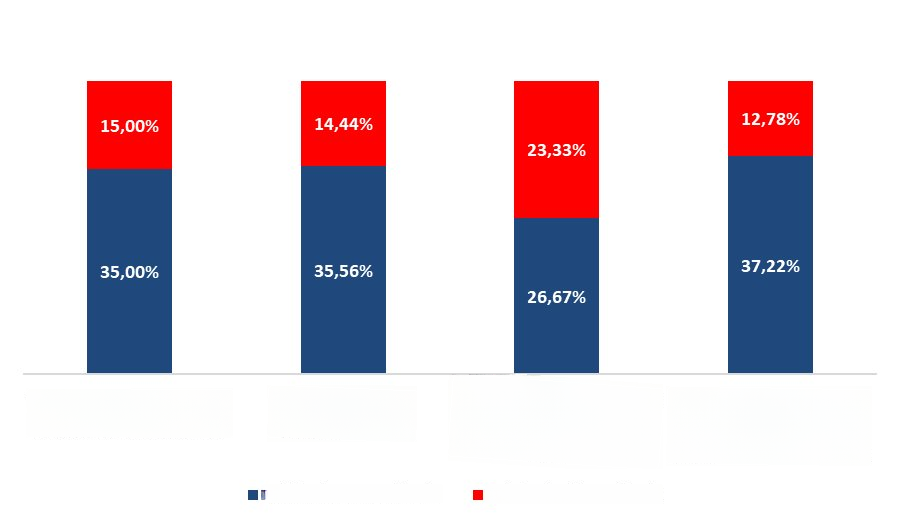
The agreement in the four statements is higher than the disagreement, denoting percentage averages close only in the third statement. Thus, the statements “1. There are linguistic and cultural barriers at work” and “3. There is no recognition of Libras and deaf culture” are correlated and contrasted.
The relationship between the agreement averages of statements 1 and 3 represents a contradiction to the higher satisfaction averages in employability actions present in Figure 1, especially those related to efficiency, accessibility, and inclusion. If there are impediments and lack of knowledge, the actions are not, in fact, efficient, accessible, and inclusive. Thus, the contrast between the agreement and disagreement averages of statements 1 (35%) and 3 (23.33%), respectively (Figure 2), allows for the understanding that, although some organizations recognize Libras and deaf culture, breaking down linguistic-cultural and engagement barriers remains a challenge.
Source: Original research results.
Taylor[19] points out that a large part of leaders are capable of reproducing the company’s values, however, few are those who manage to act according to their discourse. The interviewee E5 stated: “My manager started to become interested in Libras and accessibility (…). However, this was being lost and she was forgetting”. Regarding accessibility and inclusion, the sample’s perception was divided into topics (Table 6):
Tabela 6. Acessibilidade e inclusão no mercado de trabalho para surdos
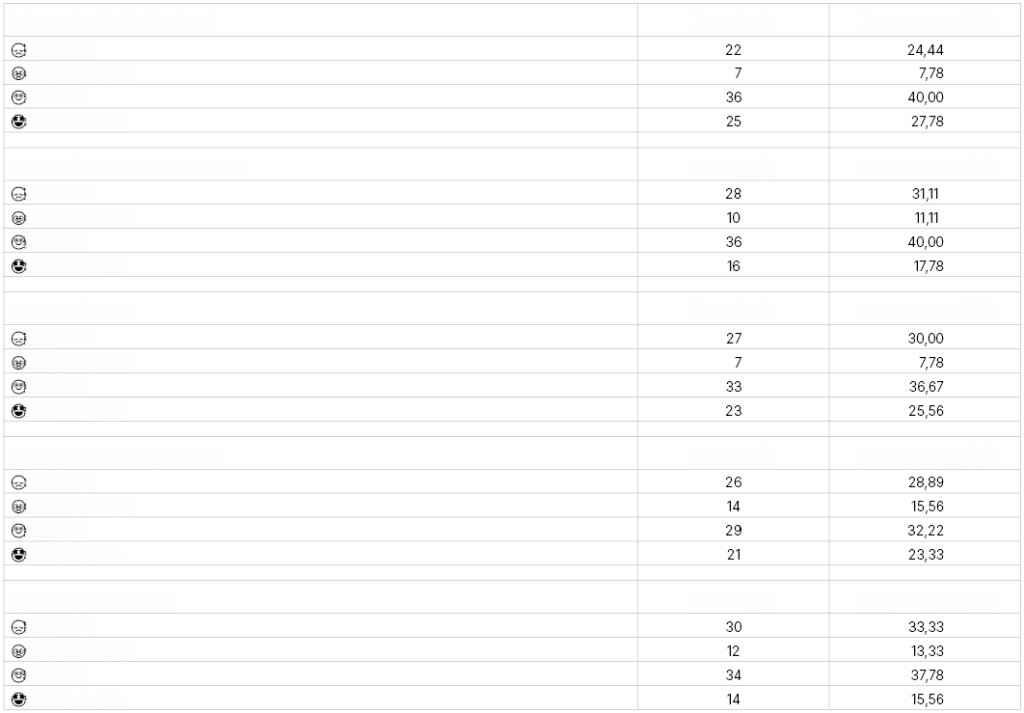
The average satisfaction and dissatisfaction in the axes “Coordinator Incentive”, “Company Preparation” and “Representativeness” is related to the absence of deaf community occupation in leadership and decision-making positions. This information suggests that companies are still in the process of maturity in diversity actions, hindering the career development of deaf people.
Some Brazilian laws were established to support the need for an inclusive and diverse society, contemplating an inclusive work environment and support for people with disabilities. However, for many organizations, inclusion can become a legal adversity to be resolved, rather than a strategic priority.
From this perspective, Law 13.146, known as the Brazilian Inclusion Law – LBI[20], clarifies that discrimination due to disability is a product of differentiation, limitation, or segregation, actively or passively, in relation to people with disabilities. The LBI states that the assessment of disability needs to be biopsychosocial, multiprofessional, and interdisciplinary, testifying that disabilities are interconnected with the biological and psychosocial aspects that influence the lives of these individuals.
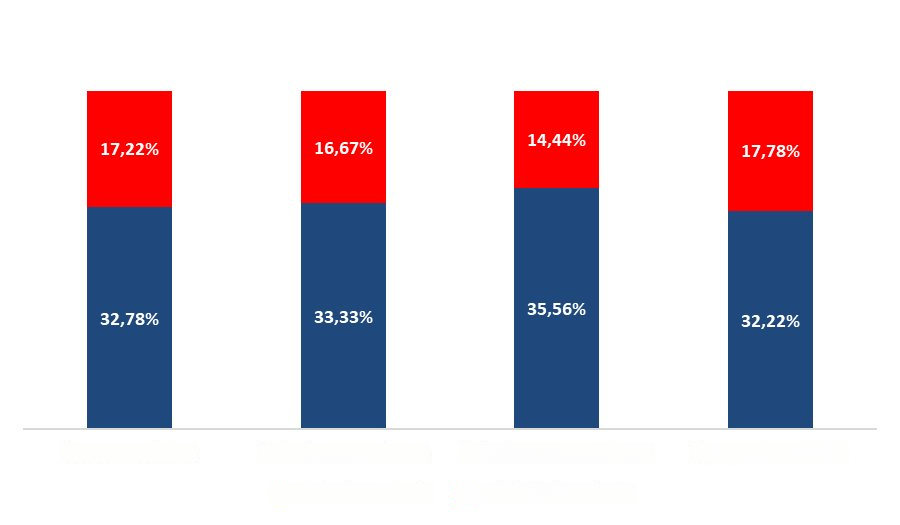
Pereira[21] replaces the stigmatized and stereotyped concept of disability with “functional diversity”. Originating from socio-anthropological studies, the expression encompasses difference and recognizes and empowers the differentiated functioning of each person. Figure 4 represents the average frequency and absence of ableism identified by the interviewed people in relation to deaf people at work, pointing out episodes of evident ableism as rare or null.
Source: Original survey results.
Strobel[9] states that society recognizes the existence of deaf culture, but does not know or validate it, positioning the deaf person in a way that they have to adapt and subordinate to the dominant culture. The interviewee E4 stated: “deaf people are always at a disadvantage. The hearing person has hearing and the deaf person is left not knowing anything, delayed in receiving information”.
According to functional diversity, it is crucial to consider individuals’ cultural identity and their abilities as valid and functional. Therefore, from the selection process to company events, people with disabilities should be seen as strengths to be recognized and developed, solidifying work relationships based on respect and valuing differences, treating them as enriching.
After three decades since the implementation of the Quota Law (Brazil, 1991) and recurrent organizational awareness campaigns regarding inclusion, the situation of people with hearing impairments shows progress and limitations in the workplace. Compliance with the law can be a challenge for many companies, as a consequence of existing communication, attitudinal, social, and physical barriers related to deaf people.
A technical note from the Intersyndical Department of Statistics and Socioeconomic Studies[22] states that the employability of people with disabilities increased between 2011 and 2021, but is still far below estimates, as compliance with the Quota Law is linked to enforcement.
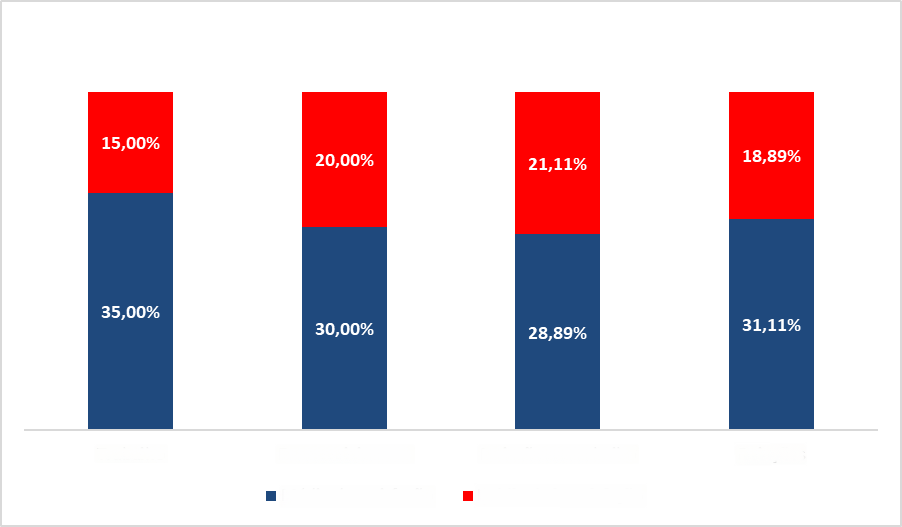
In terms of satisfaction and motivation, respondents predominantly demonstrated satisfaction regarding work, professional development, and relationships with colleagues/superiors. However, in inclusion, the percentages of dissatisfaction and satisfaction were close (Figure 5).
Source: Original survey results.
According to Barros and Marques[23], the deaf community faces the absence of the acknowledgment of their needs in the hearing culture, causing feelings of isolation, loneliness, and suffering due to the lack of accessible communication. From this perspective, the knowledge disseminated about the recruitment, selection, and development of deaf people is scarce and little addressed in literature and organizational practices.
For actions, culture, and organizational leadership to be effective and provide decent work, they must be based on equity and inclusion. Uribe and Montoya[24] emphasize that social inclusion depends on guaranteeing equity for people with disabilities, through their active role in combating the divergences and restrictions imposed by society. In view of this, it is necessary to give space for the deaf community to position itself on what it aims for and on what actions are important for its inclusion.
The question “What is your dream for the future of organizations regarding the inclusion of deaf people?” was asked at the end of the interviews. The answers presented the following points: “prioritization of knowledge in Libras and about deaf culture”; “empathy” with deaf employees; “increased visibility of deaf people”; “professional development”; and “equality of potential”.
A healthy and safe organizational environment for people with disabilities refers to a set of cultural, structural, attitudinal, and communication practices that value diversity and ensure inclusion. Thus, the feelings of belonging, satisfaction, and motivation of deaf people are correlated with the belief and investment of people management in their capabilities and skills, encouraging equitable processes, linguistic-cultural knowledge, professional profile analysis, continuous learning, and empathetic relationships.
The limitation of quantitative descriptive research refers to the objectivity of the respondents’ answers to the topics addressed. The participants’ level of satisfaction regarding employability and DEI actions in the four blocks of the applied questionnaire was not full, expressing the need for constant commitment to the transformation of organizational culture and inclusive and equitable practices.
According to the interviewees, due to the main barrier, communication, it becomes difficult to express their desires, opinions, and dissatisfactions in the workplace. This data, correlated with the results obtained from the applied questionnaire, evidences a scenario of resignation and contentment among deaf individuals with DEI actions, as well as evident satisfaction with the current employability scenario for deaf people compared to what it was in the early years of the implementation of the Quota Law.
This research enabled the understanding of the deaf community’s perceptions of their own employability, highlighting the prevalence of a veiled ableism in the market, intrinsic to the social structure. The interviews made it possible to affirm that there is inequality in the professional development of deaf people and dissatisfaction with organizational inclusion processes, given that opportunities for progress at work are not offered, and there are very few deaf people in positions of greater complexity and leadership.
Deaf people need organizational policies and norms that include them, through inclusive practices, accessibility resources, training, and visibility within the community. The transmission of the characteristics of deaf culture and sign language within the organizational scope is a role of the deaf community, just as the receptiveness of people management to the community is essential for the inclusion of this group.
This study contributed to the survey and description of current data on the employability of deaf people, crucial for understanding the linguistic-cultural context that underlies the community’s inclusion and the actions of people management. As such, it collaborates for future, more equitable, and effective employability, diversity, and inclusion actions, and, mainly, for the knowledge, protagonism, and representativeness of the deaf community in society.
References
[1]Brito Júnior, A.; Brito, M.D.O.; Freire, K.M.A.; Silva, H.F.; Brazil, S.S. 2019. Inclusão de surdos em uma determinada empresa na cidade de Parnaíba-PI: estudo de caso. RACE-Revista da Administração 5: 361-375. Disponível em: https://revistas.cesmac.edu.br/administracao/article/view/1146. Acesso em: 22 abr. 25.
[2]Mottez, B. 2017. Os surdos como minoria linguística. Revista Espaço 48: 21-34. Disponível em: http://seer.ines.gov.br/index.php/revista-espaco/article/view/1199. Acesso em: 21 fev. 2023.
[3]Brasil. 2002. Lei nº 10.436 de 24 de abril de 2002. Dispõe sobre a Língua Brasileira de Sinais – LIBRAS e dá outras providências. Diário Oficial: República Federativa do Brasil, Brasília, DF, 2002. Disponível em: http://www.planalto.gov.br/ccivil_03/LEIS/2002/L10436.htm. Acesso em: 15 de fev. de 2023.
[4]Brasil. 2005. Decreto nº 5.626, de 26 de setembro de 2005. Regulamenta a Lei n° 10.436, de 24 de abril de 2002, que dispõe sobre a Língua Brasileira de Sinais -LIBRAS, e o art. 18 da Lei n° 10.098, de 19 de dezembro de 2000. Diário Oficial: República Federativa do Brasil, Brasília, DF, 2005. Disponível em: < http://www.planalto.gov.br/ccivil_03/_ato2004-2006/2005/decreto/d5626.htm> Acesso em: 10 fev. de 2023.
[5]Instituto Brasileiro de Geografia e Estatística [IBGE]. 2010. Censo Demográfico Brasileiro do IBGE, Brasília. Disponível em: https://censo2010.ibge.gov.br/#. Acesso em: 10 set. 2023.
[6]Brasil. 1991. Lei 8213 de 24 de julho de 1991. Dispõe sobre os Planos de Benefícios da Previdência Social e dá outras providências. Diário Oficial: República Federativa do Brasil, Brasília, DF. Disponível em: https://www.planalto.gov.br/ccivil_03/leis/l8213cons.htm. Acesso em: 22 fev. 2023.
[7]Schneider, P. V. 2020. O labor da pessoa com deficiência: Intersecções entre a lei de cotas e o preconizado pelo trabalho decente frente a Agenda 2030. PUC Campinas, Campinas, SP, Brasil.
[8]Gil, A. 1991. Como elaborar projetos de pesquisa, 3ed. Atlas, São Paulo, SP, Brasil.
[9]Strobel, K. 2013. As imagens do outro sobre a cultura surda. 3ed. Editora UFSC, Florianópolis, SC, Brasil.
[10]Kymlicka, W. 2001. Politics in the vernacular: nationalism, multiculturalism, and citizenship. Oxford University Press, Oxford, UK New York.
[11]Organização das Nações Unidas [ONU]. 1948. Declaração Universal dos Direitos Humanos. Paris: ONU. Disponível em: <https://www.ohchr.org/en/human-rights/universal-declaration/translations/portuguese?LangID=por>. Acesso em: 5 jun. 2023.
[12]Schein, E. 2009. Cultura Organizacional e Liderança. Atlas, São Paulo, SP, Brasil.
[13]Instituto Ethos. 2017. Indicadores Ethos – Guia para inclusão de Pessoas com Deficiência.
[14]Governo do Brasil. Relação Anual de Informações Sociais. RAIS 2024 (Parcial). Ministério do Trabalho e Emprego. 2024. Disponível em: https://www.gov.br/trabalho-e-emprego/pt-br/assuntos/estatisticas-trabalho/rais/rais-2024/rais-2024-parcial/sumario-executivo_rais-2024-parcial.pdf. Acesso em: 19 abr. 2025.
[15]Escorel, S. Equidade em saúde. In: PEREIRA, I.B.; LIMA, J.C.F. Dicionário da educação profissional em saúde. 2ed. Escola Politécnica em Saúde Joaquim Venâncio, 2 Rio de Janeiro, RJ, 2008. Disponível em: http://www.epsjv.fiocruz.br/dicionario/verbetes/equsau.html. Acesso em: 19 abrl. 2025.
[16]Bahia, M. S. 2006. Responsabilidade social e diversidade nas organizações: contratando pessoas com deficiência. Qualitymark, Rio de Janeiro, RJ, Brasil.: Qualitymark, 2006
[17]Great place to work [GPTW]. 2023. Relatório Tendências de Gestão de pessoas 2023. Disponível em: https://gptw.com.br/conteudo/downloads/relatorio-tendencias-gestao-2023/. Acesso em: 10 set. 2023.
[18]Baker, A.; Larcker, D.F.; McClure, C.; harles and Saraph, D.; Durgesh and Watts, E.dward et al. 2023. Diversity Washing. Forthcoming in the Journal of Accounting Research.
[19]Taylor, C. 2021. Cultura líder: Informações e conselhos práticos sobre como os líderes
podem iniciar a transformação da cultura nas organizações. Disponível em: https://www.walkingthetalk.com/hubfs/2021%20PDFs/Portuguese/Leading%20Culture_PT.pdf. Acesso em: 22 abr. 2025.
[20]Brasil. 2015. Lei nº 13.146, de 6 de julho de 2015. Institui a Lei Brasileira de inclusão da pessoa com deficiência (Estatuto da pessoa com deficiência)/Câmara dos Deputados. Diário Oficial: República Federativa do Brasil, Brasília, DF, Câmara dos Deputados, Edições Câmara. Disponível em: http://www.planalto.gov.br/ccivil_03/_ato2015-2018/2015/lei/l13146.htm. Acesso em: 16 ago. 2023.
[21]Pereira, R. 2009. Diversidade funcional: a diferença e o histórico modelo de homem padrão. História, Ciências, Saúde – Manguinhos, Rio de Janeiro 16(3): 715-728. https://doi.org/10.1590/S0104-59702009000300009.
[22]DIEESE. Nota Técnica nº 275 – Inclusão da pessoa com deficiência no mercado de trabalho brasileiro. 2023. DIEESE, São Paulo. SP, Brasil. Acesso em: 19 abr. 2025.
[23]Barros, J.; Marques, M. 2009. 126 f. Pessoas Surdas: Direitos, Políticas Sociais e Serviço Social. Trabalho de Conclusão de Curso. Universidade Federal de Pernambuco. Editora . Arara Azul, Recife, Pernambuco, PE, Brasil.
[24]Uribe, J.F.Q.; Montoya, M.L.O. 2018. Discapacidad, diversidad e inclusión: concepciones de fonoaudiólogos que trabajan en educación inclusiva. Colombia: Revista Fac. Nac. Salud Pública. 36 (3): 52-59. Disponível em: https://revistas.udea.edu.co/index.php/fnsp/article/view/328162. Acesso em: 22 abr. 2025.
Como citar
Miranda, P.L.; Cunha, C.L. A inclusão dos surdos no trabalho: um desafio bilíngue e bicultural. Revista E&S. 2025; 6: e2024037
About the authors
Paolla Lima Miranda – Diversity and Sustainability Analyst. Specialist in People Management and pursuing an MBA in ESG and Sustainable Business at USP/Esalq. Avenida Pádua Dias, 11, Agronomia, 13418-900, Piracicaba, São Paulo, Brazil Cristiana Lara Cunha – Doctor of Administration. School of Economics, Administration and Accounting. University of São Paulo. Avenida Professor Luciano Gualberto, 908, Room H145, Butantã, 05508-010, São Paulo, São Paulo, Brazil