Education
Innovation
Research
October 07, 2024
Veterinary pharmaceutical market grows in the country, but needs to invest in training
Pet market revenue in Brazil reached R$ 60.2 billion in 2022
Brazil is one of the five largest veterinary pharmaceutical markets in the world, according to the Regional Council of Veterinary Medicine of the State of São Paulo. It’s no wonder: more than half (53%) of Brazilian households have at least one dog or cat. There are 58.1 million dogs and 27.1 million cats living in households, as shown by the census released by the PET Brasil Institute.
According to the institute, the pet market’s revenue in the country reached R$ 60.2 billion in 2022 (an increase of 16.4% over 2021). The animal health products sector kept pace, registering a 20% increase in revenue for dog and cat products alone between 2020 and 2021, despite the Covid-19 pandemic – the data is from the Comac Yearbook (Companion Animals Commission), from Sindan (National Union of the Animal Health Products Industry).
The expansion of the veterinary pharmaceutical market, however, was accompanied by a major challenge: the industry faces difficulties in research and development, as it lacks professional qualification in this area.
For a pharmaceutical company to enable the development of veterinary products and their subsequent market launch for commercialization, the first step is to conduct clinical research. The study results must then be sent to the Ministry of Agriculture to request product registration.
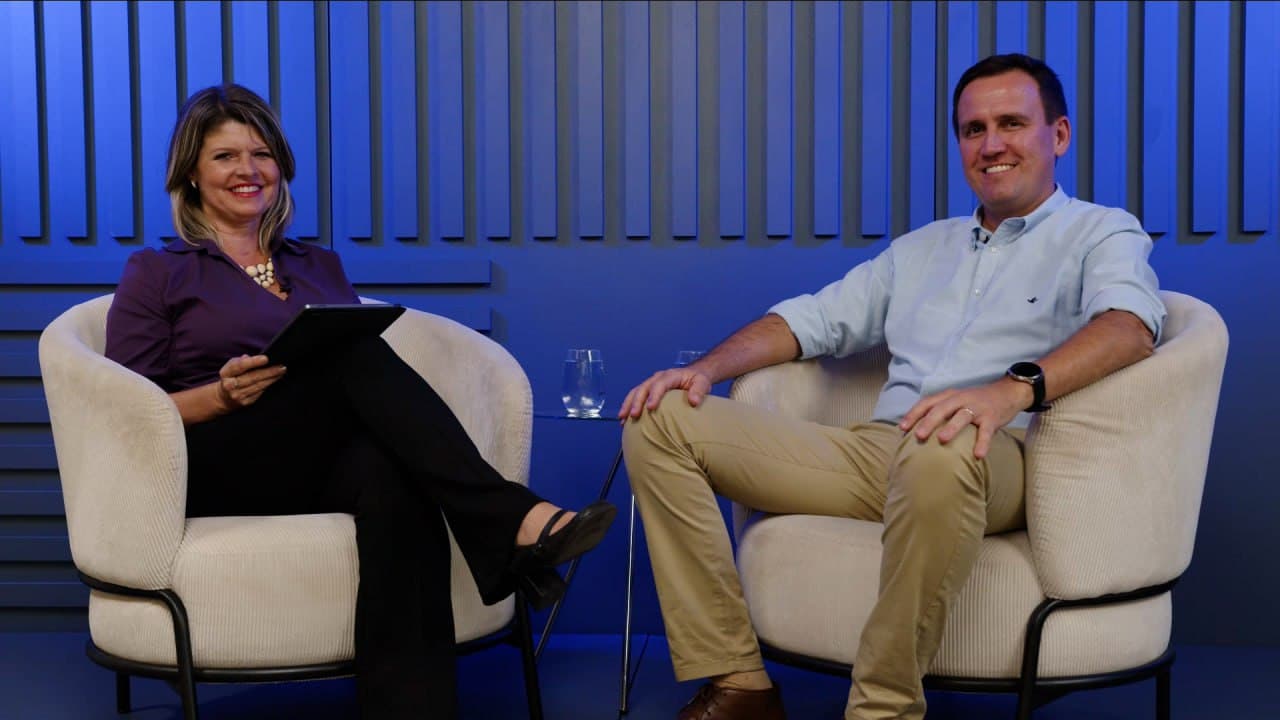
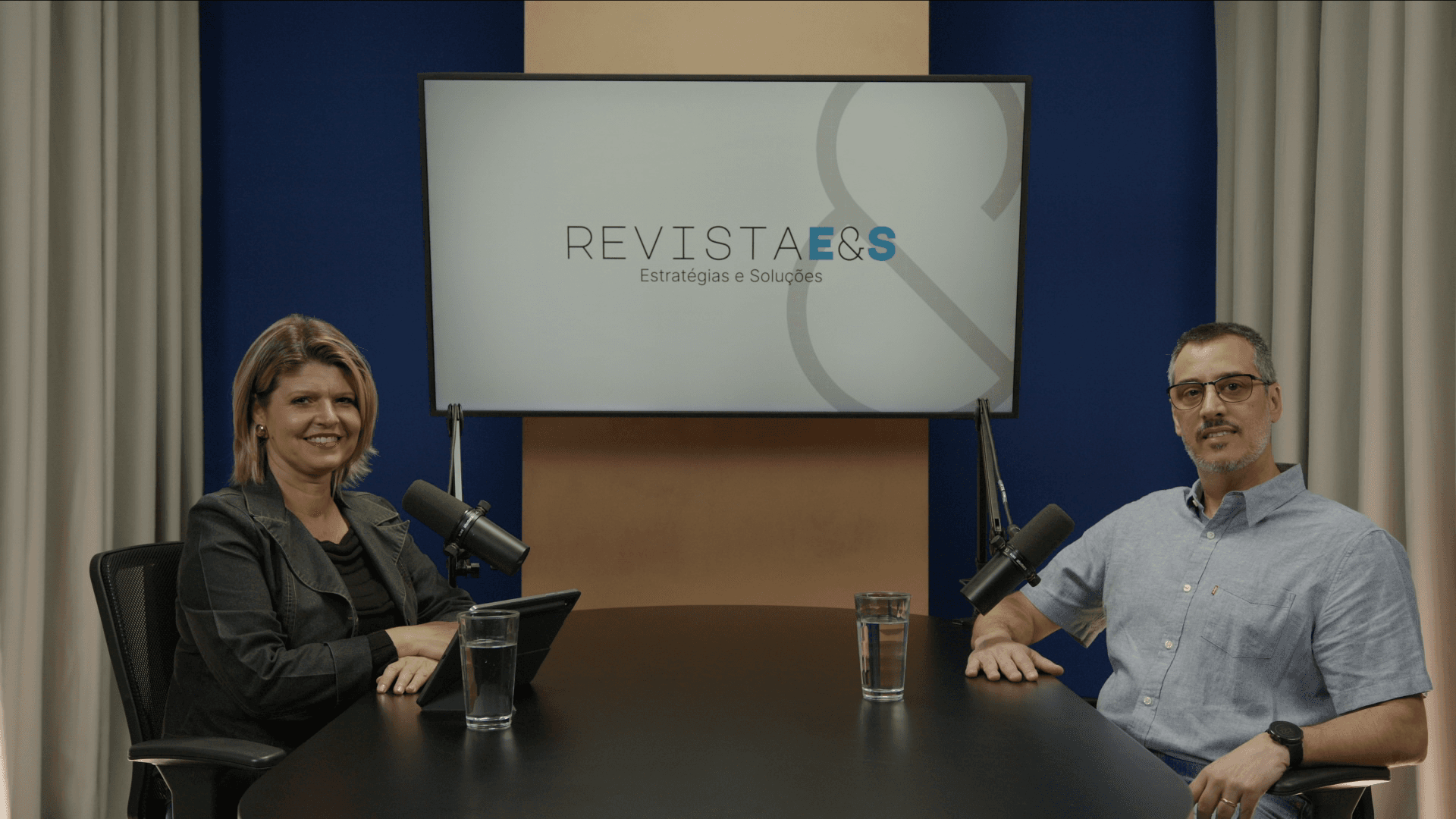
“The clinical research market in Brazil is still small compared to countries like the United States, Europe, and Japan,” explained this month’s interviewee from Revista Estratégias e Soluções (E&S), published by Editora Pecege, Luís Augusto Rossa. In conversation with presenter Soraia Fessel, he revealed that, despite being a promising field, there is a lack of training courses for these researchers. Learn more by clicking on the video below.
Luís Augusto Rossa, a veterinarian, is a co-owner and scientific director of Bioxen Pesquisa e Desenvolvimento em Medicina Veterinária, which was one of the first CROs (Contract Research Organization) in Brazil.
A CRO acts as a bridge between the sponsor of the veterinary clinical study – usually a pharmaceutical industry – and the professionals involved in conducting the study. Its mission is to verify the efficacy, safety, and withdrawal period (how long after product administration the animal can be slaughtered, if it is for meat production) of veterinary products.
Rossa recalled that Brazil is one of the largest producers and exporters of meat in the world – beef, pork, and poultry – reinforcing the importance of clinical research, which guarantees the registration in the package insert of information about the withdrawal period of veterinary drugs. “The producer, the veterinarian in the field, must then comply, according to what is established in the package insert, how long after that medication is applied, they can sell their product,” he explains.
In the beef market, this parameter is very important, as there is very strict control in companies that regulate these consumption sectors outside of Brazil. “If [the producer] does not comply with this grace period, when the meat arrives [in another country], they [the companies] can perform some analysis and return this meat, because it still has drug residues.”
About the interviewee
Luís Augusto Rossa is a veterinarian and co-owner and scientific director of Bioxen Research and Development in Veterinary Medicine. He has already conducted more than 950 clinical studies for the registration of veterinary drugs with the Ministry of Agriculture of Brazil and for other agencies in Latin America (Chile, Mexico, and Costa Rica).
Who published this videocast
Renata de Gaspari Valdejão Almeida