April 19, 2024
The Age of Longevity and the strength of the Silver Economy
Consumers 50+ are more financially stable, are concerned with well-being and health, value quality, and are loyal to brands

Far from dated stereotypes, the 50+ consumer is redefining not only the concept of aging, but also the consumption landscape and expectations regarding products and services offered by brands. This consumer is the protagonist of the Silver Economy, or Silver Economy, or even Longevity Economy, which refers to economic activities, products, and services that meet the demands of people over 50 years old.
The latest IBGE (Brazilian Institute of Geography and Statistics) census revealed that, in 2022, the total number of people aged 65 or over in Brazil represented 10.9% of the population. According to the census, the number of people over 60 years old increased by 56% compared to 2010.
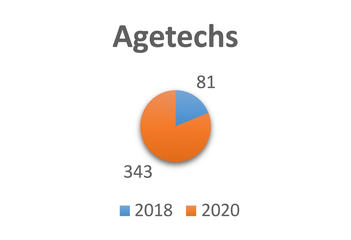
A 2021 study by Data8 – a company specializing in researching this type of target audience – already showed that Brazilians aged 50+ generate almost R$ 2 billion per year. According to Data8, there has been accelerated growth in “agetechs”, startups that offer solutions for longevity, from 81 businesses mapped in 2018 to 343 in 2020.
The same study mapped the profile of Brazilian consumers over 50 years old. When asked about their priorities, 69% answered that it was taking care of their health; while 43% wanted to spend more time with family; and 42% prioritized traveling more. In addition, the survey indicated that 57% of respondents did not feel their age, and 33% believed they would live to be 100 years old.
The data above reveal a series of insights into the behavior and priorities of Brazilians over 50 years old, as well as their significant economic impact: significant financial activity, these consumers’ search for meaningful experiences, and a shift in the traditional perception of the concept of aging.
Thus, in this new economy, the market is abandoning what it considered “old” and moving to a different reality, where new nomenclatures such as “aging” and “aged” emerge, which become part of our vocabulary, in a scenario where the senior population has a relevant implication in consumption: it is in this generation that income and purchasing power are concentrated.
Consumers aged 50+ tend to have more accumulated experience and knowledge over the years, are more financially stable, have greater concern for well-being and health, value quality, and are loyal to brands. There is a greater concern for convenient products and services.
However, as in other segments, that of older people presents a series of challenges for companies, such as, for example, overcoming the stereotype associated with age, communication that is more sensitive to this group, and the adaptation of its members to technology. But opportunities come along. New products and services focused on health and well-being, as well as convenient, personalized, and high-quality solutions, have a chance to prosper in this market.
Some insights can be valuable for brands that work with this audience or aim to work with it:
- innovation in products and services: constant investment in research to create or improve products and services that meet the specific needs of the 50+ client, including intuitive technological devices, personalized solutions and service, can add value for consumers in this niche;
- representativeness in communication, content, and language: incorporating representativeness in all forms of communication – involving the choice of images, message, and channels that reflect age diversity – can bring this consumer closer; it is also important to ensure inclusive content that respects the life experience and repertoire of this audience.
- design and accessibility: adopt inclusive design practices that can consider ergonomics, readability, and aesthetics to meet this profile. Another highlight is digital accessibility on online platforms, such as websites, for example, with adjustable fonts, color configuration, and cursor size enlargement. The design should be an extension of the mature user experience, facilitating access and interaction;
- time value: prioritize solutions that save time and facilitate access for 50+ consumers to products and services. It is essential to simplify purchasing and customer support processes. The focus is on convenience throughout this customer’s journey.
Thus, as life expectancy increases and more mature generations continue to influence the market, brands that adopt a sensitive, innovative approach tailored to their needs will have a greater chance of success in their strategies.