
Shrimp
Consumer Behavior
Digital Consumer
Production
April 22, 2022
Habits and behaviors of the digital consumer of marine shrimp produced in confinement
DOI: 10.22167/2675-6528-20220023
E&S 2022,3: e20220023
Daniele Klöppel Rosa Evangelista; Alexandre Barreto de Almeida
Marine shrimp is the second aquaculture product in value, although its production represents only about 9% of the total national aquaculture production[1]. According to the Brazilian Association of Shrimp Farmers (ABCC), the production for the year 2019 was 90,000 t, with projections to reach 120,000 t in 2020[2].
However, on March 11 of the same year, the pandemic caused by the new Coronavirus [SARS-CoV-2], the agent causing the disease Covid-19, was declared worldwide[3]. The economic losses in aquaculture activity, due to the pandemic, involved the difficulty in marketing the production, resulting in the accumulation of stock in production systems, difficulty in acquiring inputs, as well as in acquiring or maintaining equipment, in addition to the need for leave for employees belonging to risk groups or affected by flu-like symptoms[4]. For marine shrimp producers, the main impact was the difficulty in marketing the production, characterized, for the most part, by fresh shrimp, and absorbed almost entirely by the domestic market, either through negotiations with processing units, with intermediaries or, on a smaller scale, directly with retailers, hotels, and restaurants[1].
Refrigeration plants were also significantly affected by logistical difficulties in acquiring raw materials and by social distancing restrictions for their employees, reflecting in lower processing capacity per day. The same occurred with the “food service” sector, linked to tourism, hotels, and restaurants, which was heavily impacted by “lockdown” decrees and by customers’ fear regarding the sanitary safety of public places[5]. This generated a major impact on the fish chain in Brazil, as about 70% of fish consumption occurs via “food service”[6]. With restaurants closed, there was an increase in trade through “food delivery” systems and retail chains, as consumers began to prepare and consume food in their homes[5]. An increase in the use of e-commerce platforms was also observed “business-to-consumer“ (B2C) and “business-to-business” (B2B), which resulted, in part, in access to perishable products – among them, fish. Furthermore, B2C saw a significant increase in “mobile e-commerce“ modalities, through “web” platforms and specific applications; and “social e-commerce“, through social networks[7].
The pandemic brought about the consumer 5.0, a digital native who interacts instantly with brands and companies, as exemplified by social media[6]. Thus, considering that changes in the way of marketing are also a reflection of changes in consumer behavior and habits, a questionnaire was developed and applied, individually and confidentially (using the Free and Informed Consent Term for Online Research). The questionnaire consisted of 14 questions, divided into the blocks: I. About you; II. About the acquisition and consumption of marine shrimp; and III. About the marine shrimp delivery service. The questionnaire was made available, via a Google Forms link, through social media and personal and professional contacts via messaging applications, from July 30 to August 30, 2021.
Block I sought to characterize the participant, with information about their location, gender, age, income, and education level. The 105 responses obtained are geographically distributed across 52 municipalities and 18 federative units (Figure 1).
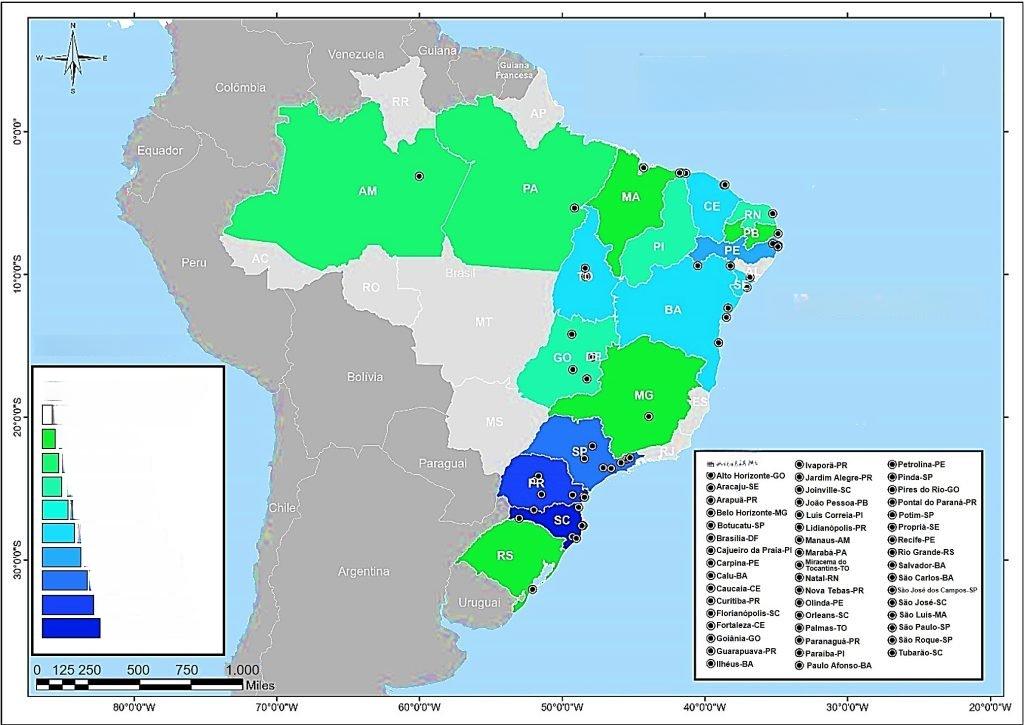
Figure 1. Map of the household geographical distribution of respondents to the questionnaire
Source: Prepared by the author
The states with the highest individual participation in the survey were Santa Catarina and Paraná, with 17% and 16%, respectively, and São Paulo and Pernambuco, both with 10% each. Considering a regional analysis, the Northeast and South regions appear in first and second place, with 37% and 34% of the responses, respectively. In the quantitative evaluation of responses by region, the Northeast region appears, evidently, with the highest percentage of contribution to the responses, as it concentrates the largest producing states of marine shrimp in the country, with emphasis on Ceará and Rio Grande do Norte[2].
Regarding gender, the majority of participants declared themselves as female (53%), and the rest as male (47%). The age range of the research participants primarily covered the 30-39 years bracket (42%), followed by the 20-29 years bracket (18%), 40-49 years bracket (16%), 50-59 years bracket (13%), and over 60 years bracket (11%).
The main income range declared by participants was one to five minimum wages, with 37% of occurrences; followed by the ranges of six to ten minimum wages, above eleven minimum wages, and up to one minimum wage with, respectively, 30%, 26%, and 7% of occurrences. Regarding the participants’ education level, 62% reported holding a postgraduate degree, followed by complete higher education (17%), incomplete higher education (15%), complete high school (4%), and complete elementary school (2%). Participants who declared themselves with postgraduate education are mostly female (54%), in the 30-39 age group (48%), and residents of the states of Santa Catarina (18%), São Paulo and Paraná, both with 14%, and Pernambuco and Ceará, equally with 9%.
Block II of questions provided information on the acquisition and consumption patterns of marine shrimp before and after the declaration of the pandemic caused by Covid-19. Before the start of the pandemic, participants stated that, in 34% of occurrences, consumption was infrequent, 23% reported consuming the product once a month, 17% consumed it two to three times a month, 12% claimed to consume it once a week, 10% said they never consumed the product, and 3% reported consuming it two to three times a week (Figure 2).
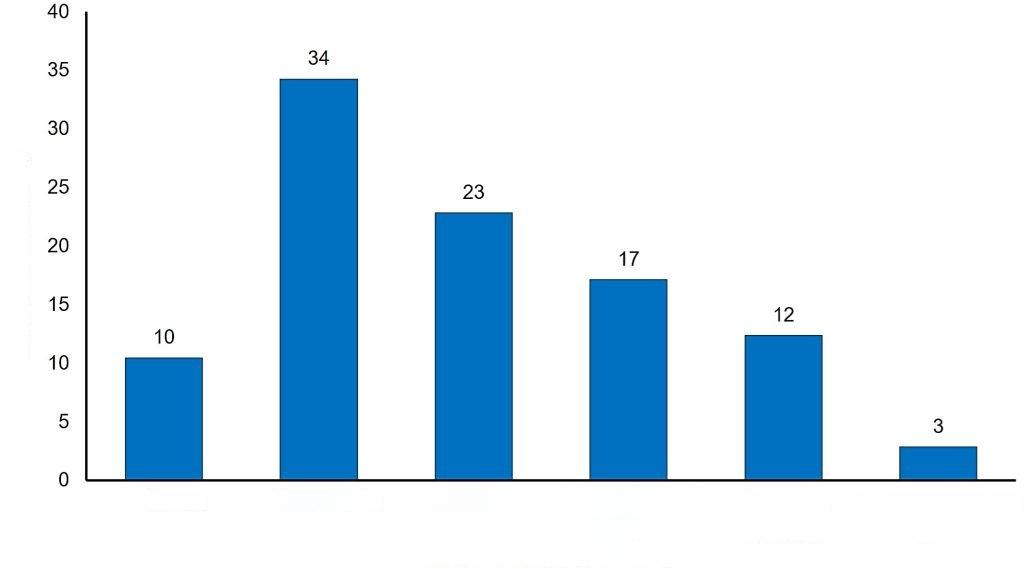
Figure 2. Frequency of marine shrimp consumption before the declaration of the pandemic state
Source: Prepared by the author
Regarding how marine shrimp were consumed before the country’s pandemic declaration, 61% of participants stated that consumption occurred at home, using chilled or frozen product prepared from purchases made at wholesale or retail stores. Approximately 23% consumed through the “food service” network (bars and restaurants); 10% did not consume it at all. Concerning consumption via “delivery” service, 3% consumed chilled or frozen product prepared at home, and another 3% reported consuming the ready-made dish (Figure 3).
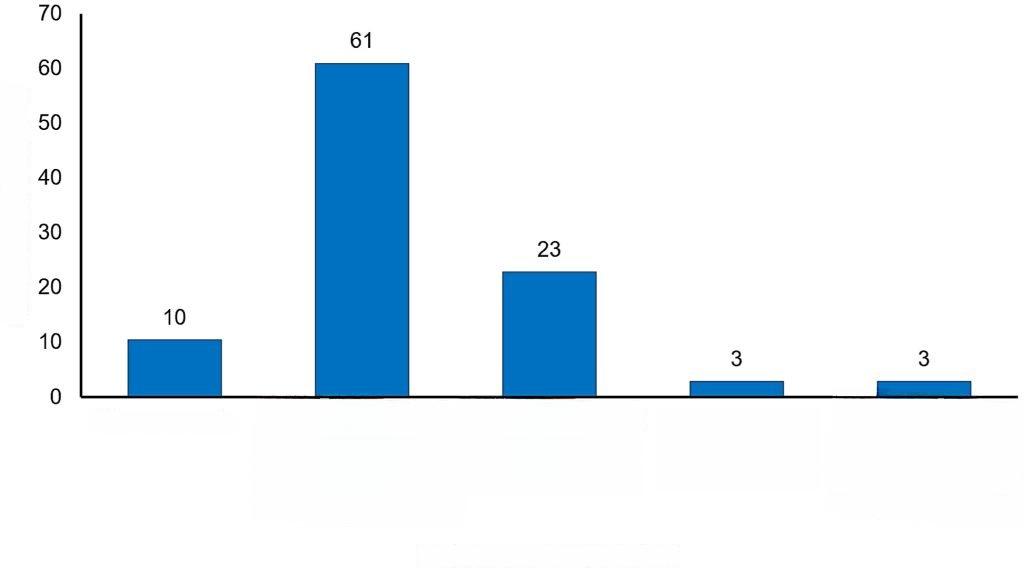
Figure 3. Forms of consumption of marine shrimp before the declaration of the pandemic state Source: Prepared by the author
The respondents were also asked about their perception regarding the ease of access and/or acquisition of marine shrimp in their city or region. As a result, 15% did not respond, 68% reported a positive perception of the ease of access and acquisition, and 16% had a negative perception.
Changes in consumption patterns were stimulated by the pandemic, either by encouraging the consumption of healthier foods or by the population’s decapitalization, which drove them to seek more affordable options[8]. Thus, when asked how their consumption frequency of marine shrimp behaved after the start of the pandemic, 50% of respondents said it remained the same, 29% believe their consumption frequency decreased, 15% said their consumption frequency increased, 4% stopped consuming, and 2% never consumed the product (Figure 4).
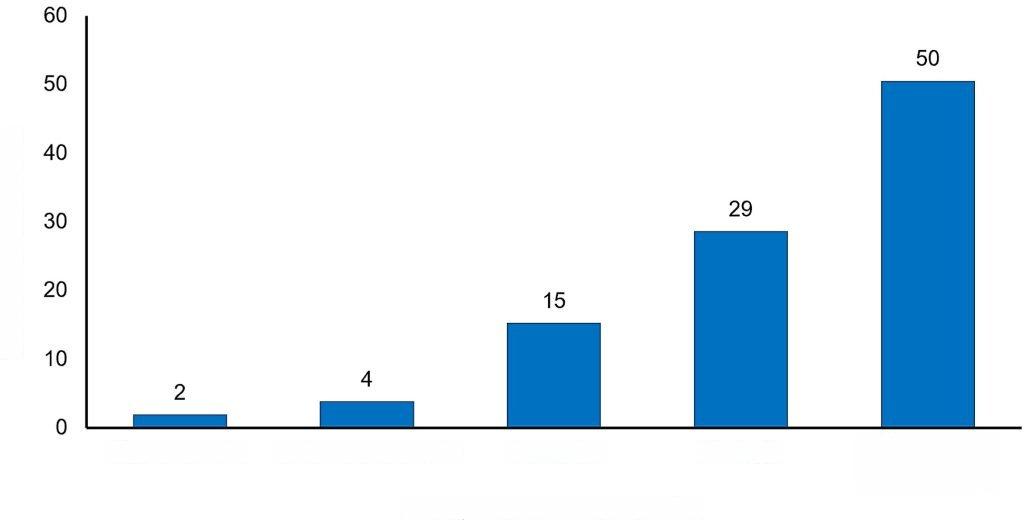
Figure 4. Frequency of marine shrimp consumption after the onset of the pandemic state
Source: Prepared by the author
Although 50% of participants maintained the same frequency of marine shrimp consumption after the pandemic began, the analysis of information on how shrimp was consumed during this period shows that there was a change in consumption patterns. With the onset of the pandemic, the consumption of marine shrimp at home, from chilled or frozen product purchased through wholesale or retail, decreased by 18%, from 61% to 50% of cases. Consumption through the “food service” network (bars and restaurants) fell from 23% to 17%, representing a 26% drop. On the other hand, consumption through “delivery” service showed an overall increase of 150% after the pandemic began. Individually, “delivery” consumption of chilled or frozen product rose from 3% to 7%, an increase of 133%; while the consumption of ready-to-eat marine shrimp dishes increased by 166%, from 3% to 8% (Figure 5).
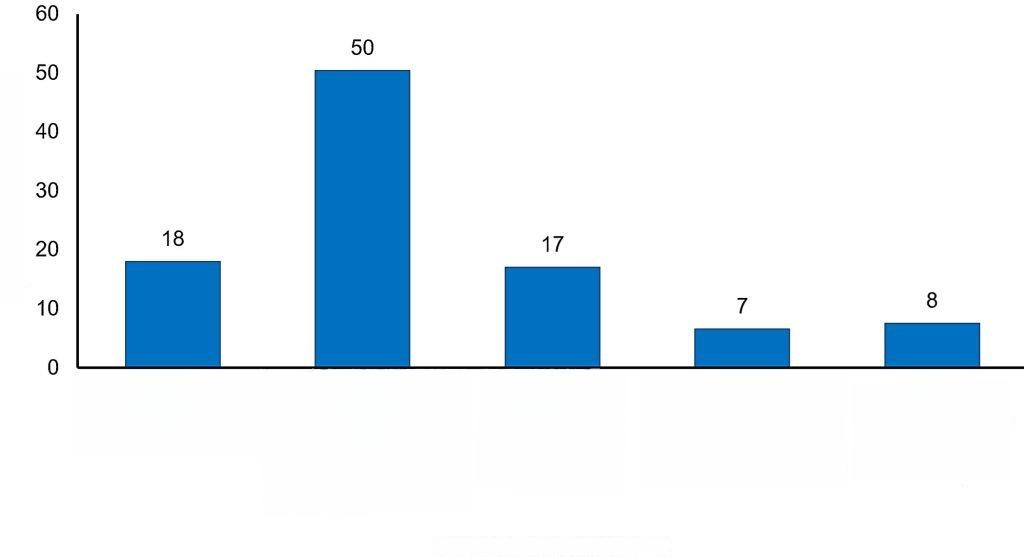
Figure 5. Post-pandemic marine shrimp consumption patterns Source: Prepared by the author
Regarding participants’ perception of the ease of access and/or acquisition of marine shrimp after the start of the pandemic, 15% did not answer this question, 27% had a neutral stance, perceiving no change, 37% had a positive perception of improvement in this ease, and 21% had a perception of worsening of this ease. The perception of neutrality may be related to occasional consumption or non-consumption, reported by some of the interviewees. The perception of improvement in ease of access may be due to the increased supply of marine shrimp for commercialization in the domestic market, as small producers resorted to supplying supermarkets as an alternative way to sell their production[8]. Regarding the perception of decreased ease of access and acquisition of marine shrimp, it may be related to the subsequent financial crisis, with the closure of many establishments, suspension or elimination of jobs, and consumers’ need to seek more affordable options for animal protein[5], [6]. Similarly, a trend of switching from more expensive products such as cod, shrimp, and lobsters to lower-cost and therefore more accessible products was observed[9].
The third and final block of questionnaire questions addressed the participant’s experience with purchasing marine shrimp through virtual channels and “delivery” service. The majority of respondents had never made a virtual purchase of marine shrimp, 76%, while 24% of participants stated they had already purchased the product through virtual channels. Of the 24% who had already made a virtual purchase of marine shrimp, 52% said they had purchased through a local/regional delivery app or software, 36% purchased through social networks like Instagram and Facebook, and 12% through an aquaculture company’s app or software. Furthermore, survey data show that the chances of research participants making a virtual purchase of marine shrimp in the next three months is 51%, versus 49% who stated they had a low or very low chance of doing so.
Even with the increased use of “delivery” and “e-commerce” platforms, consumers are divided on whether or not to use a “delivery” service for the acquisition of marine shrimp. For those accustomed to consuming marine shrimp sold fresh, the habit of choosing shrimp at markets and supermarket stalls may be a limiting factor to adopting the “delivery” purchase service. The negative perception of using virtual channels, such as social networks, applications, and “delivery” software for the acquisition of marine shrimp was 40%, and in 22% of cases, the justification was the impossibility of choosing the product. This was the open-ended question with the lowest percentage of responses (73%), a clear indication that the topic is still new for some of the respondents.
The sale of marine shrimp produced in confinement through “e-commerce” environments and “delivery” applications is feasible, besides being a reality among consumers of this product. The expansion of the commerce model will depend on consumer confidence in the quality of the product purchased. However, it is also necessary for the supply chain to invest in strategic market actions to provide consumers with reliable information so that they can make the best consumption choices – that is, frozen marine shrimp, for example, is a superior quality product to fresh product, which is marketed chilled and quickly loses quality over time.
References
[1] Ximenes L.F. Produção de pescado no Brasil e no Nordeste brasileiro. Caderno Setorial ETENE. 2021; 5(150): 1-16.
[2] Associação Brasileira de Criadores de Camarão (ABCC). Produção Brasileira de Camarão Marinho Cultivado por Estado: Dados Reais de 2015 a 2019. 2020. Disponível em: < https://abccam.com.br/wp-content/uploads/2020/10/Producao-de-Camarao-2020.pdf>.
[3] Organização Pan Americana da Saúde (OPAS). Histórico da pandemia de Covid-19. 2021. Disponível em <https://www.paho.org/pt/covid19/historico-da-pandemia-covid-19>.
[4] Lima L.K.F.; Maciel P.O.; Kirschnik L.N.G; Chicrala P.C.M.S.; Routledge E.A.B.; Borghesi R. Informativo Técnico para o Aquicultor: Coronavírus (Covid-19). Palmas: Embrapa Pesca e Aquicultura. 2020. Disponível em: <https://www.embrapa.br/pesca-e-aquicultura/busca-de-publicacoes/-/publicacao/1121690/informativo-tecnico-para-o-aquicultor-coronavirus-covid-19>.
[5] Kakoolaki S.; Ebne al-Torab S.A.; Ghajari A.; Anvar A.A.; Sepahdari A.; Ahari H.; Hoseinzadeh H. Socio-economic impacts of Coronavirus (COVID-19) outbreak on world shrimp aquaculture sector. Iran. J. Aquat. 2020; 6 (1): 1-18.
[6] Carvalho R.; Figuerola W.B.; Souza R. As Dores e as Oportunidades para o Carcinicultor no Mercado Pós Pandemia. Revista ABCC. 2020; 22 (1): 26-31. Disponível em: <https://abccam.com.br/wp-content/uploads/2020/11/ARTIGO-RODRIGO-CARVALHO-REVISTA-ABCC-ED.-DIG.-JULHO-2020.pdf>.
[7] Food and Agriculture Organization of the United Nations (FAO); Comissão Econômica para a América Latina e o Caribe (CEPAL). Sistemas Alimentarios Y Covid-19 en América Latina y el Caribe: La oportunidad de la transformación digital. Santiago: FAO; 2020. Boletín 8. Disponível em: <http://www.fao.org/3/ca9508es/CA9508ES.pdf>.
[8] Carvalho R.A.P.L.F. A pandemia e os desafios para o mercado do camarão cultivado. Feed & Food. 2020; 14(159): 86-87. Disponível em: <https://abccam.com.br/wp-content/uploads/2020/07/REVISTA-FEED-FOOD-JULHO-DE-2020.pdf>.
[9] Chicrala P.C.M.S.; Santos V.R.V.S.; Lima L.K.F.; Sousa D.N.; Kato H.C.A.; Ummus M.E.; Vale T.M. Breve análise do impacto da pandemia da covid-19 sobre as indústrias de processamento de pescado. In: Freitas P.G.; Mello R.G. (Orgs.). Pandemia COVID-19 no Brasil: políticas públicas e demandas sociais. Rio de Janeiro: e-Publicar. 2021; p. 155-166. Disponível em: <http://www.infoteca.cnptia.embrapa.br/infoteca/handle/doc/1132965>.
Como citar
Evangelista, D.K.R.; Almeida, B.A. Hábitos e comportamentos do consumidor digital de camarão marinho cultivado. Revista E&S. 2022; 3: e20220023.
Sobre os autores
Daniele Klöppel Rosa Evangelista, Analista de Transferência de Tecnologia na Embrapa Pesca e Aquicultura, Palmas, TO, Brasil.
Alexandre Barreto de Almeida, Harfsen Research, Departamento de gestão de projetos de inovação, Piracicaba, SP, Brasil.
Editorado por : Edson Pereira da Mota
Link para download: https://cms.revistaes.com.br/wp-content/uploads/2022/04/26.pdf