
Consumer Behavior
Digital Consumer
E-commerce
Pandemic
November 23, 2023
Pandemic, anxiety and the emergence of the concept of ultra-convenience in Brazil
DOI: 10.22167/2675-6528-20230118
E&S 2023,4: e20230118
Letícia de Paula Leite Fasolari; Maria Cecília Guilherme Siffert Pereira Diniz
In 2020, the world was facing the initial stages of the COVID-19 pandemic. At that time, little was yet known about the consequences that would follow in various segments of the economy and how this would impact commerce as a whole. Online shopping was already present in Brazil and worldwide long before the pandemic began, but most Brazilians still did not feel safe sharing their data in an online environment[1]. The speed and reach of the consolidation of electronic purchases depend on overcoming obstacles of various kinds[2]. However, once the social distancing measures adopted in Brazil and other countries worldwide to mitigate the effects of the pandemic included the closure of stores and other services considered non-essential, consumers increasingly turned to e-commerce.
The COVID-19 pandemic not only affected trade but also contributed to the deterioration of Brazilians’ mental health. Even before the pandemic, in 2019, Brazil was already considered one of the most anxious countries in the world, according to data provided by the World Health Organization (WHO)[3]. A more recent global survey conducted by Ohio State University (USA)[4] indicates that anxiety and depression rates in Brazil have increased by 25% since the last survey in 2019. Among the groups most affected by the pandemic are the youngest, as three out of ten young people report experiencing symptoms of anxiety, according to a survey conducted by the United Nations Children’s Fund (UNICEF) in early 2022[3].
In this context, one of the ways to distract oneself and combat anxiety during the COVID-19 pandemic period was to buy products online, reveals psychiatrist Cristiane Baes, from the Department of Neurosciences and Behavioral Sciences at the Faculty of Medicine of USP (2020)[5]. The anxiety factor is an increasingly common trend worldwide, especially among younger people, who aim to have everything within reach immediately, with or without the real need for the product/service[6]. And, despite the financial crisis that many faced and continue to face due to the pandemic, this was one of the most used escapes by Brazilians. The number of online purchases in Brazil increased by more than 98% during the COVID-19 pandemic, and this number is expected to continue expanding[7].
Another factor that influenced this transition period was the convenience that online shopping provides to consumers. There are four important benefits that ended up making the online service so popular, not considering external events like the COVID-19 pandemic[8]: the convenience of products being available to consumers 24 hours a day; the fact that the purchase can be made from anywhere; the amount of information consumers have access to, which allows them to compare products and services without needing to travel anywhere; and greater comfort, given that these consumers make their purchases without needing to deal with other intermediaries, expose themselves to persuasive or emotional factors, and do not need to face any queues[8].
Linked to the concept of convenience, the COVID-19 pandemic paved the way for the emergence of a new branch of this concept, which was called ultra-convenience, “ultra fast delivery”, or “quick commerce”. As the name suggests, the main objective is to ensure ultra-fast delivery, within 30 minutes, for consumers. Given that digital users in Brazil primarily consider shipping costs (77%) and delivery speed (66%) when making a purchase decision, according to a survey conducted by Opinion Box in 2021[9], companies have been investing more and more in more agile and faster delivery solutions. Delivery and retail companies are just a few examples of companies that have already adopted some changes to adapt to this new trend. Terms such as “same day delivery”, “pick up store” (pickup points spread across cities), and the so-called “dark stores” (small warehouses spread across urban centers to facilitate deliveries) are becoming increasingly stronger in the market.
Given this scenario, this study aims to verify and analyze the familiarity of Brazilian consumers with the concept of ultra-convenience and whether this is a relevant factor in the online purchase decision.
The first phase of the study was developed through qualitative exploratory bibliographic research, in order to present the potential of this new trend. This methodology is developed based on already elaborated material, mainly consisting of books and scientific articles[10]. The main advantage of using this methodology is that it allows the researcher to explore a much wider range of phenomena and, thus, obtain a greater theoretical deepening to guide the research[11]. As it is a still recent term, exploratory research was essential for a better understanding and deepening of it.
In the second phase of the work, in order to support the analysis, a data collection was carried out through a descriptive and exploratory survey. Exploratory studies are useful for diagnosing situations, exploring alternatives, or discovering new ideas[12]. This data collection was carried out using a questionnaire that was made available via an email link, which was available from November 1, 2022, to December 29, 2022, due to “black friday” and Christmas, important dates for e-commerce. A total of 16 questions were applied, 11 multiple-choice and five open-ended, in order to verify if consumers are truly familiar with the concept of ultra-convenience and if this is a relevant factor in the decision to purchase online. In total, 128 responses were collected from consumers in eight states of Brazil.
From the data collection through descriptive and exploratory research, it was possible to evaluate the population’s consumption habits and their knowledge about the concept of ultra-convenience. The research sample was mostly composed of respondents between 18 and 25 years old (39%); followed by the age groups of 31 to 40 years old (21%); and over 50 years old (21%), as shown in Figure 1. Regarding gender, 59% declared themselves as female and 41% as male.
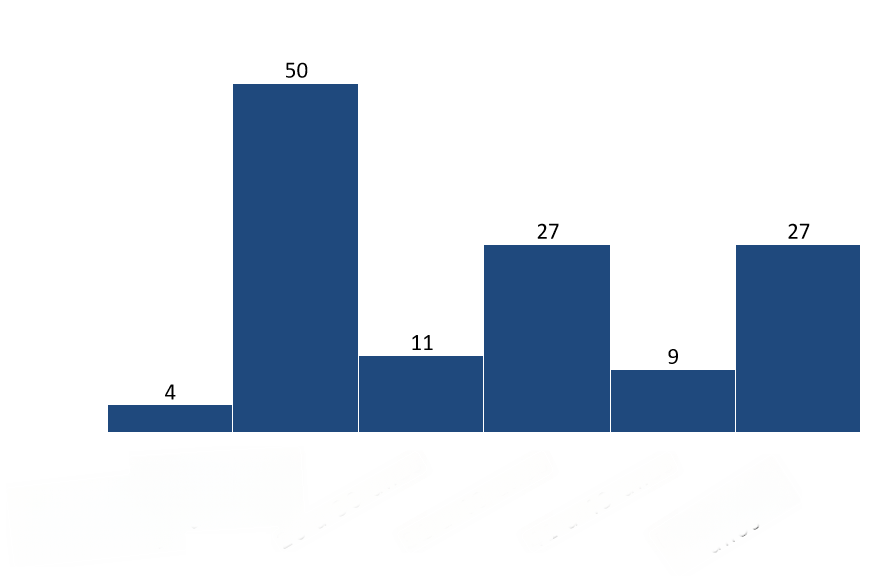
Figure 1. Age of respondents
Source: Original survey results.
Regarding the state of residence, 91% of the people who responded to the survey resided in the state of São Paulo, 3% in Bahia, 1% in Alagoas, 1% in Paraíba, 1% in Paraná, 1% in Rio de Janeiro, 1% in Rio Grande do Sul, and 1% in Santa Catarina, as shown in Figure 2.

Figure 2: States where respondents resided
Source: Original survey results.
The survey was made available during November and December 2022, in order to analyze people’s consumption habits during the most important periods for retail, “black friday” and Christmas. The survey results indicated that 63% of people intended to make a purchase on “black friday”, while 37% did not have this intention, according to Figure 3.
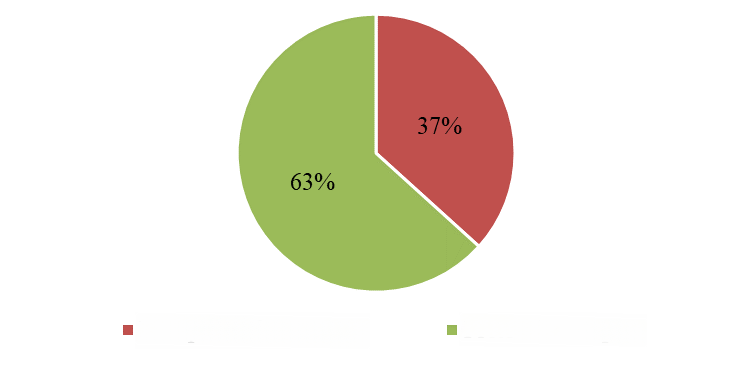
Figure 3. Intention to make a purchase on Black Friday 2022
Source: Original survey results.
Of these 63% who intended to go shopping, 64% planned to buy only online, while 28% planned to buy both online and in physical stores. Only 8% of the sample stated that they would buy only in physical stores during this period. Regarding the most relevant factor for making a purchase, 58% cited price as the main factor, and 29% cited reliability, given that most respondents intended to make their purchases online. Another 6% cited free shipping, and 3% cited delivery time.
Furthermore, when analyzing purchases through apps, the main motivations cited by respondents were: not needing to leave home (69%); time saving (45%); and having the option of fast delivery (38%), as pointed out by the Webshoppers study conducted by Nielsen (2022)[14]. Although fast delivery is an important criterion, its unavailability does not yet lead consumers to abandon the purchase. According to a survey conducted by Capterra (2022)[13] with 1,063 respondents, only 25% of participants said they would switch sellers due to delivery speed. Among the younger audience, this rate reached 27%.
When approached about the issue of ultra-convenience, only 15% of people stated they had previously heard of the concept, while 85% had never heard of it. Among the few people who claimed to have minimal knowledge of the term, 12% are over 31 years old and only 4% were between 18 and 30 years old, according to Figure 4.
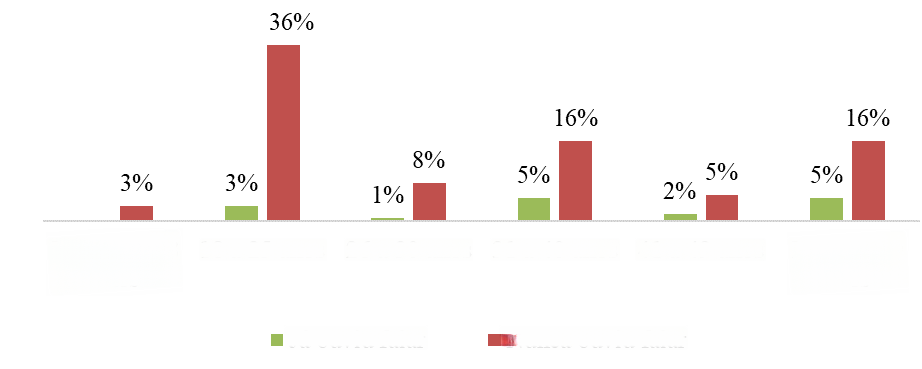
Figure 4. Have you heard of the concept of ultra-convenience by age or not
Source: Original research results.
Despite this, according to the respondents, the words that best describe the term ultra-convenience are: ease (23%) and practicality (8%), other words cited corresponded to 55% of mentions, as shown in Figure 5 below.
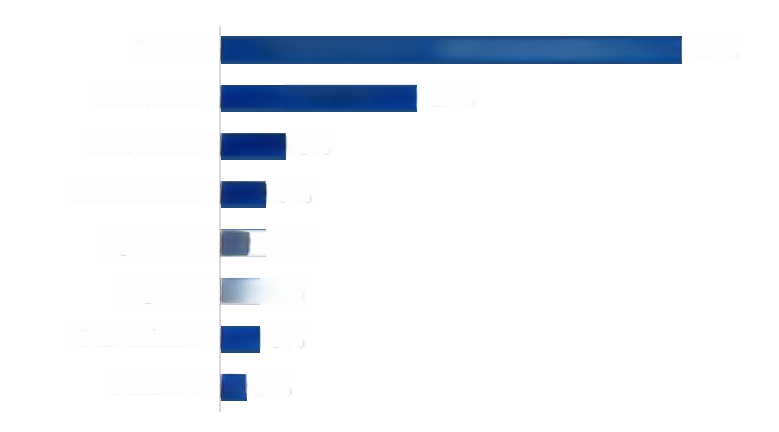
Figure 5. Describe ultraconvenience in one word
Source: Original research results.
Among the respondents, 67% considered super-fast delivery to be when they receive the product on the same day of purchase and 14% consider it when delivery is made within 30 minutes, which defines the concept of ultra-convenience. In contrast, there is still a large portion of people (17%) who believe that super-fast delivery is when the product is delivered within a week, as shown in Figure 6.
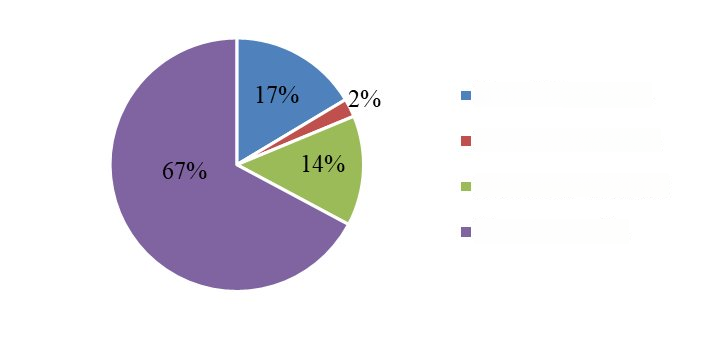
Figure 6. What do you consider a super-fast delivery
Source: Original survey results.
Of the 17% who defined delivery as super-fast, with the product arriving within a week of ordering, 38% were between 18 and 25 years old and were female, as shown in Figure 7.
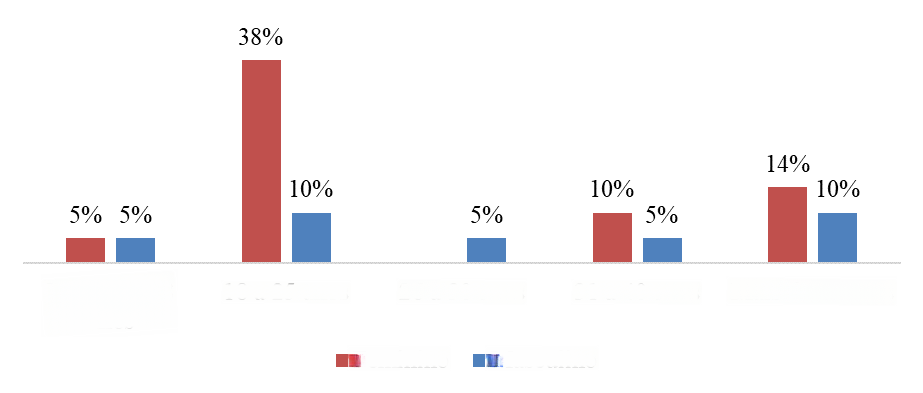
Figure 7. They consider delivery within 7 days super-fast, according to age and gender
Source: Original research results.
When asked whether or not they would be willing to pay for faster delivery, within 30 minutes, 80% of participants said yes. Of these, 39% were between 18 and 25 years old, and 21% were between 31 and 40 years old. Regarding the monthly income of those willing to pay this extra cost, 26% earned a salary above BRL 10,000.00, and another 26% earned a salary of up to BRL 5,000.00, as can be seen in Figure 8.

Figure 8. Income range and willingness to pay more for faster delivery
Source: Original survey results.
However, 49% of respondents stated that they would only be willing to pay up to BRL 10.00 for this faster delivery service. Another 37% of respondents would be willing to pay between BRL 20.00 and BRL 30.00, and 14%, above BRL 30.00, as shown in Figure 9.
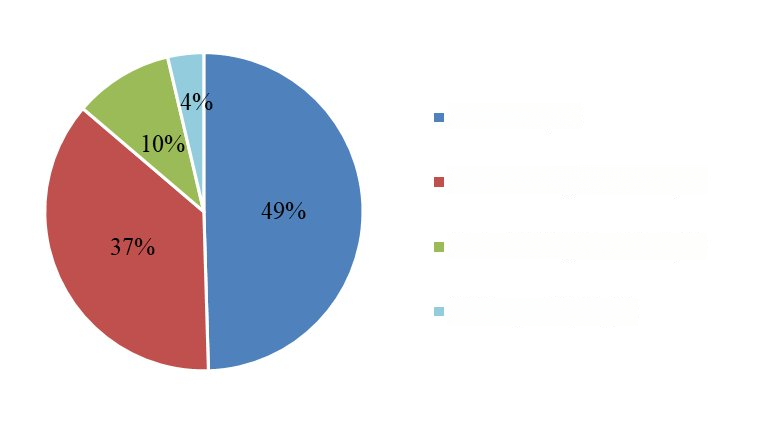
Figure 9. How much would you be willing to pay for a faster delivery
Source: Original survey results.
As previously stated, “ultra fast delivery” aims primarily to deliver convenience products within 30 minutes of purchase. Although most people are unaware of the term itself, they show willingness to pay for this faster delivery. Furthermore, according to a study by Capterra (2022)[13], delivery service is one of the factors that most influence customer satisfaction after purchase.
Some products/categories can achieve greater acceptance through this type of delivery. Still according to the study conducted by Capterra (2022)[13], delivery time is fully aligned with the type of merchandise and its purpose, as shown in Figure 10.

Figure 10. Categories for which you would be willing to pay for faster delivery
Source: Original survey results.
Finally, among the evaluated categories, supermarket/food items (30%) and pharmacy items (29%) were the most chosen by respondents as those they would be willing to pay an extra cost to receive their purchases more quickly. On the other hand, the categories in which consumers would be willing to pay more, i.e., more than R$ 50.00, were electronics (25%) and computer accessories (25%), as can be seen in Figure 11.
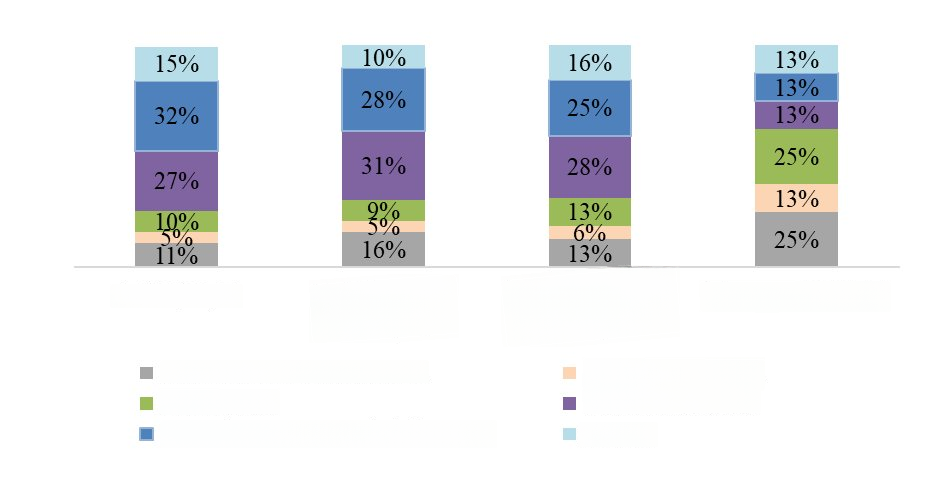
Figure 11. Categories and how much more you would be willing to pay for each
Source: Original survey results.
With the COVID-19 pandemic and social distancing, the growth in e-commerce usage has directly influenced consumer purchasing habits. In this context, people have started seeking faster and more practical solutions in all areas, especially in the digital realm. As seen previously, shipping cost and delivery speed are the two factors that consumers most considered at the moment of purchase decision. Furthermore, studies indicate that delivery service directly influences customer satisfaction after purchase, and for this reason, large companies are already adopting measures to reduce delivery time.
It is in this context that the term ultra-convenience emerges. Thus, after evaluating the compiled studies and analyzing the results obtained in the research, it became clear that ultra-convenience has already gained space in the daily lives of a large portion of consumers in Brazil. Although it is not yet a widely known term, the majority of the research respondents stated that they have already received a purchase within an interval of up to 30 minutes. Furthermore, according to the respondents themselves, the words that best describe the term ultra-convenience are: ease and practicality. People who claimed to have minimal knowledge of the term were between 31 and over 50 years old.
Furthermore, according to the research results, the fact that consumers are willing to pay an extra cost to receive their purchases at home as quickly as possible is just further evidence of the potential of this new trend. It also became evident that some categories are more accepted than others when there is the option of super-fast delivery by paying an extra cost, such as supermarket/food items and pharmacy items.
It was finally concluded, based on the studies evaluated and the results of this research conducted by the author, that the concept of ultra-convenience tends to grow over the coming years, given that the purchasing habits acquired by consumers during the COVID-19 pandemic have been maintained, without considering the fact that they are willing to pay an extra cost for this super-fast delivery.
References
[1] Odone, M. P.; Azevedo, C. O.; Coelho, M. A. P. 2014 Estudo sobre a evolução do comércio eletrônico, suas formas de pagamentos digitais e suas preocupações quanto à segurança e a privacidade. Anais do Encontro Virtual de Documentação em Software Livre e Congresso Internacional de Linguagem e Tecnologia Online, [S.l.], v. 3, n. 1, jun. Disponível em: <http://www.periodicos.letras.ufmg.br>. Acesso em: 25 jan. 2023
[2] Diniz, E. H. 1999. Comércio Eletrônico: Fazendo Negócios por meio da Internet. RAC, v. 3, n. 1, Jan./Abr. p. 71-86. Disponível em: <https://www.scielo.br>. Acesso em: 02 out. 2022
[3] Estadão. 2019. Brasil é o país mais ansioso do mundo segundo a OMS. Disponível em: <https://exame.com/ciencia/brasil-e-o-pais-mais-ansioso-do-mundo-segundo-a-oms/>. Acesso em: 10 out. 2023.
[4] Estado de Minas. 2022. Brasil o país mais ansioso do mundo. Disponível em: <https://www.em.com.br/app/noticia/saude-e-bem viver/2022/07/03/interna_bem_viver,1376936/brasil-o-pais-mais-ansioso-do-mundo.shtml>. Acesso em: 10 out. 2023.
[5] Jornal da USP. 2020. Ansiedade no isolamento social faz aumentar vendas pela internet. Disponível em: <https://jornal.usp.br/atualidades/ansiedade-no-isolamento-social-faz-aumentar-vendas-pela-internet/>. Acesso em: 02 out. 2022.
[6] Panda, R.; Swar, B. N. 2013. Online shopping: an exploratory study to identify the determinants of shopper buying behaviour. International Journal of Business Insights & Transformation. Oct.2013/Mar.2014, Vol. 7, p. 52-59. Disponível em: < https://www.ijbit.org/>. Acesso em: 10 out. 2023.
[7] Comitê de Métricas da Câmara Brasileira da Economia Digital. 2020. Disponível em: https://camara-e.net/>. Acesso em: 02 out. 2022.
[8] Kotler, P. Administração de Marketing. 10. ed. São Paulo: Prentice Hall, 2000.
[9] Opinion Box. 2021. Panorama da Experiência do Consumidor 2021. Disponível em: <https://d335luupugsy2.cloudfront.net/cms%2Ffiles%2F7540%2F1631131484OPB_ebook_panorama_experiencia_consumidor.pdf>. Acesso em: 10 out. 2023.
[10] Gil, A. C. 2008. Métodos e técnicas de pesquisa social. 6. ed. São Paulo: Atlas, 2008.
[11] Gil, A. C. 2002. Como elaborar projetos de pesquisa. 4. ed. São Paulo: Atlas, 2002.
[12] Zikmund, W. G. Business research methods. 5. ed. Fort Worth, TX: Dryden, 2000
[13] Capterra. 2022. Quick Commerce: 95% dos consumidores gostariam de reduzir os prazos de entrega. Disponível em: <https://www.capterra.com.br/blog/2365/quick-commerce>. Acesso em: 10 out. 2023.
[14] Nielsen Consumer LLC. 2022. Webshoppers 45 ed. Disponível em: <https://bakertillybr.com.br/wp-content/uploads/2022/08/Webshoppers_45.-Pesquisa-Nielsen.pdf>. Acesso em: 25 jan. 2023.
How to cite
Fasolari L. P. L.; Diniz M. C. G. S. P. Pandemic, anxiety and the emergence of the concept of ultra-convenience in Brazil E&S Journal. 2023; 4: e20230118.
About the authors
Letícia de Paula Leite Fasolari  , Avenida das Nações Unidas, 12901 – Cidade Monções; 04578-000 São Paulo, SP, Brazil.
Maria Cecília Guilherme Siffert Pereira Diniz , Avenida Conselheiro Rodrigues Alves, 315 – Vila Mariana; 04014-011 São Paulo, SP, Brazil.
Download link: PDF