
Digital Consumer
Marketing
Marketplaces
October 19, 2023
Growth of “marketplaces” and post-pandemic maintenance from the consumer’s perspective
DOI: 10.22167/2675-6528-20230029
E&S 2023,4: e20230029
Ingrid Tedeschi Teixeira de Campos; Ingrid de Matos Martins
In December 2019, Chinese authorities reported to the World Health Organization (WHO) the first cases of a new strain of virus that caused acute pneumonia. In January 2020, the first death caused by the new strain was recorded, at the same time that it spread to other Asian countries. The following month, February 2020, cases of the disease were registered in different regions of the world, until, on March 11 of that year, the WHO officially declared the covid-19 pandemic in the world[1].
As a consequence, physical stores in various sectors had to be closed, and attention turned to online sales, a method of buying and selling that occurs through electronic means, as classified by Premebida[2]. Thus, both “e-commerce” and “marketplace” became the main sales channels for various retailers. The consequence of these factors was an increase in sales in the digital sector, especially for “marketplaces”, whose total sales increased by 68% between 2019 and 2020[3]. In 2021, Brazilian “e-commerce” generated R$ 161 billion, showing an increase of 27% compared to the previous year[4]. Added to these numbers, a survey by Neotrust[5] indicated a trend of expansion for the sector in 2022.
According to Paniago[6], “marketplaces” function as virtual shopping malls, where various companies operate in a single location, connecting buyers and sellers[7]. There are different types of “marketplaces”[8]: for products, services by budget/negotiation, services by transaction, services by rental, and for appointments.
A product “marketplace” brings together stores or people who sell both physical and digital products. There are two subtypes in this format: the product-per-transaction and the product-per-listing. On the other hand, a service “marketplace” accommodates professionals and companies that provide services[8].
Within the category of service by budget/negotiation, the classification of “marketplaces” can have three more subtypes, according to the billing method[8]: a monthly fee to advertise services; the sale of contact lists for the “marketplace” seller to prospect; or advertising charges for prominence within the platform. Transactional services, on the other hand, are so named when a commission is charged for each sale made within the platform. Rental services, in turn, connect owners with consumers interested in renting an asset, such as cars, real estate, among others[8].
The “marketplaces” can also be divided into the following modalities[8]:
- scheduling: allows the consumer to schedule a service directly through the platform;
- hyperlocal: platforms that focus on local consumers, where sellers and consumers have more freedom to negotiate with each other;
- niche: focused on a specific market group, as in the cases of Dafiti and MadeiraMadeira.
The experience within platforms is not limited to the purchase itself, but extends to the interaction between consumer and seller, considering the pre-purchase (researching and comparing different products/prices on different sites); during the purchase (adding products to the cart, filling out registration and payment details); and post-purchase (tracking the order, delivering the product, contacting the seller for a possible exchange)[9]. The success of customer service in “e-commerce”, according to Lima and Vieira[10], is closely linked to the pre- and post-sale moments.
This study aims to understand the consumer’s perspective on the shopping experience in this new business landscape, more horizontal, inclusive and social[11], constituted during the covid-19 pandemic and, in addition, to understand the growth of “marketplaces” during this period, evaluating what the post-pandemic scenario will be like.
First, a literature search was conducted in sources as diverse as articles, internet portals, and books. Based on the questions raised through the analysis of the literature search, a quantitative research was applied, which aimed to effectively translate the collected data[12]. The research was based on a descriptive data analysis, not proposing statistical tests, given that induction would require a probabilistic sample selection, which did not happen.
The questionnaire, with 21 questions, included structured questions about consumers’ perspective on the shopping experience in the “marketplace” and was made available on the Google Forms platform. For the sample calculation, the Brazilian population was taken into account, without the requirement of identification, in order to maintain the participants’ confidentiality and avoid intimidating them.
The questionnaire link was disseminated in the first semester of 2022, through the WhatsApp application and social media, so that people could respond anonymously and voluntarily. Thus, a sample of 82 people, adults and residents of different states in Brazil, was obtained. To ensure the reliability of the research, the sample calculation was performed online, using a tool provided by the SurveyMonkey research website, which uses Barnett’s formula as a basis.
The objective of the questionnaire was to identify the consumer’s perspective on the shopping experience in “marketplaces” during the covid-19 pandemic, to assess the maintenance of interest in this type of platform in the post-pandemic period, and to identify what future outlook is projected for this business model.
To meet the objective, questions were first asked to determine the general consumer profile, including age group, gender, income, and region of residence. Subsequently, the questions sought to understand if the respondents purchased online and, if so, through which “device” and in which categories. Then, it was asked how the pandemic influenced online shopping behavior.
Finally, the questions focused on the object of study: “marketplaces”. It was asked if the respondents had already made any purchases on this type of platform and, if so, on which “marketplaces”; what factors led them to buy; the probabilities of recommending the activity to friends; and, finally, how the purchasing experiences were in terms of navigation, ease of finding products, and post-purchase service.
The survey obtained the following general profile of respondents: 36.6% were between 26 and 30 years old; 18.3% were in the 31 to 40 age group; and 67.1% identified as female. Regarding income data, 42.7% earned between three and ten minimum wages, and 84.1% resided in the Southeast region of Brazil.
Analyzing the responses about purchases, 98.8% used to buy from companies that maintained both physical and virtual stores. Of the total respondents, 97.6% had already made purchases online, with the main “device” used being the mobile phone, with 88.8% (71 respondents), followed by the desktop, with 65% (52 respondents), as can be observed in Figure 1. According to the Webshoppers[13] survey, from 2020 to 2021 there was a 24% increase in “e-commerce” orders placed via “mobile” compared to desktop, a result that aligns with the questionnaire responses.
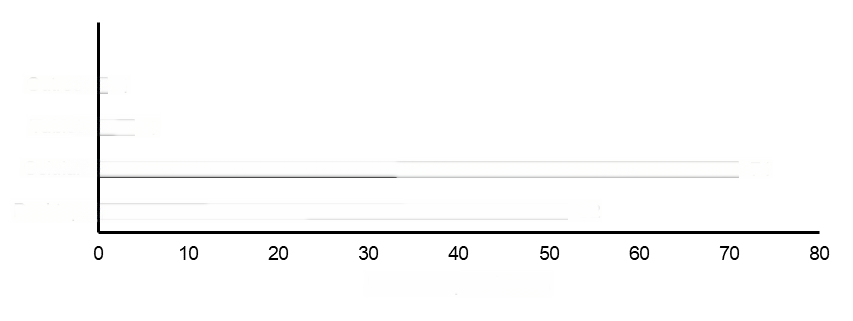
Figure 1. Distribution of respondents by “device” used to make an online purchase
Source: Original research results.
When examining the survey results regarding purchases during the pandemic period, it was possible to note that 5% of respondents made their first online purchase during this period, while 87.5% already bought this way and only started making their purchases in new categories. According to Figure 2, the three most sought-after were:
- food and beverages (80%): this trend is seen in the Webshoppers[14] report, comparing the first half of 2021 to the same period in 2022. The report showed that the category had a positive variation of 128% in the period (in Machado’s[15] survey on purchasing products online during the pandemic, the food and beverages segment represented 56.6%, reinforcing the results obtained);
- clothing and footwear (80%): still comparing with the Webshoppers report[14], in the first semester of 2021 versus the same period of 2022, the variation was 7%[14];
- medications (71.4%): the category had a variation of 15% comparing the same period[14].
Furthermore, after the relaxation of restrictive circulation rules, 44.7% stated that their online consumption remained the same, while 43.4% declared that their frequency of purchasing online increased.
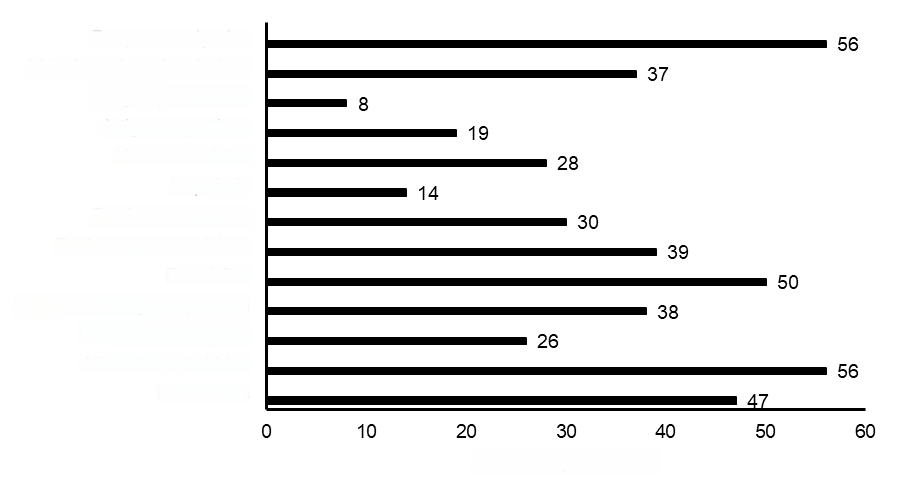
Figure 2. Distribution of respondents by new categories of products consumed online during the pandemic
Source: Original research results.
The data from Figure 3, below, show that 95% of the participants in the surveyed sample had already made purchases in “marketplaces”, with Mercado Livre, Magazine Luiza, and Americanas being the three most used. Mercado Livre’s position, in first place, is corroborated by the article by Gonçalves[16], which pointed to the “marketplace” in question as the largest “e-commerce” site in Latin America, according to a study by Uswitch.
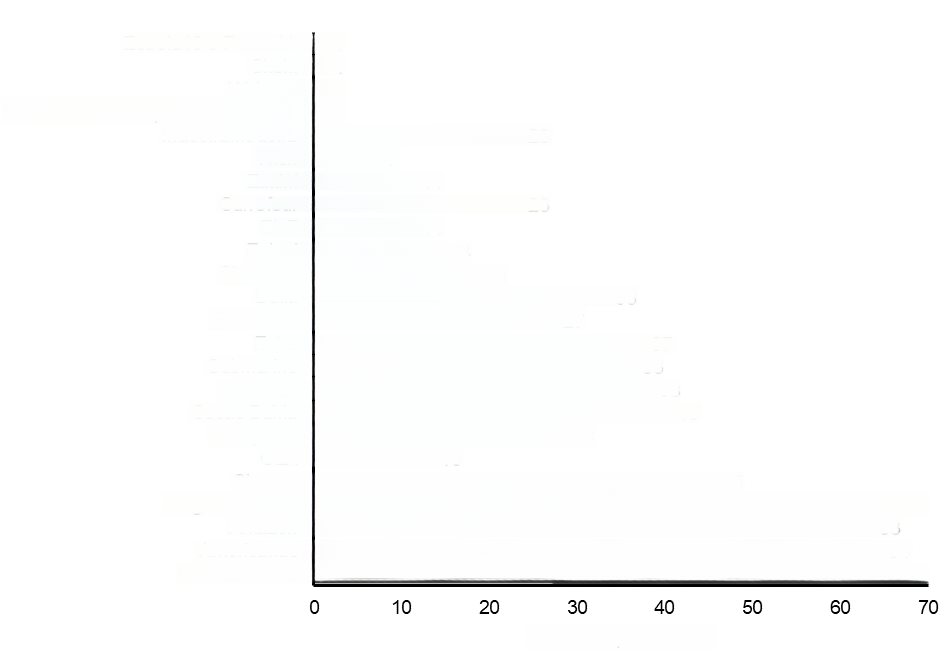
Figure 3. Distribution of respondents by “marketplace” where they made purchases
Source: Original research results.
When asked about the factors that led them to buy on “marketplaces”, 81.6% responded that free shipping (62 respondents) was the main attraction, followed by promotions 76.3% (58 respondents) and ease of finding the desired products 75% (57 respondents), as shown in Figure 4. In Soares’ study[17], having competitive shipping was pointed out as one of the secrets to remaining relevant in the post-pandemic scenario. On the other hand, while Soares[17] emphasized that meeting deadlines and taking care of shipping was also important, this concern ranked only sixth in the responses of the sample in the present study, tied with two other factors (website experience and lower price than in the store).
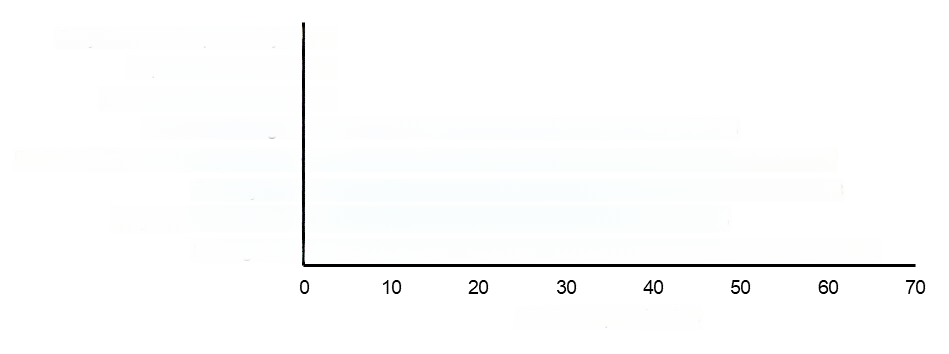
Figure 4. Distribution of respondents by factors that lead to purchase in a “marketplace”
Source: Original research results.
More than half of the respondents stated that they would recommend the experience of buying in a “marketplace” to a friend; 43.4% of them said they believed that, overall, it was an easy-to-navigate environment, where they easily found the product they were looking for (47.4%) and where they had ease in tracking the shipment and delivery of what they bought (50%).
It can be concluded that online purchases were already a reality before the pandemic, since only 5% of the study sample participants made their first online purchase during the pandemic. The biggest change that occurred due to the mobility restriction imposed during the period was related to the categories that became part of purchasing habits: 87.5% introduced new categories to their consumption habits, with a greater emphasis on food and beverages, clothing and footwear, and medicines.
The majority of respondents (95%) had already made a purchase through a “marketplace”, and more than half of them would recommend this experience to a friend, facts that allow us to conclude that “marketplaces” have undergone a process of appreciation after the pandemic. In the post-pandemic period, shipping became a decisive factor at the time of purchase, followed by the navigation process and post-purchase follow-up. A similar result can be found in the research “Customer insights: Marketplace”[18], which pointed to cost and delivery time as areas that needed improvement, in addition to indicating customer support (SAC) as a weak point of the businesses[18]. It is therefore demonstrated that “marketplaces” need to focus on the development of their logistics and, consequently, their post-sales contact channels with the consumer, without forgetting to maintain what has already been achieved in previous navigation.
References
[1] Summit Saúde. 2020: o ano em que a pandemia da COVID-19 parou o mundo. 2020. Disponível em: https://summitsaude.estadao.com.br/desafios-no-brasil/2020-o-ano-em-que-a-pandemia-da-COVID-19-parou-o-mundo/. Acesso em: 25 mar. 2022.
[2] Premebida E.A. E-commerce em 2020, um cenário de oportunidades em meio a pandemia. Research, Society and Development. 2021; 10 (2): e59210212984. doi: 10.33448/rsd-v10i2.12984.
[3] Kuviatkoski C. Mercado de Marketplace: Entenda o Crescimento dos Marketplaces. 2022. Disponível em: https://www.ideianoar.com.br/mercado-de-marketplace. Acesso em: 19 mar. 2022.
[4] Buss G. E-commerce cresceu 27% em 2021 e faturou R$ 161 bi, diz levantamento. 2022. Disponível em: https://www.poder360.com.br/economia/e-commerce-cresceu-27-em-2021-e-faturou-r-161-bi-diz-levantamento/. Acesso em: 31 mar. 2022.
[5] Neotrust. 2021 – Fechamento, 2022 – Projeções e Tendências. 2022. Disponível em: https://static.poder360.com.br/2022/02/E-commerce-2021-Projec%CC%A7a%CC%83o-2022.pdf. Acesso em: 31 mar. 2022.
[6] Paniago F. Estratégias para se destacar no marketplace. 2022. Disponível em: https://www.ecommercebrasil.com.br/artigos/estrategias-para-se-destacar-no-marketplace. Acesso em: 07 out. 2022.
[7] Kuviatkoski C. Marketplace: O que é, exemplos e como criar um marketplace. 2022. Disponível em: https://www.ideianoar.com.br/marketplace. Acesso em: 26 jul. 2022.
[8] Kuviatkoski C. Tipos de Marketplace: qual o melhor modelo para seu negócio? 2022. Disponível em: https://www.ideianoar.com.br/tipos-de-marketplace/. Acesso em: 31 mar. 2022.
[9] Alves C. Experiência de compra: o segredo para encantar. Disponível em: https://www.clientesa.com.br/artigos/68911/experiencia-de-compra-o-segredo-para-encantar!/ler.aspx. Acesso em: 03 out. 2023.
[10] Lima I.F.; Vieira M.A.F. E-commerce: a importância de uma boa experiência online [Trabalho de Conclusão de Curso]. Catalão (GO): Centro Superior Una de Catalão; 2021.
[11] Kotler P.; Kartajaya H.; Setiawan I. Marketing 4.0. Rio de Janeiro (RJ): Sextante; 2017. E-book.
[12] Equipe QualiBest. Entenda o que é pesquisa qualitativa e quantitativa. 2020. Disponível em: https://www.institutoqualibest.com/blog/dicas/entenda-o-que-e-pesquisa-qualitativa-e-quantitativa/. Acesso em: 03 abr. 2022.
[13] NielsenIQ Ebit. Webshoppers 45. Chicago (IL): Nielsen; 2022. Disponível em: https://nielseniq.com/global/pt/landing-page/ebit/nielseniq-ebit-brasil/webshoppers/. Acesso em: 23 mar. 2022.
[14] NielsenIQ Ebit. Webshoppers 46. Chicago (IL): Nielsen; 2022. Disponível em: https://nielseniq.com/global/pt/landing-page/ebit/nielseniq-ebit-brasil/webshoppers. Acesso em: 07 out. 2022.
[15] Machado I.T. E-commerce e o Perfil de Compra dos Acadêmicos da Faculdade Damas antes e pós-pandemia. Disponível em: https://revistas.faculdadedamas.edu.br/index.php/academiE&S_23069co/article/view/1967/1412. 2020. Acesso em: 04 fev. 2023.
[16] Gonçalves G. Pesquisa coloca Mercado Livre como maior e-commerce da América Latina. 2022. Disponível em: https://www.ecommercebrasil.com.br/noticias/mercado-livre-e-o-maior-e-commerce-da-america-latina. Acesso em: 07 out. 2022.
[17] SoluCX. Customer insights: Marketplaces. 2022. Disponível em: https://solucx.com.br/wp-content/uploads/2022/08/Report_-_Marketplaces.pdf. Acesso em: 05 fev. 2023.
How to cite
Campos I.T.T.; Martins I. M. Growth of “marketplaces” and post-pandemic maintenance from the consumer’s perspective. E&S Journal. 2023; 4: e20230029.
About the authors
Ingrid Tedeschi Teixeira de Campos , associate at Shopee Brazil. R. Fernando Falcão, Mooca – São Paulo, SP, Brazil.
Ingrid de Matos MartinsAdvisor Professor, Pecege – R. Cezira Giovanoni Moretti, 580 – Santa Rosa – CEP 13414-157 – Piracicaba/SP, Brazil.
Download link: PDF