
The journey of false friends in Spanish translation

Column

Innovation

Technology

September 12, 2024

The journey of false friends in Spanish translation

Similar terms in two languages, but with different meanings, can cause problems; collaboration between translators helps mitigate risks
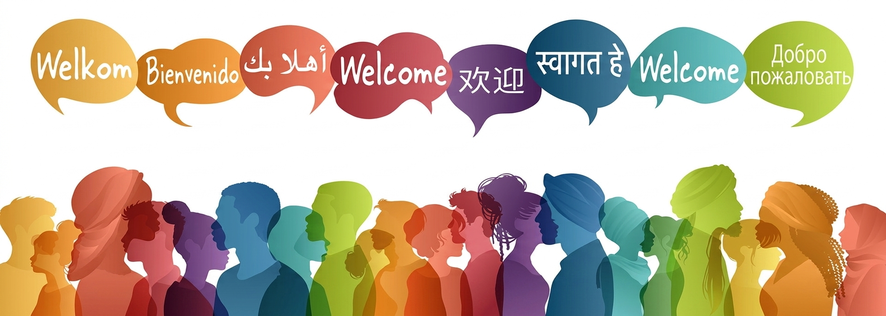
Would you know what the expression “false friends” means in Spanish? At first glance, it seems to mean the same as in Portuguese. However, in Spanish, “false friends” are not those who appear to be friends but actually are not. This would be a literal translation without real knowledge of the context, which is certainly a mistake.

In the vast and complex world of translation, “heterosemantics”, better known as “false cognates” in Portuguese, have proven to be both a challenge and a fascinating object of study. These terms that have orthographic or phonetic similarity in two languages, but different meanings, can cause potentially embarrassing moments.

They are linguistic illusions that play with the mind of those who wish to develop in more than one language, since, when learning a new language, it is common for people to come across terms or words that seem familiar, but which, in reality, hide totally different meanings. For example, the Spanish phrase “esto está exquisito!”, for people who know little of the language, might seem to refer to something abnormal or even unpleasant. But, quite the contrary, it refers to something of extraordinary quality!

The origin

The historical evolution of Romance languages, such as Portuguese and Spanish, from Vulgar Latin gave rise to false cognates. The influences of other languages, such as Germanic and Arabic, and the divergence in word evolution also contributed.

This linguistic proximity leaves room not only for false cognates, but also for the well-known “Portunhol”. However, even if someone feels they have a good level of understanding of “Portunhol”, they are not immune to the danger of falling into one of the sad mistakes of false cognates.

And that is precisely the big problem that overconfidence can bring in translations, the assumption that similar words or expressions in different languages have the same meaning, which is not always true. This can lead to misunderstandings, distortions and ineffective communication.

In sectors such as the medical or legal fields, where precision is fundamental, errors caused by false cognates can have severe consequences. For example, in a medical translation, confusing words like “constipado” (constipated) or “embarazada” (pregnant) could lead to a misdiagnosis.

Besides significance errors, false cognates can also affect the tone and formality of a text. A poorly translated term can make a formal document seem colloquial or even inappropriate, thus affecting the reader’s perception of the professionalism of the author or the organization presenting the document.

Lost in translation

An illustrative example of how false cognates can impact translation work is the case of the film “Lost in Translation”, which in Brazil received the title “Encontros e Desencontros”. This change significantly altered the perception of the film, since “Perdidos na tradução” refers to the difficulty of communication and the loss of meaning in the translation process.

The choice of words in the title shifted the focus to a theme of personal encounters and missed connections, causing a departure from the original intention of the film, which was to address cultural and linguistic confusion. This adjustment not only may confuse the viewer about the true content and tone of the film, but also highlights the importance of maintaining fidelity to the original meaning.

Films like “The Sound of Music” (“The Sound of Music”), “Eternal Sunshine of the Spotless Mind” (“Forget About Me”), “Clueless” (“Clueless”) and “Fast & Furious” (“The Fast and the Furious”) also had their titles altered without considering the true meaning of the originals. These cases are quite popular and even the target of jokes among the public.

Of course, it is not always possible to maintain a literal translation that preserves the original meaning and intention of a title. Often, these adaptations are made so that titles are more attractive or understandable to the target audience, which can mean a loss of detail. The point is to balance fidelity to the original material with the necessary adaptation.

To address the challenges posed by false cognates, professional translators have developed a series of strategies. One of the most effective is continuous training and specialization in specific areas of translation. A translator specialized in a given area, such as medicine or law, will likely be more familiar with the technical terms and false cognates that may exist in the field.

The text revision is also a fundamental step in the translation process, as it allows for the identification and correction of errors, including those arising from false cognates. After the initial translation is completed, it is crucial to perform a rigorous analysis of the text to identify inaccuracies.

Likewise, it is convenient to create specific glossaries and lists of frequent cognates and false cognates in the languages, as these tools offer an accessible reference for translators to check doubtful words. Together with a good contextual analysis, the meaning of words can be deduced and, thus, the chances of confusion can be reduced and possible errors avoided.

The use of technological tools, similarly, has been crucial in mitigating errors related to false friends. Computer-Assisted Translation (CAT Tools) programs and terminological databases allow translators to verify the meaning and correct usage of potentially misleading terms. These tools offer suggestions based on previous translations and specialized glossaries, which can help ensure that the translator chooses the appropriate word for each context.

However, with the advancement of technologies, the problem of incorrect use of false friends tends to become more frequent, since, although artificial intelligences show high performance, they still need continuous human monitoring to achieve the best results. If it is already challenging for humans to understand the complexities of languages, for a machine, this task would be no less arduous.

In the last decade, the translation industry has witnessed a significant increase in the use of Artificial Intelligence (AI), in order to improve the accuracy and efficiency in text translation. However, AI also presents challenges related to false cognates, since, even though AI algorithms can process large volumes of data and learn linguistic criteria, they still seem to have difficulties with the nuances and exceptions that characterize false friends.

To mitigate these challenges, technology companies, such as Skylar, have been developing more sophisticated AI models that take context into account and can learn from previous errors. These advancements improve AI’s ability to overcome various linguistic barriers, including false cognates, without ever dispensing with the supervision of human translators, who can offer the sensitivity and common sense that machines cannot yet replicate.

For this reason, the final review by human beings is crucial, ensuring not only the coherence of the text for the reader but also the faithful transmission of the content as intended in the original language. It is essential that the translator maintain a critical eye. Machines can help identify false cognates, but they cannot always assimilate cultural or contextual nuances that could affect the translation.

One of the most effective strategies is to have a team of highly skilled and experienced translators who possess a deep understanding of the linguistic and cultural particularities of both languages. The continuous collaboration between native speakers of the source and target languages is also beneficial, allowing for cross-review and the exchange of essential knowledge for the accurate identification and correction of false cognates.

Collaborative translation platforms, such as WordReference Forums or ProZ, have also been developed over the years, allowing translators to share their knowledge and experiences with false cognates. These platforms function as social networks, where translation professionals can discuss controversial terms or even resources to avoid common errors. This type of collaboration not only improves the quality of individual translations but also contributes to the development of collective knowledge that benefits the translation community as a whole.

Creativity

On the other hand, it is essential to maintain space for flexibility and creativity in the translation process, especially when facing the challenges that false cognates impose. Certain circumstances may necessitate the adoption of innovative solutions, such as adapting or interpreting the phrase or choosing an alternative word that conveys the desired meaning as accurately as possible, given that a literal translation of words does not always mean what is intended to be conveyed.

False cognates are certainly among the most intriguing and potentially problematic challenges in translation. Their ability to deceive even experienced translators serves as a warning about the need for a careful approach in the translation process. But they are far from being the only ones!

Other situations in the translation between Portuguese and Spanish, such as grammatical differences, cultural variations, and linguistic expressions specific to each language, also present a high level of complexity and demand a specialized point of view to ensure that the translation is accurate and compatible with the context.

Through continuing education, research, the use of advanced tools, and collaboration among professionals, it is possible to mitigate these risks. Therefore, even though false cognates and their study are a crucial factor in the translation of both languages, they should be seen as just one of the many challenges of translation.

Instead of focusing exclusively on them, it is necessary to adopt a broader perspective that contemplates all linguistic aspects involved in translation, and to focus on continuous updating to face the diverse linguistic barriers of the global market.

This content was produced by:

Carolina Sepúlveda

LinkedIn

Graduated in managerial process management from Paulista University. She has five years of experience in translation and is currently a project manager and quality analyst at Skylar.

Who wrote this column

Skylar

"Startup" de tecnologia e legendagem que faz parte das iniciativas do Pecege, utiliza inteligência artificial e técnicas linguísticas para fazer legendagem em tempo real. Atuante nas áreas de educação, eventos, agronegócio, tecnologia, saúde, entretenimento e esportes, entre outras. Acesse o site!

You may also like

October 02, 2026

Determinants of supermarket location in São Paulo

A study investigated the determining factors for supermarket location in the state of São Paulo, with the objective of investigating the factors that explain the presence and expansion of these establishments, considering socioeconomic, demographic, and market dimensions. Data from the 2010 and 2022 Demographic Censuses of IBGE and information from the National Registry of Legal Entities of the Federal Revenue of Brazil were used to build a georeferenced database. A Random Forest classification model was applied, adjusted by grid search with cross-validation, prioritizing the recall-macro metric due to the imbalance of the dependent variable, which represented the presence or absence of supermarkets within a 50-meter buffer. The results indicated that supermarket location is strongly associated with demographic, income, and population characteristics in the surrounding area. The analysis of variable importance showed that sociodemographic factors, such as elderly literacy, household income, and the presence of other food establishments, exerted significant influence, especially in the immediate vicinity. The findings reinforced the hypothesis that the spatial distribution of supermarkets is not random, being conditioned by socioeconomic characteristics and the commercial structure of the territory, offering subsidies for business decisions and urban planning.

Keywords: Spatial Analysis; Machine learning; Expansion; Commercial location; Supermarkets.

Neuroscience And Learning In Education

October 02, 2026

Anti-Racist Education: Inclusive Educational Practices and Social Development

Antiracist education, understood as a structuring axis of inclusive education and social development, was investigated in the Brazilian context. The study aimed to identify and analyze, based on legal documents and teachers’ perceptions, educational practices capable of promoting antiracism in school and society, and how the implementation of Laws nº 10.639/03 and nº 11.645/08 contributed to social justice. A qualitative and documentary approach was adopted, with analysis of educational legislation, curricular guidelines, institutional reports, and academic literature. Complementarily, a semi-structured questionnaire was applied to 295 Basic Education teachers. The data were evaluated quantitatively and qualitatively, through thematic content analysis, and validated with bibliographic studies. The results revealed a paradox: despite a robust legal framework, the implementation of antiracist policies proved fragile and sporadic, with a lack of teacher training, adequate teaching materials, and monitoring. Significant educational inequalities between white and black students were found to persist, and most teachers acknowledged the occurrence of racism in schools, but without clear institutional protocols. Neuroscientific analysis showed that racism negatively impacts students’ cognitive and emotional development. It was concluded that antiracist education is central to quality education, requiring political commitment, public investment, and intersectoral articulation. The integration of Neuroscience in teacher training and the production of qualified materials are crucial to strengthen the school’s role in building a more just and inclusive society.

Keywords: Social Development; Antiracist Education; Social Justice; Law 10.639/03; Inclusive Educational Practices.

Neuroscience And Learning In Education

October 02, 2026

Paths of Inclusion: Perceptions of Parents and Teachers on the Schooling of Students with Dual Exceptionality in the Brazilian Context

Dual Exceptionality, characterized by the coexistence of High Abilities/Giftedness and neurodevelopmental disorders, represents a complex phenomenon that challenges traditional identification and schooling models. The study aimed to understand the perceptions of parents or guardians, teachers, and other education professionals regarding the schooling of students with Dual Exceptionality in the Brazilian context, investigating challenges, pedagogical strategies, and possibilities for inclusion based on equity. The research adopted a qualitative, exploratory, and descriptive approach, and collected data through an online, voluntary, and anonymous questionnaire answered by 25 participants. Discursive data were analyzed using thematic content analysis. The results indicated that knowledge about the topic is often built from personal and professional experiences, revealing gaps in systematic training. Difficulties were identified in identifying these students, in teacher training, and in implementing individualized educational plans, pedagogical flexibility, and curriculum enrichment. Socio-emotional repercussions, such as frustration and low self-esteem, were reported. However, some schools demonstrated inclusive practices based on equity, articulating specific needs and potentialities. Although the results do not allow for generalizations, they highlighted the need to strengthen professional training and the articulation between school, family, and specialized services. It was concluded that the inclusion of students with Dual Exceptionality requires practices that simultaneously recognize their difficulties and potentialities, ensuring equitable conditions for participation, learning, and development.

Keywords: Human development; Teacher training; School inclusion; Neurodivergence; Pedagogical practices.

October 02, 2026

Data Transformation into Strategy: Applied Research for Ecotourism Operation Optimization

The growing demand in ecotourism in Minas Gerais has driven the search for business intelligence to transform customer data into strategic information. The study aimed to structure a data science pipeline to collect, segment, and classify the customer base of an ecotourism operation, in order to optimize marketing actions and anticipate market movements. An exploratory, quali-quantitative research was conducted through a case study. 2,777 transactional records from an ecotourism company, referring to January 2024 to December 2025, were used. The methodological process involved automated data collection (Google Sheets API), processing and enrichment (ETL), validation, and creation of RFM (Recency, Frequency, and Monetary Value) attributes. Dimensionality reduction via PCA and K-Means clustering was applied, with the number of clusters defined by the Elbow method and Silhouette Score. The results were validated with DBSCAN and K-Medoids. The results revealed the identification of three behavioral customer segments: “Loyal”, “Low Value”, and “Potential”. The “Loyal” segment represented the highest accumulated economic value, while the “Potential” segment stood out for its high average ticket and potential for conversion into recurrence. The integration of data analysis techniques proved to be a robust and replicable method for generating intelligence in ecotourism. It was concluded that the structured data science pipeline enabled the behavioral segmentation of the customer base, the statistical validation of the groups, and the creation of a predictive system for new buyers, providing subsidies for data-driven strategic decisions and future analyses.

Keywords: Clustering; Business intelligence; Machine Learning; Customer segmentation; Decision making.

October 02, 2026

Classification of defaulting customers using supervised machine learning techniques

The risk of default in credit operations demanded analytical approaches to anticipate losses. This study comparatively evaluated the performance of supervised machine learning models in classifying defaulting customers in credit card operations. The public dataset “Default of Credit Card Clients” from the University of California Irvine was used, with 30,000 observations and class imbalance. The algorithms Logistic Regression, Random Forest, and Extreme Gradient Boosting were employed. The imbalance was addressed by assigning weights to the classes, and model optimization occurred with the RandomizedSearchCV method, prioritizing sensitivity. Cross-validation results indicated that the Extreme Gradient Boosting model showed a higher capacity for identifying the defaulting class and better discriminatory performance, followed by Random Forest and Logistic Regression, with a sensitivity of 0.8250 and an AUC-ROC of 0.7844 for XGBoost. Interpretability analysis, conducted by the Shapley Additive Explanations (SHAP) technique, highlighted the predominance of variables associated with payment behavior, especially the history of delays. It was concluded that tree-based models, particularly boosting techniques, proved to be more suitable for capturing complex patterns in the data, configuring themselves as consistent alternatives for credit risk management.

Keywords: Machine Learning; Credit Card; Classification; Extreme Gradient Boosting; Credit Risk.

October 02, 2026

Sentiment Analysis on Brazilian Banks on Twitter/X: Comparison between Traditional and Digital Institutions

A study analyzed public perception of Brazilian financial institutions on the Twitter/X platform, highlighting the importance of sentiment monitoring on social networks for understanding reputation and customer experience in the banking sector. The objective was to compare user perception of the image and reputation of traditional and digital banks, based on the sentiment patterns identified in the analyzed manifestations, seeking to identify structural differences between these groups. The methodology was based on the analysis of 1,096 tweets collected between November 2022 and June 2023. Two complementary sentiment analysis approaches were used, the sum and the average of labels, to capture the majority sentiment and nuances of perception. Additionally, the Market Profile Model, with indicators of emotional reputation, reputational risk, neutrality, and polarization, and the Banking Clustering Model, which allowed grouping institutions according to perception patterns, were developed. The results indicated a predominance of neutral and negative sentiments, a higher volume of interactions in digital banks, and structural differences in the emotional intensity of perceptions, with greater stability in digital banks and greater polarization in traditional ones. It was concluded that the combination of analytical and statistical techniques contributed to an in-depth understanding of institutional image in the digital environment, demonstrating the importance of data-driven reputation management strategies.

Keywords: Digital banks; Traditional banks; Data modeling; Opinion mining; Social Networks.

October 02, 2026

Optimization of annual budget planning through project management methodologies

The Annual Budget Planning (POA) is a crucial process for translating organizational strategy into operational and financial goals, but it frequently faces deadline pressures, interdepartmental dependencies, and the repetition of habitual expenses. The study aimed to analyze how the combined application of project management practices and Zero-Based Budgeting (OBZ) can optimize the POA. To this end, a case study was developed in the Brazilian operation of a publicly traded company in the beverage sector, using documentary research of its 2023 results report and an anonymous questionnaire applied to 47 respondents. Documentary analysis indicated growth in net revenue, expansion of gross profit and adjusted EBITDA, and contained advancement of selling, general, and administrative expenses, suggesting cost discipline and operational leverage. The complementary survey revealed a high perception of cascading effect on the schedule, strong support for defining cost package owners, and a preference for technical justification of expenses, in addition to demand for controlled flexibility after the baseline definition. It was concluded that structuring the POA as a project, associated with the rigor of OBZ, increased the process predictability, reinforced accountability for expenses, and broadened the coherence between budgetary execution and economic-financial performance.

Keywords: Cost Control; Operational Efficiency; Zero-Based Budgeting; PMBOK; Beverage Sector.