
January 23, 2024
Consumer behavior research with alumni from a distance higher education institution
DOI: 10.22167/2675-6528-20230047
E&S 2024, 5: e20230047 e-ISSN: 2675-6528
Thiago Novaes Corazza; Felipe Galesi Jaoude
According to the Brazilian Association of Distance Education (ABED)[1], from 2014 to 2019 there was a 7% increase in general undergraduate course enrollments in the country, with the number of new students in distance learning (EaD) in 2019 being equivalent to 50.7%. Furthermore, 17.2% of educational institutions expressed interest in expanding the offer of postgraduate lato sensu courses.
Starting from this scenario, the question that this study aims to answer in its conclusion is: what are the internal and external influences that motivate an individual to choose to start and complete a distance MBA course? In search of an answer, this work investigated the behavior of former students of a renowned Brazilian higher education institution, through a structured questionnaire survey.
The educational institution analyzed began offering in-person courses in 1998, with the MBA in Agribusiness (a postgraduate lato sensu degree). In 2011, the organization started offering the same course in distance learning mode and, at the time of this research, had 12 distance MBA courses and three in-person MBA courses. Considering only the distance learning mode, in April 2021 the institution had more than 19,000 students enrolled in ongoing courses and 15,045 already graduated.
The approach defined for this work was quantitative, normally used to gather statistical data linked to specific periods, identify psychological profiles and their motivations, and enable the understanding of the analyzed group’s behaviors without identifying the interviewees, facilitating the collection of real and sincere opinions on the subject addressed[2]. For this to happen in the best way, the answers are meticulously analyzed and interpreted to achieve a deeper social understanding, given that quantitative research aims to answer social questions without any interference from the researcher’s prejudices and beliefs.
Data collection was carried out through bibliographic research in printed and digital books; documentary research in a scientifically authentic archive – such as electronic journals (articles) and reports – and the application of an online questionnaire with 15 questions, in which respondents were not identified. The questionnaire was semi-structured, i.e., with open and closed questions, and sent to 3,654 students who graduated in December 2020 from the educational institution studied. The questionnaire received a total of 699 responses during the two-week period between July 26 and August 06, 2021.
This sample was selected because it is the most recent graduating class from the MBA courses at the institution in question, leading to the belief that this group would have the most recent memory regarding the issues raised in the research: the motivations that led participants to complete the extensive journey of a postgraduate course in Brazil.
The research was developed to capture the psychographic traits of the students; according to Solomon[3] this involves the use of psychological, sociological, and anthropological factors to determine how the market is segmented according to trends and to make a certain decision about a product. With the responses, a series of behavioral similarities were diagnosed, and with this information, it was possible to build the profile of an ideal consumer, in order to enable the educational institution to create ways to impact them more incisively.
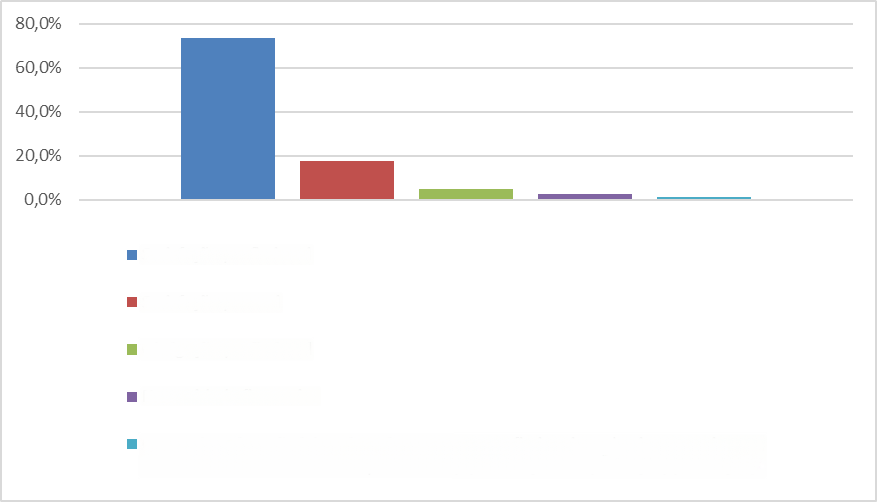
There are many variables that can influence the consumer: every purchase decision aims to alleviate a pain point, whether it is the most basic, such as a physiological need, or more complex ones, such as desires and wants[3]. The most cited motivation by the research sample was “professional satisfaction” (73.6%). The main reasons that drove the interviewees to seek an MBA course were ranked in Figure 1.
Figure 1. Motivations that led students to seek an MBA course
Source: Original research results.
Of the total respondents in the sample, 17.6% stated they were seeking “personal satisfaction”, and 5% claimed “professional obligation”, a response that was the third most cited. “Financial necessity” was mentioned by 2.6% of the interviewees and, in last position, with 1.2%, were “other reasons”, such as, for example, “re-entry into the market”, “professional improvement”, “knowledge”, “qualification and training”.
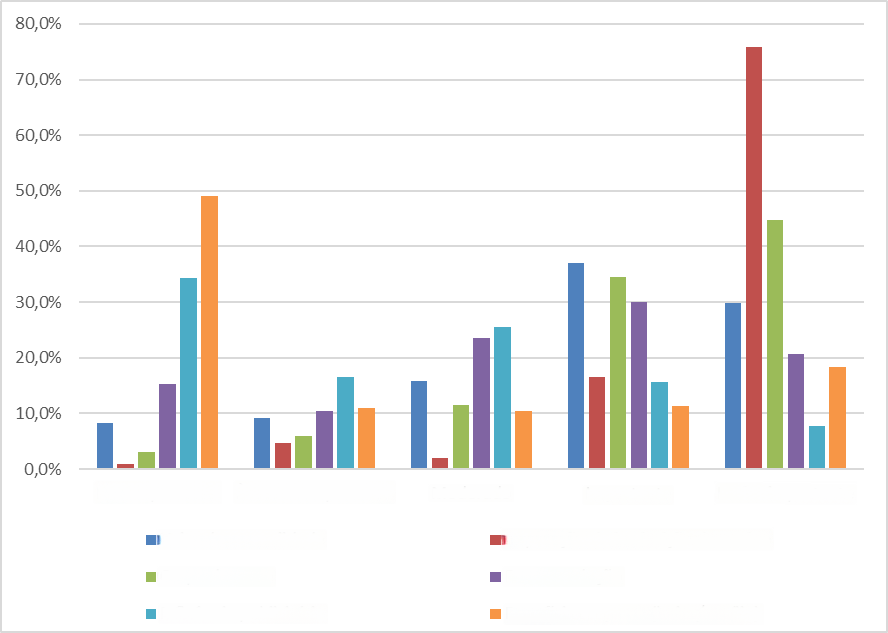
The determining reasons for choosing the educational institution studied to pursue the MBA were ranked according to the importance given by the interviewees to each item (Figure 2). The “reputation of the educational institution” was considered “very important” by 75.9% of the sample, given that it reveals the power that brands exert directly at the moment of choosing to acquire a product or service. Also cited as “very important” were the faculty (44.8%) and the tuition fee (29.8%).
Such numbers allow us to infer that the prices charged are justified in the consumer’s mind by the expectation they have regarding the quality of the institution offering the course. On the other hand, it was noted that “advertising influence” was not important for the purchase decision in the view of 34.4% of respondents. This data suggests that, due to the position the educational institution’s brand occupies in the consumer’s mind, little marketing effort is, theoretically, necessary.
By listing these motivations and determinants that drove students to enroll in an MBA program, it became possible to analyze behavior through the search for satisfaction of the interviewees, as well as the factors that influenced the choice of course, associated with individual needs and stimuli. The identification and fulfillment of these demands in the market emerge as one of the fundamental premises of marketing in the construction of the profile of its strategies[4].
Figure 2. Determinants that led to the choice of the MBA course at the analyzed institution
Source: Original research results.
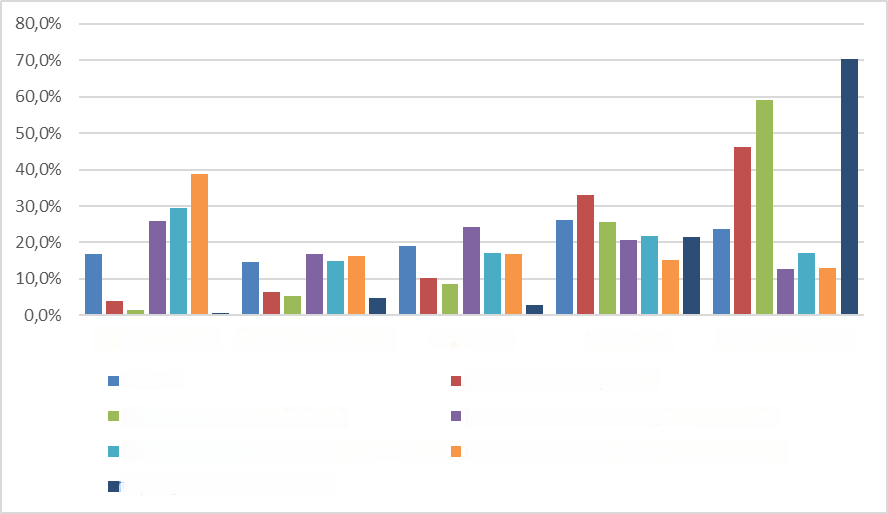
Figure 3 lists the factors that motivated the surveyed students to persist in the MBA course. Knowledge acquisition was considered “very important” by 70.3% of the sample; in second and third places (59% and 46.3% respectively) were “professional recognition” and “personal recognition”, both social factors. At this point, it was possible to perceive how much the acquisition of knowledge is still directly linked to social status in the collective mind. The relationship between cost and benefit made by the interviewees was also evident, since the “tuition fee” was considered a “very important” factor by 29.8% of the survey respondents for the decision to take the course (Figure 2), which reinforces the idea of “fair value” to achieve a prominent position, whether in the social or professional sphere.
Figure 3. Main motivational factors of students during the MBA course journey
Source: Original research results.
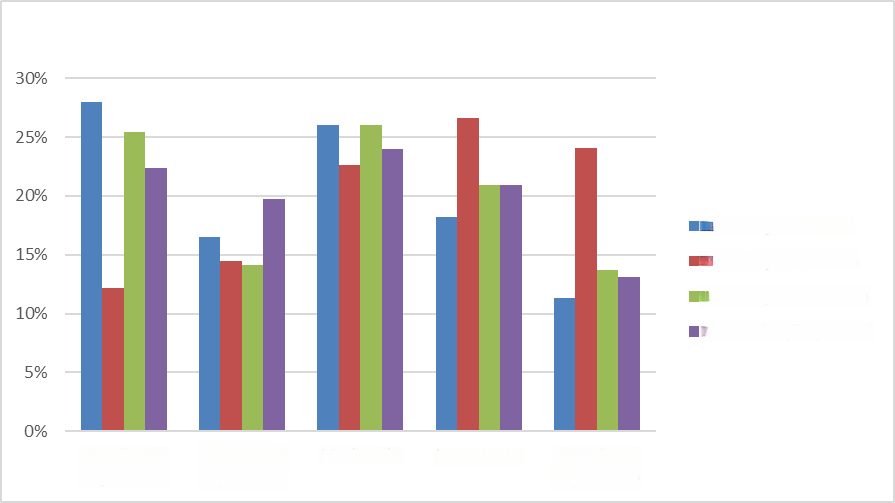
Among the difficulties encountered by students during the course journey (Figure 4), the factor considered as “not important”: “financial reconciliation” caught attention. The perception of “fair price” and perceived value in relation to the services provided by the institution once again appears in this topic. Despite this, this item was considered “very important” by 13.7% of respondents, given that it may be more linked to the country’s economic situation during the period studied than to the individual financial situation.
Figure 4. Main difficulties of students during the MBA course journey
Source: Original research results.
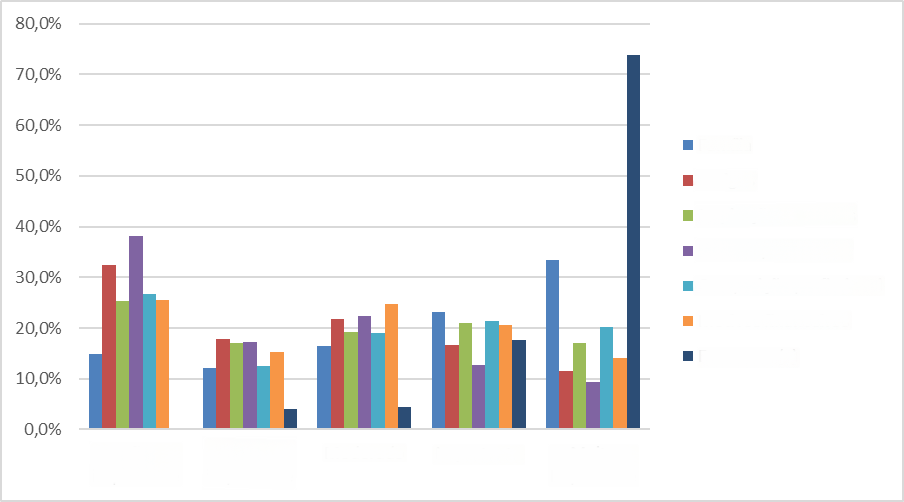
Figure 5 presents data on what motivated the respondents to complete the MBA course at the institution. “Myself” was the answer of the majority (73.8%), appearing as the most important factor for the dissertations to be delivered, and the defenses duly completed. Just below, for 33.4% of the graduates, the “family” motivation appears as a very important factor. Conversely, at this moment, “professional pressure” was considered unimportant by almost 40% of the respondents.
Figure 5. Main motivational influences of students for completing the MBA course
Source: Original research results.
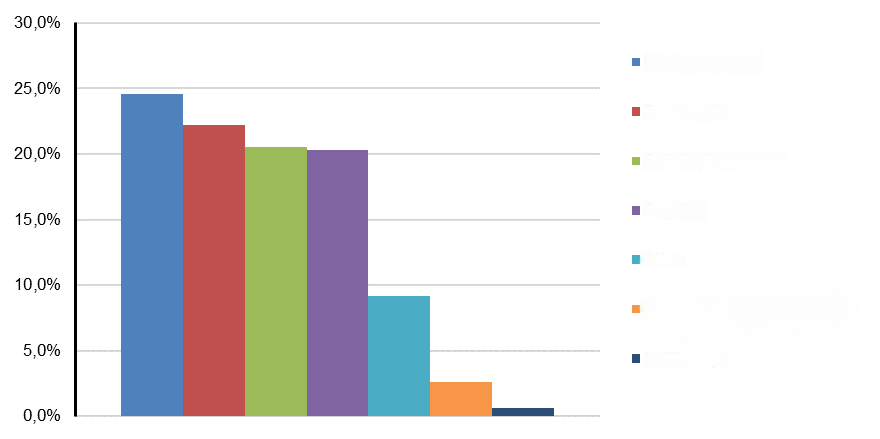
“Pride” was the fourth emotion most associated by graduates with the completion of the course (Figure 6). This data, which proved relevant for the researched sample, has already been explored in several advertising campaigns developed for the MBA courses offered by the educational institution in question.
Figure 6. Emotion associated by students with the completion of the MBA course
Source: Original research results.
“Personal satisfaction” was among the top three positions. The term “satisfaction”, whether personal or professional, appeared recurrently in the questionnaire responses, either as a motivating factor or to describe the feeling at the end of the journey. It had already been mentioned previously in almost 90% of the responses to the question about the motivations that had led students to seek an MBA course in the first place (Figure 1), ahead of professional obligation or possible financial gain (promotion). This fact reinforces the analysis of this study regarding the main internal and external influences that serve as motivation for an individual to undertake the journey of a distance MBA.
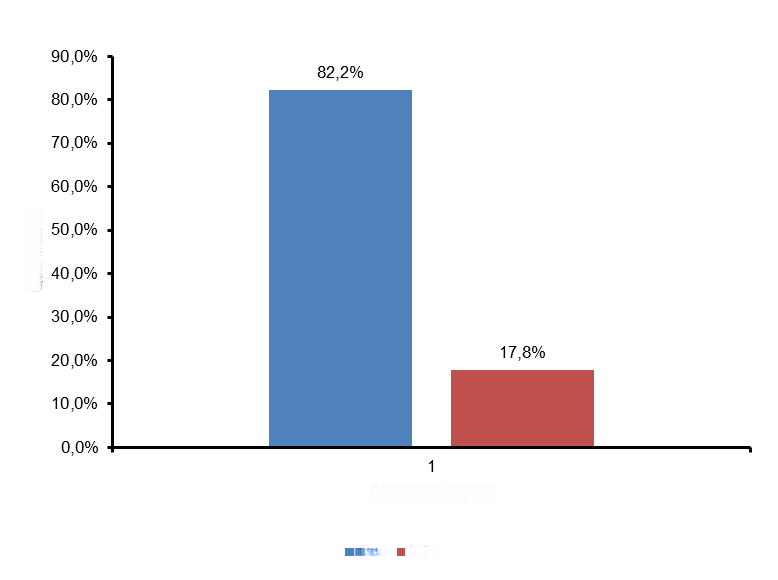
Finally, the analysis of the last question of the questionnaire, regarding the resolution of the “issues” that led the student to the decision to pursue an MBA, revealed that the satisfaction level with the course offered by the researched institution was high: 82.2% of the interviewed graduates stated that they achieved their objectives with the completion of the MBA.
Figure 7. Solution to the initial problems that led students to the decision to take an MBA course
Source: Original research results.
Figure 8 presents a word cloud with some recurring terms that appeared in the responses obtained to this open-ended question. In total, among the 699 respondents, the questionnaire received 557 responses to this question. Respondents were asked to explain why their initial objective had or had not been achieved upon completion of the course, and the most recurring responses were selected.
As previously noted in the previous responses, the majority stated that their main motivations orbited the professional field: new positions and/or more recognition within the workplace. Next, in smaller numbers, the sample members cited the pursuit of knowledge. Once again, the self-affirming tendency of the sample members was evident, as obtaining positions and titles proved more important than obtaining knowledge.
Figure 8. Word cloud developed by the author based on the recurrence of terms in the answers to the last research question

Source: Original research results.
The results obtained in this research evidenced several concepts addressed during the study regarding the formation of the ego (Self), self-concept, and self-esteem. Such factors (internal and external) were widely exposed by the answers given by the students. The MBA consumer profile obtained through the researched sample was an integral part of generation Y (born between 1980 and 1995), a segment of the population that lives intrinsically within the digital environment.
These results allowed for an evolution in the understanding of the mind of Brazilian postgraduate course consumers. As a suggestion for the continuity of this research, it is possible to highlight that this field of marketing allows for greater depth into the psyche of this consumer public, with the help of the most diverse research models, questionnaires, and focus groups, something that this study could not delve into, due to the nature of its technique.
It became evident that much can be done to produce more focused and assertive content for this target audience. Thus, the recommendation is that brand exposure should be done constantly and with clear messages that the institution has the necessary power to help students achieve the best version of themselves.
Along with the consumer profile outlined by the research, characteristics and behavioral patterns were traced that served as the basis for the construction of a persona, enabling the production of more pertinent content for this audience, as well as campaigns and advertising messages that collaborate positively with the final purchase decision for the MBA courses of the studied institution, and not for other competitors in the market.
References
[1] Associação Brasileira de Educação a Distância (ABED). Relatório Analítico da Aprendizagem a Distância no Brasil. 2019. Disponível em: <http://abed.org.br/arquivos/CENSO_EAD_2019_PORTUGUES.pdf>. Acesso em: 30 jun. 2021.
[2] Yin R.K. Qualitative Research From Start to Finish. 1st ed. Porto Alegre (RS): Penso Editora; 2016.
[3] Solomon R.M. Consumer Behavior: Buying, Having, and Being. 11th ed. São Paulo (SP): Bookman Editora; 2016.
[4] Yanaze M.H. Marketing management: advances and applications. 2nd ed. São Paulo (SP): Editora Saraiva; 2011.
How to cite
Corazza T. N.; Jaoude F. G. Consumer behavior research with alumni from a distance higher education institution. E&S Journal. 2024; 5: e20230047.
About the authors
Thiago Novaes Corazza  , Institute for Research and Continuing Education in Business Economics and Management – Pecege – Rua Cezira Giovanoni Moretti, 580 – Santa Rosa – Postal Code 13414-157 – Piracicaba/SP, Brazil.
Felipe Galesi Jaoude , Advisor Professor, Institute of Continuing Education and Research in Economics and Business Management – Pecege – Rua Cezira Giovanoni Moretti, 580 – Santa Rosa – Postal Code 13414-157 – Piracicaba/SP, Brazil.
Download link: PDF