
Chocolates
Impulse Buying
Marketing
Visual Merchandising
June 12, 2024
Visual merchandising and impulse buying in a Brazilian fine chocolate chain
DOI: 10.22167/2675-6528-20230060
E&S 2024, 5: e20230060
Thaís Santiago Modesto; Bethania Fernandes da Fonseca
In a highly competitive and digitized market, the creation of strategies for differentiation and consumer attraction becomes increasingly necessary, especially in the scope of marketing, an activity related to the identification and supply of personal or collective needs profitably, based on market fluctuations and changes in target audience behavior[1].
One of these strategies is merchandising, considered the best way to theme a specific point of sale and attract buyers, through the coordination of the following efforts to make sales: advertising, merchandise display and distribution techniques, selection of mannequins, props and equipment, as well as music, store scent and lighting[2].
More than a marketing compound, merchandising is a powerful tool for promoting products, services, and brands, whose purposes are to attract consumer attention to the store environment, strengthen the retailer’s image, and stimulate impulse buying, that is, the propensity to make purchases quickly, voluntarily, and without considering consequences[3].
By enticing shoppers into the retail environment, strategic merchandising can increase dwell time and positively influence the purchase decision[4]. This influence, however, is not exerted merely by the organization of products on shelves, in windows, and in aisles, but also by the detailed study of the desires, needs, and perceptions of the target market. It is in this context that experiential marketing, especially visual merchandising, gains importance; after all, 70% of purchase decisions are made at points of sale[5].
For Pine and Gilmore[6], investing in experiential marketing has proven indispensable for the success of physical stores, as products no longer have an end in themselves; they are part of a set of artifacts that make up the physical or digital point-of-sale (POS) environment and accompany the buyer in this experience[7]. By set of artifacts, we understand above all the factors observed by visual merchandising, a promotional technique that uses visual stimuli to attract consumers to the store environment and encourage them to buy.
Visual merchandising is any promotional action or material that uses design, as well as architecture and decoration, to highlight a store’s products and make the physical environment more pleasant and engaging[8]. The concept involves all the elements that the customer sees (window display, layout, colors, displays, and lighting) and that help them build a positive or negative perception of a store, potentially awakening attention, interest, desire, and action in them — the triggers for impulse buying[9].
With this marketing mix, factors such as price and product cease to be the main focus for retailers, as the thematization of the physical environment, from a visual perspective, proves essential for business success; after all, visual stimuli, the first sense activated in the consumer’s brain during the product and brand selection process, are also responsible for 83% of human perception of the environment[10].
The thematization of the physical environment is fundamental to reinforce the retailer’s prestige before the target audience and to bring new and memorable sensations to buyers, increasing their retention and dwell time at the POS, factors that are considered crucial for spontaneous purchases. For these reasons, it is considered a relevant object for the study of consumer behavior.
Understanding consumer behavior is challenging, as there are several propositions that seek to explain it; these hypotheses are formulated by different areas of knowledge — such as psychology, sociology, anthropology, biology, and marketing — which, in isolation, are not sufficient to identify the real reasons that lead a person to seek and buy a product. Hence the need to understand human behavior holographically[11].
By using distinct theoretical currents, retailers and marketing professionals began to consider consumer behavior an interdisciplinary area, focused both on the internal view of consumption processes, which precede the purchase, as well as on the study of the elements that make up the point of sale[12].
The circumstantial effects that form the context in which the purchase activity will take place[13] have proven to be fundamental for retail. These are: the physical characteristics of the store, the facilitating conditions for acquisition (such as payment options and express delivery), social interactions, and the consumer’s mood[14].
Among situational elements, the physical characteristics of the POS — such as layout, lighting, decoration, and displays — are the most significant for retailers, as they can directly influence the level of stimulation and customer experience in the store[7]. Regarding impulse buying, such environmental stimuli gain even more relevance, being recognized not only by architects and designers, but also by marketing professionals and the scientific community[15]. Elements such as colors, textures, aromas, sounds, furniture arrangement, among others, are strategically thought out and positioned to influence consumers’ emotions — more than their cognitive, rational side — and trigger feelings of pleasure, excitement, and dominance[16].
Beyond the physical characteristics of the point of sale, there are also two types of situational influence, related to the store’s atmosphere, that directly impact consumer behavior and shape the type of purchase decision: time pressure and mood/emotional state[17]. In the retail context, the elements that make up a physical POS are capable of determining whether the buyer will exhibit positive or negative emotional states in relation to the store, leading them to approach or avoid responses. These responses, in turn, are capable of defining the individual’s dwell time and adaptation to the environment. It is therefore emphasized that environmental stimuli, when well-managed, create a pleasant store atmosphere — promoting a more lasting and enjoyable consumption experience for the customer and stimulating impulse buying[18].
Given the above, it is understood that it is no longer sufficient to focus only on the product or its price, nor on reducing manufacturing and distribution costs. It is increasingly necessary to emphasize customer relationship, in order to offer them something adequate to fulfill their desires; it is also necessary to invest in strategies that enhance the physical store space and encourage the consumer to interact with the merchandise and the point of sale, that is, to become a participant in a space designed to serve them[19],[20]. In the same vein, the need to periodically conduct academic research is highlighted, in order to develop more effective promotional strategies at the physical point of sale and to address the lack of scientific documentation on the subject.
With this in mind, this study aimed to describe the visual merchandising strategies and impulse buying in a mega store of a Brazilian fine chocolate chain. Impulse buying is understood as unplanned and sudden, that is, those that are triggered, spontaneously and unconsciously — but not irrationally —, by immediate stimuli. Such stimuli are related, above all, to point-of-sale merchandising, carried out through the manipulation of sensory elements[21].
A case study was developed on impulse buying in mega stores of a Brazilian fine chocolate chain, located in the state of São Paulo. Named Brand X, the company had, during the research period, five factories and over two thousand franchises in the national territory, being recognized for the quality of its products and for the innovation of its new stores, known as mega stores, that is, large physical spaces with high investment in customer shopping experience.
Regarding the approach, the research was classified as quantitative; for data collection, a questionnaire was applied, distributed through social networks (Facebook and LinkedIn) between March 18 and April 20, 2021. 105 responses were obtained, in which were investigated: a) the sociodemographic profile of the respondents; b) consumption habits and propensity for impulsive purchases; and c) perception of the store environment of Brand X.
During the questionnaire application period, it was found that, of the total respondents, 66.7% were women and 45.7% were between 26 and 35 years old. Of this number, 60% were single and 34.3% were married; regarding the level of education, there was a significant presence of participants with a completed higher education degree (47.6%) and postgraduate studies (35.2%).
Regarding occupation, the majority were employed by private companies (47.6%); 20% of the sample were self-employed and 8.6% were retired. As for monthly family income, the survey data revealed a significant concentration of respondents with a variable income greater than R$ 5,000 (60%). With the exception of these, 28.5% received between R$ 3,001 and R$ 5,000 monthly; only 11.5% had a family income below R$ 3,000/month. From this data, it was inferred that the selected sample predominantly represented single women, aged 26 to 35, employees of private companies, and with a monthly family income exceeding R$ 5,000.
After the treatment and analysis of the respondents’ sociodemographic data, a diagnosis of their consumption habits was carried out — including their predisposition to impulse purchases, those in which the purchase intention is not recognized before the passerby enters the point of sale[22].
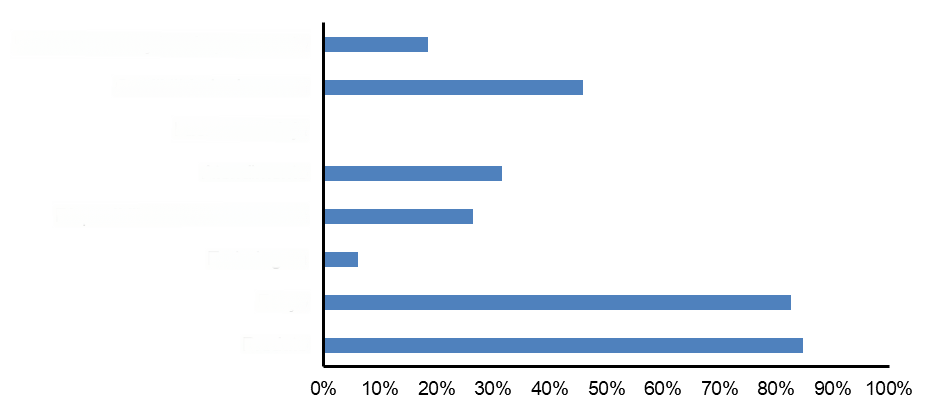
During this stage of the questionnaire, it was found that most participants used to shop alone (50.5%) or accompanied by their spouse/partner (25.7%), usually when they needed to restock products (59%) or buy gifts (18.1%), according to the data presented in Figure 1.

Source: Elaborated by the authors.
Upon analyzing Figure 1, it was also observed that about 19% of respondents attributed their purchasing needs to mood (5%) and store environment (14%) — which could indicate a tendency towards impulsive buying behavior, given that the pointed factors were directly related to personal and environmental aspects.
Regarding the criteria for product acquisition, over 80% of participants considered product quality and price as priority factors for decision-making. Brand credibility and customer service, in this scenario, appeared in third and fourth positions in the ranking; store facades, however, proved indifferent to consumers (Figure 2).
Source: Prepared by the authors.
It was therefore noted that the respondents mostly made their purchases in a more rational and planned manner, based on the variables “product” and “price”.
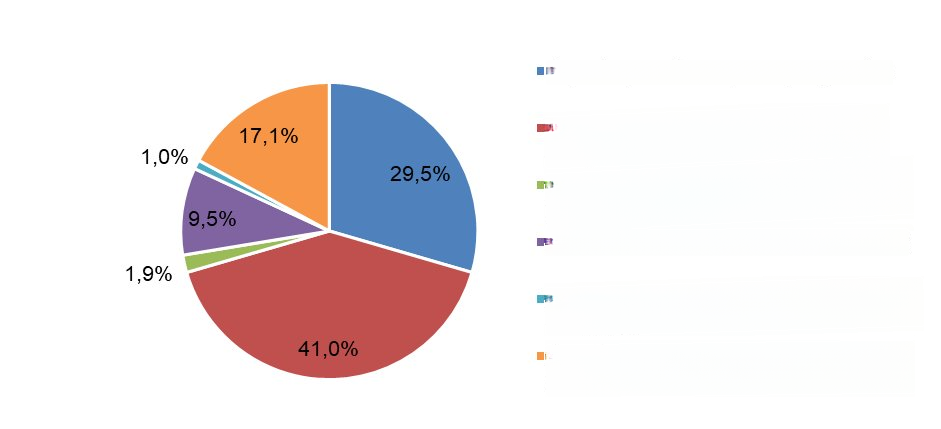
Planned purchases are those that occur with intentional and careful search for a specific brand product, chosen by the buyer before entering the store. Generally, they are made by people who buy only what they need or who research extensively before buying a product or service[23]. This was precisely the predominant profile of the survey respondents, as shown in Figure 3:
Source: Elaborated by the authors.
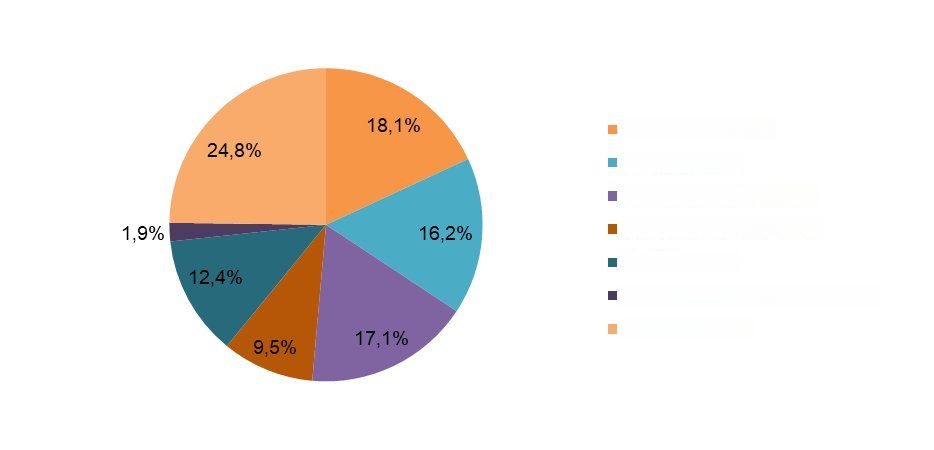
It was observed that approximately 31 participants, which corresponded to 29.5% of the sample, made purchases spontaneously and emotionally, either by buying to feel good (9.5%) or even when unable to pay (1.9%), or when they bought because they were upset (1%) or upon entering a pleasant store (17.1%); therefore, they were more prone to impulse buying (Figure 3). This result was corroborated by the answers given to the question: “when did you make your last impulse purchase?”, as shown in Figure 4.
Source: Prepared by the authors.
Although more than half of the respondents positioned themselves, when questioned, as more rational consumers — those who buy only when they need something —, it was proven that about 75.2% of them, excluding those who did not remember (24.8%), made unplanned purchases in recent years. Of this number, 19 people revealed having made impulsive purchases in the last two years or more; 16.2% and 17.1% of consumers, in the last three months and in the last month, respectively. In this scenario, 24.8% did not remember when they had made their most recent spontaneous purchases. It was therefore inferred that approximately a quarter of the respondents, even though they predominantly bought what they needed, were subject to eventual purchasing influences, including environmental variables.
Having understood the dominant profile of the survey respondents, as well as their consumption habits and propensity for impulsive purchases, the analysis moved on to the third category of questions: perception of the environment of Brand X mega stores. In this research stage, it was found that, out of 105 participants, 85 were customers of the aforementioned brand — of whom, 61% had been buyers for more than four years. Only 19% of the sample, which corresponded to 20 respondents, were not customers.
Regarding the habits of visiting mega stores, the following situation was observed: 31.4% went to the new physical stores once a year, 17.1% twice a year, and 12.4% three times a year. Among the reasons for the visits, the most cited was the need to buy gifts (66%), followed by the desire to enter them when they are in the malls (62.1%).
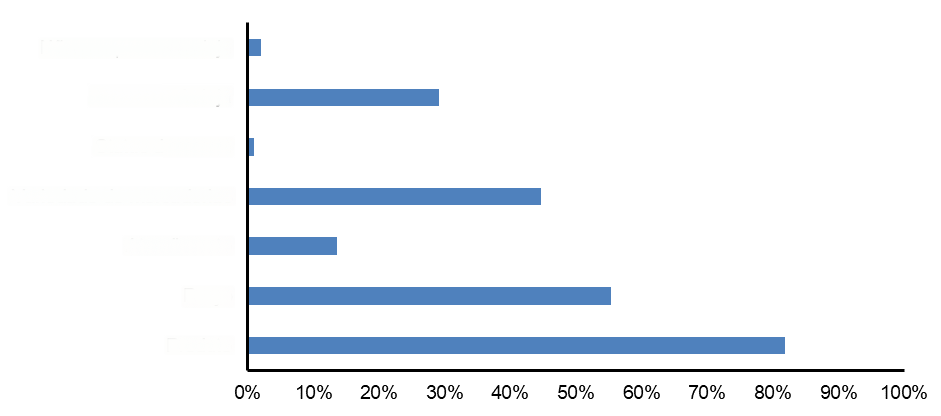
According to the questionnaire applied, this desire to enter and explore the store environment — and even to buy gifts — was predominantly awakened by consumers’ perception of four main factors: product, price, variety of merchandise, and store environment, in that order (Figure 5).
Source: Prepared by the authors.
Upon analyzing Figure 5, it was possible to observe that the most scored purchase factors were still the quality of the chocolates and the price charged by Brand X. However, these are not the only elements that arouse consumers’ interest: visual merchandising components, present in the point-of-sale environment, are also decisive in attracting them to the store, leading them to explore the space and, in some cases, to purchase.
When questioned about store stimuli, more than half of the respondents (78.3%) said they felt the influence of visual factors (lighting, colors, racks, displays, and shelves) at the point of sale; 13.6% of the sample, in turn, pointed to the action of olfactory aspects for attracting and retaining consumers at points of sale.
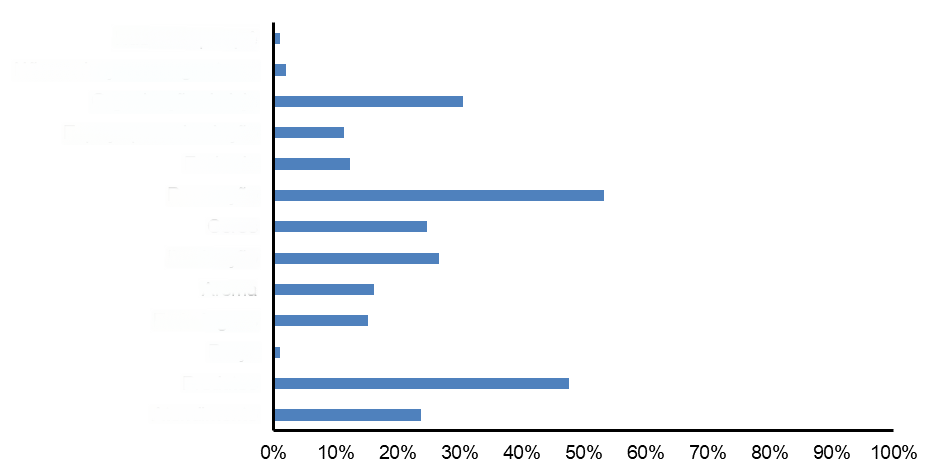
Of the visual merchandising elements applied by Brand X, those that most caught consumers’ attention and increased their dwell time at POSs, in descending order, were: decoration, organization, lighting, colors, packaging, and facade, as shown in Figure 6.
Source: Elaborated by the authors.
According to 46.2% of respondents, these visual elements have already induced them to buy chocolates that they did not intend to purchase before entering the mega stores.
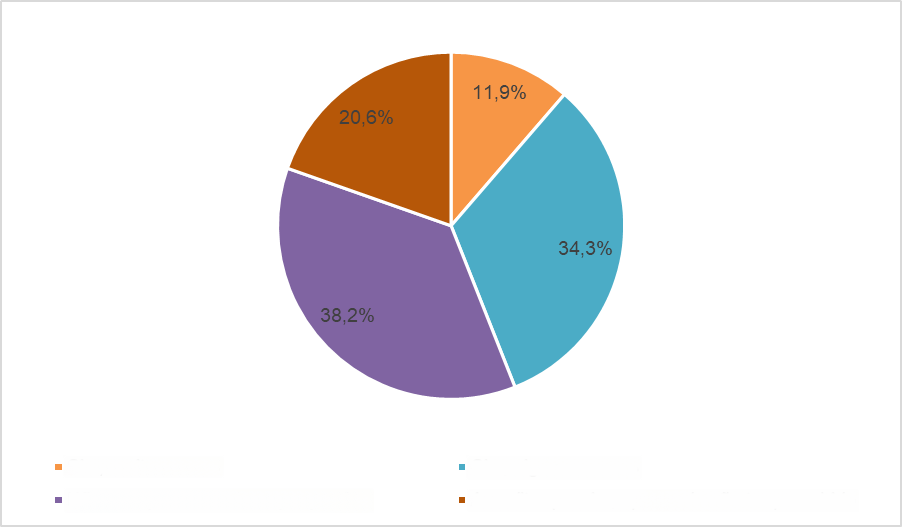
From the selected sample, 11.9% reported making many impulse purchases in these stores due to environmental variables; a larger portion, 34.3%, revealed doing the same sometimes; 20.6% of participants, in turn, believed they had probably made impulsive purchases, even if they hadn’t noticed (Figure 7).
Source: Prepared by the authors.
The present research aimed to investigate the influence of visual merchandising on impulse buying behavior in mega stores of a Brazilian fine chocolate chain, located in the state of São Paulo. After the investigation, it can be considered that visual merchandising is an effective product promotion strategy in the Brazilian retail market, mainly in attracting consumers to the stores and influencing them to stay longer. However, it was not possible to prove, through the presented results, the relationship between visual stimuli and the occurrence of impulsive purchases in mega stores of Brand X — since more than half of the interviewees and participants did not consider environmental and psychological factors as determinants for the acquisition of chocolates. In their daily lives, they predominantly made planned and semi-planned purchases, based on the actual need for product replenishment and on quality and price criteria.
References
[1] Kotler P.; Keller K.L. Administração de marketing. 12ed. São Paulo: Pearson Prentice Hall; 2006.
[2] Pegler M.M. Visual merchandising and display. 6ed. New York: Fairchild Books; 2012.
[3] Rook D.W. The buying impulse. Journal of Consumer Research. 1987; 14(2): 189-199. DOI: 10.1086/209105.
[4] Martins F.Z. A influência do visual merchandising no comportamento de compra do consumidor. Monografia. Brasília: Centro Universitário de Brasília (UniCEUB); 2012. Disponível em: https://repositorio.uniceub.br/jspui/bitstream/123456789/2045/2/20861488.pdf. Acesso em: 05 jun. 2024.
[5] Blessa R. Merchandising no ponto de venda. 4ed. São Paulo: Atlas; 2014.
[6] Pine B.J; Gilmore J.H. Welcome to the experience economy. Harvard Business Review. 1998; 76(4): 97-105. Disponível em: https://hbr.org/1998/07/welcome-to-the-experience-economy. Acesso em: 05 jun. 2024.
[7] Kotler P. Atmospherics as a marketing tool. Journal of Retailing. 1973; 49(4): 48-64.
[8] Blessa R. Merchandising no ponto de venda. São Paulo: Atlas; 2001.
[9] Carty R. Visual merchandising: principles and practice. Bronx: Milady Publishing; 1978.
[10] Blessa R. Merchandising no ponto de venda. 4ed. São Paulo: Editora Atlas; 2006.
[11] Camargo P.C.J. Neuromarketing: a nova pesquisa de comportamento do consumidor. São Paulo: Atlas; 2013.
[12] Castro G.C.; Nunes J.M.; Pinheiro R.M.; Silva H.H. Comportamento do consumidor e pesquisa de mercado. 3ed. Rio de Janeiro: Editora FGV; 2006.
[13] Mowen J.C.; Minor M.S. Consumer behavior: a framework. Upper Saddle River: Prentice Hall; 2001.
[14] Wells W.D.; Prensky D. Consumer behavior. Hoboken: Wiley & Sons; 1996.
[15] Carneiro J.V.C.; Rolim F.M.C.; Barboza M.V.; Arruda D.M. Estímulos olfativos influenciam decisões de compra? Um experimento em varejo de alimentos. In: Anais do XXXII Encontro ENANPAD; 2008. Rio de Janeiro, RJ, Brasil. p. 1-13. Disponível em: https://arquivo.anpad.org.br/eventos.php?cod_evento=&cod_evento_edicao=38&cod_edicao_subsecao=391&cod_edicao_trabalho=9337. Acesso em: 05 jun. 2024.
[16] Coley A.; Burgess B. Gender differences in cognitive and affective impulse buying. J Fashion Mark Manag. 2003; 7(3): 282-295. DOI: 10.1108/13612020310484834.
[17] Solomon M.R. O Comportamento do consumidor: comprando, possuindo e sendo. Porto Alegre: Bookman; 2002.
[18] Donovan R.; Rossiter J. Store atmosphere: an environmental psychology approach. Journal of Retailing. 1982; 58(1): 34-57.
[19] Kotler P. Marketing 4.0: do tradicional ao digital. Rio de Janeiro: Sextante; 2017.
[20] Shaw C.; Ivens J. Building great customer experiences. New York: Palgrave Macmillan; 2002.
[21] Silveira D.H.; Lavack A.M.; Kropp F. Impulse buying: the role of affect, social influence and subjective wellbeing. Journal of Consumer Marketing. 2008; 25(1): 23-33.
[22] Beatty S.E.; Ferrell M.E. Impulse buying: modeling its precursors. J Retailing. 1998; 74: 169-191.
[23] Costa F.C.X. Influências comportamentais e comportamento de compra por impulso: um estudo em lojas físicas e virtuais. Tese de Doutorado. São Paulo: Universidade de São Paulo; 2002. Disponível em: https://www.teses.usp.br/teses/disponiveis/12/12139/tde-24072003-171428/publico/TeseUSPFilipeCXdaCosta.pdf. Acesso em: 05 jun. 2024.
How to cite
Modesto T.S.; Fonseca B.F.; Visual merchandising and impulse buying in a Brazilian fine chocolate chain. E&S Journal. 2024; 5: e20230060.
About the authors
Thaís Santiago Modesto, journalist – Rua Madalena Barbosa Ferreira 301 – Vila Lemos; 13100-486 Campinas, São Paulo, Brazil.
Bethania Fernandes da Fonseca , Arlindo Béttio Street, 1000 – Vila Guaraciaba – ZIP Code 03828-000 – São Paulo/SP, Brazil.