
Management
Quality Management
June 20, 2024
Change management dampens the impact of major organizational transitions
Every change generates some impact on the people involved, and this also applies to corporations, especially contemporary ones, which have faced disruptions in the status quo more frequently, in an attempt not to fall behind in a highly technological and competitive market. Change management functions as a “buffer” that prepares, accompanies, and evaluates the restructuring processes of modern companies and the impacts they generate.
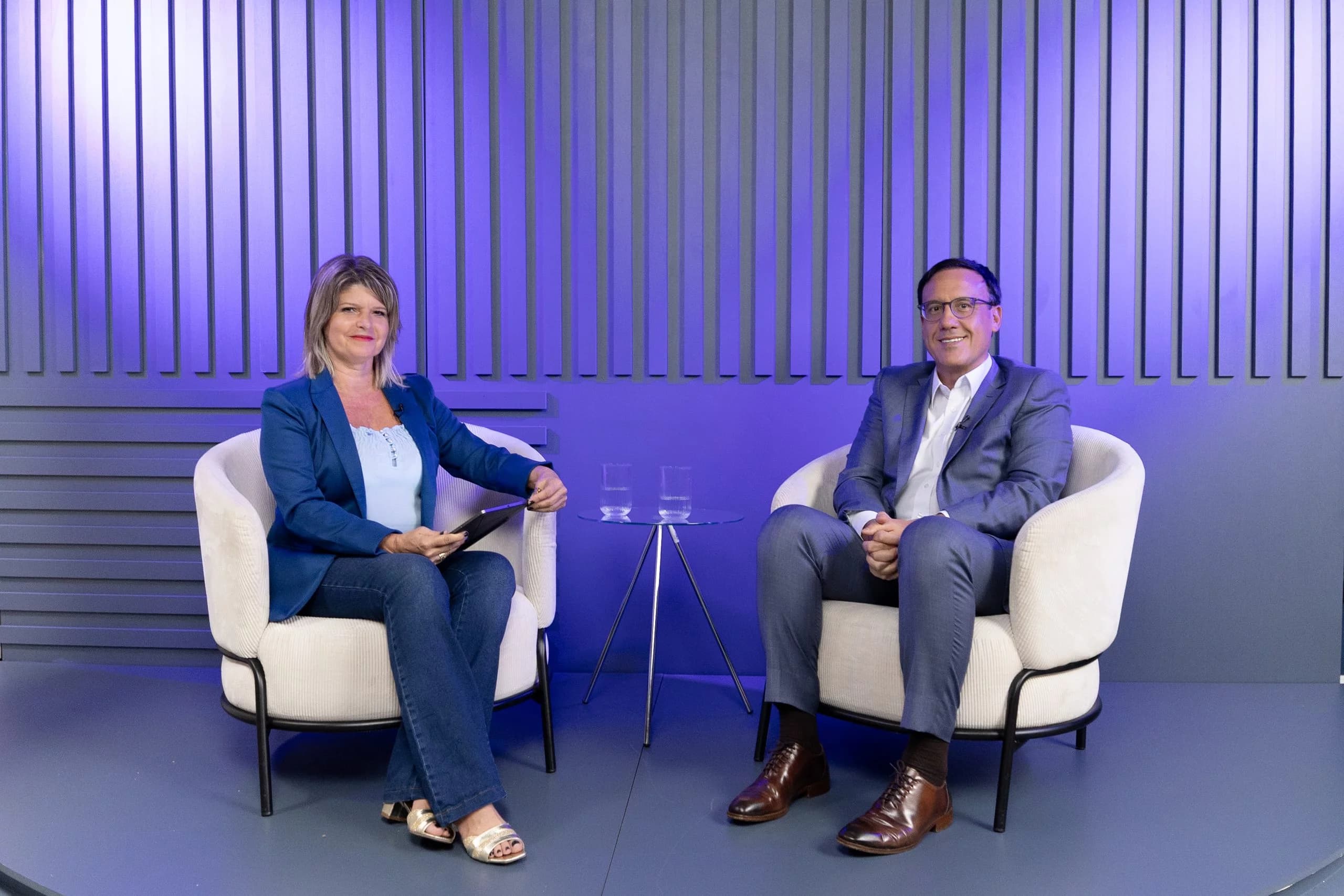
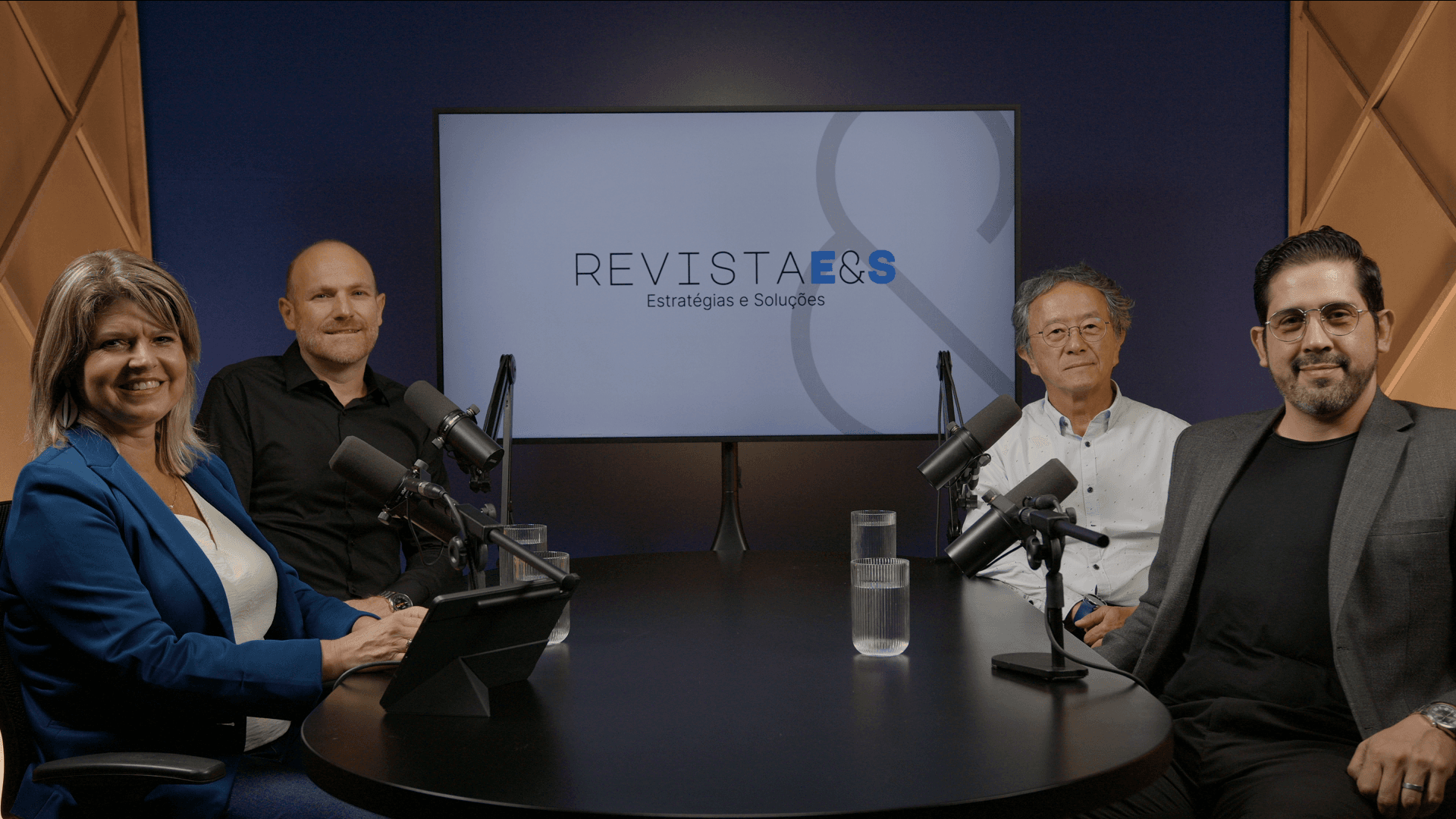
In the interview below, granted to Revista Estratégias e Soluções (E&S), from Editora Pecege, host Soraia Fessel conducts a conversation with USP (University of São Paulo) associate professor Mateus Gerolamo, a specialist in quality management, projects, change, and innovation, and with change management and business strategy consultant Lilian Ponce. The two unveil various aspects of this subject and talk about the book they launched in partnership with Editora Pecege, “Introduction to Change Management in Organizations”.
One of the most important figures when a company is about to break a paradigm is that of the leader. According to Mateus Gerolamo, if leadership does not understand the change and does not accompany its implementation, it runs the risk of setting a counterexample, by not understanding what that change means for the company. An environment of trust between leaders and led, says Gerolamo, is fundamental to overcoming resistance and driving the implementation of corporate innovations.
“The leader has the role of inspiring,” agrees Lilian Ponce. According to her, one of the benefits of change management is building a support network, a group she nicknamed “change agents” and describes in this interview as viruses being inoculated into various areas of the company.
They are people who are part of the teams and who are trained to identify and support those who are more resistant, in order to mitigate the pains of each team, she explained. “They create the action plan with us,” she says.
Another important factor, for Gerolamo, is the company’s attitude when an initiative does not work out. “If I am prepared as a leader, how do I respond?”, he asks. According to him, the leader has the role of guiding failure, so that there is learning, and the situation is reversed with psychological safety for everyone involved. According to him, on the other hand, “every success reinforces the behavior [that led to the good result]”, and this is what should be pursued so that the company enters a continuous cycle of change and innovation.
About the interviewees
Mateus Gerolamo is a professor at the University of São Paulo (USP), working in the areas of quality management, projects, change, and innovation.
Lilian Ponce is a business consultant with an emphasis on digital transformation and organizational change management.
Who published this videocast
Renata de Gaspari Valdejão Almeida