
Energy
Innovation
Energy Transition
March 28, 2024
Brazil already lives in the future of energy transition
While most of the world’s energy matrix is still fossil, 44% of Brazilian energy sources are renewable
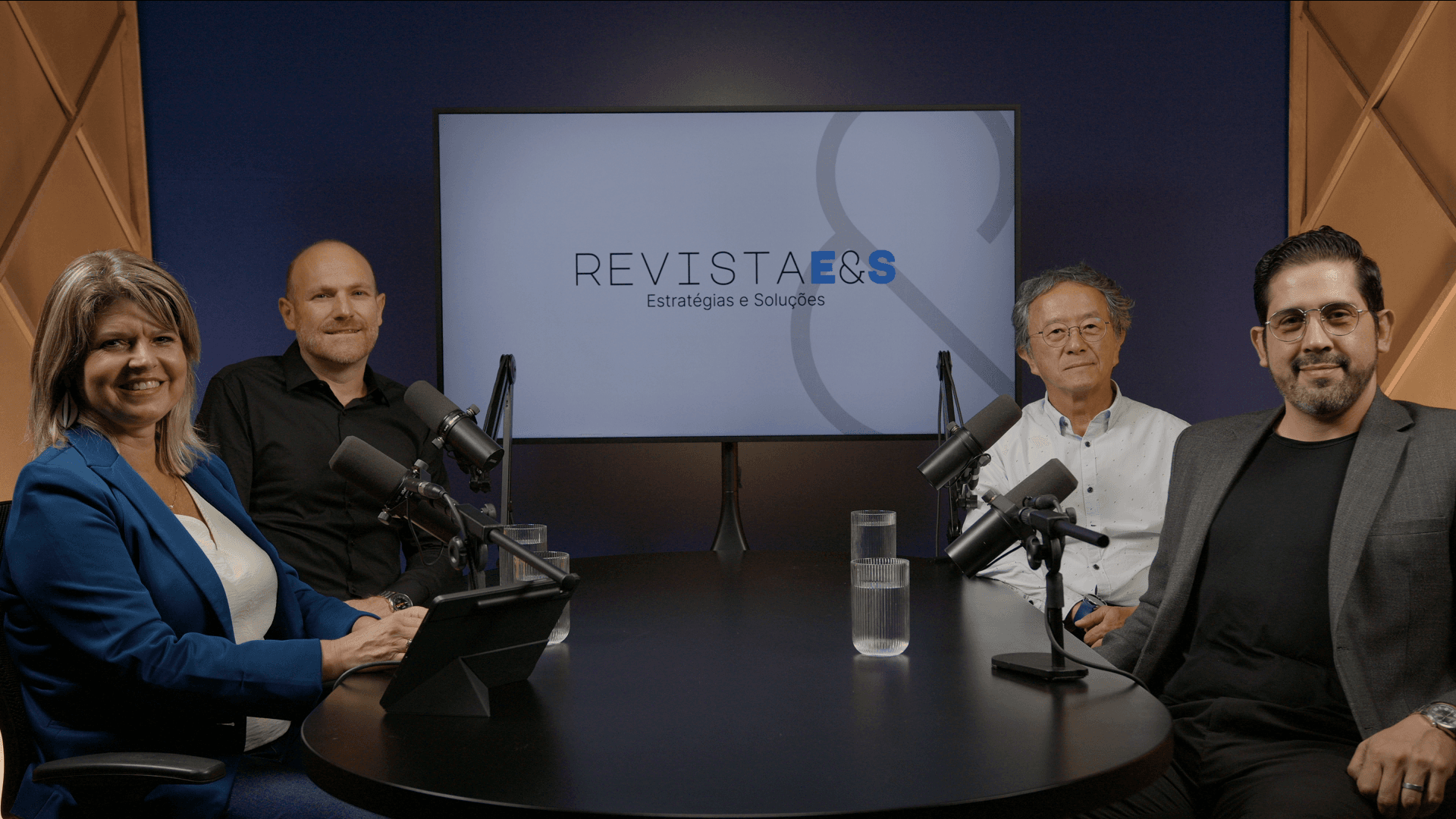
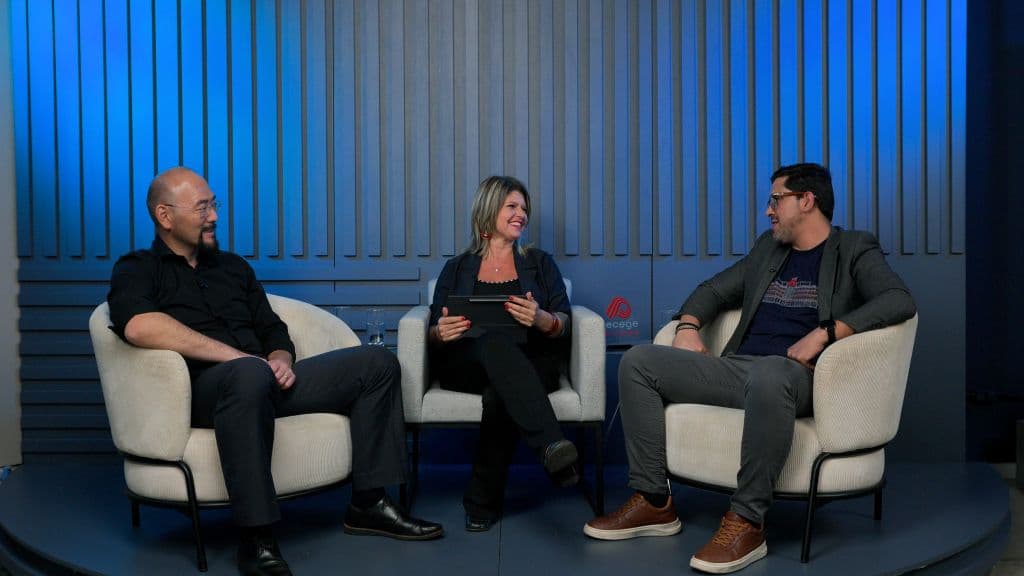
Have you ever thought about having a car powered by alcohol and electricity at the same time? This scenario is not so far off. The agro-industrial sector is positioning itself as one of the possible solutions for the global energy transition, and Brazil is two steps ahead of most of the world in this area, seeking to explore new potentials of the low-carbon economy. This month’s interview with Revista Estratégias e Soluções (E&S) is with economist Haroldo Torres, managing partner of Pecege Consultoria e Projetos and a consultant for agribusiness companies. Watch the conversation between him and journalist Soraia Fessel on this topic below.
Brazil has been prolific in creating energy transition policies, which involve not only the mitigation of greenhouse gas emissions but also the gain of energy efficiency in daily life and the diffusion of clean energy sources.
Several countries besides Brazil already have commitments, goals, and incentives in this regard, however, the majority of the world’s energy matrix is still fossil. Meanwhile, the Brazilian matrix is composed of sugarcane derivatives (16.4%) and hydraulic sources (11%), among other clean modalities.
In total, 44% of our energy sources are renewable, which places the country as one of the world leaders in the context of the energy transition, on par with Iceland, Norway, and Sweden. This is without mentioning the specific electricity generation, in which more than 78% of Brazilian sources are renewable. “We are today where many sectors and many economies want to be in 2030, 2050,” said Haroldo Torres.
And the process does not only cover energy, but encompasses everything related to this context: electrification, low-carbon fuels, carbon capture and storage, and reduction of the environmental footprint (assessment of greenhouse gas emissions from the beginning of the process, analyzing the entire product life cycle).
According to the economist, global emissions linked to fossil fuels have almost quadrupled in the last 60 years, which is alarming. Electric cars are being considered in the market as one of the solutions, but Torres states that caution is needed regarding this possibility: there is a “large volume of greenhouse gas emissions for the production of lithium that goes into the batteries”. On the other hand, in the case of ethanol, according to him, the opposite happens: “From agricultural production onwards, we have emissions, but we also have sequestration,” he explained.
According to him, the energy transition process is leading people to evaluate solutions together with emissions, that is, to think about the carbon footprint that each modality generates. “That’s what matters,” said Torres.
Other pillars of Brazil’s performance in the area are biofuels, whether with ethanol or biodiesel, and solar and wind energy. “We can say that we are growing in other vectors; for example, with biogas and biomethane”, he stated. We will also “talk a lot about green hydrogen as a catalyst for this energy transition process”.
The biggest challenge from now on, the economist warned, is to ensure that the energy transition process focuses on decarbonization and generates energy security, but in a slow and gradual manner, so as not to cause cost increases and inflation.
About the interviewee
Haroldo Torres is a project manager at Pecege, a professor in the MBA USP/Esalq, a professor at Faculdade Pecege, and a consultant for agribusiness companies.
Who published this videocast
Renata de Gaspari Valdejão Almeida