
August 05, 2026
Professionals’ perception of customer prospecting in B2B sales strategies
Jonatan Mulato de Jesus; Rodrigo Médici Cândido
DOI: 10.22167/2675-6528-202600976
Article prepared by the ResumeAI tool, an artificial intelligence solution developed by the Pecege Institute focused on synthesis and writing.
Abstract
In the contemporary corporate environment, customer prospecting has become an essential strategic element for organizational sustainability. The study aimed to understand and describe the perception of sales professionals regarding active and passive prospecting strategies in B2B scenarios. To this end, a descriptive, quantitative research was conducted using a structured questionnaire applied to 89 sales professionals from various sectors in the interior of São Paulo. The collected data were analyzed using descriptive statistics to identify usage patterns and Spearman’s correlation coefficient to verify associations between strategies. A predominance of active strategies was observed, particularly the use of WhatsApp, cold calls, and in-person visits, highlighting a preference for direct and immediate channels. Passive strategies showed greater variability, with social media and digital marketing being the most used, although with lower adherence to SEO, paid ads, and webinars. Correlation analysis indicated greater integration among passive strategies, while active ones appeared more independent. Active strategies were perceived as faster and more effective, whereas passive ones required longer maturation time. The hybrid approach stood out as potentially more efficient by combining different channels. It was concluded that the choice of prospecting strategies is strongly influenced by organizational and contextual factors, such as available resources, team experience, and market characteristics. The integration between active and passive strategies proved more effective for achieving consistent results, reinforcing the importance of a strategic approach adapted to organizational conditions.
Keywords: Effectiveness of prospecting; Hybrid sales strategy; Active prospecting; Passive prospecting.
1. Introduction
In the contemporary corporate environment, characterized by intensified competition and consumers with increasingly high expectations, customer prospecting has risen to the level of an indispensable strategic element for organizational sustainability and growth. The ability to identify, qualify, and engage potential buyers is a central pillar for revenue generation and maintaining market competitiveness. In this dynamic scenario, two main prospecting approaches are widely discussed and applied: active and passive, each with distinct characteristics and methodologies that seek to optimize the customer acquisition process (Kotler and Keller, 2016). Digital transformation has profoundly reconfigured sales dynamics, broadening the range of available tools and channels and elevating prospecting to a function that demands constant adaptation and innovation (Mayerhoff, 2008).
Active prospecting, often referred to as *outbound marketing*, involves a set of direct and proactive actions in which the sales team initiates contact with potential clients. This approach is characterized by the intentional and immediate search for *leads*, using channels such as cold calls, sending segmented and personalized emails, and in-person visits. The essence of active prospecting lies in the ability to build direct relationships and control the flow of the sales process, allowing for faster engagement and the possibility of qualifying the client in real-time (Ross, 2012). Companies that adopt this strategy aim for short-term results and more assertive sales funnel management, especially in markets where identifying specific *prospects* is crucial and the sales cycle is more complex (Cortex Intelligence, 2023).
In contrast, passive prospecting, or *inbound marketing*, focuses on the organic attraction of potential clients through the creation of value and the provision of relevant content. This strategy seeks to position the company as an authority in its segment, attracting *leads* who already demonstrate interest in its products or services. Tools such as search engine optimization (SEO), content marketing (blogs, e-books), social media, and *webinars* are employed to educate the market and nurture the relationship with the target audience (Souza and Lima, 2023). Passive prospecting tends to generate more qualified *leads* with a higher propensity for conversion, as the client has already initiated the buying journey on their own, resulting in potentially lower long-term acquisition costs and greater sustainability in demand generation (Järvinen and Taiminen, 2016).
Specialized literature recognizes that active and passive strategies are not mutually exclusive, but rather complementary, and can be integrated into a hybrid approach to maximize prospecting effectiveness. The combination of different channels allows reaching clients at various stages of the acquisition and purchase decision process, optimizing the customer journey and enhancing commercial results (Reis et al., 2016). In the B2B (business-to-business) context, this integration becomes even more relevant, given the complex nature of sales, which often involve multiple stakeholders, longer sales cycles, and the need to build trust and lasting relationships. The choice of the most suitable strategy, or combination thereof, is influenced by factors such as the target audience profile, the added value of the product or service, and the resources available within the organization (Kotler and Keller, 2016).
Despite the theoretical recognition of the importance of prospecting and the complementarity between its approaches, there is a gap in the empirical understanding of sales professionals’ perception regarding the effectiveness and applicability of these strategies, especially in B2B scenarios. Limitations in standardizing metrics and conducting robust comparative analyses hinder the consolidation of evidence on the effectiveness of different approaches (Monzon, 2025). This gap prevents organizations from making fully informed decisions about resource allocation, team training, and the development of prospecting strategies that are truly adapted to their realities and objectives. The absence of empirical data on the perception of professionals working directly on the front lines of sales can lead to suboptimal strategic choices, resulting in inefficiency, high customer acquisition costs, and loss of market opportunities.
In this context, it becomes fundamental to investigate how sales professionals perceive and apply prospecting strategies in their daily lives, in order to offer practical and theoretical subsidies to improve commercial management. The relevance of this study lies in its ability to fill this gap, providing valuable *insights* into the dynamics of prospecting in the B2B environment and contributing to the development of more effective and sustainable approaches. Thus, the present study aims to understand and describe the perception of sales professionals regarding active and passive prospecting strategies in B2B scenarios.
2. Material and Methods
The present study was characterized as a descriptive research, with a quantitative approach, carried out through a field survey. The choice of the quantitative approach was justified by its ability to allow standardized measurement of opinions and perceptions, facilitating the comparison of responses and the identification of trends in the collected data (FM2S, 2025). This methodology is suitable for measuring variables and testing numerical patterns, as recommended by Creswell (2010). The descriptive research, in turn, sought to portray the characteristics of the phenomenon and the investigated population without manipulating variables, being appropriate for understanding the strategies used in the organizational context (Marconi and Lakatos, 2017).
The research was developed in the context of different market segments located in the interior of the state of São Paulo, specifically in the municipality of Sertãozinho. Data collection occurred during the period from January to March 2026, covering three months of fieldwork. The unit of analysis for the study consisted of sales professionals who directly engage with active and passive prospecting strategies. The focus on B2B scenarios, as established in the introduction, directed the investigation towards the perception of these specialists regarding customer acquisition dynamics in a complex corporate environment, where understanding the approaches is crucial for commercial success.
The study population was composed of employees from various companies located in the municipality of Sertãozinho, in the state of São Paulo. The final sample consisted of 89 individuals who voluntarily participated in the research. This number of participants was determined by the established inclusion and exclusion criteria, ensuring that only professionals directly involved with customer prospecting strategies were considered. The convenience sampling, from professional networks and thematic sales groups, aimed to reach individuals with relevant practical experience in the approaches studied, which is fundamental for the accuracy of the collected perceptions.
The inclusion criteria for participants were rigorously defined to ensure the relevance and quality of the data. Employees formally linked to the participating companies, either by CLT contract or equivalent regime, were included, ensuring their stability and involvement with the organization. Additionally, participants had to be professionals actively working in the sales sector, with a minimum tenure of three months at the company, which ensured familiarity with the prospecting strategies adopted. Finally, it was necessary for professionals to be 18 years of age or older and agree to voluntarily participate in the study.
To maintain sample integrity and data validity, clear exclusion criteria were established. Professionals on vacation, medical leave, or other types of leave during the data collection period were excluded to avoid biases related to their unavailability or temporary detachment from activities. Interns, temporary staff, or outsourced workers who did not have direct involvement in the commercial process were also disregarded. Furthermore, participants who completed the questionnaire incompletely or invalidly were excluded from the analysis, ensuring the consistency and reliability of the responses used in the study.
The data collection instrument consisted of a structured questionnaire, developed and administered through the Google Forms platform, accessible via the link https://forms.gle/Qiaroa6otSPWMquX7. The questionnaire comprised 26 questions, organized into three distinct sections to facilitate information gathering. This structure allowed for a systematic and comprehensive approach to sales professionals’ perceptions. The use of an electronic platform ensured standardization in question presentation and efficiency in response compilation, crucial elements for the quantitative analysis proposed by the study.
The first section of the questionnaire, titled “General Information”, contained five multiple-choice questions aimed at characterizing the participants and the companies in which they worked. This initial stage sought to contextualize the respondents’ profile. The second section, “Client Prospecting”, addressed the use and perceived effectiveness of active and passive prospecting strategies. For this purpose, five-point Likert-type scales were predominantly used, ranging from “Never” to “Always” for frequency and from “Not at all effective” to “Extremely effective” for effectiveness. Questions with agreement scales and response time evaluation were also included.
The third section of the questionnaire, named “Perception and strategy”, was composed of three questions that investigated respondents’ perception of the overall effectiveness of the adopted strategies and the factors that influenced their choices. This section used multiple-choice questions and Likert scales, ranging from “Very effective” to “We do not use”. The questionnaire’s development was solidly grounded in theoretical references that directly address prospecting practices and their applications in organizational environments, including contributions from Reis, Vincenzi, and Pupo (2016), Mayerhoff (2008), and Souza and Lima (2023), ensuring the instrument’s relevance and validity.
Data collection was conducted over three months, between January and March 2026. The online questionnaire link was widely disseminated through messaging applications, such as WhatsApp, and via email, being replicated by the managers of participating companies to their employees. This electronic dissemination strategy allowed for broader geographic reach and provided agility to the collection process. Additionally, the online application ensured the confidentiality of responses, a crucial aspect for encouraging honest and spontaneous participation from professionals, contributing to the reliability of the data obtained.
The data analysis followed a quantitative approach, using descriptive statistics to synthesize and present the collected information. Absolute and relative frequencies were calculated for each variable, allowing for the identification of usage patterns and the distribution of sales professionals’ perceptions. This initial stage of the analysis was fundamental to characterizing the sample and the prospecting strategies employed, providing a clear view of the observed trends. Descriptive statistics enabled an objective understanding of the characteristics of the studied population, aligning with the objective of describing the investigated phenomenon.
To investigate the associations between the different active and passive prospecting strategies, Spearman’s correlation was employed. This coefficient was selected for its suitability for ordinal variables, such as the responses obtained on Likert scales, which do not satisfy the assumptions of linearity and normality required by Pearson’s coefficient. Spearman’s correlation, based on the ordering of values, proved to be more consistent with the nature of the data and the sample size, allowing for the identification of monotonic relationships (Field, 2013; Kumar, 2023). The organization, processing, and graphical representation of the data were carried out using Microsoft Excel 2019 *software*.
Ethical procedures were rigorously observed throughout all stages of the research. The study was designed to fully preserve the anonymity of the participants, ensuring that no personal or sensitive information was collected or associated with the responses. This measure was in accordance with the ethical principles applicable to research involving human subjects, ensuring the privacy and protection of individuals. The absence of personal identification data from the respondents reinforced the commitment to research ethics, promoting a safe environment for the expression of their perceptions on prospecting strategies.
3. Results and Discussion
This study, by investigating sales professionals’ perception of active and passive prospecting strategies in B2B scenarios, revealed a detailed panorama of the practices and challenges faced in the contemporary corporate environment. The sample, composed of 89 sales professionals from various sectors in the interior of São Paulo, conferred robustness to the results, as the entirety of respondents (100%) held positions directly linked to commercial activities. This homogeneity in the participants’ roles is crucial, as, according to Silva (2023) and Prado and Lara (2023), salespeople are the primary agents in converting leads into customers, and their perceptions are intrinsically linked to the operational effectiveness of the adopted strategies. The centrality of these professionals in the prospecting process validates the relevance of their experiences and opinions for an applied analysis contextualized to organizational reality.
The analysis of the participants’ tenure in the sales area showed a diversified distribution, indicating a sample with different levels of professional maturity. It was found that 31.5% of professionals had between 1 and 3 years of experience, followed by 27.0% with more than 6 years of experience, 21.3% with 4 to 6 years, and 20.2% with less than 1 year.
Table 1. Time in the sales sector
|
Operating time |
Frequency (n) |
Percentage (%) |
|
1 to 3 years |
28 |
31,5% |
|
More than 6 years |
24 |
27,0% |
|
4 to 6 years |
19 |
21,3% |
|
Less than 1 year |
18 |
20,2% |
|
Sum |
89 |
100% |
Source: Original research results
This heterogeneity is a significant finding, as, according to Weitz, Sujan, and Sujan (1986), experience directly influences how prospecting strategies are conducted. More experienced professionals tend to adopt more structured, consultative approaches that are adaptable to the specific characteristics of the client and the sales context. In contrast, those with less experience may more frequently resort to more direct and operational tools, seeking immediate results. The practical implication of this finding is that organizations need to develop prospecting strategies that are flexible and adaptable to the different maturity levels of their sales teams. Furthermore, the need for continuous training and the standardization of commercial processes become essential to ensure that all team members, regardless of their experience, can execute strategies effectively and aligned with the company’s objectives. The literature reinforces that constant training is a pillar for improving salespeople’s adaptability and communication skills, crucial elements in complex B2B scenarios (Reis et al., 2016).
Regarding the business sector of the participants’ companies, a clear predominance of industry was observed, representing 44% of the sample, followed by the services (29%) and commerce (15%) sectors. The sanitation and agribusiness sectors each contributed 3%, while bidding, city hall, automation, banking, and real estate jointly accounted for 5% of the total. The three most frequent sectors concentrated 88% of the respondents’ workplaces.
This sectoral diversity, although concentrated in some segments, enriches the study’s analytical capacity, allowing inferences about how different organizational contexts can influence the adoption and perceived effectiveness of commercial strategies. Industrial companies, for example, often deal with longer sales cycles and higher average ticket sizes, which naturally demands more structured, consultative, and relationship-building approaches for prospecting. In contrast, organizations in the services and retail sectors, which may have shorter sales cycles and a higher volume of transactions, tend to prioritize more agile and direct strategies. This finding is in line with the literature, which points to the influence of the sector on the choice between inbound and outbound strategies (Neto, 2020; Maciel, 2024). The practical implication is that the definition of prospecting strategies cannot be a “one-size-fits-all” approach; it must be meticulously adapted to the specificities of each sector, considering its sales cycles, customer profile, and market dynamics. Failure to adapt strategies can lead to significant inefficiencies and a high customer acquisition cost.
Although not presented in a figure, the analysis of company size revealed the predominance of medium-sized organizations, with 38% of participants working in companies with 11 to 50 employees and 30% in companies with 51 to 200 employees. Small businesses (1 to 10 employees) represented 17%, and those with more than 200 employees accounted for 15%. This result suggests that the majority of respondents work in organizations with an intermediate structure, implying a certain formalization of commercial processes, but often with resource limitations compared to large corporations. The literature, such as Nascimento et al. (2023) and Sousa (2025), suggests that medium-sized companies tend to adopt hybrid prospecting strategies, combining direct and digital actions, but not always in a structured manner. This highlights the importance of strategic sales management and the integration of technological tools to optimize results, even in contexts with limited resources.
Complementarily, the analysis of the average ticket of participants’ companies’ sales indicated that the majority operate in high value-added contexts, with 57% reporting values above R$ 20,000. Another 28% were between R$ 5,001 and R$ 20,000, 9% between R$ 1,001 and R$ 5,000, and 6% below R$ 1,000. This data reinforces the idea that the sample focuses on complex B2B sales, where personalization and customer relationship building are crucial. Studies by Nascimento et al. (2023) and Monzon (2025) point out that, in higher ticket sales, the strategic combination of active and passive approaches tends to generate better results, balancing lead acquisition speed and qualification. The practical implication is that, for these companies, prospecting is not limited to an initial contact, but to a continuous process of nurturing and relationship development, where commercial intelligence and personalization are competitive differentiators.
Regarding the most used prospecting strategies, the study revealed a predominance of active practices, with emphasis on the use of WhatsApp, which was employed “frequently or always” by 88% of participants. Cold calls and in-person visits also showed high utilization, with 57% and 56%, respectively, of frequent or always use. In contrast, emails (35%) and events (27%) showed lower adherence among active strategies. Within passive strategies, greater variability in adherence was observed, with social networks (37%) and digital marketing (36%) as the most used practices. Tools such as SEO, paid ads, and webinars showed lower utilization and higher non-adherence rates. The data are presented in Figure 1:
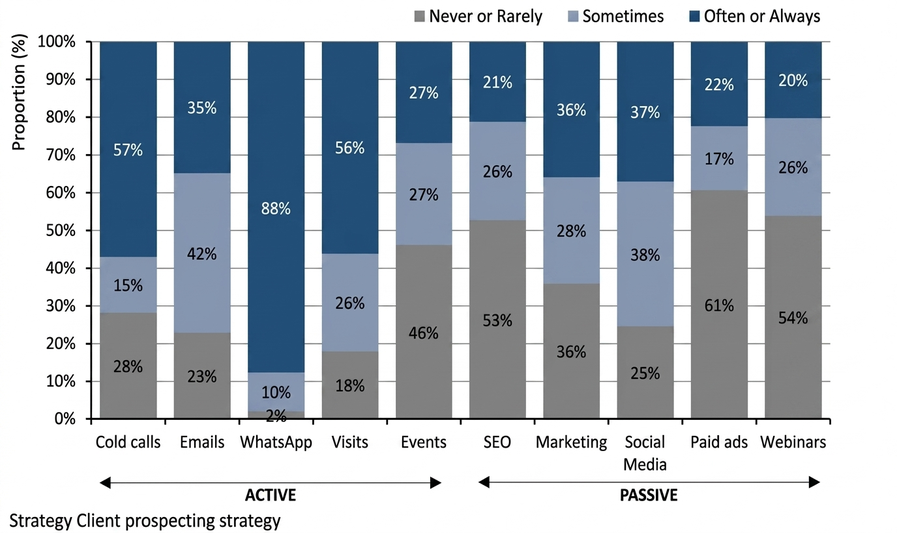
Figure 1. Most used prospecting strategies by participants
Source: Original research results
This result highlights a clear preference for direct, fast, and personalized channels in the investigated B2B context. The intensive use of WhatsApp, for example, reflects the pursuit of agility and proximity in customer communication, characteristics valued in a sales environment that demands quick responses and relationship building. The high adoption of cold calls and in-person visits corroborates this preference for direct and immediate interactions. The literature, such as Lima et al. (2025), while acknowledging the value of immediate channels, warns about the need to diversify commercial strategies, suggesting that excessive dependence on a few channels can limit the reach and resilience of prospecting. The preference for active strategies, especially direct contact ones, can be explained by the greater sense of control and predictability that these approaches offer in sales pipeline management, as pointed out by Ross (2012) in B2B contexts.
On the other hand, the lower use of emails and events as active strategies, and the low adherence to more structured passive tools such as SEO, paid ads, and webinars, may indicate limitations in the adoption of long-term relationship and lead nurturing strategies. This pattern aligns with the discussions by Souza and Lima (2023), who highlight that passive prospecting depends heavily on the digital maturity of organizations and the consistency in content production for generating results. The lower adherence to more sophisticated tools may reflect both resource limitations and the absence of a more robust strategic integration, as suggested by Mayerhoff (2008), who emphasizes that effective prospecting in the digital age requires not only the adoption of tools but also organizational alignment and strategic management capacity. In practice, companies may be prioritizing short-term results, neglecting investment in strategies that, although requiring a longer maturation time, can generate more qualified and sustainable leads in the long run. This reinforces the need for organizations to critically evaluate their investments and processes to ensure that passive prospecting is implemented effectively and integrated, rather than just as a secondary complement.
The correlation analysis, performed using Spearman’s coefficient, provided important insights into the interdependence between different prospecting strategies. The results showed that active strategies, in general, exhibit less interdependence among themselves, suggesting that many of them are perceived and applied as isolated actions. In contrast, passive strategies form a more integrated set, indicating that their effectiveness is perceived as the result of a coordinated and complementary effort on multiple fronts. Furthermore, a moderate correlation was highlighted between emails and events (r > 0.50), suggesting the role of these strategies as a bridge between active and passive approaches.
Table 2. Correlation matrix for the different customer prospecting strategies
|
Customer prospecting strategy |
Unsolicited calls |
Emails |
|
Visits |
Events |
SEO |
Commercialization |
Social networks |
Paid ads |
Online seminars |
|
Unsolicited sales calls |
1 | |||||||||
|
Emails |
0,34 |
1 | ||||||||
|
|
0,19 |
0,26 |
1 | |||||||
|
Visits |
0,08 |
0,47 |
0,22 |
1 | ||||||
|
Events |
0,02 |
0,56 |
0,06 |
0,44 |
1 | |||||
|
SEO |
0,22 |
0,54 |
-0,05 |
0,26 |
0,56 |
1 | ||||
|
Commercialization |
0,16 |
0,34 |
0,03 |
0,22 |
0,61 |
0,67 |
1 | |||
|
Social networks |
0,03 |
0,47 |
-0,02 |
0,27 |
0,63 |
0,59 |
0,84 |
1 | ||
|
Paid ads |
0,13 |
0,59 |
-0,07 |
0,27 |
0,45 |
0,74 |
0,57 |
0,71 |
1 | |
|
Webinars |
0,14 |
0,42 |
-0,05 |
0,24 |
0,69 |
0,74 |
0,85 |
0,72 |
0,63 |
1 |
Source: Original research results
This finding is fundamental to understanding the dynamics of prospecting in B2B environments. The lower interdependence of active strategies, such as WhatsApp and cold calls, can be interpreted as a preference for tactical and immediate actions, which do not necessarily connect organically with other initiatives. This can lead to a fragmented sales effort, where each action seeks a specific result without contributing to a broader and synergistic prospecting strategy. On the other hand, the greater integration of passive strategies, such as digital marketing and social media, reflects the intrinsic nature of these approaches, which depend on the continuous building of a digital presence, content production, and customer relationship over time, as described by Souza and Lima (2023).
The moderate correlation between emails and events as integration elements between active and passive approaches is a crucial point. These practices can act as “hybrids”, transitioning between direct communication and indirect demand generation. Kotler and Keller (2016) emphasize the importance of integrating multiple channels in the customer journey to enhance the effectiveness of acquisition strategies. Mayerhoff (2008) reinforces that, in the context of digital transformation, effective prospecting depends on the articulation between different tools and practices. Thus, the results suggest that the integration between channels – especially those that act as bridges – can represent a strategic differential in building more efficient and adaptable commercial processes. The practical implication is that companies should actively seek synergy between their strategies, transforming isolated actions into a prospecting ecosystem that maximizes lead reach and conversion, avoiding dispersion of efforts and optimizing return on investment.
Regarding the perceived effectiveness of prospecting strategies, the results indicated a clear distinction in participants’ perception. The majority (78%) considered active strategies as “effective” or “extremely effective”. In contrast, passive strategies were mostly classified as “slightly or not effective at all” by 51% of respondents. The hybrid strategy, which combines elements of both approaches, was evaluated as “extremely effective” by 42% of participants.
This favorable perception of active strategies, especially in contexts that demand quick conversion, reinforces the observed trend of prioritizing direct and immediate channels. The high percentage of effectiveness attributed to active approaches can be explained by their ability to generate results in a short period, which is often valued in sales environments with aggressive targets and competitive sales cycles. However, the perception of low effectiveness of passive strategies deserves a more in-depth analysis. It does not necessarily indicate an intrinsic ineffectiveness of these approaches, but may reflect inadequate implementation, lack of long-term investment, or absence of integrated strategies that allow for the maturation of leads generated by passive channels. The literature, such as Santos and Vasconcelos (2023) and Monzon (2025), highlights that organizations that manage to balance short-term actions (outbound) with demand generation strategies (inbound) tend to achieve greater predictability of results and long-term sustainability.
The appreciation of the hybrid approach, even if by a smaller but significant portion (42% considering it “extremely effective”), indicates a recognition of the potential of channel integration. This suggests that, although active prospecting is perceived as faster, there is a growing understanding that the strategic combination of different approaches can optimize the customer acquisition process. The practical implication is that companies should invest not only in the execution of active strategies but also in improving the implementation and integration of passive strategies. This includes enhancing content quality, optimizing SEO, and developing more assertive digital marketing campaigns, ensuring that leads generated by these channels are properly nurtured and converted. Building a truly effective prospecting strategy requires a holistic view that combines the speed of active actions with the sustainability and lead qualification of passive actions, maximizing the potential of each approach.
The investigation into the definition of the ideal customer profile (ICP) and the personalization of approaches revealed a predominance of neutral responses (52% for defined ICP and 48% for personalized approaches). This absence of clear positioning by the participants suggests a fragility in the strategic structuring of companies regarding a fundamental element for effective prospecting. The definition of the ICP is crucial for directing prospecting efforts and optimizing the allocation of commercial resources, as emphasized by Prado and Lara (2023). Without a clearly defined ICP, companies run the risk of adopting unassertive approaches, resulting in an increase in customer acquisition cost and a reduction in strategy efficiency. Recent literature, such as Cortez, Clarke, and Freytag (2025), reinforces that market segmentation in B2B contexts should be based on multiple organizational and behavioral variables to ensure greater accuracy in defining the target audience and, consequently, better commercial performance. In practice, organizations that structure their ICP clearly tend to develop more personalized approaches, with greater potential for conversion and predictability of results, while those that lack this direction operate more reactively and less efficiently.
When considering response time, i.e., the period from the first approach to the closing of the sale, 58% of participants classified active prospecting as “fast or very fast.” In contrast, 60% considered passive prospecting as “time-consuming or very time-consuming.” This distinction reinforces the main operational difference between the two approaches: active prospecting is perceived as generating more immediate results, while passive prospecting requires a longer maturation time. This data is in line with the literature, which indicates that outbound marketing (active prospecting) is more effective in generating short-term results, while inbound marketing (passive prospecting) tends to present a higher return in the long term, but with a more extended maturation time (Järvinen & Taiminen, 2016).
The practical implication of this finding is that companies must align their prospecting strategies with their short- and long-term objectives. For immediate sales and customer acquisition needs, active approaches may be more suitable. However, to build a sustainable and qualified customer base, passive strategies are indispensable, requiring patience and continuous investment. Kock and Gasparetto (2024) highlight the importance of balancing speed and sustainability in customer generation, suggesting that a hybrid approach, combining the best of both worlds, is the most effective way to optimize overall response time and lead quality. Failure to recognize this temporal difference can lead to unrealistic expectations and the undervaluation of passive strategies that, in the long run, can be more profitable and efficient.
Finally, the main factors influencing the choice of prospecting strategies were identified, with available resources (20%), historical results (19%), and team experience (16%) standing out as the most relevant. Other factors include the industry sector (15%), client profile (12%), sales cycle duration (12%), and the average ticket of the product/service (7%). The three most frequent factors accounted for 55% of the total strategies. Figure 2 presents the complete data:
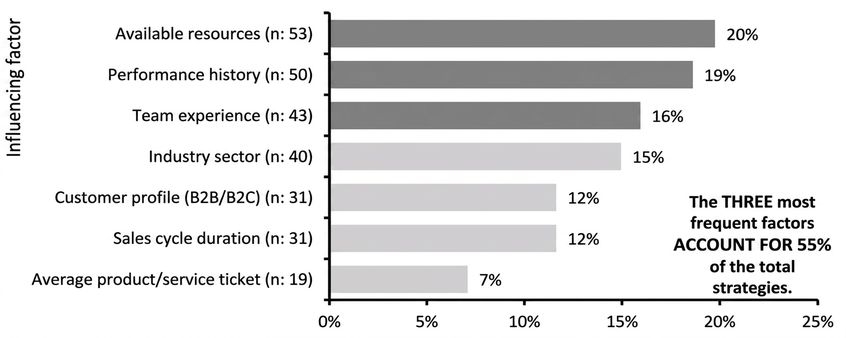
Figure 2. Influencing factor for the adoption of a prospecting strategy
Source: Original research results
This pattern shows that the choice of prospecting strategies is strongly conditioned by a complex interaction of internal organizational and external contextual factors. The availability of resources, whether financial, technological, or human, is a primary determinant, as it defines the company’s capacity to invest in different channels and tools. The history of results, in turn, reflects organizational learning and the empirical validation of strategies that have proven effective in the past, influencing future decisions. Team experience, as already discussed, impacts the capacity for execution and adaptation of strategies. These findings are consistent with empirical evidence pointing out that B2B sales performance is influenced by multiple interdependent factors, including organizational resources and sales force competencies, which directly impact the definition and execution of commercial strategies (Verbeke; Dietz; Verwaal, 2011).
Beyond internal factors, elements such as the industry sector, customer profile, sales cycle duration, and average ticket price of the product/service are contextual determinants that shape the choice of prospecting approaches. Järvinen and Taiminen (2016) reinforce the contingency nature of sales management, where market characteristics and organizational objectives should guide strategic selection. The practical implication is that the selection of strategies should not occur in isolation or based on generic trends, but rather as a result of an in-depth analysis of the interaction between the organization’s internal capabilities and the demands and characteristics of the external market. Companies that structure their decisions based on historical data, continuous team training, and precise alignment with the customer profile tend to achieve greater efficiency in prospecting, reducing customer acquisition costs and increasing predictability of results. In contrast, organizations that neglect these elements may exhibit lower performance and a higher customer acquisition cost, operating reactively and less strategically. The integration of these factors into cohesive commercial planning is essential for prospecting success in an increasingly competitive B2B environment.
4. Conclusion
It is concluded that the objective was achieved by understanding and describing the perception of sales professionals regarding active and passive prospecting strategies in B2B scenarios. The study revealed a clear preference for active approaches, such as WhatsApp and *cold calls*, perceived as faster and more effective for immediate results. In contrast, passive strategies, although recognized for their sustainability potential, showed lower adherence and were considered more time-consuming. The hybrid approach emerged as promising, balancing speed and lead qualification. Factors such as available resources, track record, and team experience significantly influence the choice of strategies, reinforcing the need for adapted and integrated commercial planning.
However, the present study has important limitations. The convenience sample, composed of 89 individuals, restricts the generalization of findings to other contexts and geographical regions. Furthermore, the exclusive reliance on participants’ perception may introduce individual biases, such as subjective interpretation of strategies and social desirability in responses. The absence of qualitative approaches also limited the in-depth exploration of contextual factors influencing the adoption and effectiveness of strategies. For future studies, it is suggested to expand the sample in size and diversity, incorporate mixed methods for a richer understanding, and adopt longitudinal designs. This would allow for a more robust and comprehensive investigation of the relationship between prospecting dynamics and organizational performance.
Bibliographic References
Cortex Intelligence. 2023. Prospecção ativa e passiva: qual a diferença e como aplicar? Disponível em: https://www.cortex-intelligence.com. Acesso em: mar. 2025.
Cortez, R.M.; Clarke, A.H.; Freytag, P.V. 2025. B2B market segmentation: an analysis of current practices and their implications. Journal of Business Research 189: 115144. DOI: https://doi.org/10.1016/j.jbusres.2024.115144.
Creswell, J.W. 2010. Educational research: planning, conducting, and evaluating quantitative and qualitative research. 4ed. Pearson Merrill Prentice Hall, Boston, MA, EUA.
Field, A. 2013. Discovering statistics using IBM SPSS statistics. 4ed. SAGE Publications, London, UK.
FM2S – Educação & Consultoria. 2025. Avaliação quantitativa: o que é e como aplicar. Disponível em: https://www.fm2s.com.br/blog/avaliacao-quantitativa-o-que-e-e-como-aplicar/amp. Acesso em: 16 mar. 2026.
Järvinen, J.; Taiminen, H. 2016. Harness
Järvinen, J.; Taiminen, H. 2016. Harnessing marketing automation for B2B content marketing. Industrial Marketing Management 54: 164-175. DOI: https://doi.org/10.1016/j.indmarman.2015.07.002.
Kotler, P.; Keller, K.L. 2016. Marketing management. 14ed. Shanghai People’s Publishing House, Shanghai, China.
Kumar, A. 2023. Pearson vs Spearman: choosing the right correlation coefficient. Disponível em: https://vitalflux.com/pearson-vs-spearman-choosing-the-right-correlation-coefficient. Acesso em: 16 fev. 2026.
Lima, M.F.; Leão, M.S.; Fontanillas, C.N. et al. 2025. O outbound marketing e sua influência sobre a imagem das marcas. Revista Delos 18(73): 1-28. DOI: 10.55905/rdelosv18.n73-065.
Maciel, A.C.V. 2024. Implementação de estratégias de outbound marketing em uma startup de cardápios digitais de Fortaleza: um estudo de caso. Monografia de Graduação em Administração. Universidade Federal do Ceará, Russas, CE, Brasil.
Marconi, M.A.; Lakatos, E.M. 2017. Fundamentos de metodologia científica. 8ed. Atlas, São Paulo, SP, Brasil.
Mayerhoff, Z.D.V.L. 2008. Uma análise sobre os estudos de prospecção tecnológica. Cadernos de Prospecção 1(1): 7-9.
Mozon, S.R.S. 2025. Prospecção multicanal em vendas B2B: uma revisão crítica das estratégias e impactos na geração de leads qualificados. Revista JRG de Estudos Acadêmicos 8(19). DOI: 10.55892/jrg.v8i19.2429.
Nascimento, P.H.; Filho, R.A.B.; Oliveira, F.B. 2023. O passo a passo de uma estratégia inovadora na prospecção de clientes no modelo BSB de uma corretora de seguros. Ciência Dinâmica 14(1).
Neto, F.L.C. 2020. O impacto do inbound marketing em empresas prestadoras de serviço em Natal/RN: um estudo de múltiplos casos. Monografia de Graduação em Administração. Universidade Federal do Rio Grande do Norte, Natal, RN, Brasil.
Prado, R.A.G.P.; Lara, L.F. 2025. A construção de um processo de prospecção outbound em uma empresa de desenvolvimento de software. In: Schier, C.U.C.; Queji, L.M.; Roberto, R.A.M. Administração contemporânea. ZH4, Ponta Grossa, PR, Brasil.
Reis, D.R.; Vincenzi, T.B.; Pupo, F.P. 2016. Técnicas de prospecção: um estudo comparativo. Revista de Administração Contemporânea 20(2): 135-153.
Ross, A.; Tyler, M. 2012. Predictable revenue: turn your business into a sales machine. PebbleStorm, EUA.
Santos, C.M.D.F.; Vasconcelos, A.C.V.H. 2023. Integração entre inbound e outbound marketing: revisão de literatura. Monografia de Graduação em Administração. Universidade Federal de Uberlândia, Uberlândia, MG, Brasil.
Silva, J.M. 2023. A eficácia do marketing outbound e do marketing digital na viabilização das vendas. Monografia de Graduação em Comunicação Social. Universidade Federal do Ceará, Fortaleza, CE, Brasil.
Sousa, C.R.F. 2025. Otimização de processos de marketing outbound e reestruturação das estratégias. Trabalho de Formatura em Engenharia de Produção. Escola Politécnica, Universidade de São Paulo, São Paulo, SP, Brasil.
Souza, A.P.; Lima, C.E. 2023. Prospecção de clientes: estratégias e desafios no ambiente empresarial brasileiro. Revista Brasileira de Gestão de Negócios 25(2): 123-140.
Weitz, B.A.; Sujan, H.; Sujan, M. 1986. Knowledge, motivation, and adaptive behavior: a framework for improving selling effectiveness. Journal of Marketing 50(4): 174-191. DOI: https://doi.org/10.1177/002224298605000404.
Article originating from the Final Course Work of the Specialization in Sales Management of the MBA USP/Esalq
To learn more about the course, click here and access the MBX Academy platform