
Cultural Alignment
Private Educational Institution
Leadership
Educational Organizations
May 29, 2024
Cultural alignment between organization and leadership in the education sector
DOI: 10.22167/2675-6528-20240017
E&S 2024, 5: e20240017
Érika Alves Dilio; Guilherme Pinheiro Maria
The job market has been increasingly competitive and volatile. Consequently, the problem of staff turnover and lack of engagement has negatively impacted organizations. In light of this, leaders play a role in understanding what keeps an employee engaged and how to retain them. In parallel, it is known that the correct sharing of company values positively impacts employee engagement and performance, reducing turnover[1].
Together with the mission and vision, a company’s values constitute its organizational culture. Cultural alignment occurs when the elements of organizational culture are known and shared by all members of the organization. Therefore, alignment with organizational mission, vision, and values involves understanding strategies, planning, future vision, principles, and norms of conduct and coexistence, as well as sharing these[2].
The cultural alignment between the company and the employee brings as benefits the growth of satisfaction, creativity, commitment, and performance, in addition to the decrease in turnover. This is because, when the company and the employee share the same values, the level of identification between them increases, promoting greater employee commitment to tasks focused on the organization’s mission and vision. Furthermore, investing in cultural alignment can increase the employee’s sense of belonging to the organization, positively impacting conflict resolution [3].
Cultural alignment encompasses the principles, ideals, interests, career purposes, and behavioral skills of employees, and is directly linked to the company’s organizational culture. In this sense, organizational culture must be well-defined and widely communicated during recruitment and selection processes, so that a team of employees aligned with it is obtained[4].
In this context, the leader is a key player in communicating the organizational culture to other employees and in overseeing it, in order to verify if the elements of the culture are indeed being shared[5]. To this end, this professional needs to embody these elements and present themselves as a role model for others; otherwise, poorly communicated values can cause losses to the company[6],[7]. Therefore, it is essential that, in order to develop future leaders, the current leadership must be in agreement with the company’s values, beliefs, and purposes, so that these principles are passed on gradually and continuously[6],[8].
Therefore, the objective of this study was to identify to what extent leaders are aligned with the organizational culture. To achieve this objective, a qualitative-quantitative case study was conducted in a company in the education sector located in the city of Piracicaba (SP). The company is in a growth phase and, therefore, has been investing in the training and development of its leaders. At the time of this research, the company has 27 teams, coordinated by 52 leaders, including coordinators, managers, and leaders in development.
Qualitative research has the attribute of giving importance to issues that are not amenable to quantitative measurement, that is, that cannot be represented numerically. Furthermore, it obtains data that can describe, understand, and explain more intimate social issues, such as beliefs, values, and attitudes. This is done, for example, with the use of documentary research as a data collection tool. Quantitative research, on the other hand, is based on the analysis of data obtained through standardized and impartial tools, such as the closed questionnaire, characterized by its objectivity[9].
The choice of the qualitative-quantitative approach has the potential to offer different perspectives on the same research object; thus, the collected data complement each other and contribute to a robust analysis[10]. Furthermore, the mixed method has been widely used in administration research[11] and people management[12].
For data collection, two different procedures were used. The first was a documentary research[13], and the second was the application of a survey[14]. The analyzed document was the institution’s code of ethics and conduct, which encompasses the mission, vision, values, and responsibility guidelines that the company expects from its employees. The document was accessed with authorization from the company’s human resources team.
The data collection instrument chosen for the survey in this work was a questionnaire built based on the literature reviewed for this study, composed of sociodemographic questions and questions about the company’s organizational culture, and a Likert scale for response. The Likert scale is a methodology created by educator and psychologist Rensis Likert in 1932, with the aim of maintaining the impartiality of evaluators and thus ensuring the quality of research using this measurement scale[15]. In this study, the closed questions covered by the Likert scale used the following options: 1) strongly disagree; 2) partially disagree; 3) neither agree nor disagree; 4) partially agree; 5) strongly agree.
In order to identify the conduct of the leadership in the face of daily dilemmas that touch upon values and principles of the company’s code of ethics, the questionnaire was applied to a sample of 36 leaders, from a population of 52 who work in the studied company. Finally, a content analysis[16] of the data contained in the institution’s code of ethics and conduct and a quantitative descriptive analysis[14] of the survey applied to the leadership was employed.
From the analysis of the company’s code of ethics and conduct, it was possible to identify the elements of organizational culture. On the first page, titled “A Word from the Board,” it was possible to view a text authored by the company’s director that emphasized the importance of perpetuating the institution’s values. The text explained the objective of the code of ethics and conduct, making it clear, above all, that the document was created to ensure that the company’s cultural values were shared systematically, and not just organically.
Also noteworthy is the importance of the support the document provided to developing leaders, who will, in the future, be responsible for sharing the values. The code further reinforces issues such as: individual responsibility at work, valuing each professional’s talent, respecting others’ space, and, finally, the importance of understanding the document or consulting a more experienced colleague to make decisions.
The second content page of the document addressed the topics of respect, ethics, and social and environmental responsibility, emphasizing the need for all people involved in the company’s processes to follow the document’s guidelines to achieve a pleasant work environment. Subsequently, on the third content page, the core business, the company’s mission, vision, and values were detailed (Table 1).
| Topic | Description |
| Core business | To broaden the dissemination of quality knowledge, with the objective that education and innovation positively transform people’s lives. |
| Mission | Development, expansion, and application of knowledge aiming at the approximation between academia and research with society. |
| Vision | Recognition through the quality of teaching, the resolutions developed, and the completion of assignments. |
| Values | Professional and personal conduct: balance, ethics, and equality; learning and evolution: constant reinvention with simplicity, quality, and innovation; actions: transparency, responsibility, seriousness, and ethics; teamwork: commitment, proactivity, effectiveness, and focus on the best results; responsibility: economic, social, and environmental. |
Source: Original research results.
The next five pages of document content covered the following topics: “Conduct”, “Humility”, “Responsibility”, “Honesty”, “Discretion”, “Work”, “Seriousness”, “Dialogue”, “Cordiality”, and “Environment”.
In “Conduct”, the incentive to create a respectful and kind work environment was reinforced. In “Humility”, the importance of not being selfish, asking for help when needed, and acknowledging mistakes was shown. In “Responsibility”, the self-responsibility for each person’s actions was highlighted through the freedom and working conditions offered by the company. In “Honesty”, the issue of ethical behavior and the importance of understanding different opinions to reach an agreement was addressed, aiming to maintain a positive work dynamic.
In “Discretion”, professionalism was reinforced to handle problems that could arise in daily life, in addition to confidentiality for privileged, confidential, or intellectual property information of the company. In “Work”, the hierarchy used in the company and the skills necessary for individual recognition and growth of collaborators were shown. In “Seriousness”, delivery beyond expectations and with quality was highlighted, through innovative and creative solutions. In “Dialogue”, the encouragement to talk to management or a more experienced collaborator whenever there were suspicions that the guidelines contained in the code of ethics and conduct were being circumvented, as well as the importance of aligning actions with the document to maintain the company’s reputation, were observed.
In “Cordiality”, the valorization of diversity and the respect that all collaborators should have for each other were reinforced, regardless of religion, race, gender identity/expression, sexual orientation, age, color, marital status, nationality, disability, education, social or economic condition. In “Environment”, it was stated that the organizational climate should be one of respect, tolerance, and trust in conversations for decision-making, conflict resolution, and delicate situations, in addition to agility for carrying out activities. Table 2 presents the ten topics described above, along with the identified values associated with each topic.
| Topics | Identified values |
| Conduct | Good faith, respect, creativity, companionship, responsibility, openness to new things, quick learning, flexibility, positivism, kindness, and loyalty. |
| Humility | Teamwork, continuous improvement, value generation, active listening, learning, self-knowledge, and maturation. |
| Responsibility | Engagement, respect, tolerance, discipline, initiative, common sense, focus on excellence, freedom, well-being, and responsibility. |
| Honesty | Responsibility, respect, and forgiveness. |
| Discretion | Professionalism, loyalty, and confidentiality. |
| Work | Initiative, responsibility, meticulousness, execution and relationship skills, teamwork, meritocracy, qualification, and performance. |
| Seriousness | Trust, credibility, donation, initiative, continuous improvement, ethical commitment, commitment, innovation, creativity, focus, and objectivity. |
| Dialogue | Respect, tolerance, maturity, and discernment. |
| Cordiality | Respect and diversity. |
| Environment | Respect, tolerance, self-esteem, self-confidence, harmony, diversity, trust, collaboration, practicality, and speed. |
Source: Original research results.
Table 2 data allow us to identify the frequency with which the values appear in the institution’s code of ethics and conduct. Therefore, the identified values that are repeated most often throughout the document were: respect (six occurrences), responsibility (four occurrences), tolerance (three occurrences), and initiative (three occurrences). For this reason, in the second stage of data analysis, the cultural alignment of leaders with these four main values will be raised and discussed.
Initiating the analysis of the survey results, the sociodemographic questions section was addressed. As shown in Figure 1, regarding the time of work at the company, it was observed that most respondents were experienced, given that 24 of them had been at the institution for more than five years.
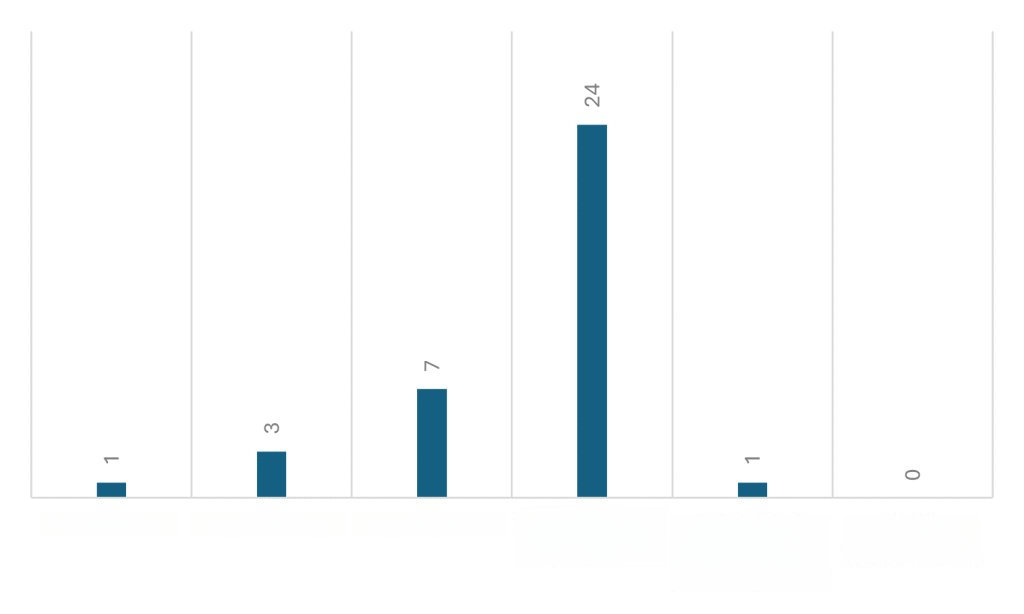
Figure 1. How long had the participant worked at the company
Source: Original survey results
From Figure 2, which shows how long respondents had been in a leadership position, it was possible to ascertain that, despite most of them having worked at the company for over five years, the majority had been leaders for a short time. Thus, it was observed that 14 had been performing the duties of a leader for up to two years.
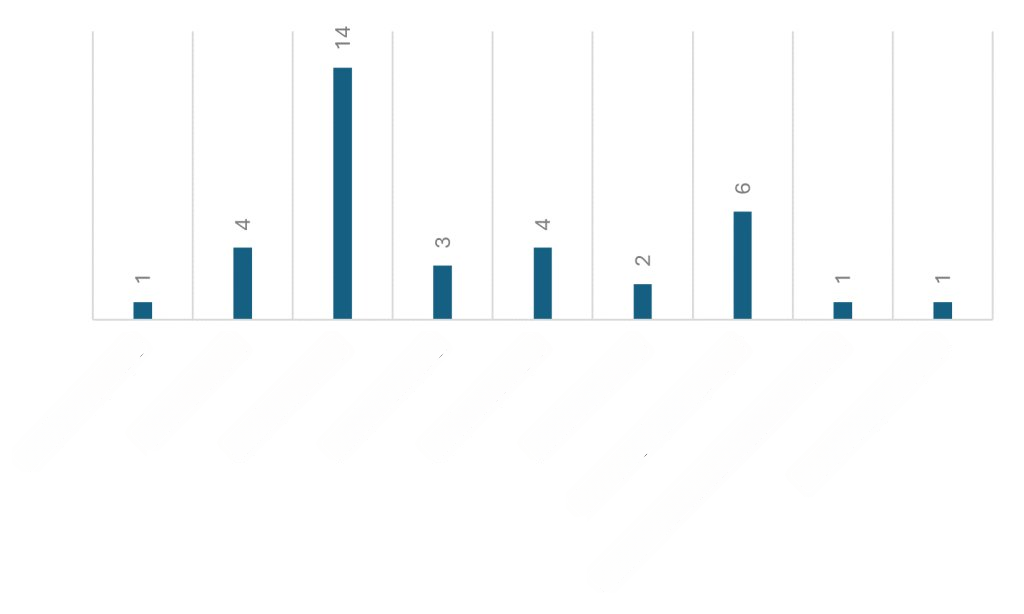
Figure 2. How long has the participant held the leadership position
Source: Original research results.
Regarding the number of people respondents led at the time of the survey, Figure 3 shows that 11 led up to five people; eight, from six to ten people; five, from 11 to 15 people; four, more than 30 people; four, from 25 to 30 people; two, from 16 to 20 people; one, from 21 to 25 people; and one preferred not to answer.
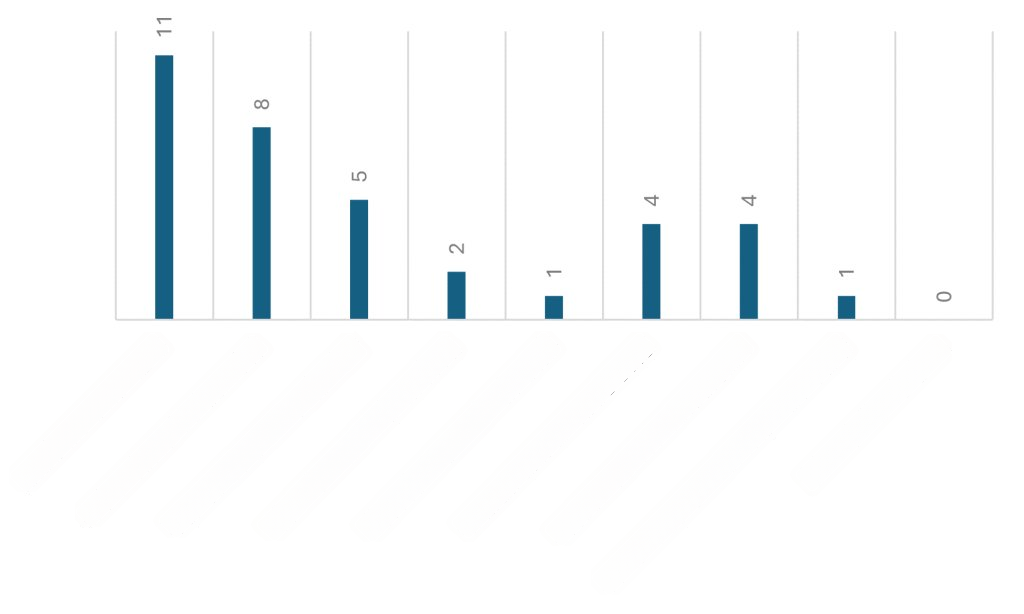
Figure 3. Number of people the participant led
Source: Original survey results
Initiating the section of questions about organizational culture, the following was stated to the participants: “‘The (nickname used to refer to the company’s collective of employees) is cool!’ is a good summary of the organization’s culture?”. The majority partially agreed with the statement (16), while eight leaders partially disagreed, one leader totally disagreed, and one leader did not answer the question. Only seven leaders fully agreed with the statement, as shown in Figure 4.
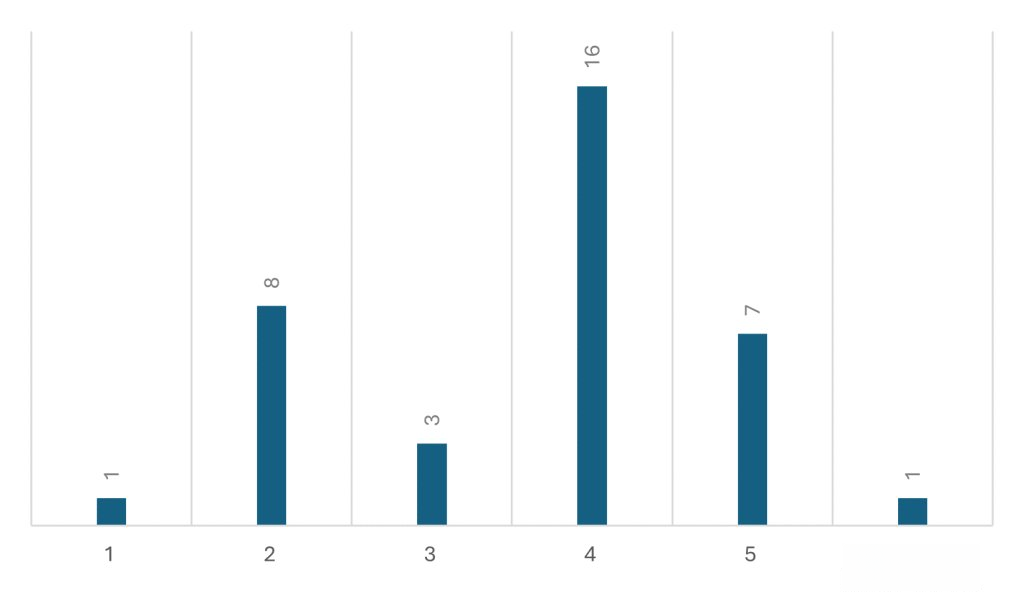
Figure 4. Participants’ positioning on the statement “The (nickname…) is cool” as a synthesis of the company’s organizational culture
Source: Original research results.
The data from Figure 4 demonstrated that the majority of leaders were misaligned with the maxim that represented the company’s organizational culture, as a minority fully agreed with it. This result could lead the company to take some paths to regain alignment, among them: dialoguing with leaders to rethink the maxim that represented the organizational culture; discussing better what it meant to be “cool” for the leaders, or even adding new terms that could encompass different perspectives on what it means to be an employee of the company.
Regarding the statement “Personal life imposes many challenges, and there are situations that cannot be foreseen and managed, therefore, I understand and am tolerant when my subordinates present low performance due to personal problems”, most (17) partially agreed, while eight leaders fully agreed and the same amount partially disagreed, as shown in Figure 5:
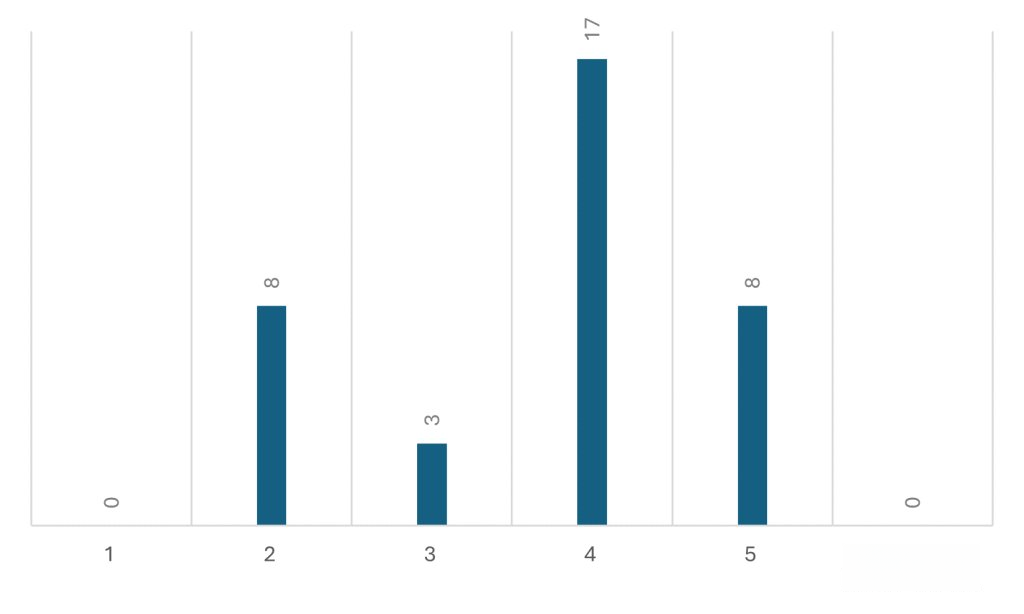
Figure 5. Positioning of participants in relation to being tolerant of subordinates’ low performance due to personal problems
Source: Original research results.
The results of this question indicated that the majority of leaders — 25 out of those who fully and partially agreed — showed agreement with the value of tolerance, one of the most repeated in the company’s code of ethics and conduct, thus evidencing cultural alignment. However, it is also important to pay attention to those who showed some misalignment with this value — that is, at least to the eight leaders who partially disagreed with the statement — to seek to understand the reason for the divergent opinion.
When confronted with the statement “I believe the company should respect each employee’s freedom of expression”, the majority (17) partially agreed, while eight leaders fully agreed and one leader did not answer the question. The number of those who neither disagreed nor agreed (seven) is noteworthy, expressing a neutral opinion on the subject, as shown in Figure 6.
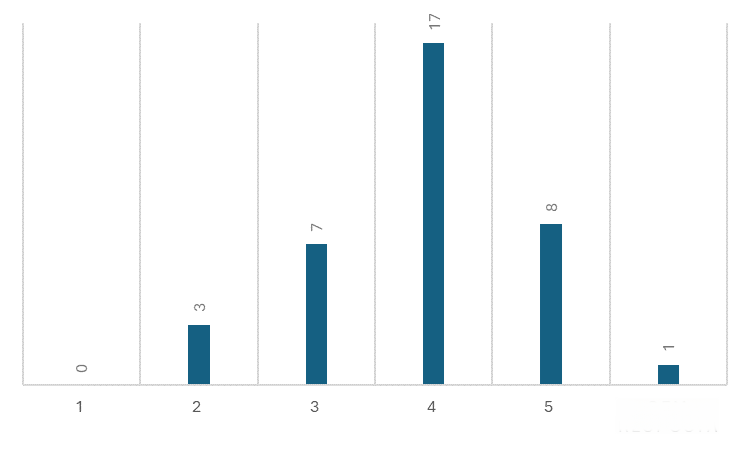
Figure 6. Positioning of participants in relation to respect for collaborators’ freedom of expression
Source: Original research results.
These results demonstrated a considerable cultural alignment of leaders with the value of respect, the one that was most repeated in the company’s code of ethics and conduct. On the other hand, the number of neutral opinions about this value served as a warning to the company, in the sense of evaluating how these leaders could better understand how essential the value of respect was to their organizational culture.
Regarding the following statement “At work, I deal with complex problems that require good analytical skills for decision-making, therefore, I believe exceptional measures can be taken in exceptional situations”, the vast majority (31 leaders) partially or fully agreed, while none of them fully disagreed and only one partially disagreed (Figure 7).
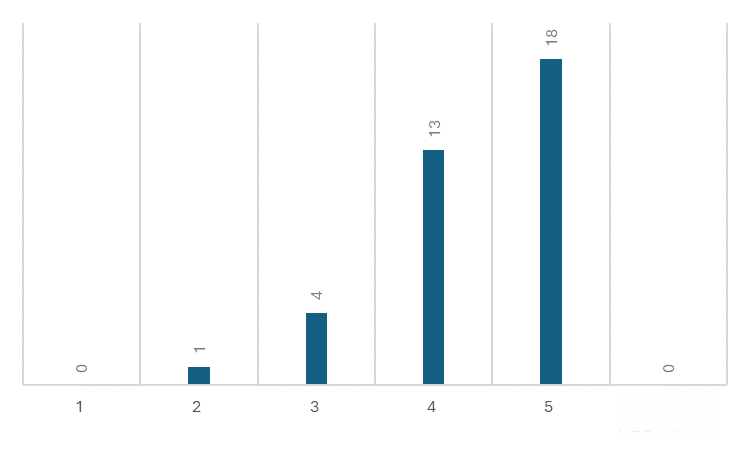
Figure 7. Positioning of participants on taking initiative in necessary situations
Source: Original research results.
Given this, it was possible to identify that the value of the initiative was widely shared by the leaders, confirming a cultural alignment with the institution.
Finally, regarding the statement “My stance towards a subordinate who shares confidential information outside the workplace is to warn about the seriousness of the mistake and guide them so that it does not happen again”, 28 leaders fully agreed, characterizing the highest rate of agreement with a statement among the others already presented (Figure 8).
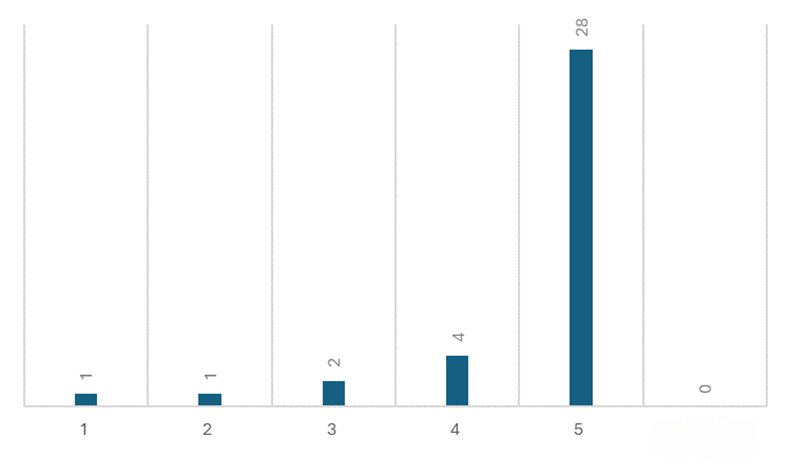
Figure 8. Positioning of participants on warning a subordinate about sharing confidential information
Source: Original research results.
This data demonstrates a strong cultural alignment with the value of responsibility, especially regarding the sharing of confidential information, which is emphasized in the institution’s code of conduct.
In summary, based on the results obtained, it was possible to identify that, in general, the leaders of the studied company were aligned with its organizational culture, which was demonstrated above all by the strong alignment with the values of responsibility and initiative, and the satisfactory alignment with the values of respect and tolerance.
It was concluded, therefore, that despite the leaders presenting strong cultural alignment, there were points of attention that could be targets for improvement to further increase the level of cultural alignment between the leaders and the studied organization in the future. Furthermore, it was considered that the results of this research could broaden the discussion of the topic within the company, mainly by offering information that could support new research initiatives aimed at understanding the prominent leadership styles in the organization in question.
References
[1] Rodriguez C.V.O.; Tomei P.A.; Serra B.P.C. Alinhamento pessoa-organização (P-O “FIT”) e engajamento: um estudo de caso. Iberoamerican Journal Strategic Management (IJSM). 2020; 19(1): 128-148. DOI: 10.5585/riae.v19i1.15899.
[2] Silva L.M.T.; Albuquerque L.G.; Costa B.K. O alinhamento estratégico entre cultura organizacional e estratégias de gestão de pessoas. Revista Eletrônica de Ciência Administrativa (RECADM). 2009; 8(2): 159-173. DOI: 10.5329/RECADM.20090802004.
[3] Russo G.M.; Tomei P.A. Análise do alinhamento cultural de uma organização: um estudo de caso da Arfco. Gestão Planejamento. 2014; 15(2): 382-409. Disponível em: https://revistas.unifacs.br/index.php/rgb/article/view/2735.
[4] Banov M.R. Recrutamento e seleção com foco na transformação digital. 5ed. São Paulo: Atlas; 2020.
[5] Barreto L.M.T.S.; Kishore A.; Reis G.G.; Baptista L.L.; Medeiros C.A.F. Cultura organizacional e liderança: uma relação possível? Revista de Administração. 2013; 48(1): 34-52. DOI: 10.5700/rausp1072.
[6] Celestino S. O líder transformador: como transformar pessoas em líderes. São Paulo: Cengage Learning; 2017.
[7] Demo G.; Fernandes T.; Fogaça N. A influência dos valores organizacionais na percepção de políticas e práticas de gestão de pessoas. Revista Eletrônica de Administração (REAd). 2017; 86(1): 89-117. DOI: 10.1590/1413-2311.093.57040.
[8] Nunes J.R., Mota E.P. Análise das características para a formação de líderes em uma gestão estratégica. Revista IPecege. 2015; 1(3/4): 93-125. DOI: 10.22167/r.ipecege.2015.3-4.93.
[9] Gerhardt T.E.; Silveira D.T. Métodos de pesquisa. Porto Alegre: UFRGS; 2009.
[10] Schneider E.M.; Fujii R.A.X.; Corazza M.J. Pesquisas quali-quantitativas: contribuições para a pesquisa em ensino de ciências. Revista Pesquisa Qualitativa. 2017; 5(9): 569-584. Disponível em: https://editora.sepq.org.br/index.php/rpq/article/view/157. Acesso em: 14 de maio de 2024.
[11] Broilo P.L; Silva R.G.S.; Frio R.S.; Olea P.M.; Nodari C.H. Abordagens mistas na pesquisa em administração: uma análise bibliométrica do uso de multimétodos no Brasil. Administração: Ensino e Pesquisa. 2015; 16(1): 9-39. DOI: 10.13058/raep.2015.v16n1.199.
[12] Oliveira A.V.; Cardoso J.N.M.; Brito L.S.; Souza M.C. Fundamentos da pesquisa em gestão de pessoas: observando oportunidades de investigação. Revista Científica da Ajes. 2018; 7(15): 1-17. Disponível em: https://revista.ajes.edu.br/index.php/rca/article/view/174. Acesso em: 14 de maio de 2024.
[13] Garcia, M. et al. Usos da pesquisa documental em estudos sobre Administração Pública no Brasil. Teoria e Prática em Administração, 2016; 6(1): 41-68. DOI: 10.21714/2238-104X2016v6i1-25211.
[14] Marconi M.A.; Lakatos E.M. Fundamentos de metodologia científica. 9ed. São Paulo: Atlas; 2021.
[15] Bermudes W.L.; Santana B.T.; Braga J.H.O.; Souza P.H. Tipos de escalas utilizadas em pesquisas e suas aplicações. Vértices. 2016; 18(2): 7-20. DOI: 10.19180/1809-2667.v18n216-01. [16] Mozzato A.R.; Grzybovski D. Análise de conteúdo como técnica de análise de dados qualitativos no campo da administração: potencial e desafios. Revista de Administração Contemporânea. 2011; 15(4): 731-747. DOI: 10.1590/S1415-65552011000400010.
[16] Mozzato A.R.; Grzybovski D. Análise de conteúdo como técnica de análise de dados qualitativos no campo da administração: potencial e desafios. Revista de Administração Contemporânea. 2011; 15(4): 731-747. DOI: 10.1590/S1415-65552011000400010.
Como citar
Dilio E.A.; Maria G.P. Alinhamento cultural entre organização e lideranças no setor da educação. Revista E&S. 2024; 5: e20240017.
Sobre os autores
Érika Alves Dilio , Especialista em Gestão de Pessoas pela Universidade de São Paulo (USP-ESALQ) –– Avenida Pádua Dias, 11 – São Dimas – CEP 13418-900 – Piracicaba/SP, Brasil.
Guilherme Pinheiro Maria, Orientador do curso de MBA em Gestão de Pessoas (USP-ESALQ) e doutorando em Administração pela Universidade Federal do Espírito Santo (UFES) – Campus Goiabeiras – Avenida Fernando Ferrari, 514 – CEP 29075-910 – Vitória/ES, Brasil.