
Sport
Leadership
Soft Skills
January 18, 2023
Relationship between Leadership and the practice of Martial Arts
DOI: 10.22167/2675-6528-20230002
E&S 2023,4: e20230002
Mario Cesar Martins e André Luíz Ferreira
A leader can both motivate and demotivate a team through their attitudes, strategies, and adopted communication approach. By working directly with people, a good leader must develop the ability to clarify objectives for their subordinates, as well as the paths to be followed to conduct activities, in order to bring benefits to the organization in which they work[1], [2], [3], [4].
Top-performing leaders do not rely on a single leadership style; instead, they draw on different styles depending on the situation. For example: in a crisis, they use the coercive style; when changes require a new vision, the style is the authoritative; when aiming to motivate people, the style is affiliative; to gain input from valuable employees, the democratic style; to achieve results from a highly motivated and competent team, the pacesetting style; and to help an employee improve their performance, the coaching style[5].
There are several experiences, training, and life events that can contribute to the development of leadership behaviors. Among such experiences, the practice of Martial Arts can be cited. The authors Costa[5] and Lacrose and Nunes[6] demonstrated that Martial Arts can impact the reduction of aggressiveness in adolescents in Physical Education classes, thus contributing to students’ self-control and their formation as citizens, or even as a tool for human development.
In general, some psychological characteristics perceived in Martial Arts practitioners coincide with those pointed out in martial literature, such as increased concentration, self-confidence, and self-control, development in social skills, and, mainly, mutual respect. All these characteristics are aspects advocated by many masters, such as Gichin Funakoshi, the main promoter of Martial Arts throughout the Japanese archipelago, leaving Shotokan Karate as a legacy. Still regarding psychological aspects, the practice of Martial Arts has indicated a positive effect in reducing levels of anxiety, depression, and stress, potentially preventing Burnout Syndrome and procrastination.
Although it has the potential to promote such behaviors, studies involving the theme of the relationship between the practice of Martial Arts and the development of leadership skills are not so common in the literature. Thus, initially, with an exploratory investigation, it is possible to conduct an opinion poll by listening to people who have, or have had, this experience to verify if they believe that the practice of Martial Arts can contribute to the development of leadership skills.
Given this, the objective was to analyze whether the practice of Martial Arts, allied with its philosophy, can become an important tool to assist in the formation and development of leaders in the organizational environment.
The research assumed an exploratory approach, being the type of study that seeks to provide greater understanding of a given problem[7]. For the approach to the problem, quantitative and qualitative research was adopted, with no statistical tests performed on the collected data[8].
The research took place in an online environment, through the application of a semi-structured questionnaire via the Google Forms platform. Three sections were developed, the first relating to social characteristics and respondent profile, such as age, gender, region, marital status, family composition, and education level. The second section addressed the relationship between leadership and sports practice, with the leader’s central role in relation to the people and environments involved, and for the third section, the relationship between the practice of Martial Arts and leadership development was addressed.
The survey was released on September 10, 2021, and closed on September 30 of the same year, remaining available to be answered for twenty days. Once the response collection period ended, the data were organized, tabulated, and prepared for analysis.
The respondents’ completion of the questionnaire was carried out through targeted selection of sports and Martial Arts practitioners, with the quantity of respondents for each section of the questionnaire being obtained through an elimination process, with the first section comprising 369 (three hundred and sixty-nine) respondents. It should be noted that this section functioned as a filter for the subsequent section, where only respondents who declared that practicing sports is important for the formation of a leader proceeded to the second section.
In the second section, which explored the respondents’ sports experiences, 40 (forty) respondents were counted among the 127 (one hundred and twenty-seven) who declared that they believe that sport or collective activities are important for the formation of a leader. This stage was also eliminatory, considering that only those who responded that they practice some type of Martial Art, totaling 15 (fifteen) respondents, advanced to the third section.
The direction and selection of the survey respondents was fundamental for measuring the level of awareness of Martial Arts practitioners regarding the importance of practicing them in the development of leaders in organizations.
Initiating the analysis of the obtained results, regarding the age range of the respondents, the majority (135 participants; 36.6%) are between 42 and 49 years old, followed by people aged 50 or over (128 participants; 34.7%), then respondents in the 34 to 41 age range (61 participants – 16.5%) and, a smaller number of respondents below 34 years old (32 participants between 26 and 33 years old – 8.7% – and; 13 participants between 18 and 25 years old – 2.43% –) (Figure 1a). Regarding the region where they live, the majority belong to the Southeast Region (314 participants; 85.10%), followed by people who are abroad (25 participants; 6.8%) and in the Center-West Region (12 participants; 3.3%), while for the other respondents, they are distributed among the South (9 participants, 2.4%), North (7 respondents; 1.9%), and Northeast (2 participants; 0.5%) regions (Figure 1b).
Regarding marital status, the majority of respondents were married (257 participants; 69.60%), followed by single (64 participants; 17.3%), divorced (39; 10.6%), and, in smaller numbers, widowed (9 participants; 2.4%) (Figure 1c). Regarding the number of children, the majority of respondents stated they have two children (118; 32.0%). Of the remainder, 94 participants have one child (25.5%), 29 have three children (7.9%), 6 have four or more children (1.6%), and 84 participants have no children (22.8%). It should be noted that 38 participants (10.3%) did not answer this question (Figure 1d).
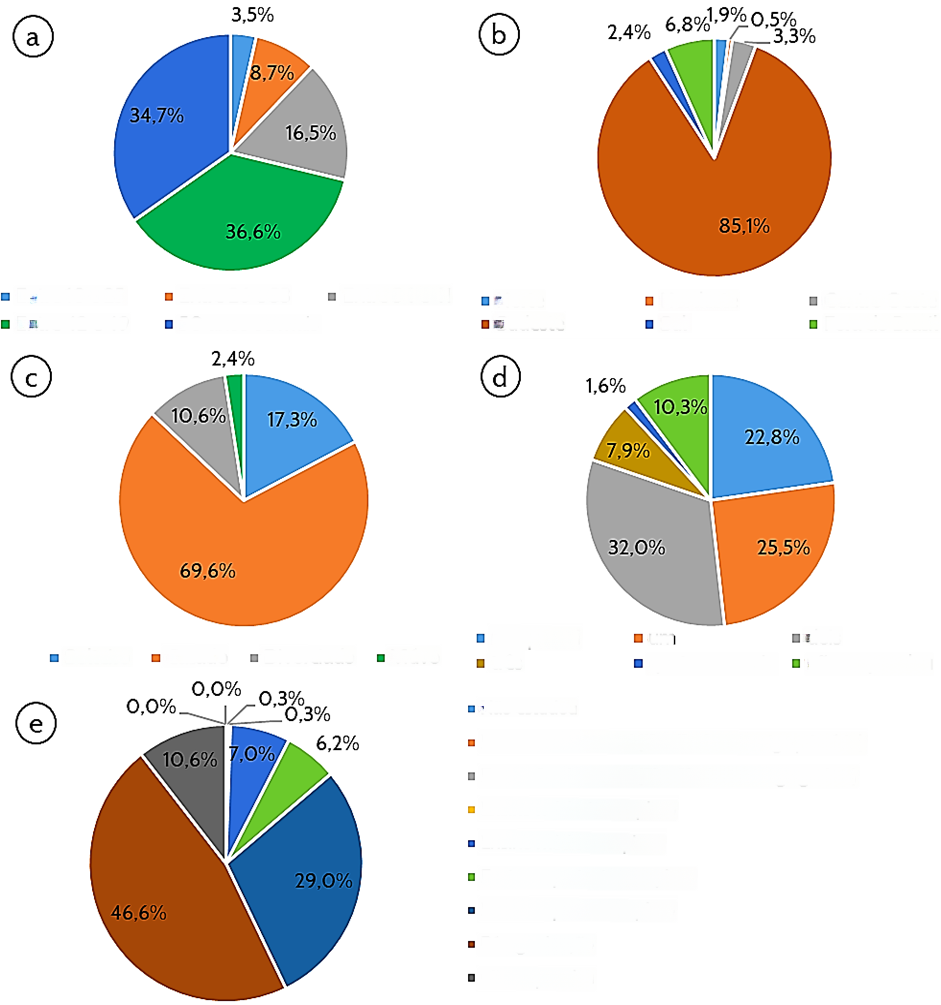
Figure 1. Profile of respondents of the survey on the influence of martial arts practice on leadership development
Note: a = Age range of respondents; b = region of residence; c = marital status of respondents; d = number of children; e = level of education
Source: Elaborated by the author
Regarding the level of education, it was found that the majority of respondents have postgraduate degrees (172; 46.6%), followed by 107 who have completed higher education (29.0%), 26 participants have completed high school (7.0%), 23 individuals have incomplete higher education (6.2%), and 1 participant reported having completed elementary school (0.3%), the same percentage as those with incomplete high school. It should be noted that 39 respondents did not answer this question (10.6%) (Figure 1e).
Identifying the profile of the respondents is important in opinion surveys, being fundamental to know the context of the people who participate by providing answers. It was possible to perceive that they are people with more life experience, which leads to a higher probability of encounters with different leaders in their professional journey. Seeking to analyze the respondent’s perception of the leader’s role with their team, nine multiple-choice questions were developed, measuring the degree of agreement with the presented statement, graded as follows: totally disagree (1); disagree (2); neither disagree nor agree (3); agree (4); totally agree (5) (Table 1). From these questions, it was possible to establish a ranking of the leader and their role in teams, highlighting that each respondent could choose more than one option.
Table 1. Statements and agreement on the role of the leader within work teams in organizations
| Statement | (1) | (2) | (3) | (4) | (5) |
| _________________%________________ | |||||
| 1. It is the leader’s central role to promote cooperation instead of competition among employees. | 0,5 | 0,8 | 4,9 | 43,1 | 50,7 |
| 2. It is the leader’s central role to promote competition instead of cooperation among employees. | 42,8 | 41,7 | 7,6 | 4,1 | 3,8 |
| 3. The well-defined hierarchy is important to maintain harmony in the workplace. | 1,4 | 6,8 | 14,1 | 55,0 | 22,8 |
| 4. Leadership programs must be focused on the organization’s future challenges. | 0,5 | 3,5 | 13,0 | 64,2 | 18,7 |
| 5. The leader of the future must know how to lead at a distance (virtual teams). | 0,0 | 1,9 | 4,3 | 51,5 | 42,3 |
| 6. The leader must earn the team’s respect through their attitudes and not just their technical knowledge. | 0,0 | 0,8 | 2,4 | 41,2 | 55,6 |
| 7. The team must respect the leader for his technical knowledge and his hierarchical position, regardless of his attitudes. | 21,4 | 45,5 | 11,9 | 19,2 | 1,9 |
| 8. A leader’s development is made through exposure to and challenges of different complexities. | 0,0 | 2,2 | 13,6 | 63,1 | 20,9 |
| 9. A good leader must know how to deal with differences, without prejudice, drawing out the maximum potential that exists within each person. | 0,0 | 0,0 | 0,0 | 33,3 | 66,7 |
Source: Elaborated by the author
It is interesting to note that the majority of respondents highlighted that the leader should not promote competition among subordinates; on the contrary, it can be inferred that cooperation should be encouraged within the leadership role. Another point of emphasis in the disagreement of the majority of respondents (66.9%) was respecting the leader’s figure due to their hierarchical position, or even their technical knowledge, which allows us to infer that in the current scenario, soft skills (behavioral skills) are fundamental for the good management of teams (Table 1).
Regarding the points of agreement most indicated by respondents (Table 1), the statement that generated the highest response rate was that “A good leader must know how to deal with differences, without prejudice, drawing out the maximum potential that exists within each person” with a total agreement. For the other questions asked, all obtained a response rate of over 84% agreement, which shows that leaders need to be concerned with factors related to the organization, such as future challenges and organizational structure, as well as relationships between collaborators. When asked about the essential factors a leader should possess, respondents were asked to point out 4 of them. After collecting the responses, it was found that, in the organizational context, the most chosen were “having solidity of character and coherence in their attitudes”, followed by “knowing how to deal with complexity and change”, “developing oneself and one’s subordinates”, and “having a broad business vision” (Figure 2). Thus, evidencing that the leader’s image must be treated with attention, it being perceived that, by being a person in the spotlight, they are constantly under evaluation by their subordinates in their attitudes and decision-making capacity.
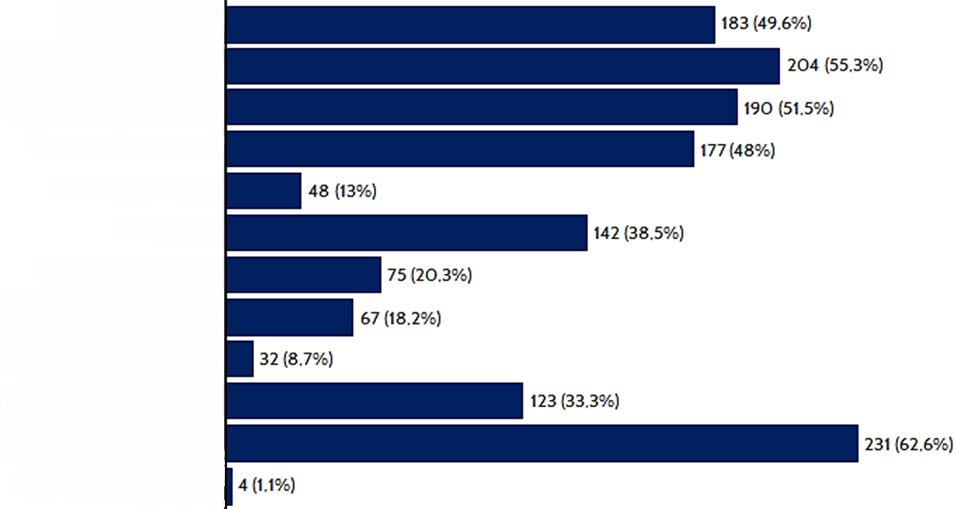
Figure 2. Essential behavioral and technical factors that the leader must have in an organization
Source: Elaborated by the author
The leader, being in a prominent position, is observed by the team in their work routine. However, not only internal activities but also their external activities to the organization can be considered important in the leader’s formation and image. Respondents were asked about external factors to the organization, considered important for the leader’s formation, allowing the choice of up to 3 factors (Figure 3). In the responses obtained, having self-awareness, experience in leadership positions, and having general knowledge were the 3 most recurrent answers. Regarding sports practice, one-third of respondents considered it important in the leader’s formation process.
Of the 127 respondents who listed sports practice in the formation of a leader, those who considered this aspect one of the most important were selected, resulting in 40 participants who proceeded to the second part of the research.

Figure 3. External factors considered important for leadership development, choice of the 3 factors considered most important
Source: Elaborated by the author
The participants in the second part of the survey were asked about the sports they practice or have practiced. Of the 5 most indicated sports, it was found that the majority of respondents declared practicing ball sports (22 participants; 55%), followed by gymnastics (17 participants, 42.5%), water sports (16 participants, 40%), martial arts practice (14 participants, 35%), and athletics (8 participants, 20%). A wide variety of sports practiced could be perceived, which was advantageous for the research as it brought different views in various sports fields and philosophies that could influence leadership (Figure 4).

Figure 4. Sports practiced or previously practiced by the survey respondents
Source: Prepared by the author
Not only the variety of sports, but also the time practiced was asked to the respondents, obtaining that the majority affirmed practicing for more than 6 years (29 participants; 72.50%), 3 (three) individuals between 4 and 6 years (7.50%), 4 (four) respondents between 2 and 4 years (10%), the same percentage as those who reported dedicating themselves to sports between 1 and 2 years (Figure 5). In this way, the selected respondents who indicated sport as important for leadership development had a good amount of time involved in activities, bringing greater assertiveness to the answers and points raised about leadership development and its relationship with sports practice.
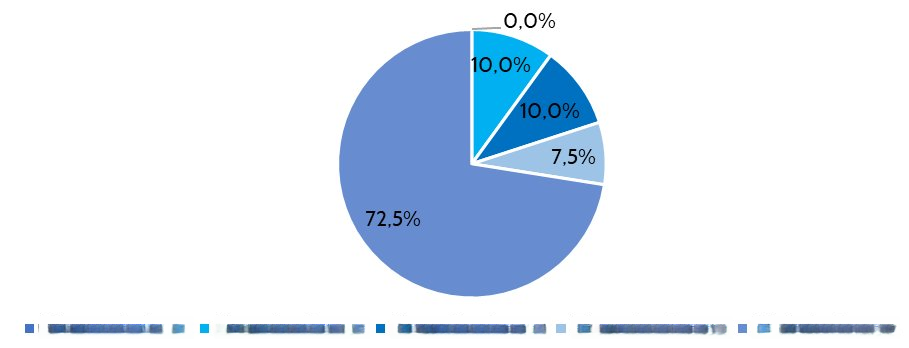
Figure 5. Time dedicated to sports with declared practice by the survey respondents
Source: Prepared by the author
Within the participants’ perception of the benefits of sports practice for their own development, they were asked about the characteristics that respondents believed they did not possess and that sports practice helped them develop. Among the responses obtained, 30 individuals reported self-confidence (75% of respondents), followed by self-control with 24 responses (60%), and cooperation with 23 responses (57.5%) (Figure 6). Upon analyzing the data, it was observed that the characteristics reported as developed converge on the same points raised about important aspects of leadership (Figure 2).

Figure 6. Characteristics that can be developed with sports practice
Source: Elaborated by the author
Seeking to measure respondents’ perception of the relationship between leadership and sports practice, nine multiple-choice questions were developed, measuring the degree of agreement with the presented statement, graded as follows: totally disagree (1); disagree (2); neither disagree nor agree (3); agree (4); totally agree (5) (Table 2). It was observed that all statements related to good leadership had agreement regarding sports practice.
Table 2. respondents’ perception of the relationship between leadership and sports practice
| Statement | (1) | (2) | (3) | (4) | (5) |
| _______________%_______________ | |||||
| 1. Practicing sport(s) allows the development of self-knowledge. | 0,0 | 0,0 | 2,5 | 52,5 | 45,0 |
| 2. Practicing sport(s) allows one to feel comfortable with diversity and differences of opinion. | 0,0 | 0,0 | 15,0 | 60,0 | 25,0 |
| 3. Practicing sport(s) helps to deal with conflicting situations and resolve them peacefully. | 0,0 | 2,5 | 7,5 | 62,5 | 27,5 |
| 4. Practicing sports stimulates better handling of emotions, both positive and negative. | 0,0 | 0,0 | 0,0 | 50,0 | 50,0 |
| 5. Sports practice helps to make less impulsive decisions . | 0,0 | 2,5 | 25,0 | 52,5 | 20,0 |
| 6. The practice of sports provides opportunities to develop other people. | 0,0 | 0,0 | 7,5 | 52,5 | 40,0 |
| 7. The practice of sports contributes to performance in leadership positions. | 0,0 | 2,5 | 10,0 | 52,5 | 35,0 |
Source: Elaborated by the author
Regarding the results presented in Table 2, the statement that generated the highest agreement was “practicing sports stimulates better coping with emotions, both positive and negative,” with 100% of the responses, a characteristic sought in leadership, since leading teams and making decisions requires self-control and analysis. For the other questions asked, all obtained a response rate higher than 70%.
The planning of this section of the questionnaire considered the insertion of characteristics related to leadership, verifying the respondents’ agreement, which showed that for the sampled participants, sports practice brings a series of qualities related to leadership.
Seeking to measure respondents’ perception of the relationship between leadership and the practice of Martial Arts, nine (9) multiple-choice questions were developed, measuring the degree of agreement with the presented statement, graded as follows: totally disagree (1); disagree (2); neither disagree nor agree (3); agree (4); totally agree (5) (Table 3). Both data related to sports practice and that related to Martial Arts showed a majority agreement regarding the development of leaders.
Table 3. Respondents’ perception of the relationship between leadership and the practice of Martial Arts
| Statement | (1) | (2) | (3) | (4) | (5) |
| _______________%_______________ | |||||
| 1. A martial artist has access to learning fundamental skills for building a good leadership profile. | 0,0 | 0,0 | 6,7 | 40,0 | 53,3 |
| 2. Martial arts have a defined program of technical development. | 0,0 | 0,0 | 0,0 | 60,0 | 40,0 |
| 3. Martial arts are important tools for the development of interpersonal relationship skills. | 0,0 | 0,0 | 6,7 | 46,7 | 46,7 |
| 4. Martial arts are tools that can contribute to the formation and cohesion of a group | 0,0 | 0,0 | 6,7 | 33,3 | 60,0 |
| 5. Martial arts promote self-knowledge through stressful situations. | 0,0 | 0,0 | 0,0 | 53,3 | 46,7 |
| 6. Martial arts prepare the practitioner to develop solutions in seemingly dead-end situations. | 0,0 | 0,0 | 0,0 | 60,0 | 40,0 |
| 7. Martial arts prepare practitioners for discipline and focus. | 0,0 | 0,0 | 0,0 | 26,7 | 73,3 |
| 8. Martial arts enhance in their practitioners the sensitivity and perception of relationships in conflict situations. | 0,0 | 0,0 | 0,0 | 53,3 | 48,7 |
| 9. Martial arts enhance the teaching-learning process by provoking experiences in stressful situations and physical contact. | 0,0 | 0,0 | 0,0 | 53,3 | 46,7 |
| 10. The martial artist increases their empathy by going through the same experiences in difficult situations of overcoming. | 0,0 | 0,0 | 6,7 | 53,3 | 40,0 |
| 11. The martial artist is constantly provoked to master his emotions. | 0,0 | 0,0 | 6,7 | 46,7 | 46,7 |
| 12. The martial artist is trained to listen, thus improving their non-violent communication. | 0,0 | 0,0 | 6,7 | 53,3 | 40,0 |
| 13. Through sparring, the martial artist learns to make decisions at the right times, reducing anxiety. | 0,0 | 0,0 | 6,7 | 53,3 | 40,0 |
Source: Elaborated by the author
It can be perceived that, for the research participants, Martial Arts assist in the development of a series of interpersonal and self-knowledge skills, in order to provide people with characteristics linked to leadership and self-control to solve problem situations. Through the activities practiced in Martial Arts during classes, developing mental concentration, the appropriate attitude in the face of experienced situations, character, self-knowledge, self-confidence, and self-control are some of the characteristics worked on in this modality, based on observations and experiences lived by the respondents.
It is important to emphasize that the practice of Martial Arts can develop leadership in various aspects within organizations, such as Change Management, Potential Assessment in the succession process, Non-violent Communication, Leadership and the Feminine, Adjustment of Organizational Culture, among many others. Thus, both leaders and collaborators need periodic training for the process to occur effectively, and such training should be increasingly enhanced and deepened to present positive yields and results. In this way, it is necessary for training to occur periodically, always planned according to the phases in which each area and individual are.
The main results obtained using the adopted research methodology were that the practice of Martial Arts, considering elements explored within it, such as integrity, perseverance, self-control, and cooperation, can contribute to the formation of a leader, to the extent that leadership can be an innate gift, but also a skill that can be learned and developed. Therefore, the conclusion reached is that it is not enough for a person to have titles, courses, and certificates to be considered a leader. Although technical skills (hard skills) are important, it is also necessary for the leader to develop behavioral skills (soft skills), so that a good leader is one who cares for and respects the members of their team and is concerned with the development of people, aspects worked on through sports practice, such as Martial Arts.
References
[1] Charan R. O líder criador de líderes. A gestão de talentos para garantir o futuro e a sucessão. 2008. Elsevier, São Paulo, SP, Brasil.
[2] Chiavenato I. Administração nos novos tempos. 2ed. 2010.Campus, Rio de Janeiro, RJ, Brasil.
[3] Chiavenato I. Gestão de pessoas: o novo papel dos recursos humanos nas organizações. 4ed. 2014. Manole, Barueri, SP, Brasil.
[4] Bergamini C.W. Motivação nas organizações. 6ed. 2013. Atlas, São Paulo, SP, Brasil.
[5] Costa C.F.T. Emoções e desempenho de atletas do jiu-jítsu brasileiro: a arte suave em foco [Tese]. Aracaju: UNIT; 2020.
[6] Lacrose F.L; Nunes S.A.N. Artes marciais e desenvolvimento humano. Uma revisão de literatura. Revista Digital. Buenos Aires. 2015; 19(202):1-5.
[7] Lakatos E.M.; Marconi M.A. Metodologia científica. 6ed. 2011. Atlas, São Paulo, SP, Brasil.
[8] Goldemberg M. A arte de pesquisar: como fazer pesquisa qualitativa em ciências sociais. 2011. Record, Rio de Janeiro, RJ, Brasil.
Como citar
Martins C.M.; Ferreira A.L. Relação entre Liderança e a prática de Artes Marciais. Revista E&S. 2023; 4: e20230002.
Sobre os autores
Mario Cesar Martins, Administrador e Profissional de Educação Física, Especialista em Gestão de Pessoas, São Paulo, SP, Brasil.
André Luíz Ferreira, Doutor em Psicologia, Professor de ensino superior, Piracicaba, SP, Brasil.
Link para download: https://cms.revistaes.com.br/wp-content/uploads/2023/01/ES_23002-1.pdf