
School Management
September 09, 2026
Intra-team Conflict Management in the School Environment: from Planning to Cooperation and Results
Eduarda Conceição Paulino; Marilda Aparecida Soares
DOI: 10.22167/2675-6528-202602202
Article derived from a Final Course Work (TCC), with content based on the student’s original work and adapted to the editorial format of the Revista E&S with the support of the ResumeAI tool, an artificial intelligence solution developed by the Pecege Institute for textual synthesis and organization.
Abstract
The school environment is constituted as a space of intense human interactions, in which conflicts between professionals can emerge as recurring phenomena that impact the organizational climate and pedagogical work. It was understood how intra-team conflicts influenced school management, cooperation among professionals, and the organizational climate, proposing reflections and applied implications for the performance of school leadership. The research was developed from a qualitative approach, of an exploratory and descriptive nature, with descriptive-quantitative support. An electronic questionnaire was used as the main instrument, applied to professionals from public and private schools located in the North Zone of Rio de Janeiro. The collected data were analyzed through content analysis, allowing the identification of patterns related to cooperation, communication, clarity of responsibilities, professional recognition, and conflict mediation methods. The results indicated that, in both networks, partial cooperation prevailed, with a significant presence of communication noise and absence of systematic mediation practices, especially in the public sector. It was also observed that professional recognition occurred sporadically for a significant portion of the participants, negatively influencing motivation and the organizational climate. It was concluded that intra-team conflicts, when not mediated in a structured manner, compromise work relationships and cooperation, while integrated mediation, communication, and recognition practices are configured as essential strategies for strengthening school management and collaborative culture.
Keywords: Organizational climate; Intra-team conflicts; Professional cooperation; School management; Conflict mediation.
1. Introduction
The school environment, recognized as a crucial space for human and social development, is inherently susceptible to tensions and conflicts among the professionals who work in it. Democratic and participatory school management, as defended by Paro (2007), is essential, given that the absence of dialogue and cooperation can weaken both the organizational climate and pedagogical results. Lück (2009) complements that effective leadership directly influences team cohesion and work quality, requiring the manager to have the ability to articulate people, processes, and objectives.
From the perspective of group dynamics, conflicts are an inevitable part of human relations and, when adequately mediated, can become learning opportunities. However, challenges such as lack of trust, communication noise, and misaligned expectations often hinder cooperation. Guedes (2018), Fontana and Gomes (2019), and Custódio (2020) highlight that intra-team conflicts often emerge from divergences in values, pedagogical beliefs, or management practices. When these situations are not addressed dialogically, they tend to compromise the work environment and team performance. Dias (2019) and Araújo (2020) reinforce that the absence of adequate mediation can intensify internal tensions and directly affect the school’s organizational climate.
In this context, school management assumes a strategic role in conflict mediation and the promotion of collaborative environments. Lück (2009) and Paro (2007) emphasize management’s responsibility in creating conditions for dialogue, healthy interpersonal relationships, and a democratic culture based on participation, mutual respect, and active listening. Furthermore, institutional documents such as the Practical Guide to Conflict Mediation in Schools (CNMP, 2021) and the Conflict Management Guide for Teams (UNIPAMPA, 2021) reinforce that systematic practices of mediation and assertive communication are fundamental for conflict prevention and strengthening dialogue in the educational environment.
Another significant factor contributing to the chaining of conflicts is the lack of professional recognition, which compromises motivation, generates dissatisfaction, and impacts team productivity. Martins and Machado (2020) and Jesus (2019) identified that professional recognition and a sense of appreciation are closely linked to the well-being and retention of employees in the school environment. Fontana and Gomes (2019) argue that the absence of symbolic and institutional recognition weakens the affective bond with work, resulting in demotivation and increased internal tensions. Thus, leadership must prioritize not only results but also human development and people’s engagement, as they are the ones who effectively sustain organizational performance.
Faced with this scenario, it becomes highly relevant to investigate how intra-team conflicts affect school management, organizational climate, and consequently, the quality of pedagogical work. The theme gains even more importance when considering the direct or indirect impact of these relationships on student development, as a school facing constant tensions among its professionals can hardly build a stable, coherent, and affectively safe pedagogical environment for its students. Thus, this research sought to understand the nature of these conflicts, their causes, their effects, and their mediation possibilities, contributing to strengthening educational management and promoting healthier, more collaborative, and efficient work relationships. The central objective was to understand how intra-team conflicts manifest in the school environment and how they influence management, organizational climate, and cooperation among professionals, considering both the public and private school contexts, seeking to identify the factors associated with the emergence of these conflicts, analyze their repercussions on work relationships and professional recognition, and reflect on mediation, communication, and leadership practices capable of transforming such tensions into opportunities for institutional strengthening.
2. Material and Methods
The research was conducted with a qualiquantitative approach, of an exploratory and descriptive nature, based on a comparative analysis between two educational institutions. The study was carried out in two educational institutions located in the North Zone of the municipality of Rio de Janeiro, RJ, one from the public network and the other from the private network, both situated in areas close to regions of social vulnerability. The institutions were characterized only by the type of administration and general geographical location, preserving their formal identifications in accordance with the ethical guidelines for academic work.
The respondents were professionals who are part of the school staff of both institutions, including teachers, pedagogical coordinators, principals, pedagogical assistants, and other members of the administrative and educational teams. The selection of participants was non-probabilistic and by convenience, considering availability, interest, and institutional authorization. Only professionals actively involved in the daily life of the schools and directly engaged in team dynamics were included, aiming to reflect perceptions on intra-team conflicts, organizational climate, communication processes, and school leadership practices.
The data collection instruments included an electronic questionnaire, semi-structured interview guides, a field diary for direct observations, and the analysis of institutional documents. The electronic questionnaire, titled “Research Questionnaire – Management and Intra-team Conflicts in the School Environment”, was developed on the Google Forms platform and comprised 12 multiple-choice items and perception scales, in addition to a question for informed consent. This instrument addressed variables such as the school network, time and position of practice, perception of cooperation among teams, clarity of responsibilities, professional recognition practices, communication quality, conflict resolution methods, belief in the potential of conflicts for improvements, and evaluation of the organizational climate. The semi-structured interview guides were developed based on the theoretical framework of authors such as Paro (2007), Lück (2009), and Fontana and Gomes (2019). The field diary recorded direct observations during institutional visits, focusing on team interactions, work routines, and management practices. Institutional documents, such as internal regulations, coexistence norms, and human resources management documents, were analyzed upon formal authorization.
Data collection procedures began with contacts with the management teams of the institutions to present the research and request formal authorization. After authorization, meetings were scheduled with the participating professionals, in which the Free and Informed Consent Form (FICF) was presented, ensuring awareness of the objectives and procedures. Electronic forms were sent via a shared link, allowing for anonymous data collection. Direct observations were carried out during regular operating hours, focusing on daily interactions.
The data analysis was performed using the Content Analysis technique, as proposed by Bardin (2011), employing thematic categorization procedures to identify recurring patterns, meanings attributed by participants to conflict situations, and structural elements of organizational dynamics. The analysis encompassed three main dimensions: a) perceptions of intra-team conflicts (causes, manifestations, and consequences); b) aspects of organizational climate (communication, cooperation, trust, and professional alignment); and c) management and leadership practices (conflict mediation, professional recognition, and promotion of dialogue). The categories were constructed from a floating reading of the data, followed by coding and grouping into central themes. Although the design was predominantly qualitative, the instrument generated categorical responses that allowed for a descriptive-analytical reading of perceived trends. The use of the questionnaire was justified by the perspective that intra-team conflicts are phenomena perceived and experienced daily.
The research respected all ethical standards applicable to studies involving human beings. The participation of the respondent subjects was voluntary, preceded by clarification on objectives and procedures, with a guarantee of anonymity and confidentiality of the information provided.
3. Results and Discussion
The school environment, characterized by intense human interactions, is prone to intra-team conflicts that impact the organizational climate and pedagogical work. Understanding these conflicts requires recognizing that the school is a complex space, with multiple interactions, roles, and expectations. The effective participation of professionals in school decisions, according to Paro (2007), is a pillar for democratic environments. Limiting this participation, whether due to centralized management, deficient communication, or passive listening, creates tensions that qualify as structural conflicts, not just personal ones, but arising from the institutional organization.
Lück (2009) highlights that educational leadership acts as an articulator of human relations, and cooperation is not spontaneous, depending on intentionality, clarity of roles, and consistent communication. The absence of these elements can lead to silent conflicts, manifested in withdrawal, competition, and burnout. Guedes (2018), Fontana and Gomes (2019), and Custódio (2020) reinforce that many school conflicts arise from the lack of protocols and structured mediation practices, transforming trivial misunderstandings into larger disputes. Professional recognition, according to Martins and Machado (2020) and Jesus (2019), is fundamental, as its absence generates frustration, demotivation, and misinterpretations of conflicts.
The organizational climate, according to Dias (2019) and Araújo (2020), is a mediator of labor relations. Environments with fragile communication and lack of recognition tend to generate noise and distrust. Institutional documents such as the Guide to Mediation of Conflicts in Schools (CNMP, 2021) and the UNIPAMPA Booklet (2021) emphasize that mediation should be a preventive and institutional practice, not just reactive. The pedagogical coordinator’s role, as pointed out by Silva and Almeida (2020), is strategic in conflict mediation, bridging management and teaching staff. Lack of clarity regarding the limits and responsibilities of this function, according to Silva and Moreira (2021), can generate conflicts and task overlaps. Souza and Pereira (2019) and Souza (2020) highlight that the coordinator, by promoting collective listening and reflection, strengthens the collaborative culture and effective management, which requires socio-emotional competencies.
The articulation between school management and pedagogical coordination is central to a healthy organizational climate. When there is alignment, conflicts are addressed preventively; when there is distance or overlap of functions, communication noise and internal tensions are amplified. This perspective dialogues with the empirical findings of the research, which indicated perceptions of partial cooperation, weakened communication, and situational conflict resolution. Professional recognition, communication, and systematic mediation are essential to strengthen bonds and reduce tensions. The theoretical approach presented allows for understanding intra-team conflicts as expressions of broader institutional dynamics, requiring intentional, democratic, and formative action from school management.
Research type and general data characterization
The research sought to investigate how intra-team conflicts affect school management, organizational climate, and the quality of pedagogical work, analyzing perceptions of conflicts (causes, manifestations, consequences), aspects of organizational climate (communication, cooperation, trust, alignment), and management and leadership practices (mediation, recognition, dialogue). Data were collected through an electronic questionnaire administered to school context professionals, generating categorical responses that allowed for a descriptive-analytical reading of perceived trends.
32 respondents participated, with a balanced distribution between the Private Sector (53.1%) and the Public Sector (46.9%), which allowed for comparisons between the networks. Convenience sampling limits generalizations, but the results describe group trends. The use of the questionnaire aligns with the perspective that intra-team conflicts are phenomena perceived and experienced daily, manifesting in recurring tensions and communication noise (Guedes, 2018; Fontana and Gomes, 2019).
The research was conducted in two school institutions in the North Zone of Rio de Janeiro, one public and one private, both in areas of social vulnerability. The data evidenced a scenario of operation with tensions and noise, with partial cooperation, indicating opportunities for intervention through practices of conflict management, communication, and professional recognition (CNMP, 2021; UNIPAMPA, 2021).
The participant group demonstrated significant experience, with 31.2% working for 4 to 7 years and 31.2% for over 10 years. This composition enhances the credibility of the diagnosis, as professionals with long careers tend to recognize organizational patterns, while those with less time perceive integration and communication noise. There was a predominance of teachers (43.8%), followed by pedagogical assistants (15.6%) and coordinators (12.5%), which reflects teaching experience but may underrepresent management perspectives. The coexistence of new and veteran professionals, with 34.4% working for 1 to 3 years and 25% for less than 1 year in their current unit, may increase the risk of conflicts due to misalignment of expectations and work practices, according to Fontana and Gomes (2019).
Materials used, variables investigated, and central findings
The data obtained indicated that the school functions, but with noise, and conflict mediation tends to be situational, dependent on people, and not institutionalized. This pattern is central to the discussion with Lück (2009), Paro (2007), and institutional documents (CNMP, 2021; UNIPAMPA, 2021), which advocate for structured and preventive practices. The results are discussed below by axis, with comparisons by network.
Regarding cooperation among team members, 20 participants (62.5%) perceived the environment as partially cooperative, with communication noise. Another 5 (15.6%) rated it as slightly cooperative, 4 (12.5%) as very cooperative, and 3 (9.4%) as having no perceptible cooperation. When comparing networks, 70.6% of respondents from the Private Sector indicated a partially cooperative environment, while in the Public Sector, 53.3% indicated the same, but with a higher proportion of responses in the “slightly cooperative” (26.7%) and “no cooperation” (13.3%) poles. This suggests that cooperation is more fragile in the public sector, which may be related to more tense organizational conditions and the weakening of collective processes, in line with Lück (2009) and Paro (2007).
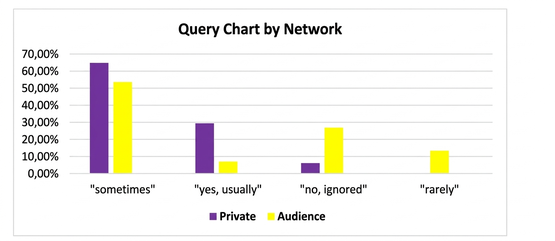
When asked about how conflicts are handled, 19 respondents (59.4%) said that this occurs “sometimes”, depending on the people involved. Only 6 (18.8%) stated that conflicts are generally resolved with dialogue and respect. On the other hand, 5 (15.6%) indicated that conflicts are ignored or poorly managed, and 2 (6.2%) reported that they are rarely dealt with constructively, causing discomfort.
Figure 1. Inquiry by Network, 2025
Source: Original research results
Figure 1 shows that, in the public sector, mediation fragility is expressive, with 40.0% of responses indicating that conflicts are “ignored” or “rarely” addressed. This finding corroborates Dias (2019) and Araújo (2020), who highlight that fragile mediation hinders learning and deteriorates the organizational climate, and Guedes (2018), who points to the escalation of untreated conflicts. The predominance of the response “it depends on the people” suggests non-institutionalized mediation, based on individual styles, which contradicts the defense of preventive and structured mediation by CNMP (2021) and UNIPAMPA (2021).
Regarding clarity of roles, recognition, communication, dispute resolution, and organizational climate, the results indicate that these variables are interdependent and affect cooperation and the way conflicts are experienced.
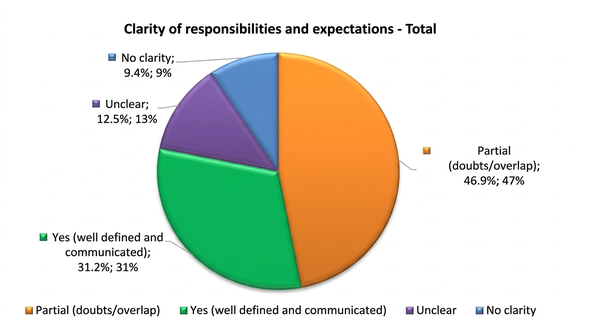
Figure 2. Responsibilities and expectations, 2025
Source: Original research results
Figure 2 reveals that 46.9% of respondents perceive partial clarity of responsibilities and expectations, with doubts or overlapping roles. This data points to fertile ground for conflicts, such as task overlap and frustrations due to unaligned expectations, in line with Lück (2009) and Paro (2007), who associate the absence of transparency and collective participation with ambiguity.
Professional recognition is a fundamental dimension.
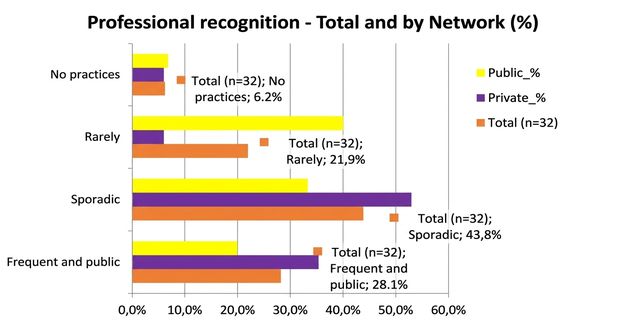
Figure 3. Professional recognition, 2025
Source: Original research results
Figure 3 shows that 43.8% of respondents indicated sporadic recognition and 21.9% rarely. In the public sector, 40% reported that recognition is rare. This result, one of the most explanatory, is associated with demotivation and the negative perception of daily conflicts (Martins and Machado, 2020; Jesus, 2019). Fontana and Gomes (2019) emphasize that the absence of symbolic recognition weakens the bond and intensifies tensions.
Communication between sectors appears functional, but imperfect, in coherence with partial cooperation.
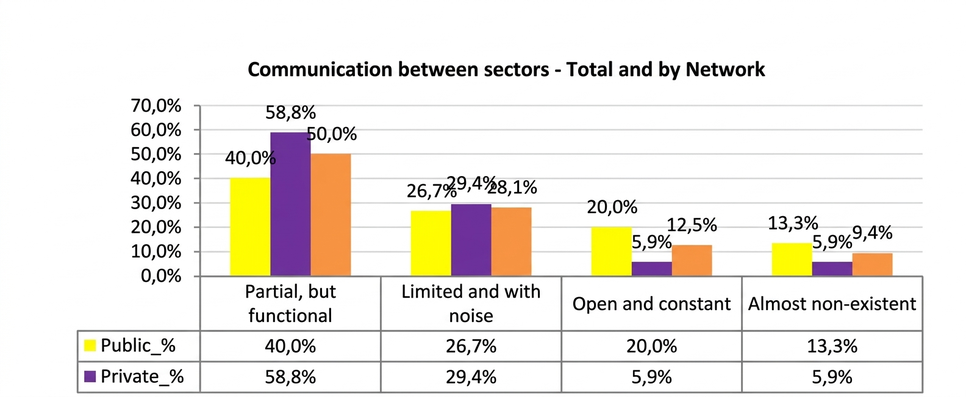
Figure 4. Communication between sectors, 2025
Source: Original research results
Figure 4 indicates that 50.0% of respondents consider communication partial but functional, and 28.1% as limited and with noise. In the public sector, communication is more heterogeneous, with 40.0% partial but functional, and 13.3% almost nonexistent. Communication noise favors conflicts and erodes the organizational climate (Dias, 2019; Araújo, 2020). Where communication is structured, conflicts tend to be better processed.
The way in which disagreements are resolved was also investigated.
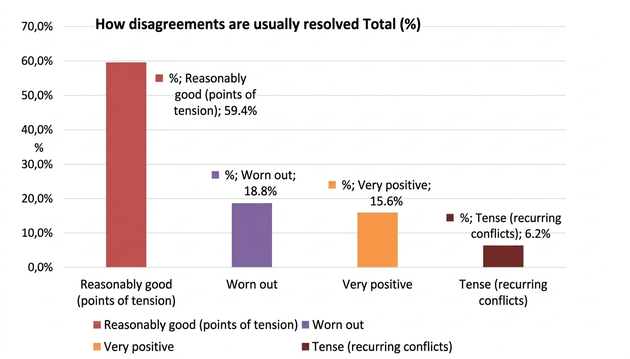
Figure 5. Dispute resolution, 2025
Source: Original research results
Figure 5 reveals that 59.4% of conflicts are resolved reasonably well, but with points of tension, while 18.8% are worn down. School management, coordination, or direction, emerges as a central instance of dialogue and resolution. Although this can be positive with mediating leadership, there is a risk that teams will not develop collective dialogue skills, always depending on the manager. Lück (2009) argues that effective leadership builds conditions for cooperation and relational autonomy. The perception of inadequate conflict resolution is more concerning in the public sector (20.0%) than in the private sector (5.9%), reinforcing a cycle of unresolved conflicts, latent tensions, and a worn-out climate.
The research also assessed whether conflicts can contribute to improvements.
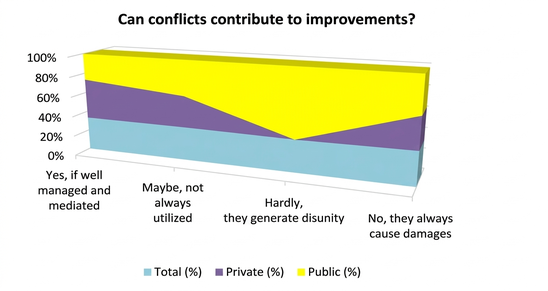
Figure 6. Conflicts and improvements, 2025
Source: Original research results
Figure 6 shows that the majority recognize that conflict can be productive if well managed and mediated. This result aligns with Guedes (2018) and Fontana and Gomes (2019), who see conflicts as learning opportunities. However, in the public sector, 20% indicated that conflicts “hardly” generate improvements, which may reflect previous experiences of poor conflict management, according to Dias (2019) and Araújo (2020).
The assessment of the organizational climate consolidated the observed patterns.
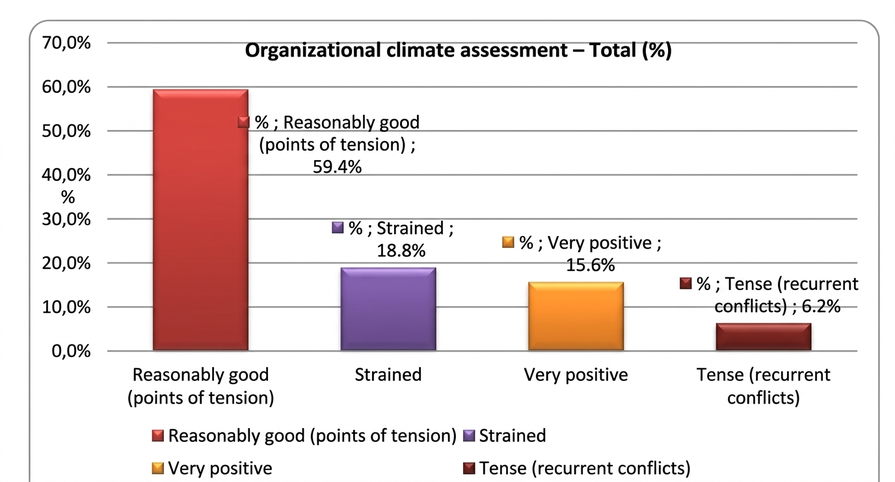
Figure 7. Organizational climate assessment, 2025
Source: Original research results
Figure 7 indicates that 59.4% of respondents rate the climate as “reasonably good, but with points of tension,” and 18.8% as “worn out.” This perception of an operational climate, but with latent conflicts, confirms Paro’s (2007) analysis on the absence of full participation and dialogue. Lück (2009) suggests that leadership has room to strengthen communication and alignment routines. Persistent points of tension without mediation generate progressive wear, especially in the public sector (Dias, 2019; Araújo, 2020). Tension is not exclusive to a network, but is expressed in different ways, reinforcing the need for conflict management as an institutional competence.
Integrated critical discussion
The set of results suggests a school model of partial cooperation, with communication that is frequently functional, yet crossed by noise; conflicts treated situationally; role clarity that is often incomplete; and recognition that is predominantly sporadic. This scenario aligns with the idea that school is a social space where tensions are part of the collective dynamic (Guedes, 2018; Fontana and Gomes, 2019), and the problem lies in the absence of institutional conditions to process conflict with learning and justice.
Paro (2007) points out that democratic management, when not effectively implemented, leads to an environment that operates by fulfilling routines, without building a sense of belonging, causing noise and conflicts to be experienced as wear and tear. Lück (2009) emphasizes that effective leadership articulates people and processes, including clarity of roles, communication channels, alignment routines, feedback, and recognition practices. Fragility in these dimensions makes conflicts more frequent, personalized, and less productive. The CNMP (2021) and UNIPAMPA (2021) documents reinforce that mediation should be preventive and cultural, not episodic, requiring minimum procedures for conversation, recording, agreement, and follow-up.
Professional recognition is a decisive variable. In the public sector, the indicator of 40% of professionals who rarely receive recognition may explain the higher rates of ignored/mismanaged conflicts and the greater perception of a worn-out climate. Insufficient recognition amplifies resentment and reduces willingness to cooperate, increasing the emotional cost of coexistence (Martins and Machado, 2020; Jesus, 2019; Fontana and Gomes, 2019).
The implications for school management, considering the integration between mediation, communication, and recognition, show that intra-team conflicts do not arise from a single factor, but from the articulation between communication weaknesses, absence of mediation protocols, and insufficient professional recognition practices. This finding reinforces the need for an integrated approach in school management (Paro, 2007; Lück, 2009; Fontana and Gomes, 2019; CNMP, 2021; UNIPAMPA, 2021).
The empirical data indicated that 62.5% of respondents perceive cooperation as partial, with communication noise, and 59.4% that conflicts are resolved only “sometimes”, depending on the people. This suggests that the school, although functioning operationally, lacks stable institutional mechanisms for cooperative labor relations. School management focused solely on pedagogical results tends to neglect fundamental relational dimensions. Conflict mediation occurs predominantly in a situational and personalized manner, especially in the public sector, where 40% of respondents stated that conflicts are ignored or rarely addressed constructively. This scenario confirms the analyses by Dias (2019) and Araújo (2020) on the negative impact of the absence of systematic mediation on the organizational climate. The institutionalization of mediation, with clear protocols, dialogue spaces, and continuous training, is a central implication (CNMP, 2021; UNIPAMPA, 2021), potentially reducing the exclusive dependence on coordination or management for resolving disagreements, a situation pointed out by 56.2% of participants.
Communication and clarity of responsibilities are critical axes. Almost half of the respondents (46.9%) stated partial clarity about roles and expectations, and 78.1% rated communication as functional, but limited or with noise. These results confirm that intra-team conflicts often stem from organizational ambiguity, not personal differences. Institutional communication and alignment are structuring elements for a collaborative culture (Vieira and Santos, 2020). Democratic management requires transparency, participation, and effective information flow (Paro, 2007). Implications include periodic clarification of roles, agreement on coexistence norms, and institutional feedback routines, reducing overlap in functions and misaligned expectations. Lück (2009) highlights that school leadership must act as an articulator of human processes, ensuring continuous and bidirectional communication.
The absence of recognition tends to amplify the emotional impact of conflicts, reducing the sense of belonging and weakening bonds (Fontana and Gomes, 2019). As an implication, school management can adopt systematic recognition practices, such as public appreciation of initiatives, institutionalized positive feedback, and encouragement of peer collaboration. These actions, which do not require additional financial resources, strengthen recognition and create an environment conducive to cooperation and dialogue, reducing destructive conflicts.
The integration of the dimensions of clear communication, consistent recognition, and institutionalized mediation allows conflict to be seen as an opportunity for collective learning, a perception shared by 59.4% of participants. This empirical data reinforces the conceptions of Guedes (2018) and Custódio (2020) that conflict is inherent in human relationships, and its effects depend on how it is handled. The results demonstrate that mediation, communication, and recognition act as an interdependent system that impacts organizational climate. The fact that 59.4% of respondents rated the climate as “reasonably good, but with points of tension” indicates room for management interventions that strengthen professional relationships and cooperation.
The research indicates that conflict management in the school environment should not be an isolated or emergency practice, but a permanent dimension of educational management, according to the Practical Guide to Conflict Mediation in Schools (CNMP, 2021) and the Conflict Management Guide for Teams (UNIPAMPA, 2021). These documents emphasize mediation as a preventive and formative practice, based on listening, dialogue, and the collective construction of solutions. By institutionalizing spaces for mediation and communication, the school strengthens its capacity to deal with disagreements ethically and collaboratively, reducing the negative impact of conflicts on the organizational climate.
The research results indicated that cooperation among school team members is predominantly perceived as partial, often accompanied by communication noise and difficulties in institutional alignment. Although a generalized scenario of lack of cooperation was not identified, the data point to the presence of latent tensions that permeate professional relationships and impact the organizational climate of the analyzed institutions. This scenario confirms the analysis proposed by Lück (2009), who stated that cooperation does not emerge spontaneously in the organizational environment, but depends on the intentional action of school leadership in organizing processes, clearly defining responsibilities, and promoting consistent communication practices. When these elements are not sufficiently structured, cooperation tends to be restricted to an operational dimension, without producing bonds of trust and belonging among professionals.
Another relevant aspect identified in the research refers to how conflicts are handled in the school environment. Most participants indicated that conflicts are resolved situationally, depending on the people involved or the intervention of school management. This result reveals the absence of clear institutional protocols for conflict mediation, which causes the resolution of tensions to depend, to a large extent, on the individual initiative of managers or team members. This finding directly dialogues with the reflections of Guedes (2020) and Fontana and Gomes (2017), who highlight that the absence of structured mediation practices tends to intensify organizational conflicts. Dias (2018) and Araújo (2019) also point out that school environments in which conflicts are not adequately mediated present a higher incidence of emotional exhaustion among professionals, as well as higher levels of dissatisfaction and demotivation.
Despite the limitations of convenience sampling and self-reporting, the study offers relevant contributions to the understanding of intra-team conflicts in the school environment, highlighting the importance of management practices based on dialogue, mediation, and professional appreciation. The research reinforces the need to understand conflict not as an organizational failure, but as an inherent dimension of human and institutional relationships. The construction of more cooperative and healthy school environments depends on educational management committed to democratic principles, consistent communication practices, and institutional conflict mediation strategies. By recognizing conflict as part of daily school life and investing in dialogue and recognition practices, the school strengthens not only its professional relationships but also the necessary conditions for the development of quality pedagogical work.
4. Conclusion
This study sought to understand how intra-team conflicts manifest in the school environment and influence management, organizational climate, and cooperation among professionals, considering the contexts of public and private networks. It was found that cooperation among school team members is predominantly perceived as partial, often accompanied by communication noise and difficulties in institutional alignment. It was identified that conflict resolution tends to be situational, depending on the people involved, rather than institutionalized, with greater mediation fragility in the public sector. It was also observed that clarity of responsibilities was partial for almost half of the respondents and that professional recognition occurred sporadically or rarely for an expressive portion of participants, especially in the public network. These findings indicate that intra-team conflicts are not mere personal disagreements, but expressions of broader institutional dynamics, highlighting the need for integrated school management that recognizes conflict as an inherent dimension and transforms it into an opportunity for institutional strengthening.
Although convenience sampling and self-reporting limit the generalization of the results, the study offers relevant contributions by highlighting the importance of management practices based on dialogue, mediation, and professional appreciation for the school environment. It is suggested that future research deepen the investigation into the institutionalization of conflict mediation protocols, the implementation of professional communication and alignment routines, and the adoption of systematic recognition practices. Such actions, which do not necessarily require additional financial resources, are configured as essential strategies to strengthen professional bonds, reduce tensions, and promote a collaborative culture, contributing to a healthier organizational climate and the continuous improvement of pedagogical work.
Bibliographic References
Araújo, F. 2019. Gestão de conflitos: perspectivas e práticas no ambiente escolar. Universidade Federal de Minas Gerais, Belo Horizonte, MG, Brasil.
Conselho Nacional do Ministério Público [CNMP]. 2021. Diálogos e mediação de conflitos nas escolas: guia prático para educadores. CNMP, Brasília, DF, Brasil. Disponível em: . Acesso em 14 out. 2025.
Custódio, M. 2020. Gestão de conflitos: estratégias de mediação no ambiente educacional. Universidade Estadual de Londrina, Londrina, PR, Brasil.
Dias, L. 2018. Gestão escolar e redução de conflitos: um olhar sobre o papel da liderança pedagógica. Editora PUC Minas, Belo Horizonte, MG, Brasil.
Fontana, R.; Gomes, A. 2017. Mediação de conflitos no contexto escolar. Editora CRV, Curitiba, PR, Brasil.
Guedes, R. 2020. Gestão do conflito: desafios e soluções no ambiente educacional. Editora Vozes, Petrópolis, RJ, Brasil.
Jesus, M. 2019. Gestão de conflitos na escola: desafios e possibilidades. Editora Cortez, São Paulo, SP, Brasil.
Lück, H. 2009. Gestão educacional: uma questão paradigmática. 8. ed. Vozes, Petrópolis, RJ, Brasil.
Martins, C.; Machado, T. 2021. Situações de conflito no ambiente escolar: análise e mediação. Editora Appris, Curitiba, PR, Brasil.
Paro, V. H. 2007. Gestão democrática da escola pública. 3. ed. Cortez, São Paulo, SP, Brasil.
Silva, P.; Almeida, R. 2020. A atuação do coordenador pedagógico no ambiente escolar. Universidade Estadual Paulista [UNESP], São Paulo, SP, Brasil.
Silva, S.; Moreira, D. 2021. A função do coordenador pedagógico: um olhar histórico e reflexivo. Universidade Federal de São Carlos, São Carlos, SP, Brasil.
Souza, E. 2020. Dimensões da gestão escolar e suas competências. Universidade Federal de Pernambuco, Recife, PE, Brasil.
Souza, F.; Pereira, G. 2019. O papel do coordenador pedagógico no contexto escolar e suas contribuições. Universidade Federal do Ceará, Fortaleza, CE, Brasil.
Universidade Federal do Pampa [UNIPAMPA]. 2021. Não é normal: cartilha sobre gestão de conflitos nas equipes. UNIPAMPA, Bagé, RS, Brasil. Disponível em: . Acesso em: 14 out. 2025.
Vieira, R.; Santos, J. 2020. Gestão educacional e cultura colaborativa no ambiente escolar. Revista Educação & Formação, v. 5, n. 2. Disponível em: . Acesso em: 16 out. 2025.
Article originating from the Final Course Work of the Specialization in School Management of the MBA USP/Esalq
To learn more about the course, click here and access the MBX Academy platform